One of the best sports movies almost nobody talks about.
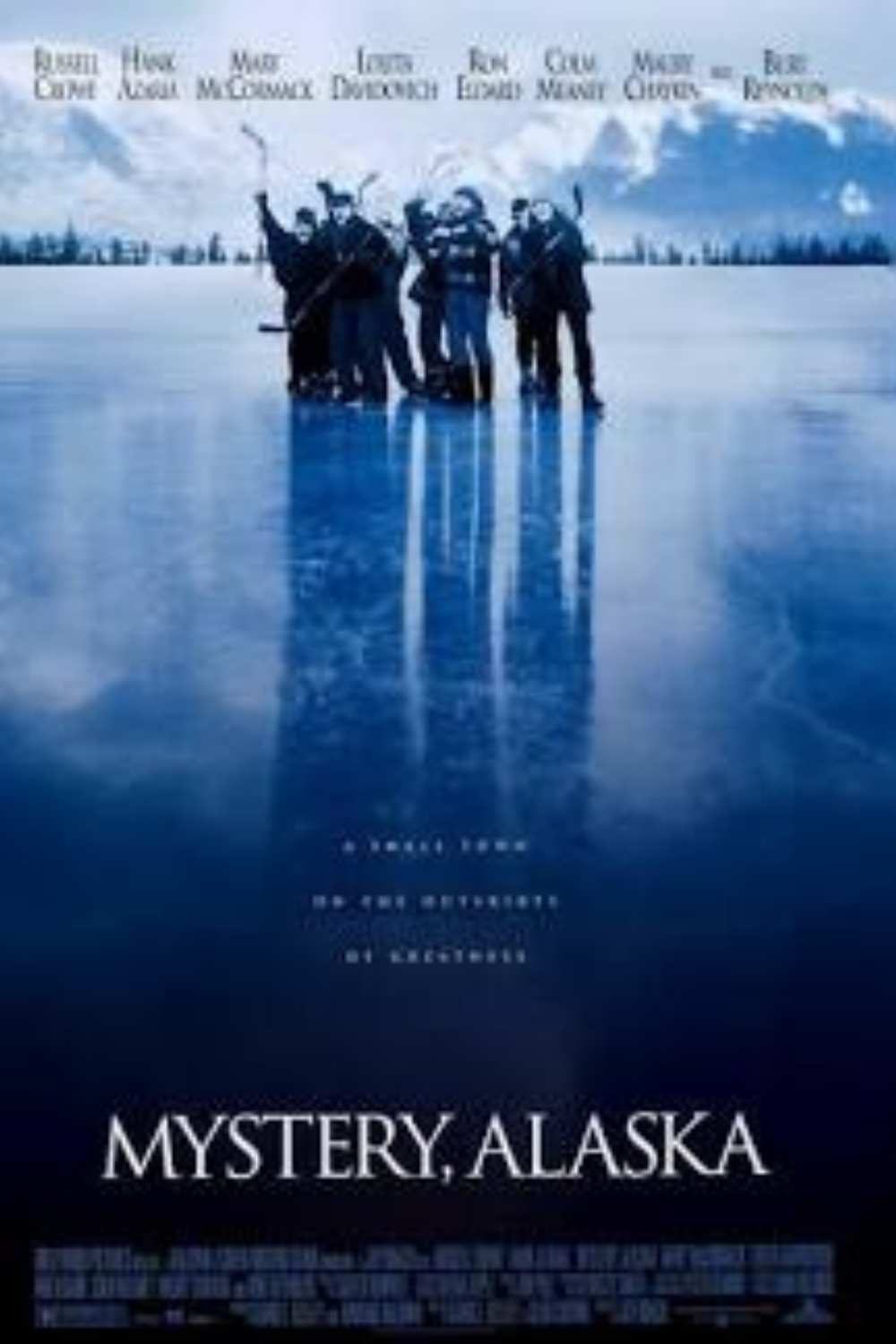
Mystery, Alaska is one of the best sports movies nobody talks about.
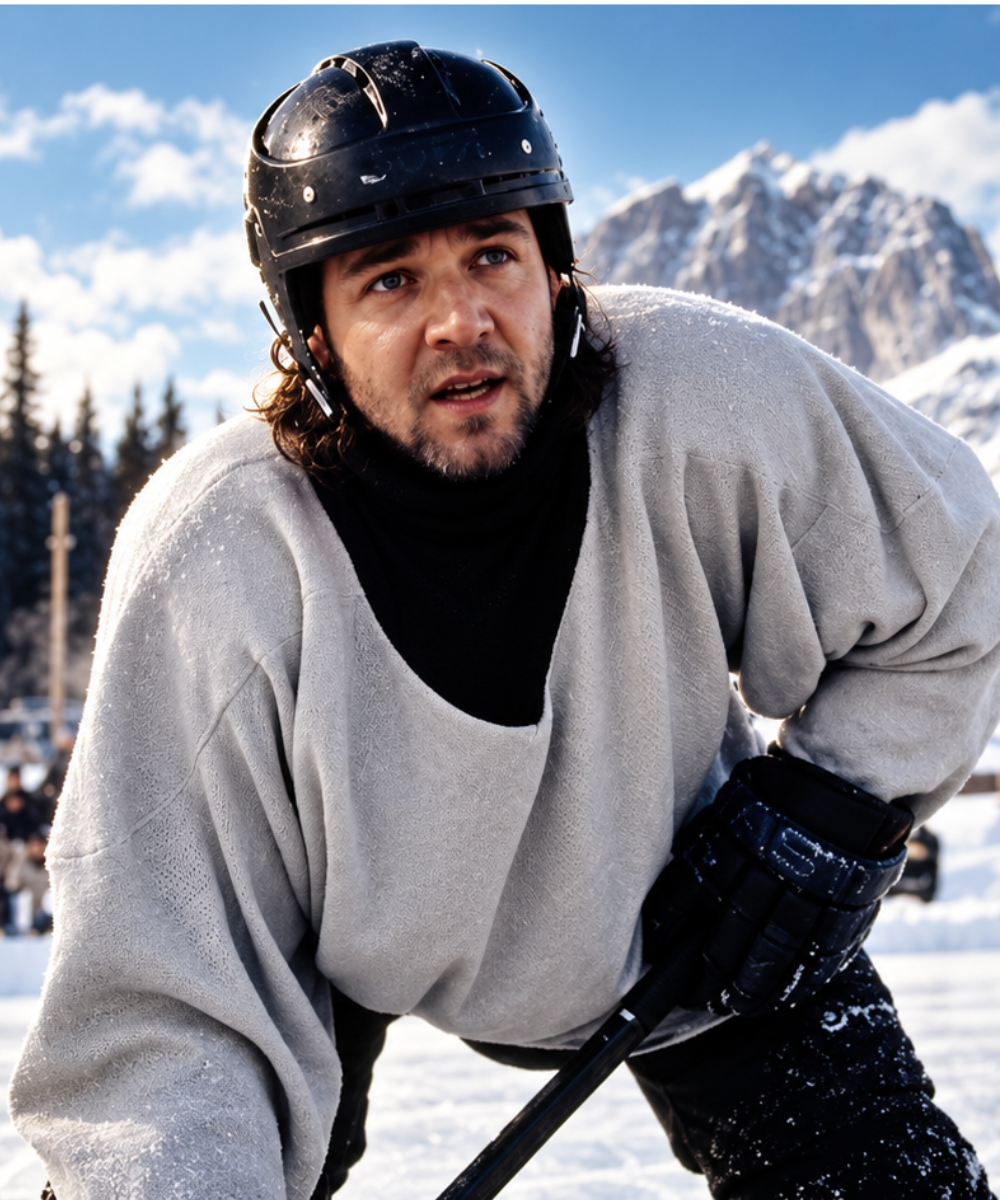
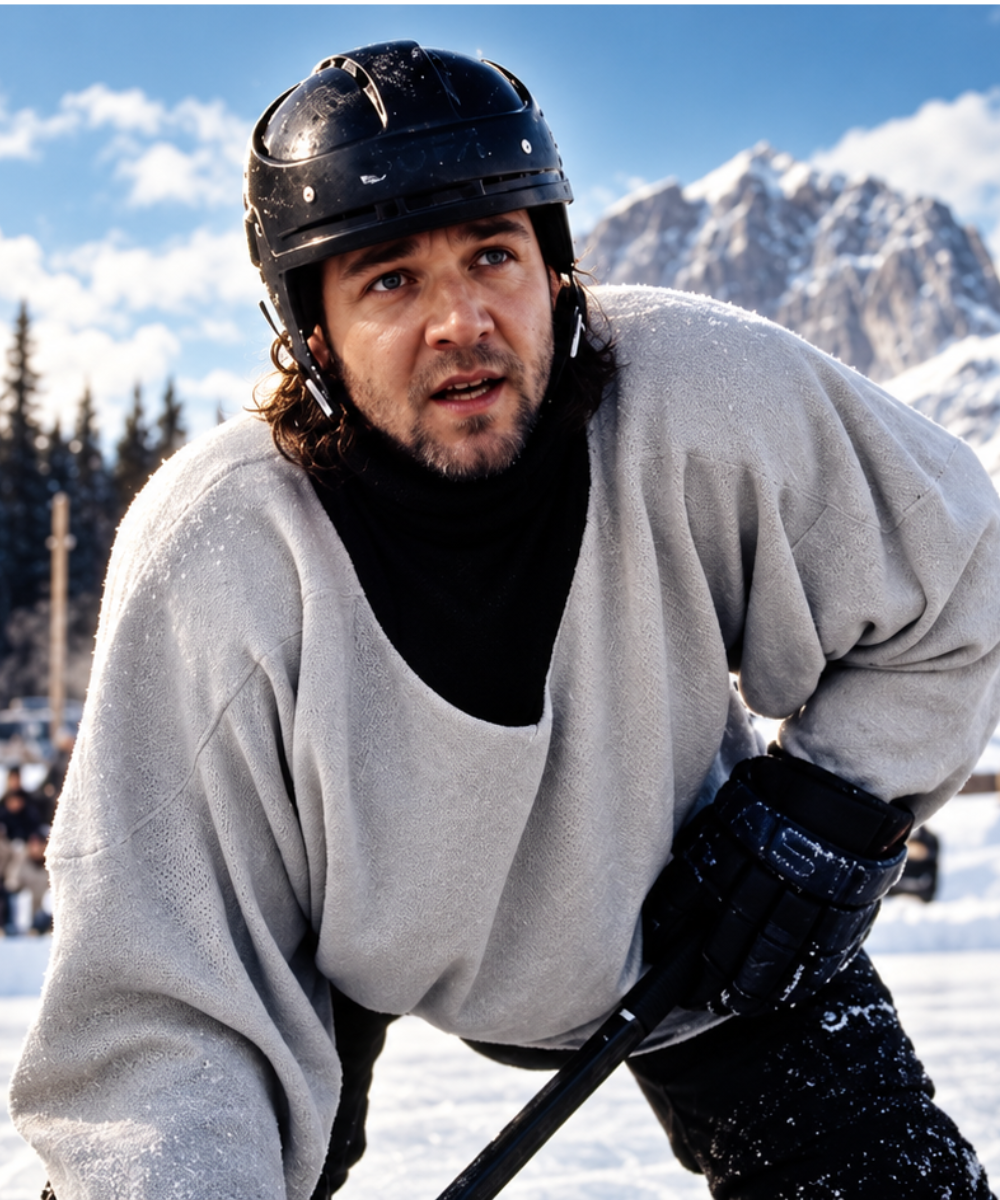
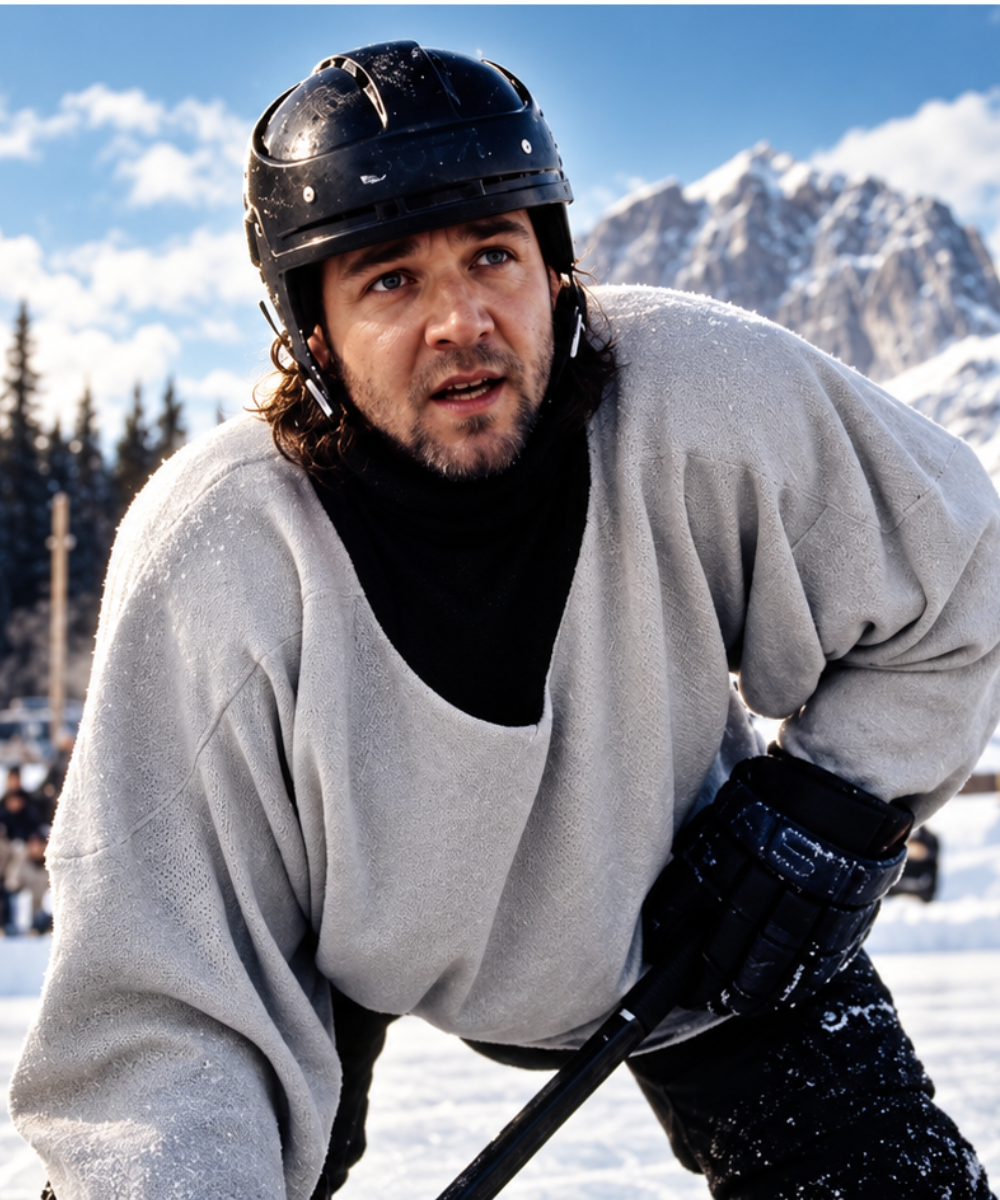
Russell Crowe plays John Biebe, one of the best hockey players in Mystery, Alaska—a tiny town where the weekly Saturday Game is basically the center of civic life.
Then somebody gets the bright idea to bring the New York Rangers to Mystery for an exhibition game on the town’s frozen pond.
Yes, that’s the premise.
Ridiculous? Sure. But it works—and not in a goofball comedy way.
The movie has hockey, but it’s really about the town and the people in it. Burt Reynolds, Hank Azaria and a deep supporting cast give Mystery enough personality that the game actually matters by the time everyone finally takes the ice.
The whole setup is preposterous.
I don’t care.
Mystery, Alaska has almost everything you want from a sports movie.
An underdog team. A tiny town with an outsized sense of pride. Personal grudges. Family problems. A big game nobody expects them to win.
It’s all there.
Oh yeah, and hockey.
The premise is wonderfully simple: the amateur hockey players of Mystery, Alaska suddenly get the chance to play an exhibition game against the New York Rangers.
On their own ice.
It sounds ridiculous, but the movie takes the idea seriously enough that you don’t even think about it.
Pre-Gladiator Russell Crowe leads a strong ensemble cast, with Burt Reynolds, Hank Azaria and Mary McCormack giving the town enough personality that the movie feels bigger than the game itself.
The hockey matters, but Mystery, Alaska is really about a community being handed one improbable moment.
It’s funny without being a comedy, a little sentimental, and not entirely predictable.
It’s not for everyone, but if you love hockey, Russell Crowe, Burt Reynolds or sports movies in general... this one is for you.
I don’t generally like serial-killer movies. I just don’t usually enjoy spending two hours inside that particular kind of story.
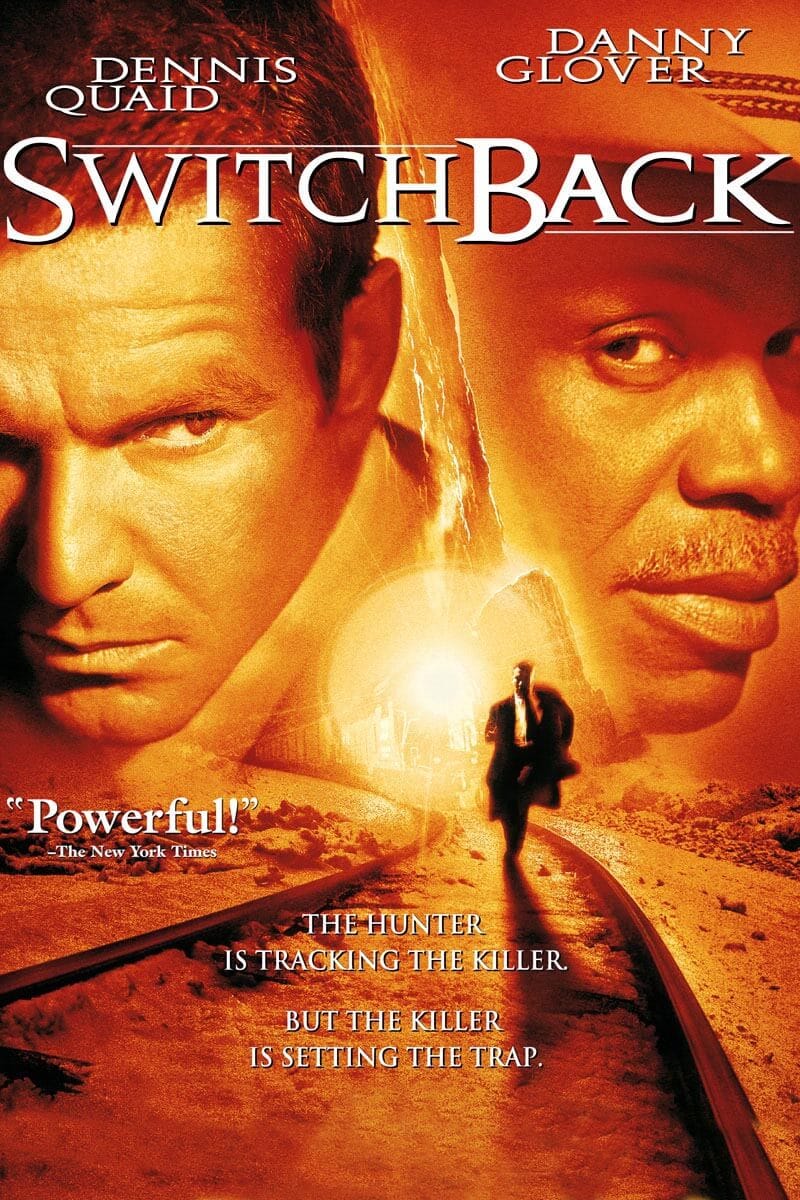
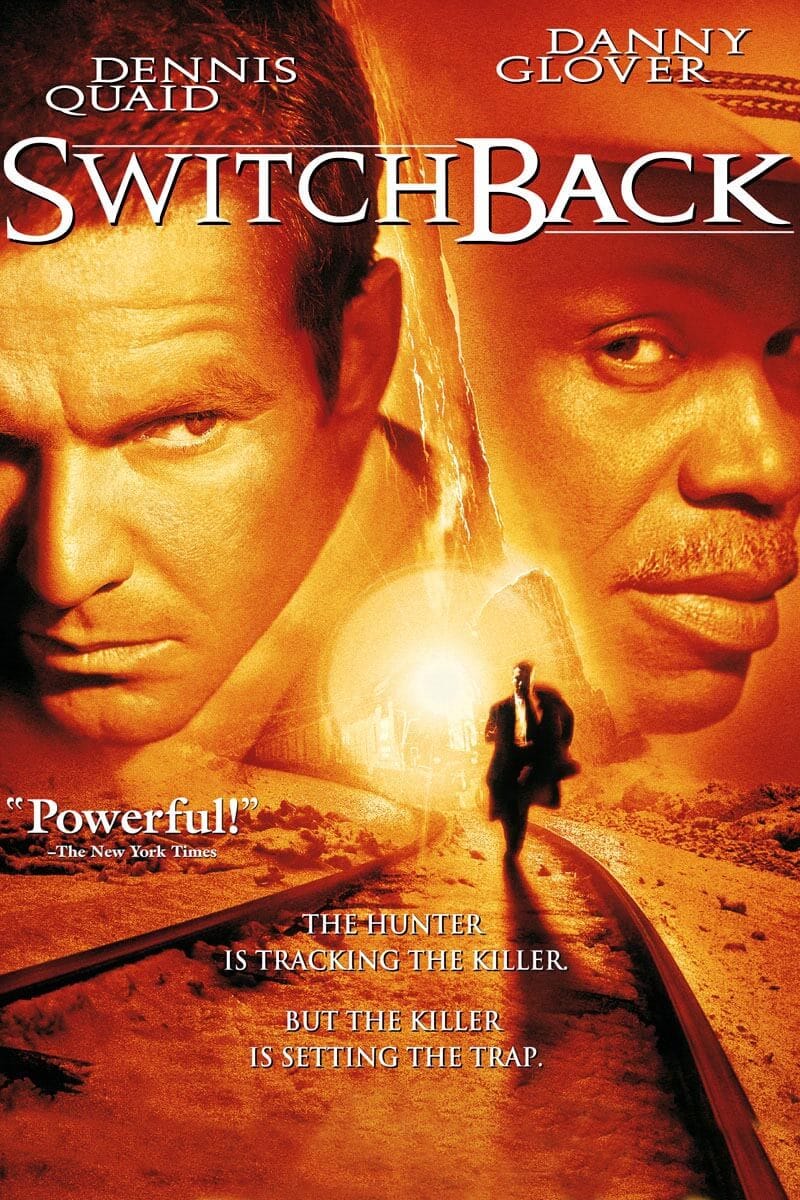
Switchback is different. It doesn’t feel like a typical serial-killer movie.
It feels more like a thriller that happens to have a serial killer in it.
And that is a big part of why I like it.
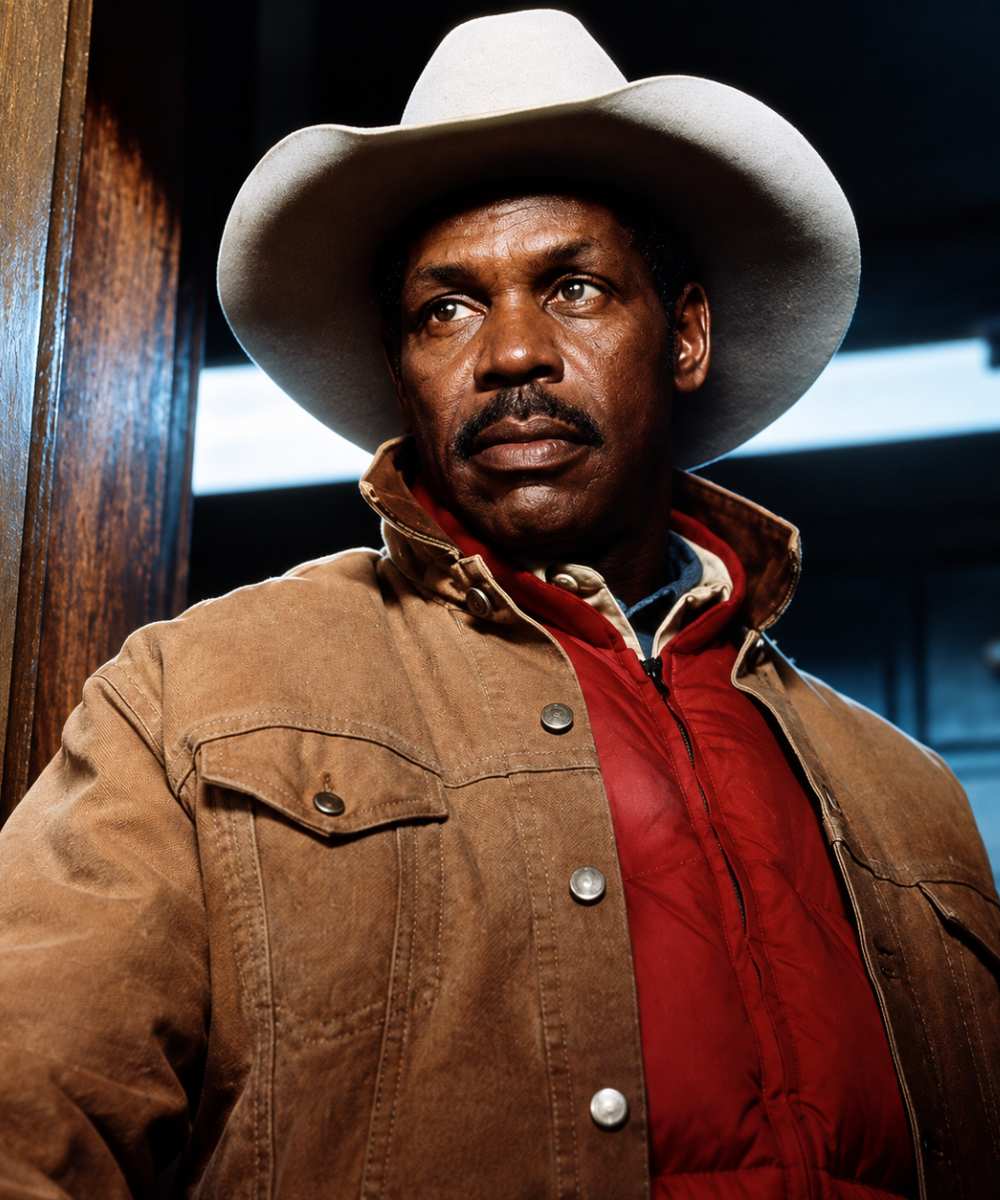
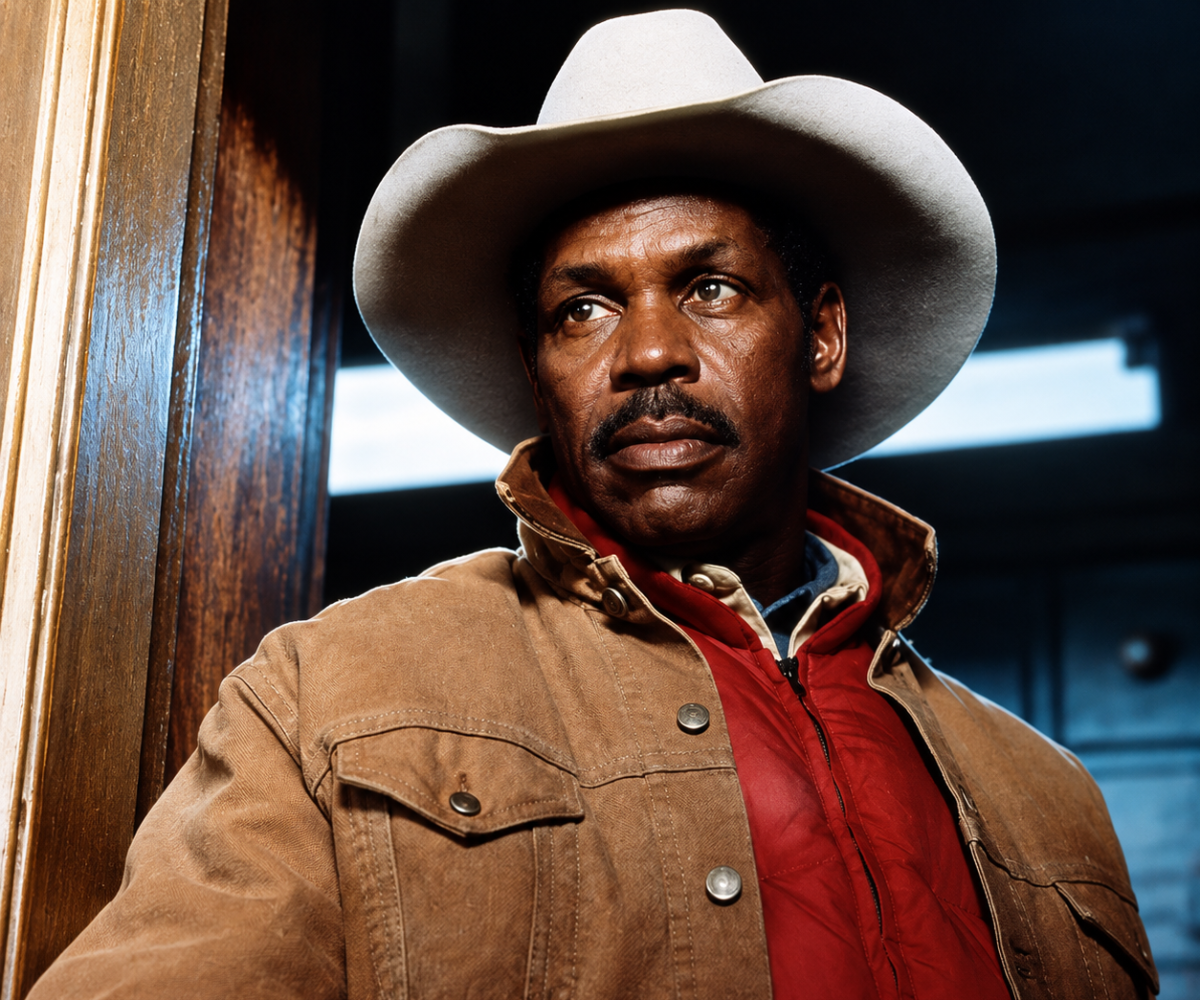
Dennis Quaid plays Frank LaCrosse, an FBI agent whose pursuit of the killer has become deeply personal. His investigation takes him through small towns and cold, isolated stretches of the American West.
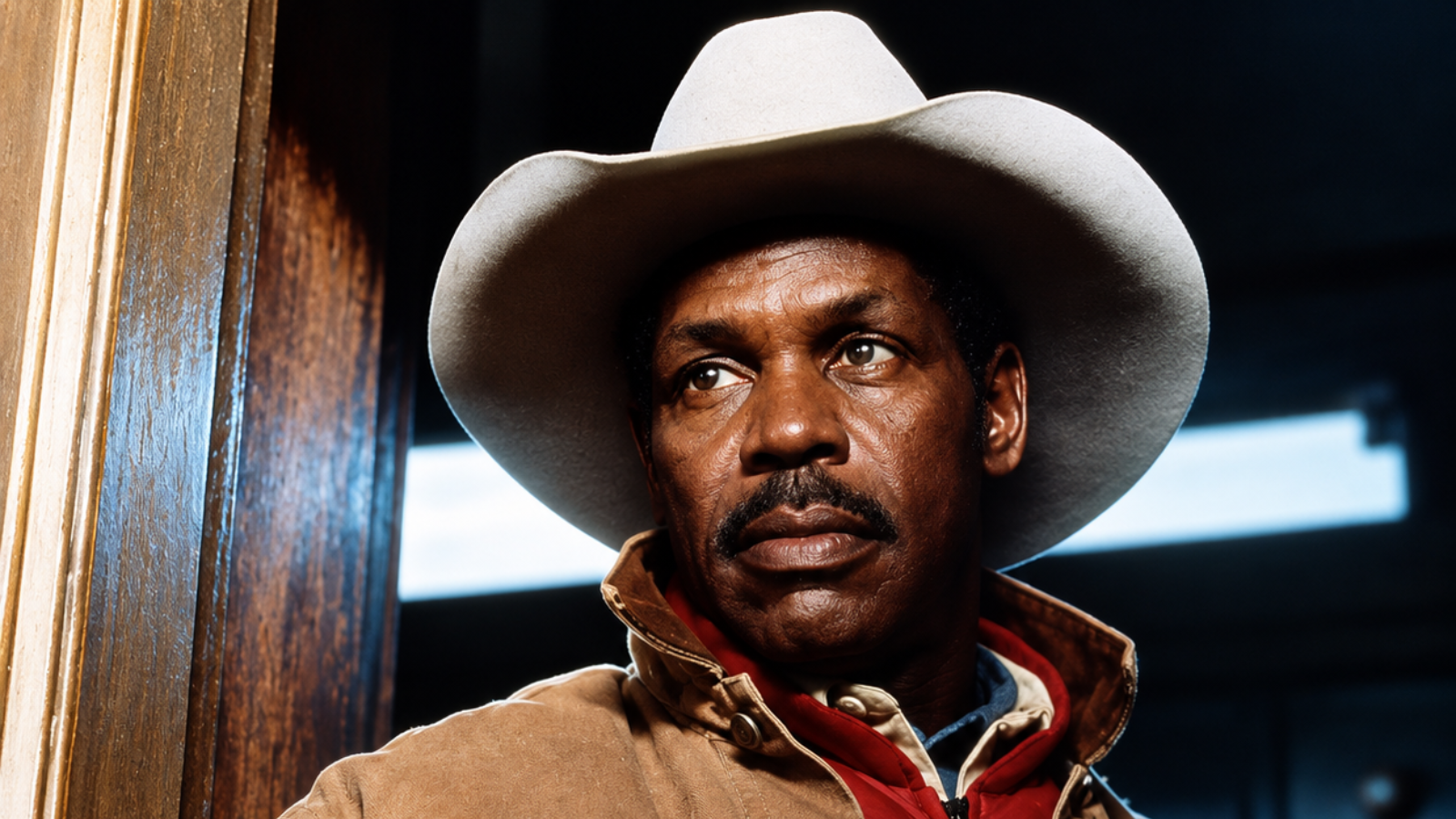
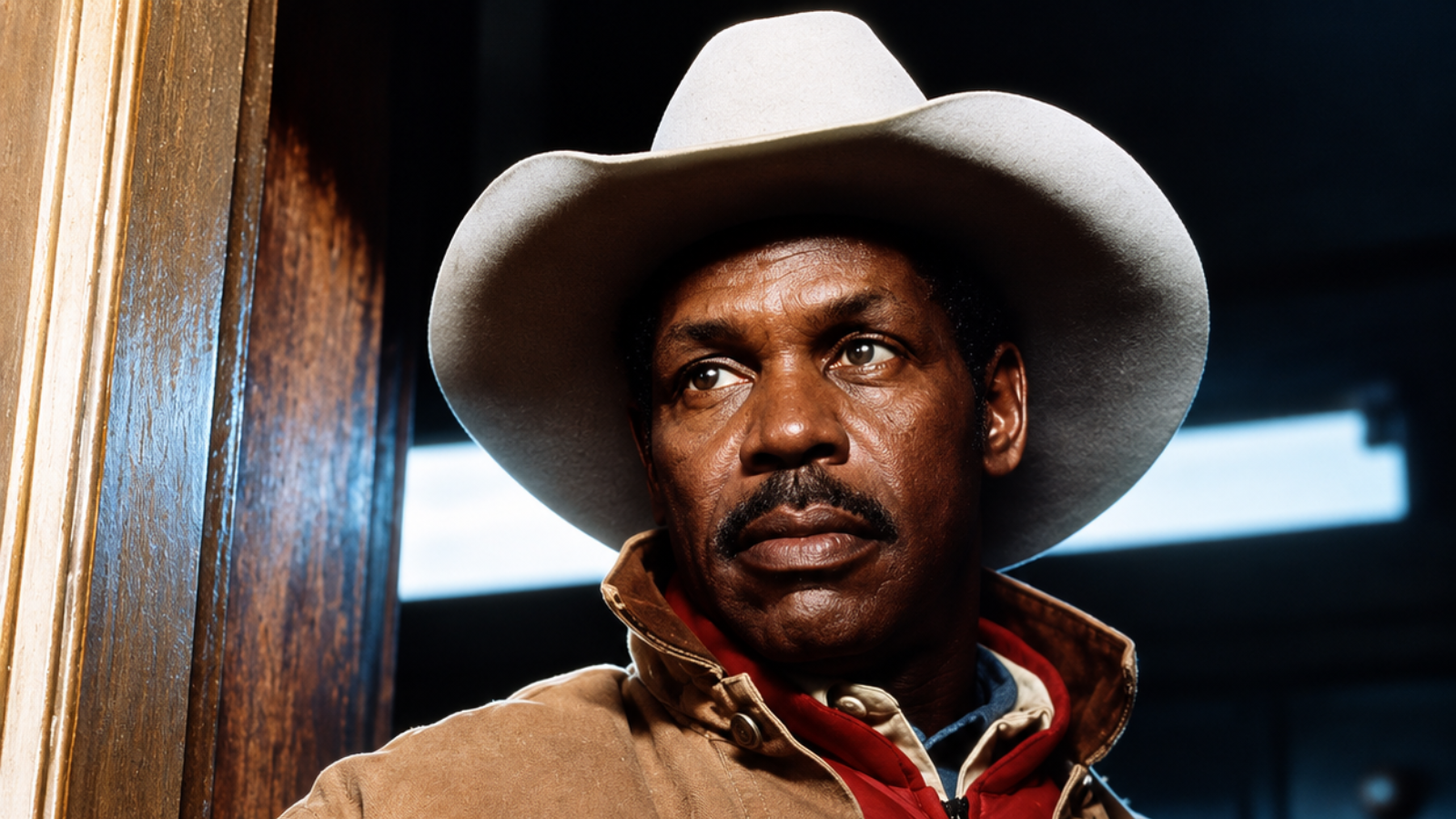
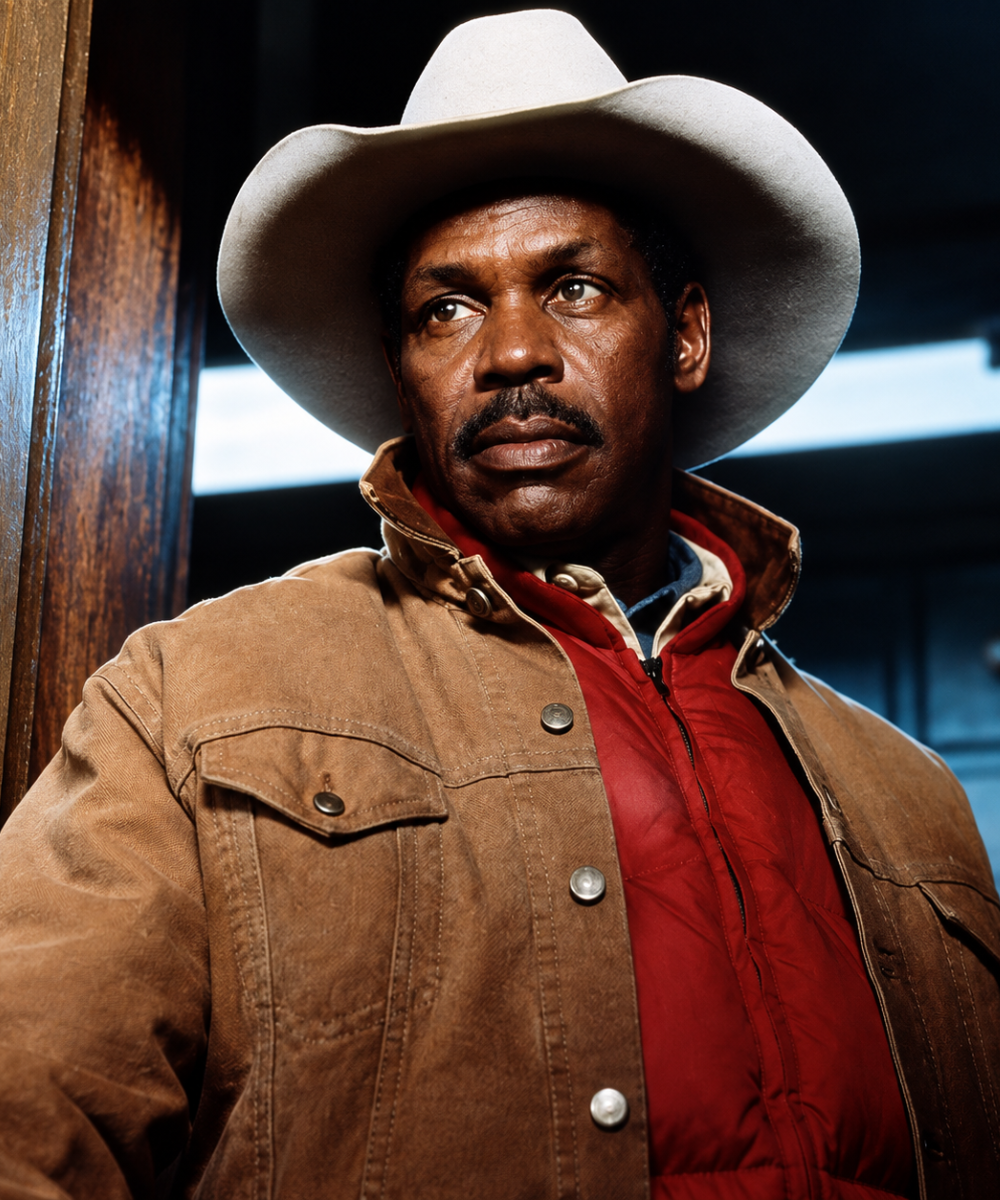
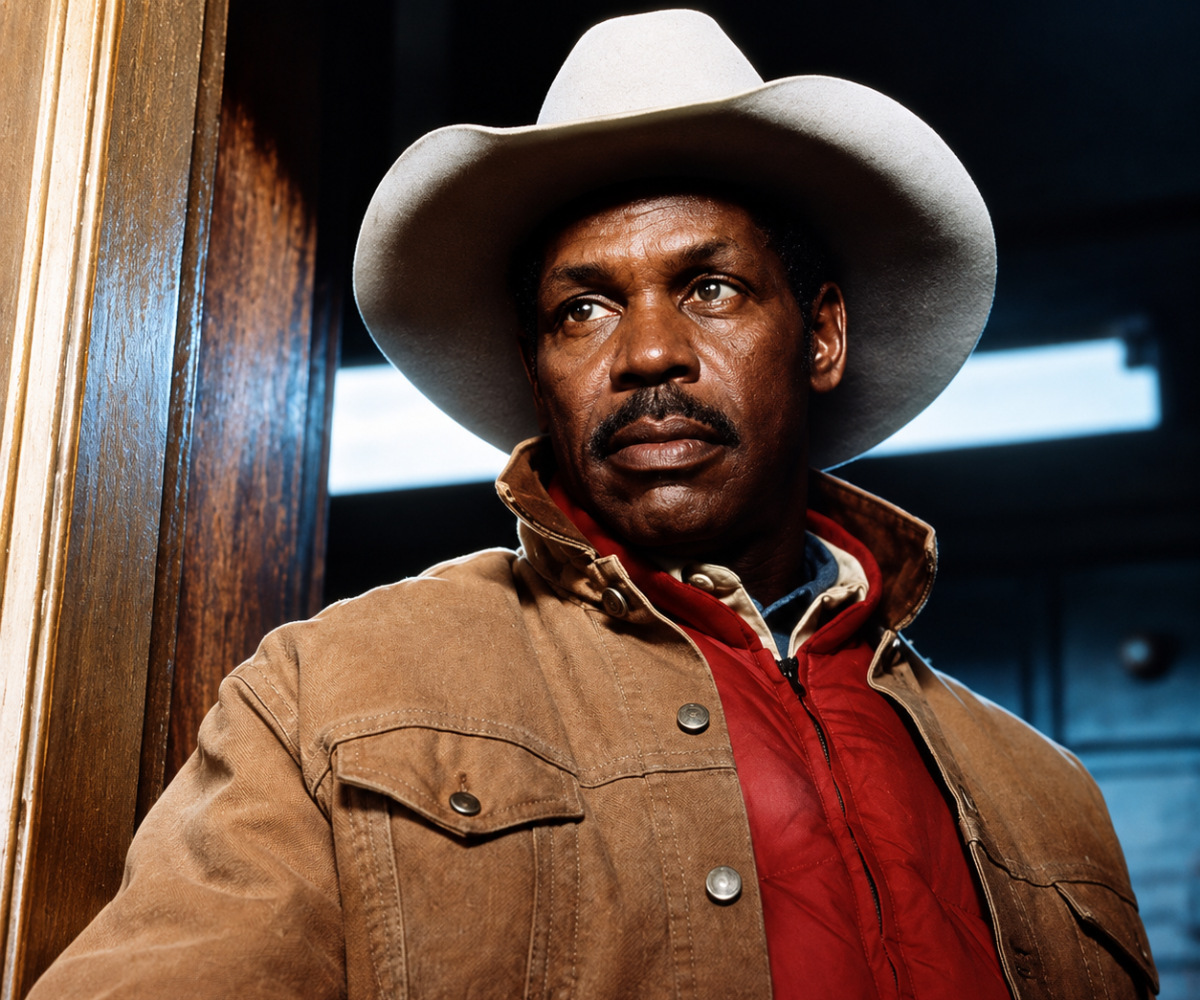
Meanwhile, Danny Glover plays Bob Goodall, a railroad worker who crosses paths with a young drifter played by Jared Leto.
Goodall is friendly, talkative, funny, and yet slightly odd. Glover plays him with exactly the kind of warmth that makes you want to trust him — while giving you just enough reason not to.
The movie spends a lot of time on highways, trains, diners, snowy landscapes, and remote towns. That setting matters.
Instead of constantly rushing from murder to clue to confrontation, the movie has room to breathe. Characters talk. Relationships develop.
You are watching these people move toward each other without always knowing exactly what is going to happen when they finally collide.
That makes Switchback feel much more human than most movies in this genre.
Danny Glover is excellent. Dennis Quaid gives the movie weight. The locations are terrific. And the suspense builds gradually instead of being manufactured every five minutes.
There are dozens of better-known serial-killer movies from the 1990s.
I would rather watch this one.
Michael Keaton has had one of the strangest and most interesting careers in Hollywood.
He was Batman before superhero movies became a factory. He was Beetlejuice. He disappeared for stretches, came back, and eventually reminded everyone just how good he was.
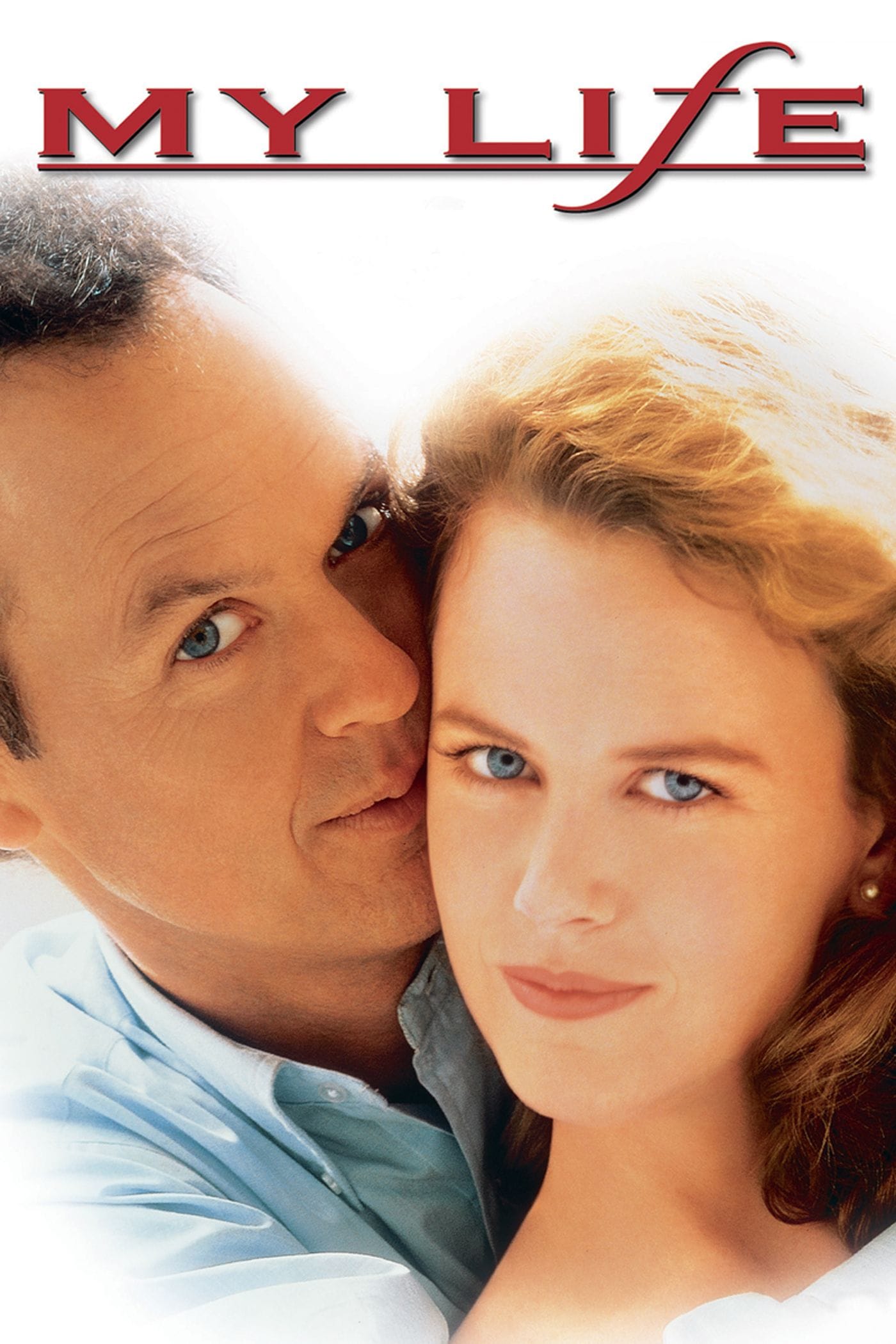
Keaton plays Bob Jones, a successful man who learns he has terminal cancer just as his wife is expecting their first child. Knowing he may never get the chance to know his son, he begins recording videos so the child can someday know who his father was.
That premise could have become manipulative very quickly.
It didn’t.
Instead, My Life works because Keaton keeps Bob incredibly human. He is scared, angry, funny, stubborn, and not always especially graceful about what is happening to him.
Bob starts looking backward at his family, his choices, the things he has avoided, and the people he has kept at a distance. The recordings begin as a practical project for his unborn son, but they become something more — an attempt to make sense of his own life while there is still time.
And when the movie finally lands emotionally, it does so because you have spent enough time with Bob to feel what he is losing.
My Life is not subtle. It wants something from you. It is designed to hurt.
But it earns that emotion.
For all the larger and more famous movies in Keaton’s career, this may be the one that shows the most of what he can do as an actor.
And he is an incredible one.
💡
Somehow, it’s both a great movie and hard to watch.
Leaving Las Vegas is not the kind of movie you throw on because you want to relax.
It is bleak, uncomfortable, emotionally exhausting, and populated by two people whose lives are already badly damaged when they find each other.
And somehow, it is also tender.
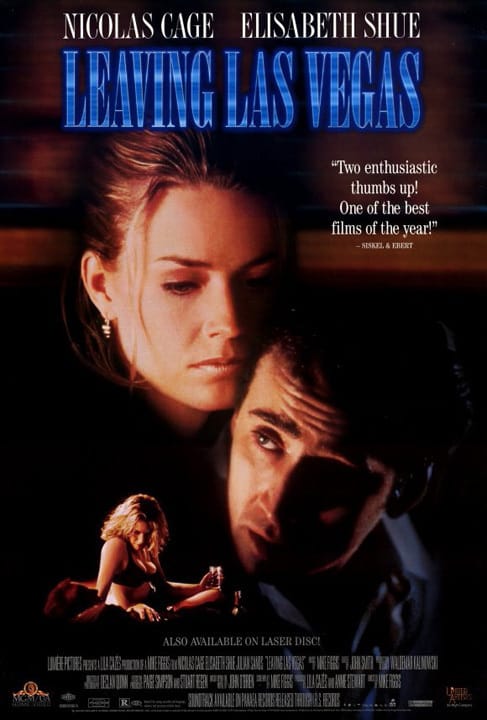
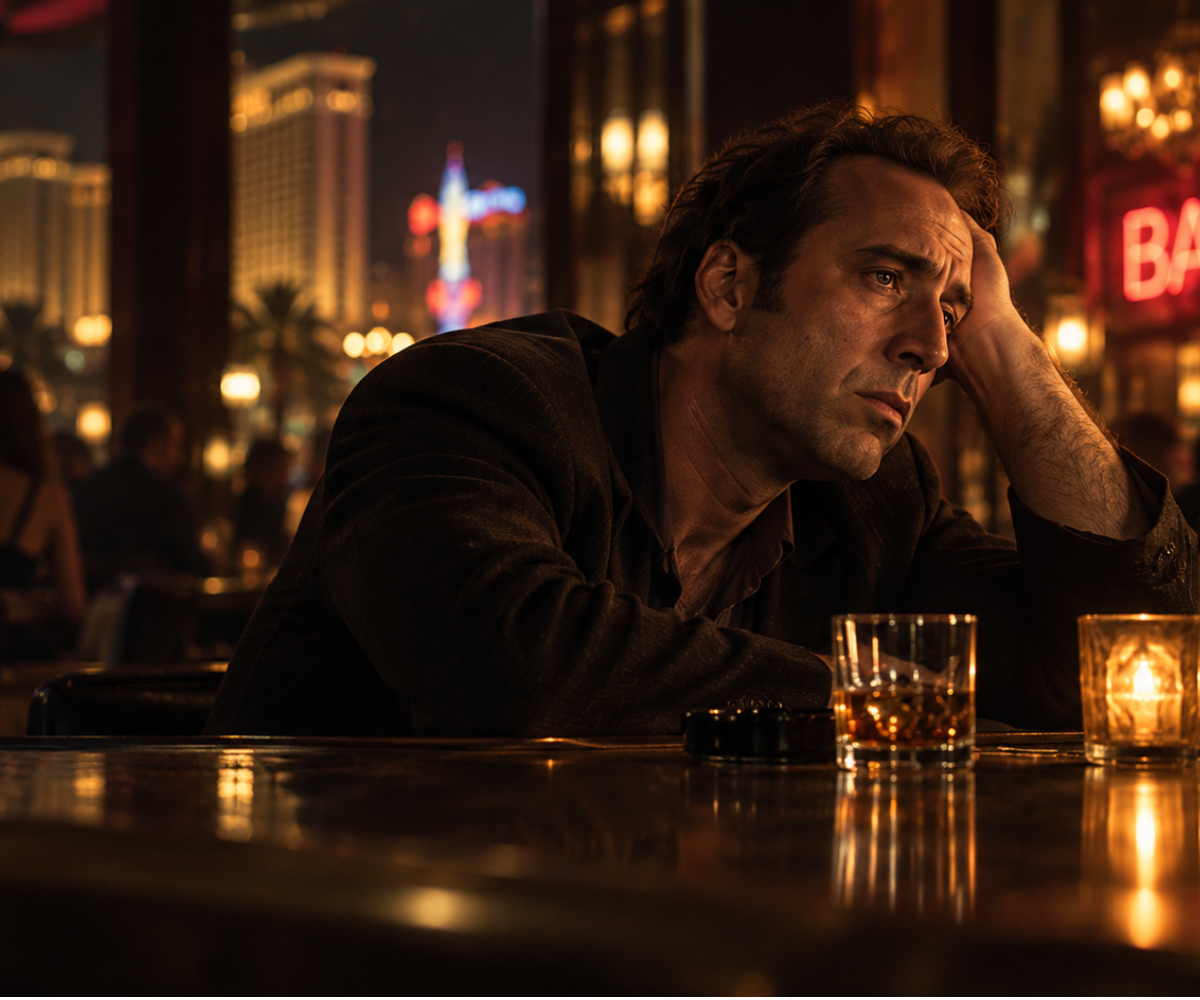
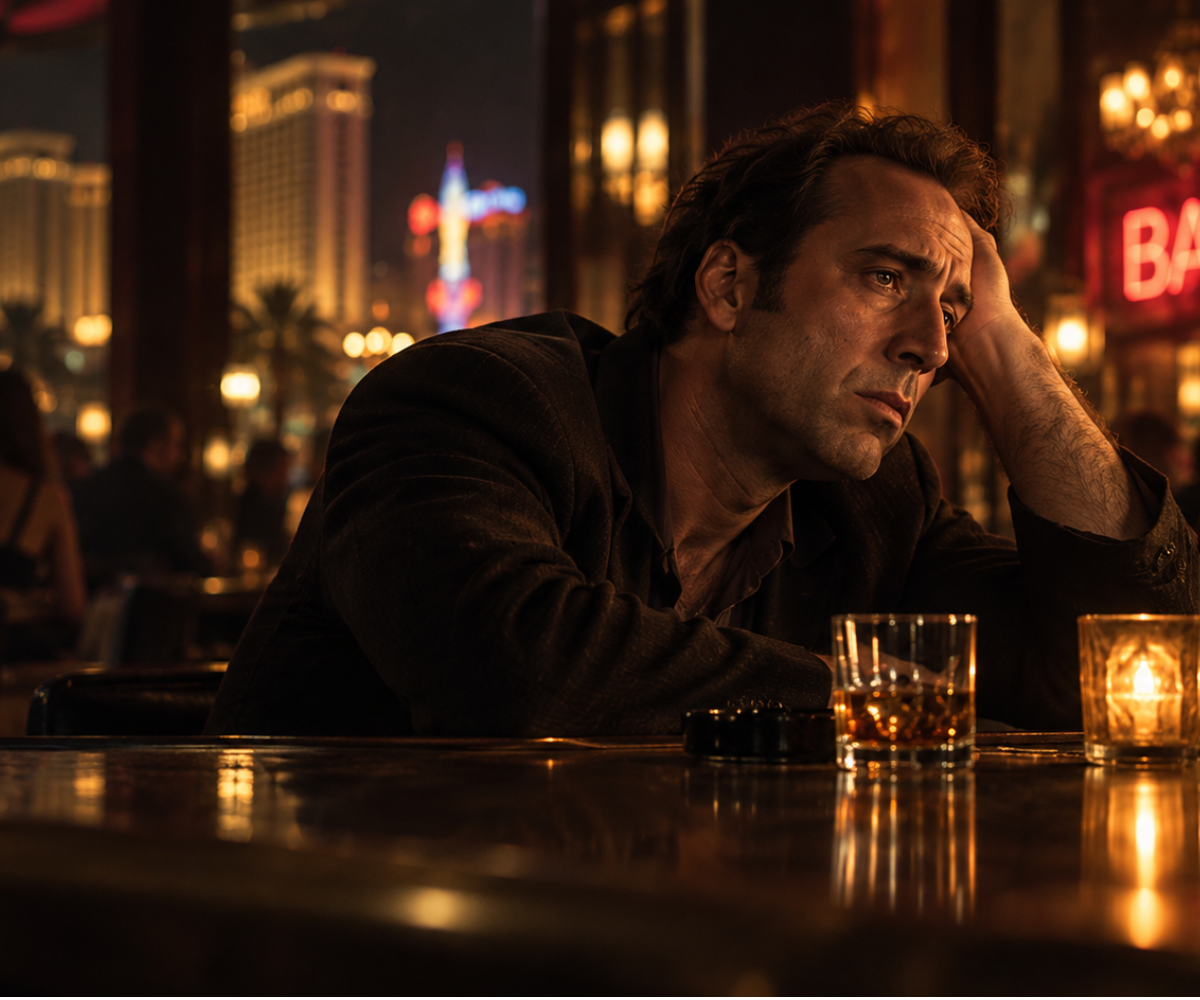
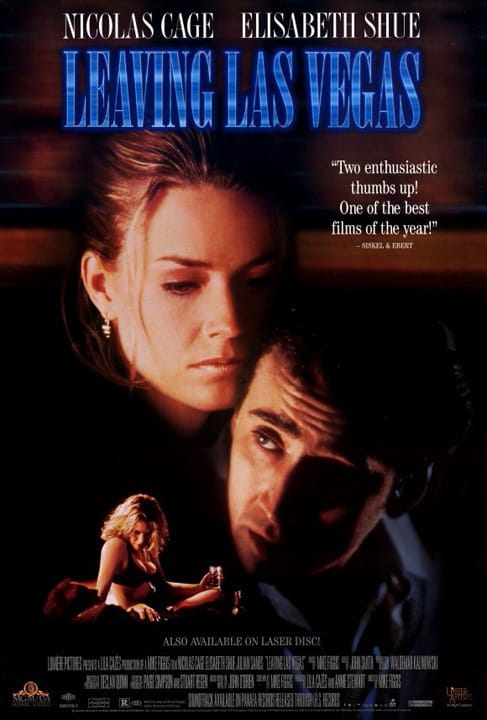
Nicolas Cage plays Ben Sanderson, a screenwriter who has come to Las Vegas to drink himself to death (literally). There he meets Sera, played by Elisabeth Shue. Her life is a mess too, though in a different way, and the two of them form a connection that neither seems to expect.
That sounds like a rough two hours. It is.
Why it works
The movie never pretends that Ben and Sera can fix each other. Ben isn’t suddenly going to stop drinking because he met the right person, and Sera has problems that a new relationship won’t solve either.
What they can do is give each other a little comfort. That may not sound like much, but it’s what makes the movie work.
Cage won the Academy Award for this role, and absolutely deserved it. Most actors are terrible at playing drunk. Cage is brilliant at it. He can be funny and charming one moment, then make you remember exactly where Ben is headed the next.
Shue is just as good. I’m a big fan of Elisabeth Shue and, without her, this could have become two hours of watching Nicolas Cage fall apart.
Should you watch it?
Yes, if you’re up for something heavy. I wouldn’t recommend putting it on after a long day when all you want is to unwind. It’s painful to watch, and it doesn’t let you off easy.
But somehow, I’m also glad I watched it...once.
The ’90s gave us plenty of movies everybody still talks about.
These aren’t those.
None of these are obscure exactly, but they’ve slipped far enough out of the conversation that a lot of people either haven’t seen them in years or never got around to them in the first place.
That should probably change.
1. Breakdown (1997)
Kurt Russell’s wife disappears after their car breaks down in the middle of nowhere.
That’s really all you need.
Breakdown is one of those movies that wastes almost no time getting to the problem and then spends the rest of the movie making that problem worse.
Russell plays an ordinary guy who suddenly has to figure out who took his wife, where she went, and why nobody seems particularly interested in helping him.
If you like tight thrillers that don’t need two and a half hours to make their point, this one is absolutely worth going back to.
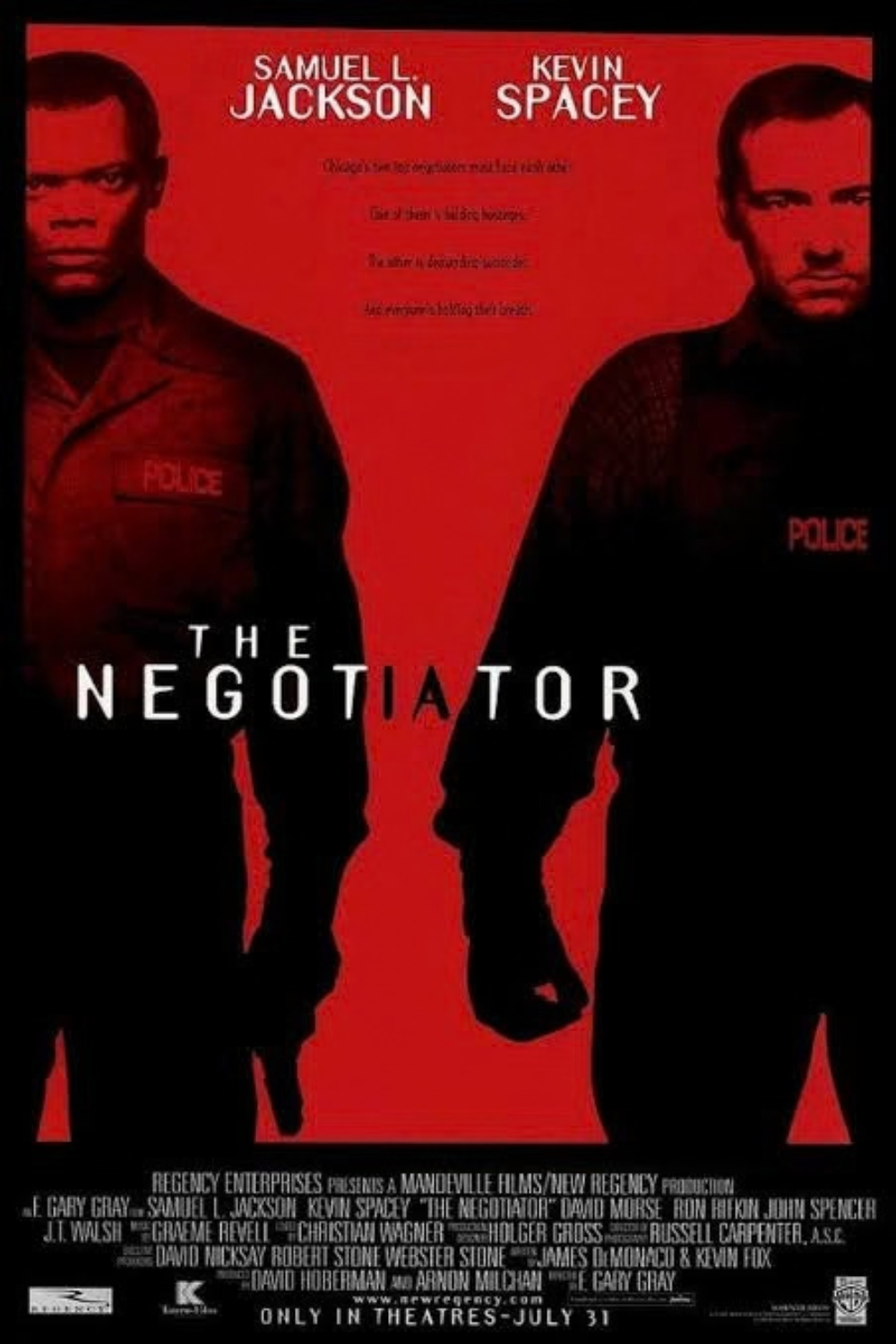
2. The Negotiator (1998)
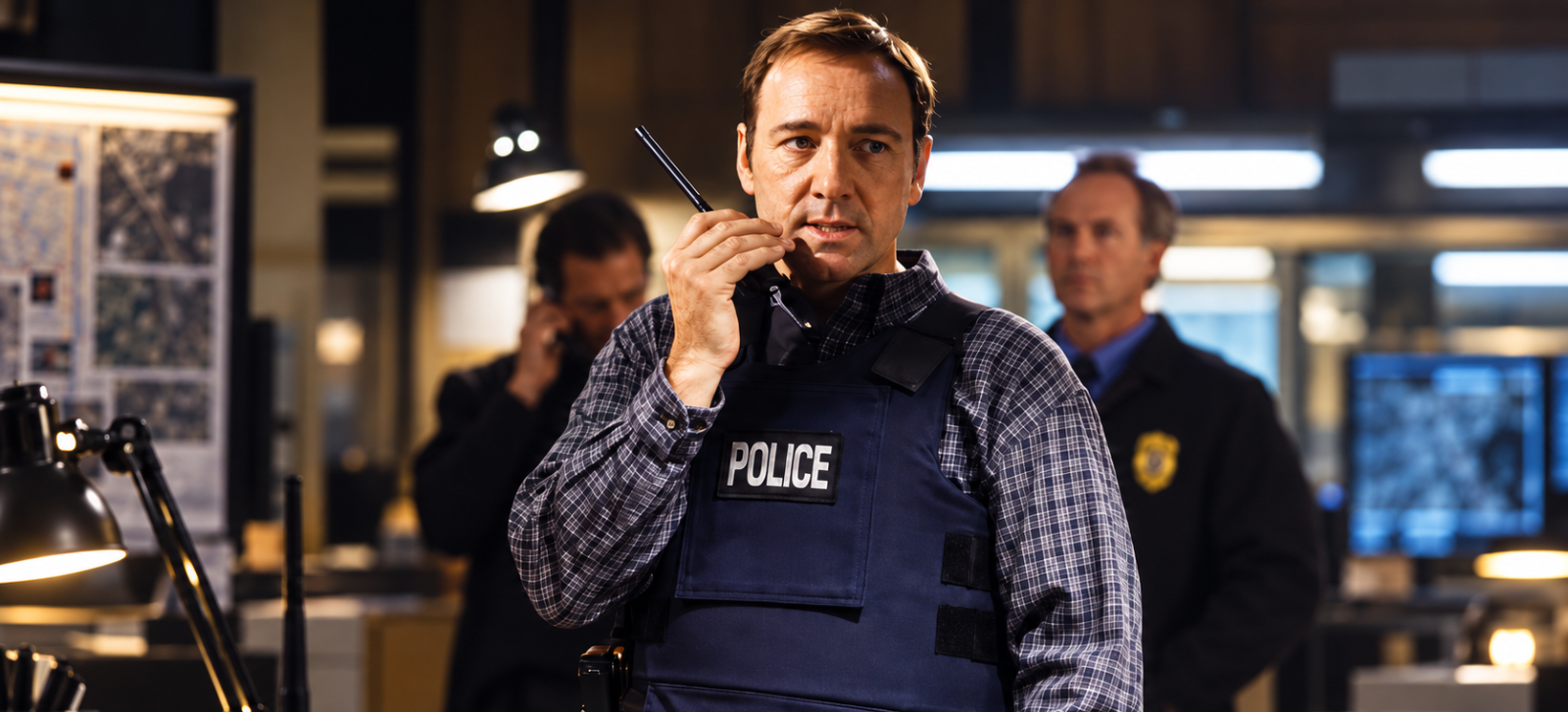
Samuel L. Jackson and Kevin Spacey spend much of The Negotiator trying to outthink each other.
That’s enough to make the movie work.
Jackson plays a police negotiator who is framed for a crime and takes hostages in an attempt to prove what really happened. Spacey plays the negotiator brought in to talk him out.
So now you have one professional negotiator trying to negotiate with another professional negotiator.
Good setup.
The movie gives both actors plenty of room to work, and the back-and-forth between them is much more interesting than another generic police standoff.
It’s smart, tense and very ’90s in the best way.
3. Executive Decision (1996)
There was a stretch in the ’90s when Hollywood was very good at making movies and Kurt Russell seemed to be in half of them.
He’s already shown up once on this list with Breakdown. Here he is again.
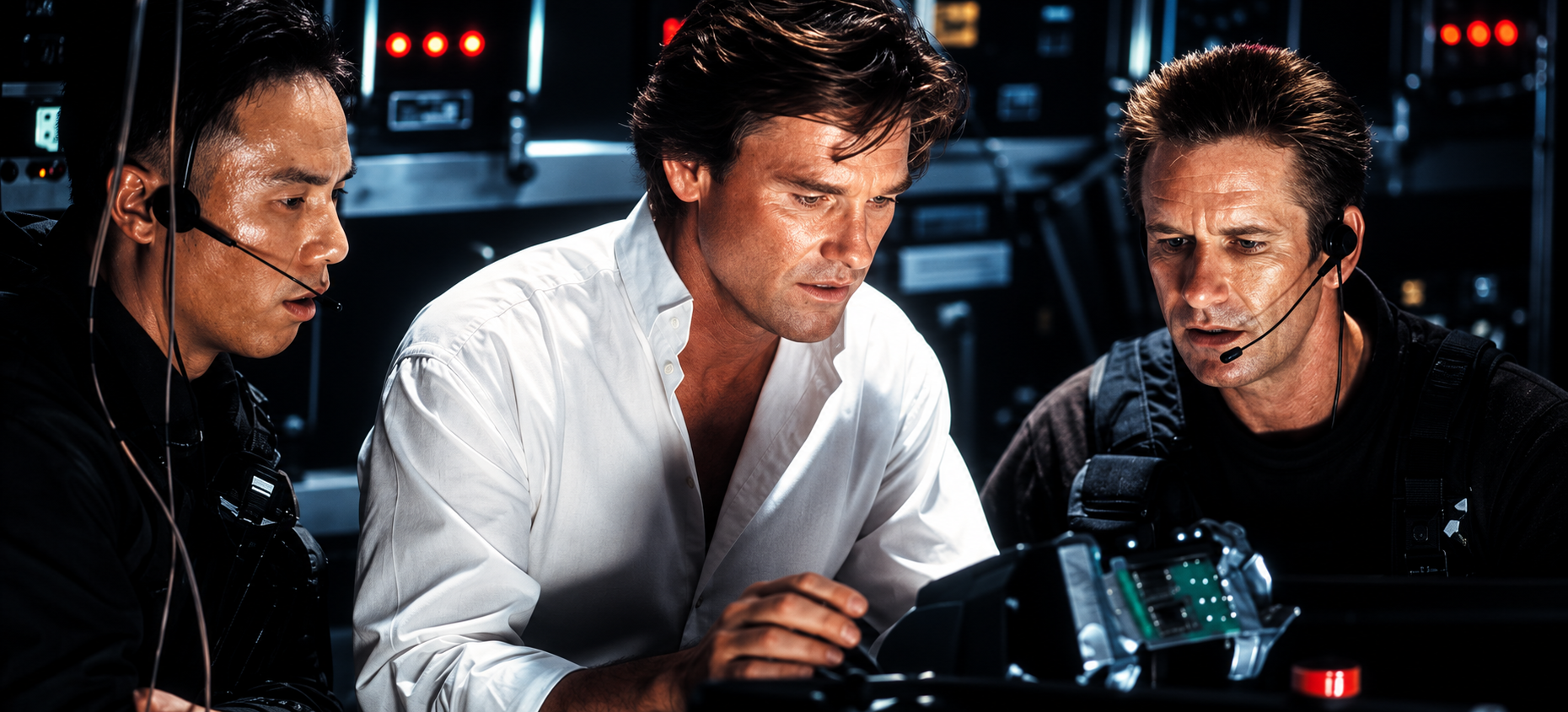
In Executive Decision, Russell leads a team trying to secretly board a hijacked passenger jet in midair before terrorists can use it as a weapon.
Yes, the premise is ridiculous.
And that’s part of the fun.
The movie takes itself seriously enough to create real tension without becoming so serious that you start asking too many questions about how any of this is actually possible.
And it has one of the better early surprises in a ’90s action movie.
If you’ve forgotten this one, it’s worth remembering.
4. October Sky (1999)
This is probably the quietest movie on the list and it may also be the easiest to recommend.
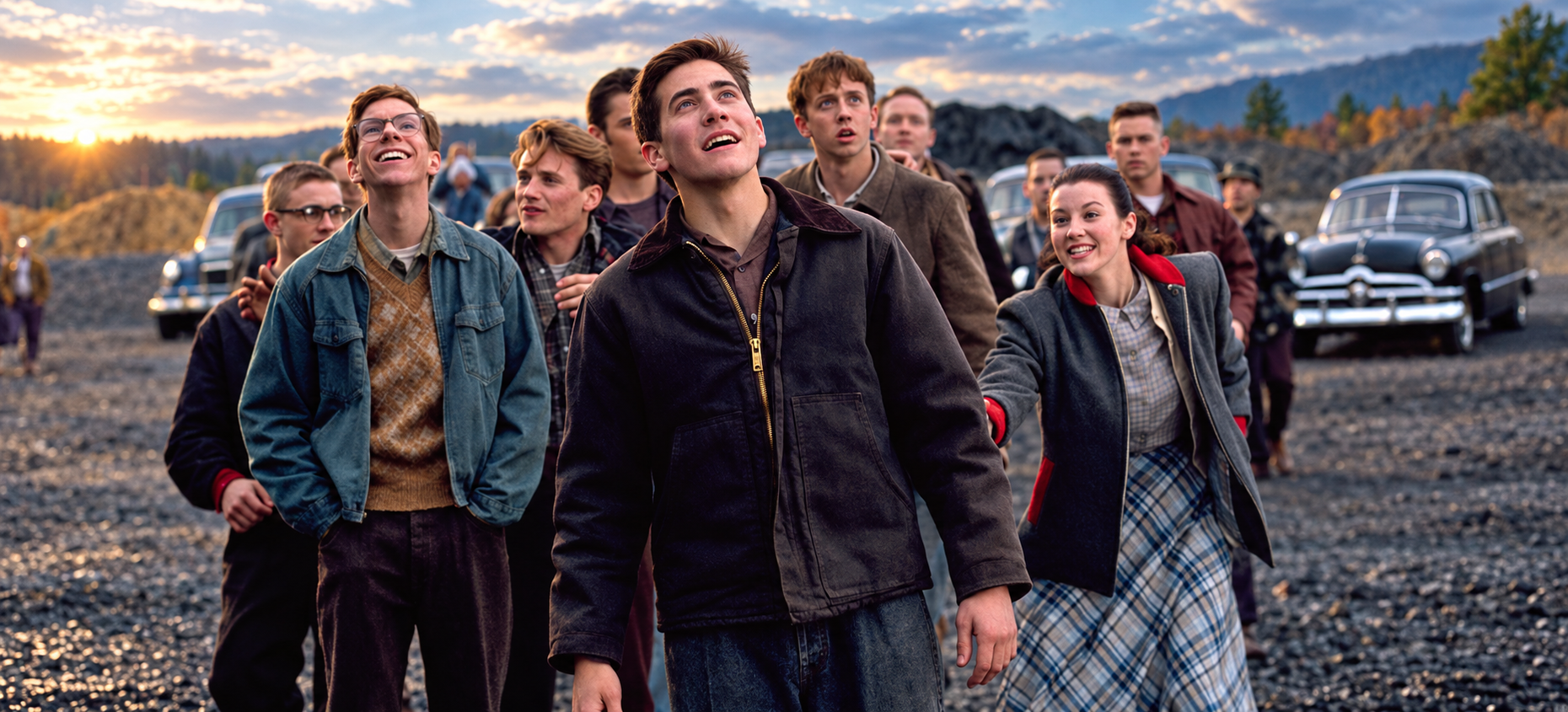
Jake Gyllenhaal plays Homer Hickam, a kid growing up in a West Virginia coal town who becomes obsessed with rockets after seeing Sputnik cross the sky.
His father expects him to work in the mine. Homer has other ideas.
Homer wants to build rockets. He fails. A lot. Rockets explode. People doubt him. He keeps going.
That’s the movie.
Chris Cooper is excellent as his father, and the relationship between the two gives the movie most of its weight.
It’s sincere without becoming syrupy.
5. A River Runs Through It (1992)
A River Runs Through It is a movie about family, Montana, fly fishing and the fact that loving somebody doesn’t necessarily mean you can save them.
Brad Pitt and Craig Sheffer play brothers who grow up under a strict but loving father, played by Tom Skerritt.
One brother is steady.
The other is not.
You can probably guess which one Pitt plays.
This is a slower movie than the others on the list, but that’s exactly what it should be. The scenery is beautiful, the performances are strong, and the story has the kind of sadness that sneaks up on you instead of announcing itself.
It’s the sort of movie people remember liking but don’t necessarily think about watching again.
They should.
These five didn’t disappear.
They just got buried under thirty years of newer movies.
That’s fixable.
💡
One of the best sports movies almost nobody talks about.
Mystery, Alaska is one of the best sports movies nobody talks about.
Russell Crowe plays John Biebe, one of the best hockey players in Mystery, Alaska—a tiny town where the weekly Saturday Game is basically the center of civic life.
Then somebody gets the bright idea to bring the New York Rangers to Mystery for an exhibition game on the town’s frozen pond.
Yes, that’s the premise.
Ridiculous? Sure. But it works—and not in a goofball comedy way.
The movie has hockey, but it’s really about the town and the people in it. Burt Reynolds, Hank Azaria and a deep supporting cast give Mystery enough personality that the game actually matters by the time everyone finally takes the ice.
The whole setup is preposterous.
I don’t care.
Ben’s Movie Guide Rating
Skip
Not worth your time.
Watch If Free
Watch when there’s no extra cost.
Worth Paying For
Worth the rental or ticket price.
Must Watch
Make time for this one.
Trailer
MORE FROM BEN
More from Ben on
Mystery, Alaska has almost everything you want from a sports movie.
An underdog team. A tiny town with an outsized sense of pride. Personal grudges. Family problems. A big game nobody expects them to win.
It’s all there.
Oh yeah, and hockey.
The premise is wonderfully simple: the amateur hockey players of Mystery, Alaska suddenly get the chance to play an exhibition game against the New York Rangers.
On their own ice.
It sounds ridiculous, but the movie takes the idea seriously enough that you don’t even think about it.
Pre-Gladiator Russell Crowe leads a strong ensemble cast, with Burt Reynolds, Hank Azaria and Mary McCormack giving the town enough personality that the movie feels bigger than the game itself.
The hockey matters, but Mystery, Alaska is really about a community being handed one improbable moment.
It’s funny without being a comedy, a little sentimental, and not entirely predictable.
It’s not for everyone, but if you love hockey, Russell Crowe, Burt Reynolds or sports movies in general... this one is for you.
I don’t generally like serial-killer movies. I just don’t usually enjoy spending two hours inside that particular kind of story.
Switchback is different. It doesn’t feel like a typical serial-killer movie.
It feels more like a thriller that happens to have a serial killer in it.
And that is a big part of why I like it.
Dennis Quaid plays Frank LaCrosse, an FBI agent whose pursuit of the killer has become deeply personal. His investigation takes him through small towns and cold, isolated stretches of the American West.
Meanwhile, Danny Glover plays Bob Goodall, a railroad worker who crosses paths with a young drifter played by Jared Leto.
Goodall is friendly, talkative, funny, and yet slightly odd. Glover plays him with exactly the kind of warmth that makes you want to trust him — while giving you just enough reason not to.
The movie spends a lot of time on highways, trains, diners, snowy landscapes, and remote towns. That setting matters.
Instead of constantly rushing from murder to clue to confrontation, the movie has room to breathe. Characters talk. Relationships develop.
You are watching these people move toward each other without always knowing exactly what is going to happen when they finally collide.
That makes Switchback feel much more human than most movies in this genre.
Danny Glover is excellent. Dennis Quaid gives the movie weight. The locations are terrific. And the suspense builds gradually instead of being manufactured every five minutes.
There are dozens of better-known serial-killer movies from the 1990s.
I usually avoid serial-killer movies. Switchback is the exception — a tense, atmospheric ’90s thriller with a great Danny Glover performance and far more personality than most movies in the genre.
Michael Keaton has had one of the strangest and most interesting careers in Hollywood.
He was Batman before superhero movies became a factory. He was Beetlejuice. He disappeared for stretches, came back, and eventually reminded everyone just how good he was.
Keaton plays Bob Jones, a successful man who learns he has terminal cancer just as his wife is expecting their first child. Knowing he may never get the chance to know his son, he begins recording videos so the child can someday know who his father was.
That premise could have become manipulative very quickly.
It didn’t.
Instead, My Life works because Keaton keeps Bob incredibly human. He is scared, angry, funny, stubborn, and not always especially graceful about what is happening to him.
Bob starts looking backward at his family, his choices, the things he has avoided, and the people he has kept at a distance. The recordings begin as a practical project for his unborn son, but they become something more — an attempt to make sense of his own life while there is still time.
And when the movie finally lands emotionally, it does so because you have spent enough time with Bob to feel what he is losing.
My Life is not subtle. It wants something from you. It is designed to hurt.
But it earns that emotion.
For all the larger and more famous movies in Keaton’s career, this may be the one that shows the most of what he can do as an actor.
Somehow, it’s both a great movie and hard to watch.
Leaving Las Vegas is not the kind of movie you throw on because you want to relax.
It is bleak, uncomfortable, emotionally exhausting, and populated by two people whose lives are already badly damaged when they find each other.
And somehow, it is also tender.
Nicolas Cage plays Ben Sanderson, a screenwriter who has come to Las Vegas to drink himself to death (literally). There he meets Sera, played by Elisabeth Shue. Her life is a mess too, though in a different way, and the two of them form a connection that neither seems to expect.
That sounds like a rough two hours. It is.
Why it works
The movie never pretends that Ben and Sera can fix each other. Ben isn’t suddenly going to stop drinking because he met the right person, and Sera has problems that a new relationship won’t solve either.
What they can do is give each other a little comfort. That may not sound like much, but it’s what makes the movie work.
Cage won the Academy Award for this role, and absolutely deserved it. Most actors are terrible at playing drunk. Cage is brilliant at it. He can be funny and charming one moment, then make you remember exactly where Ben is headed the next.
Shue is just as good. I’m a big fan of Elisabeth Shue and, without her, this could have become two hours of watching Nicolas Cage fall apart.
Should you watch it?
Yes, if you’re up for something heavy. I wouldn’t recommend putting it on after a long day when all you want is to unwind. It’s painful to watch, and it doesn’t let you off easy.
The ’90s gave us plenty of movies everybody still talks about.
These aren’t those.
None of these are obscure exactly, but they’ve slipped far enough out of the conversation that a lot of people either haven’t seen them in years or never got around to them in the first place.
That should probably change.
1. Breakdown (1997)
Kurt Russell’s wife disappears after their car breaks down in the middle of nowhere.
That’s really all you need.
Breakdown is one of those movies that wastes almost no time getting to the problem and then spends the rest of the movie making that problem worse.
Russell plays an ordinary guy who suddenly has to figure out who took his wife, where she went, and why nobody seems particularly interested in helping him.
If you like tight thrillers that don’t need two and a half hours to make their point, this one is absolutely worth going back to.
2. The Negotiator (1998)
Samuel L. Jackson and Kevin Spacey spend much of The Negotiator trying to outthink each other.
That’s enough to make the movie work.
Jackson plays a police negotiator who is framed for a crime and takes hostages in an attempt to prove what really happened. Spacey plays the negotiator brought in to talk him out.
So now you have one professional negotiator trying to negotiate with another professional negotiator.
Good setup.
The movie gives both actors plenty of room to work, and the back-and-forth between them is much more interesting than another generic police standoff.
It’s smart, tense and very ’90s in the best way.
3. Executive Decision (1996)
There was a stretch in the ’90s when Hollywood was very good at making movies and Kurt Russell seemed to be in half of them.
He’s already shown up once on this list with Breakdown. Here he is again.
In Executive Decision, Russell leads a team trying to secretly board a hijacked passenger jet in midair before terrorists can use it as a weapon.
Yes, the premise is ridiculous.
And that’s part of the fun.
The movie takes itself seriously enough to create real tension without becoming so serious that you start asking too many questions about how any of this is actually possible.
And it has one of the better early surprises in a ’90s action movie.
If you’ve forgotten this one, it’s worth remembering.
4. October Sky (1999)
This is probably the quietest movie on the list and it may also be the easiest to recommend.
Jake Gyllenhaal plays Homer Hickam, a kid growing up in a West Virginia coal town who becomes obsessed with rockets after seeing Sputnik cross the sky.
His father expects him to work in the mine. Homer has other ideas.
Homer wants to build rockets. He fails. A lot. Rockets explode. People doubt him. He keeps going.
That’s the movie.
Chris Cooper is excellent as his father, and the relationship between the two gives the movie most of its weight.
It’s sincere without becoming syrupy.
5. A River Runs Through It (1992)
A River Runs Through It is a movie about family, Montana, fly fishing and the fact that loving somebody doesn’t necessarily mean you can save them.
Brad Pitt and Craig Sheffer play brothers who grow up under a strict but loving father, played by Tom Skerritt.
One brother is steady.
The other is not.
You can probably guess which one Pitt plays.
This is a slower movie than the others on the list, but that’s exactly what it should be. The scenery is beautiful, the performances are strong, and the story has the kind of sadness that sneaks up on you instead of announcing itself.
It’s the sort of movie people remember liking but don’t necessarily think about watching again.
They should.
These five didn’t disappear.
They just got buried under thirty years of newer movies.
Rhea Seehorn stars as one of the few people seemingly unaffected by whatever has transformed humanity into something very different. Everyone else seems perfectly content with the new arrangement.
Carol is not particularly interested in joining them.
Created by Breaking Bad and Better Call Saul creator Vince Gilligan, Pluribus starts with a bizarre premise and then gets considerably stranger from there. The show plays with science fiction, mystery and dark humor without being in much of a hurry to explain exactly what’s going on.
And that works.
This is one of those shows where knowing less is probably better. The setup is enough. The fun is in watching Carol try to figure out what kind of world she’s actually living in.
💡
Weird, patient and completely confident in its premise. Give it a few episodes — it’s worth sticking with.
Rhea Seehorn stars in Vince Gilligan’s strange sci-fi series about one woman who may be humanity’s last holdout against a very different world.
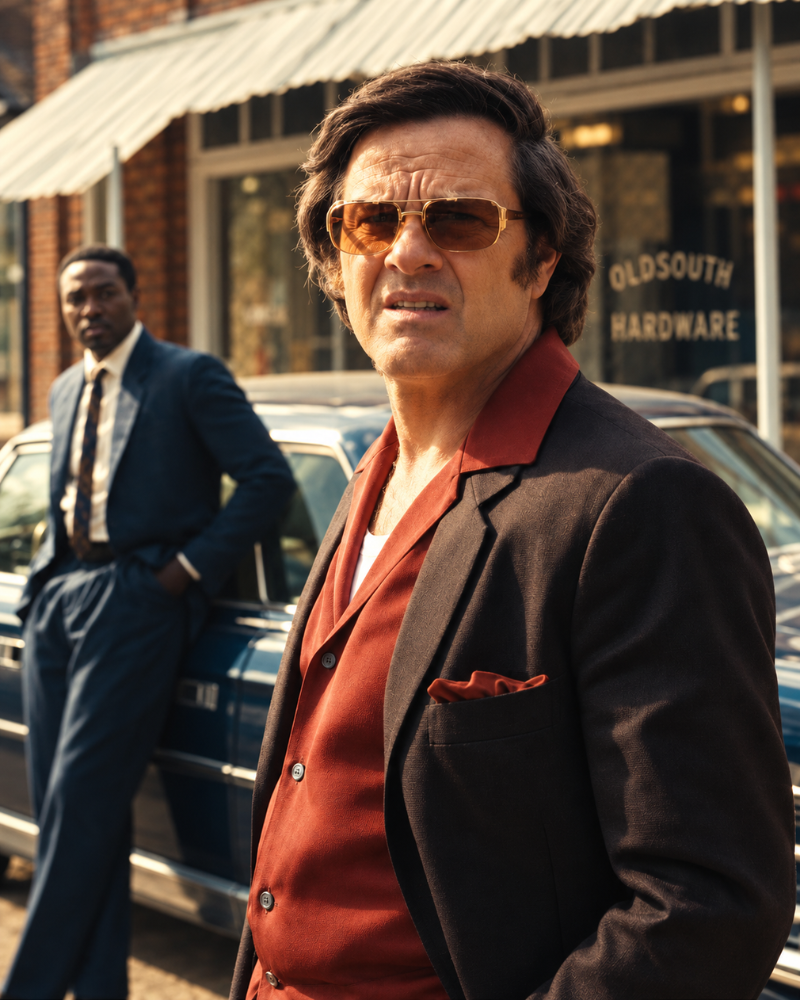
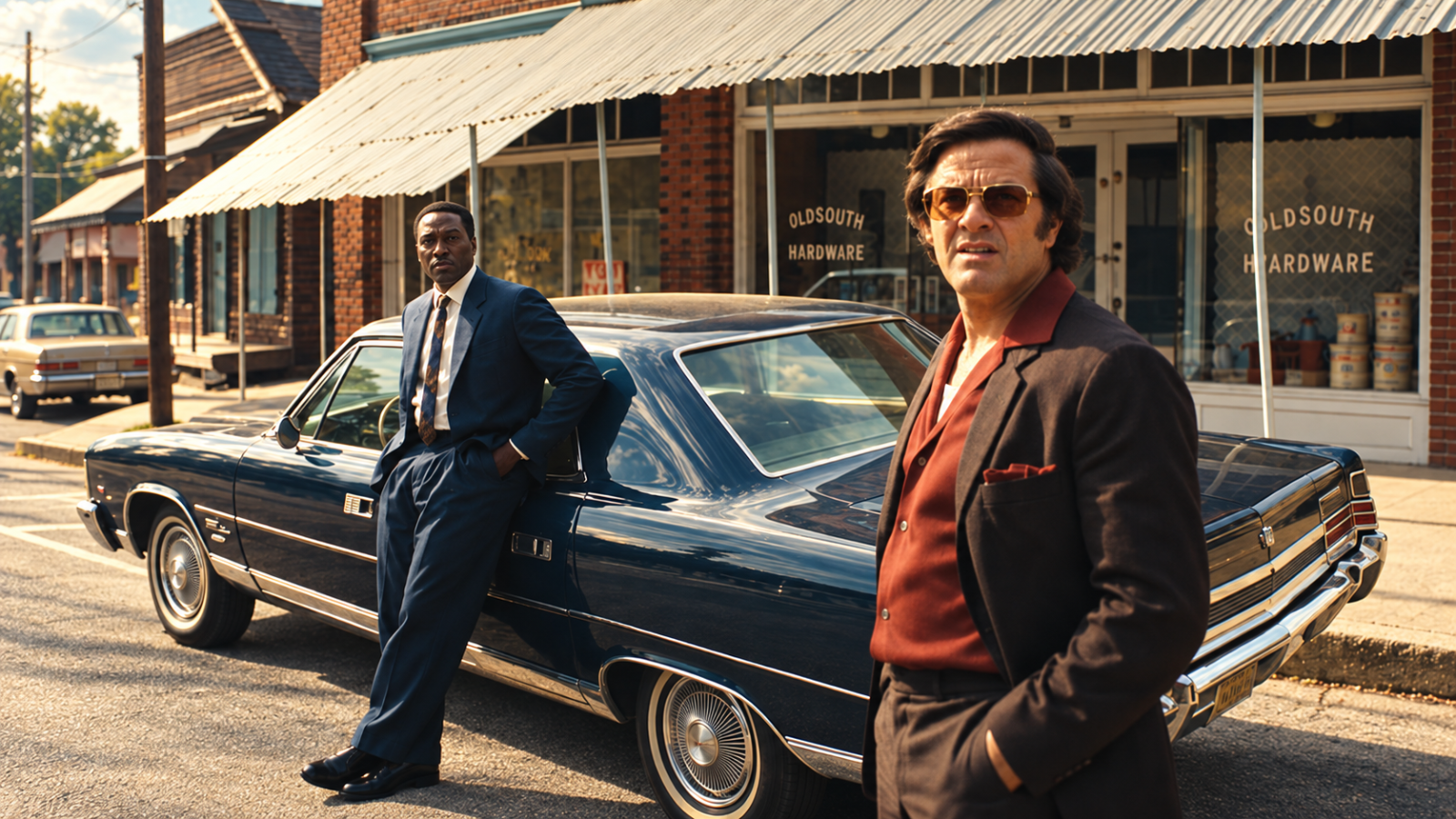
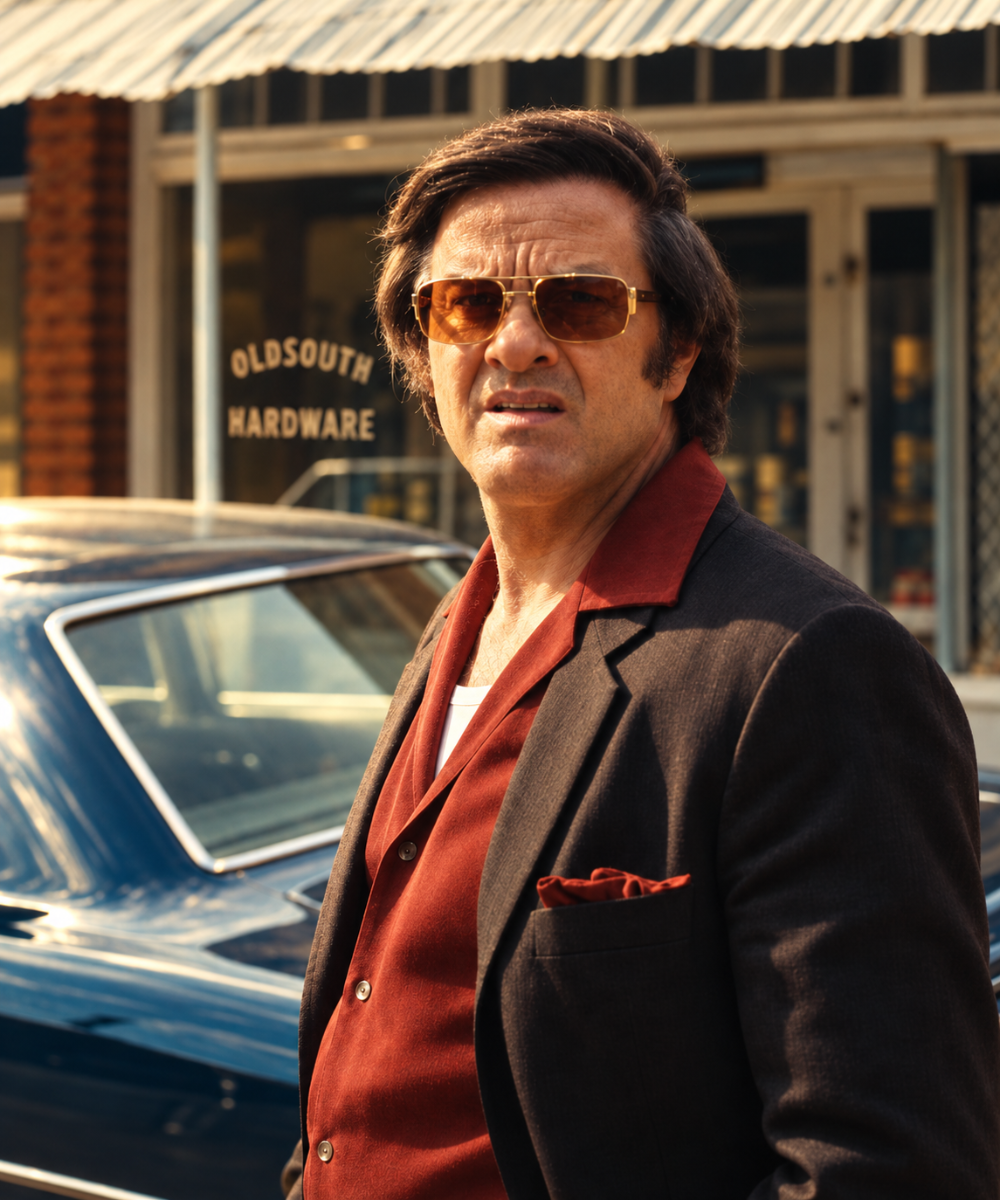
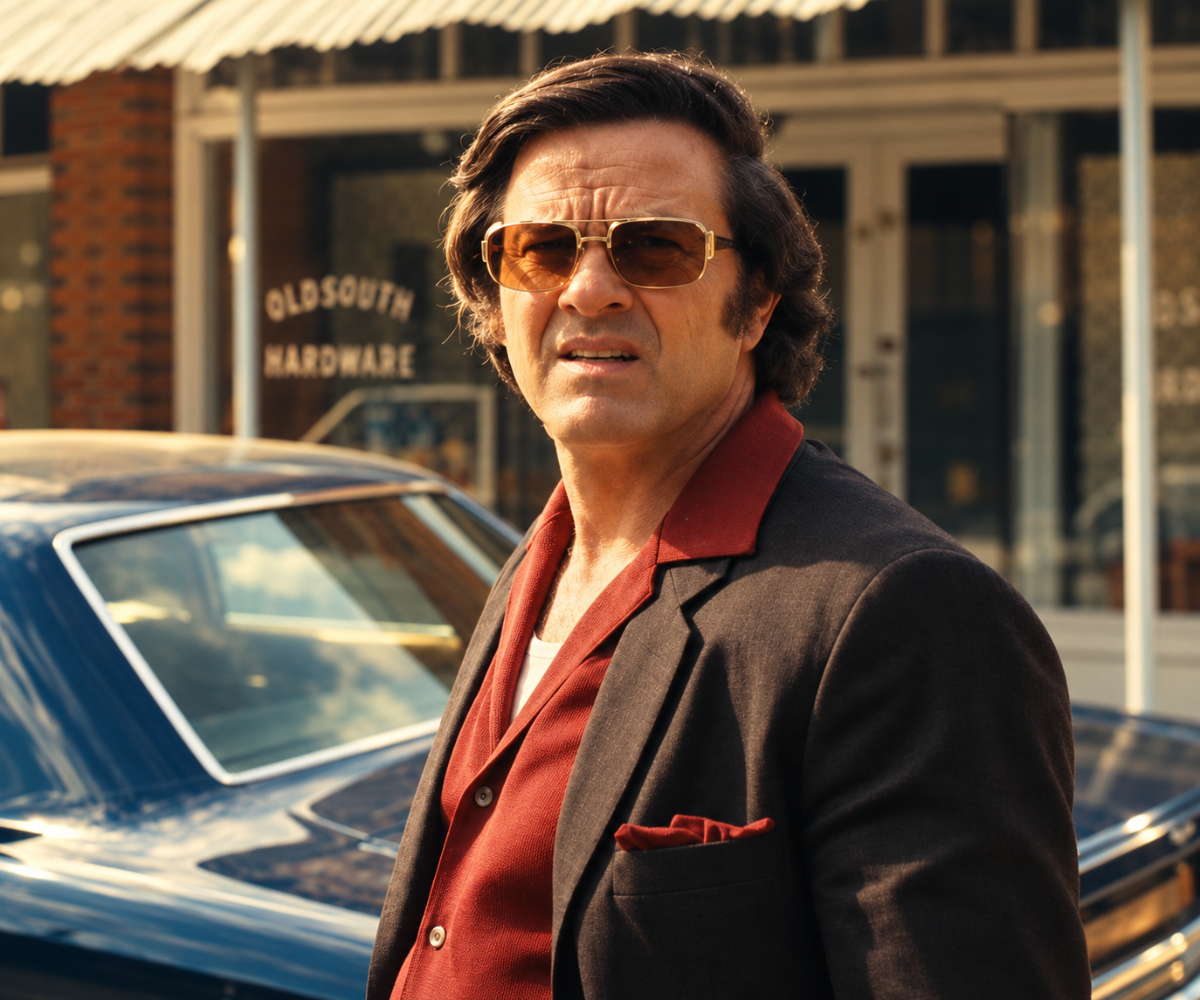
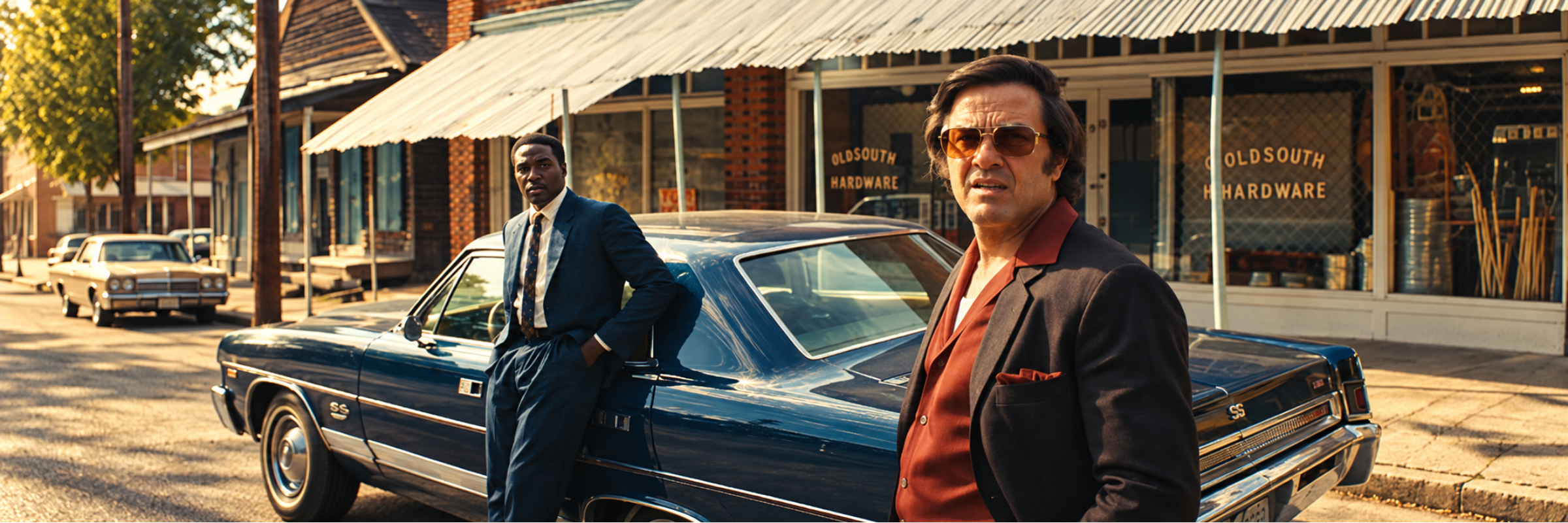
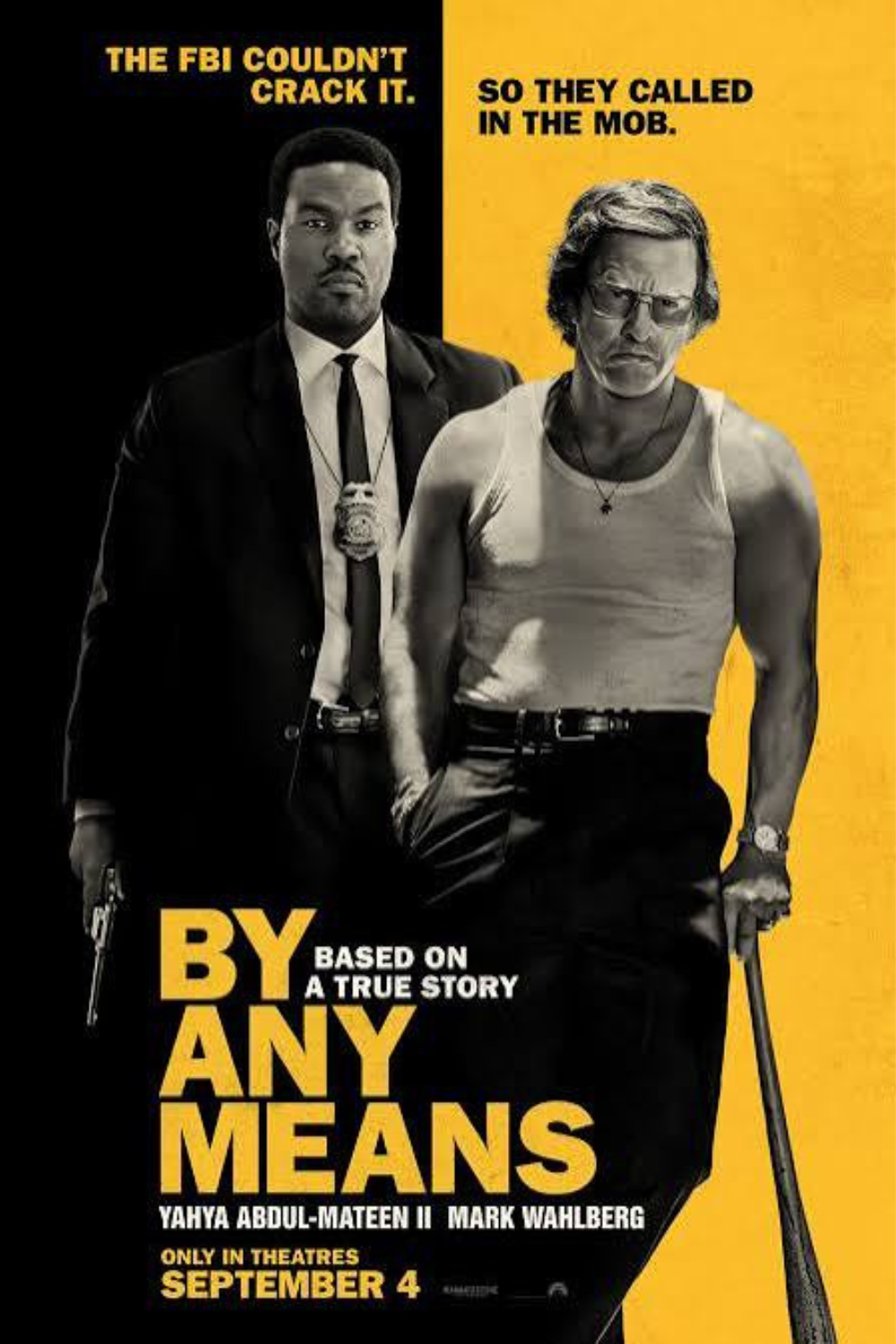
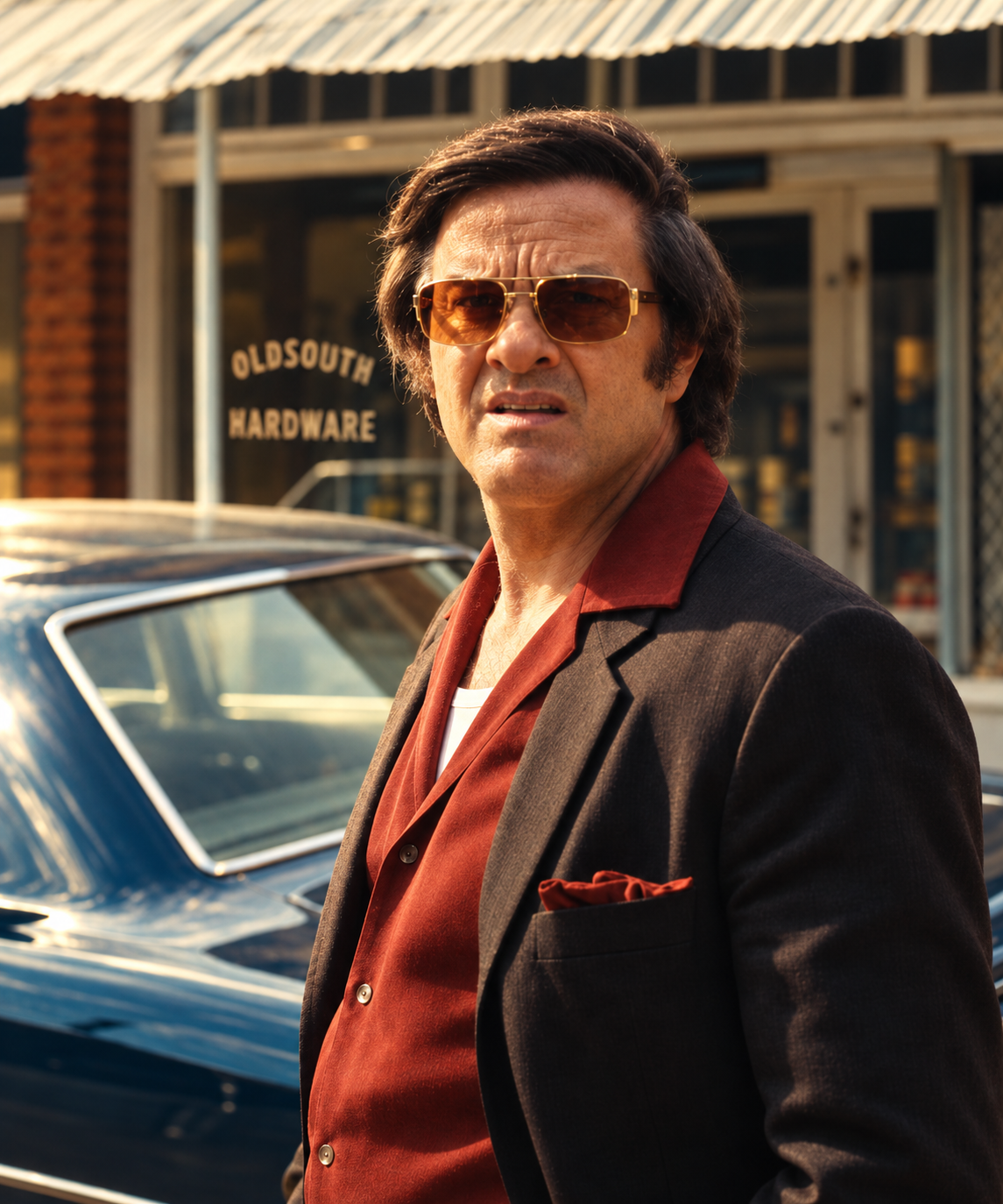
By Any Means pairs Mark Wahlberg with Yahya Abdul-Mateen II in a crime thriller inspired by true events and set against the backdrop of 1960s Mississippi. Abdul-Mateen plays a young FBI agent investigating the murders of civil rights leaders, while Wahlberg plays mob hitman Greg Scarpa, which is about as strange a partnership as it sounds.
That contrast is a big part of what makes the movie work. Abdul-Mateen brings a steadier presence, while Wahlberg gets to do what Wahlberg does best: bring some edge, attitude and momentum to the story.
The movie deals with serious material, but it never feels overly heavy or bogged down. It keeps moving, gives both leads plenty to do and stays accessible even with the historical setting.
I was probably an easy sell with Wahlberg involved, but By Any Means ended up being more than just a vehicle for him. The pairing works, the story has enough tension, and it’s the kind of solid thriller that’s easy to recommend.
💡
Inspired by true events, By Any Means finds tension in an unlikely partnership and a dark chapter of American history.
Inspired by true events, By Any Means pairs Mark Wahlberg and Yahya Abdul-Mateen II in a story rooted in racism, violence and an unlikely alliance in 1960s Mississippi.
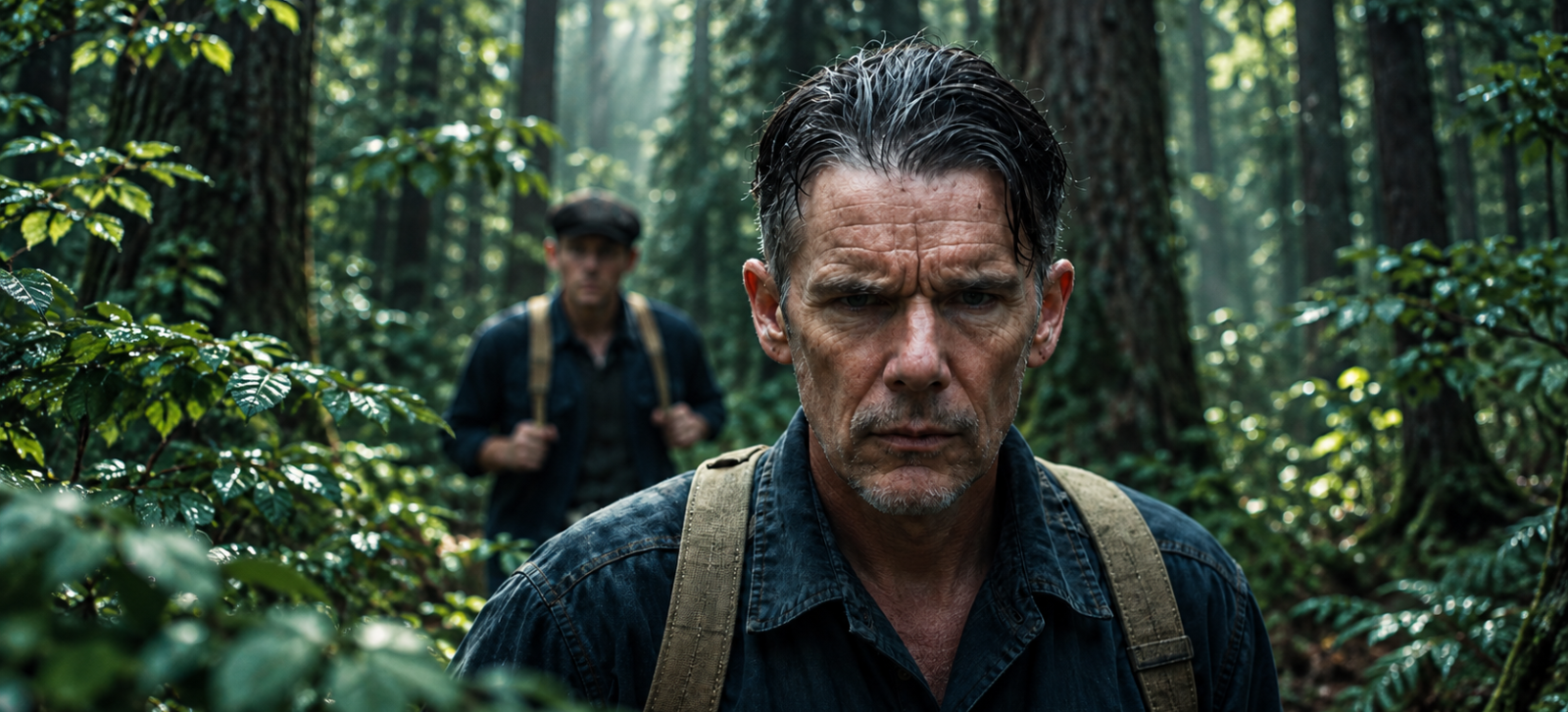
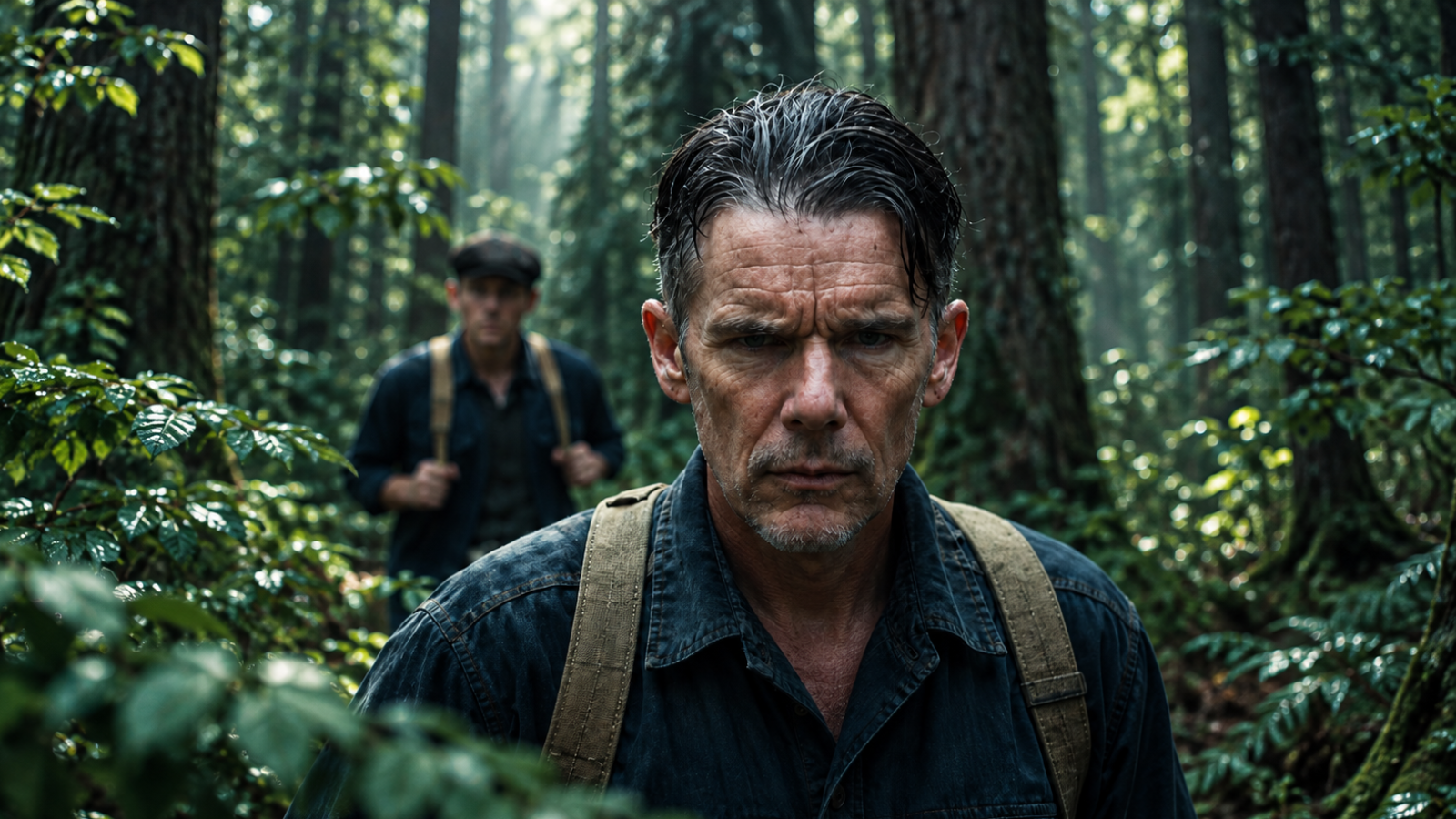
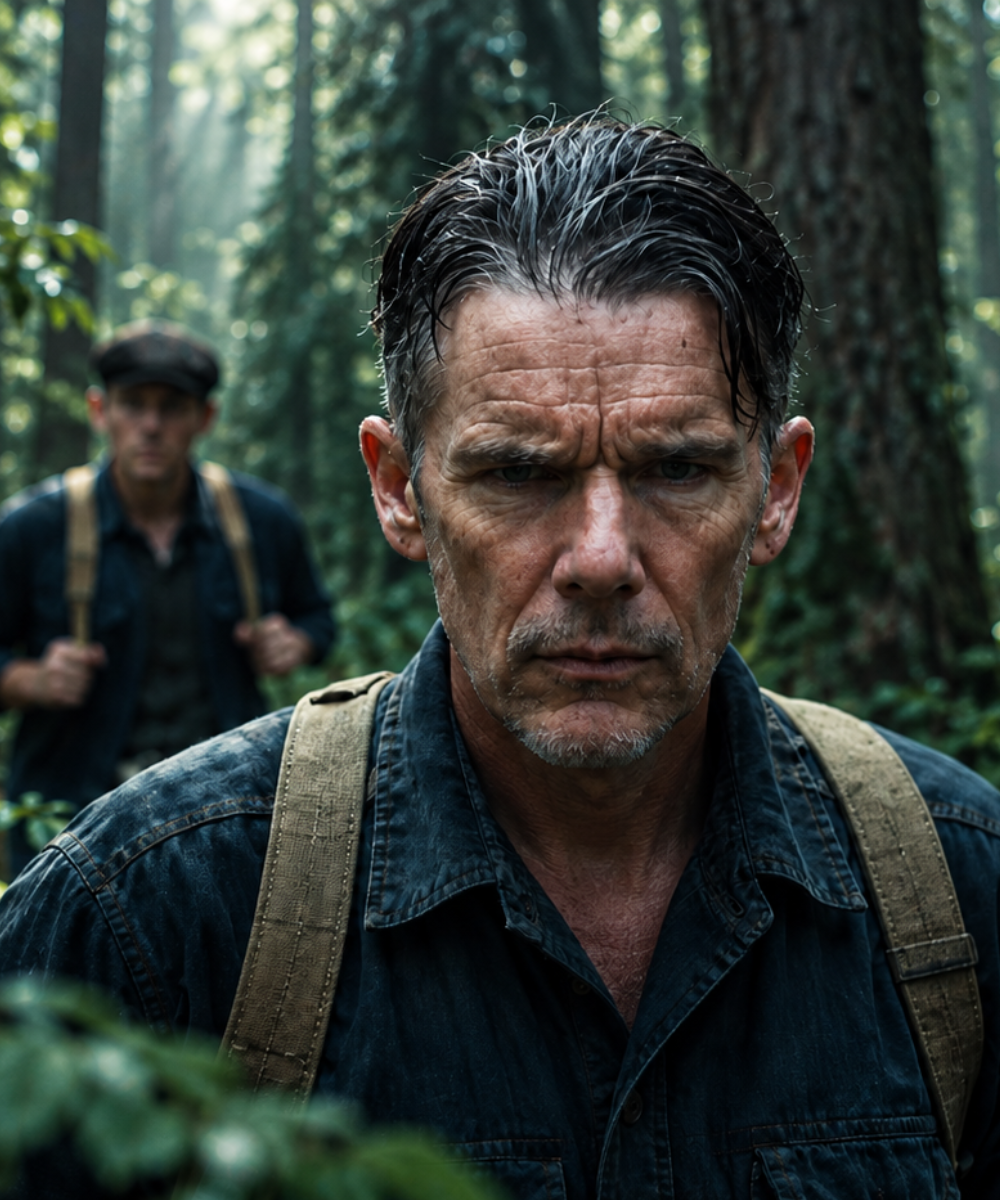
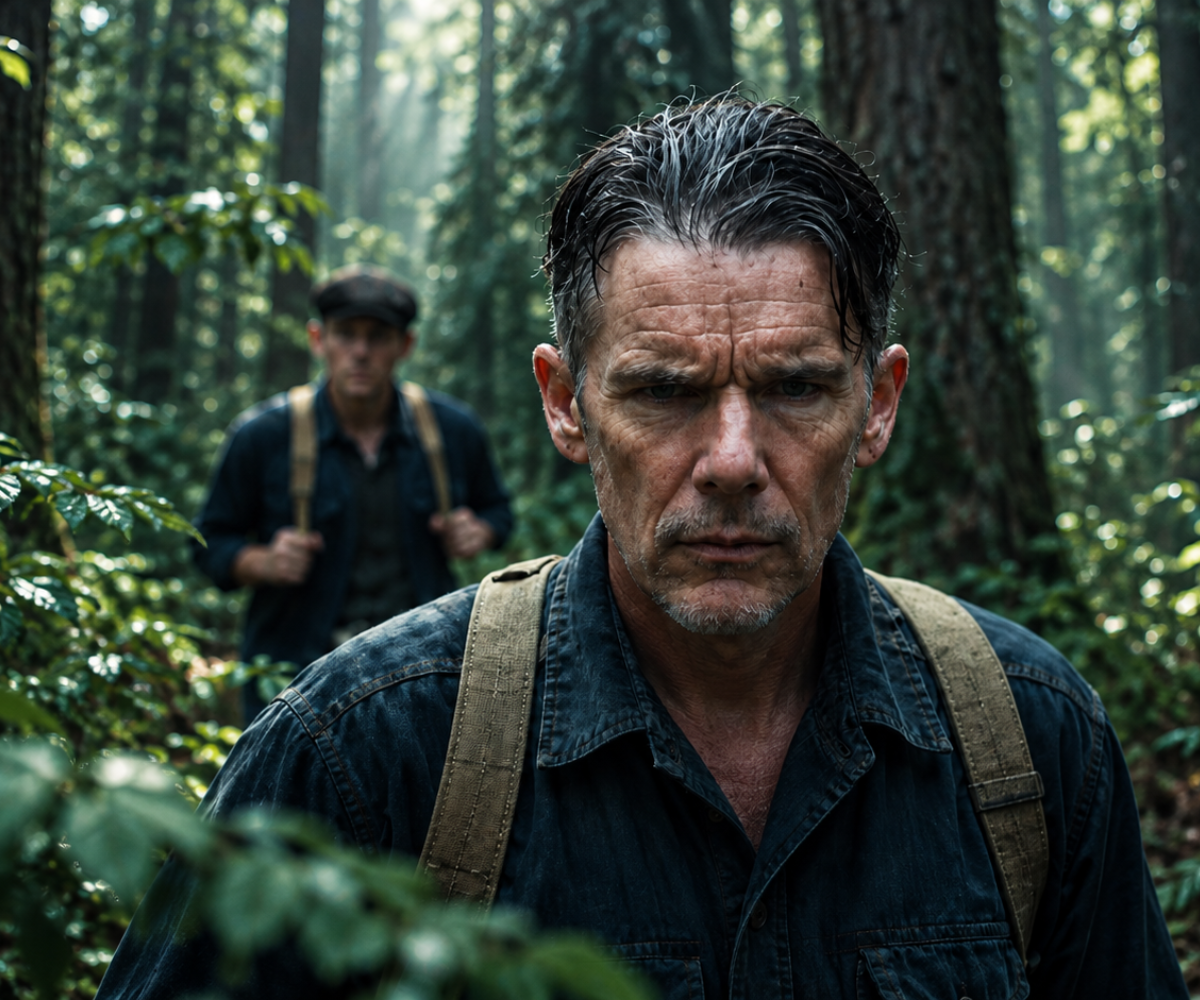
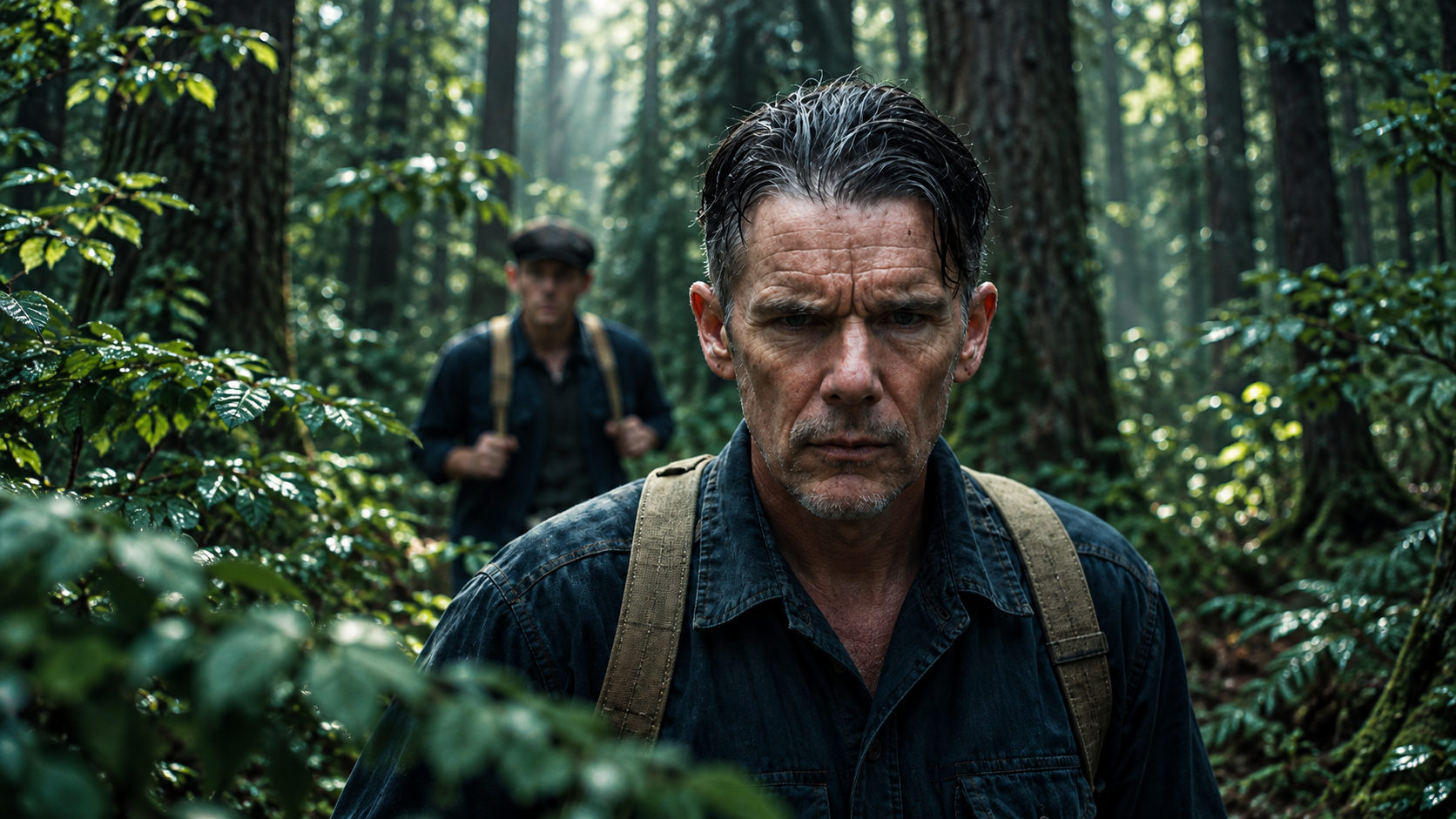
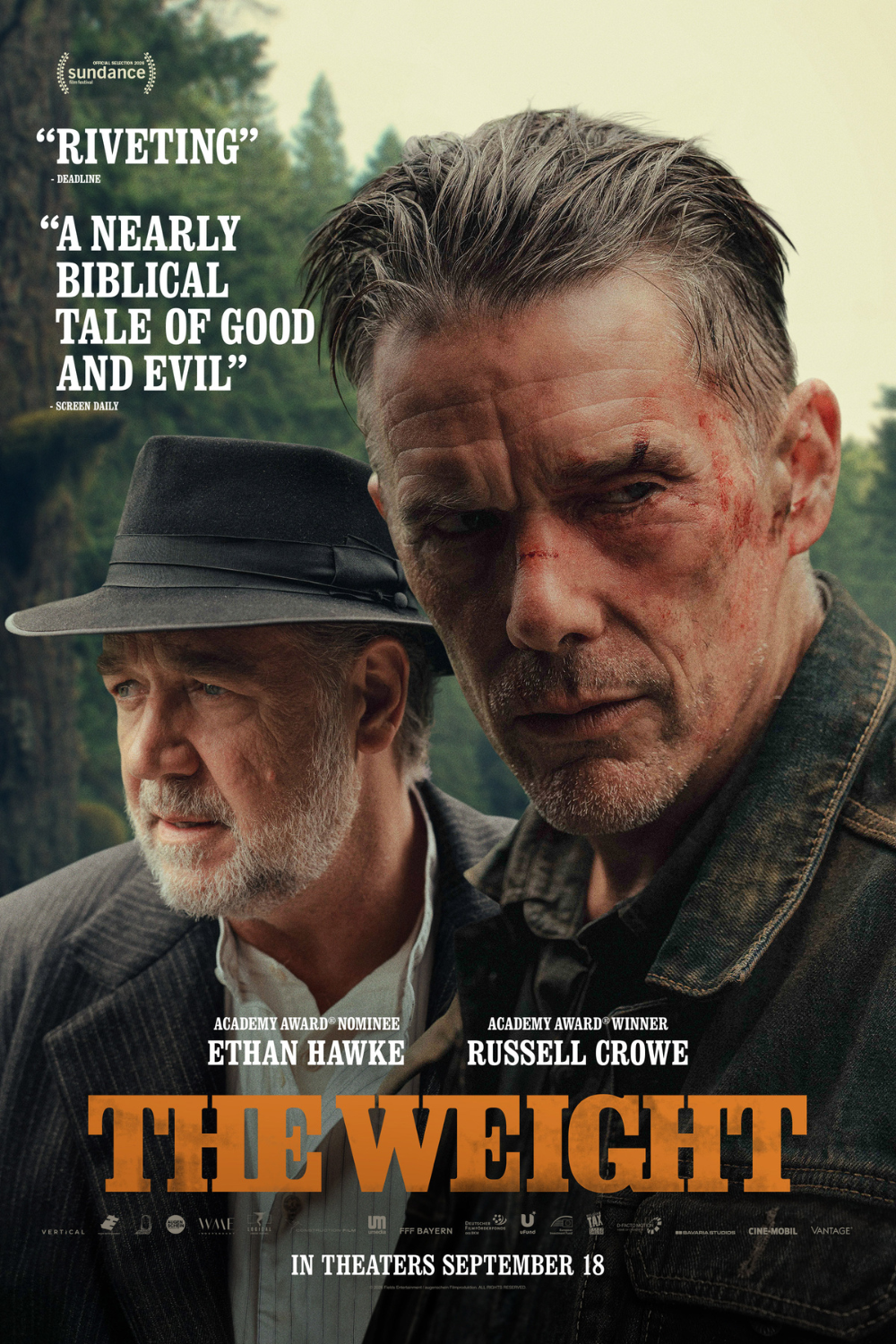
A father, Ethan Hawke, gets sent to a brutal work camp in 1933 Oregon and is given a chance to shorten his sentence and reunite with his daughter by helping move a load of gold through the wilderness.
That’s The Weight.
It’s a pretty good setup.
Naturally, it gets complicated.
The Weight is part prison movie, part survival story, part heist movie, and it works best when it keeps things simple: desperate men, dangerous terrain, and a lot of reasons not to trust the person walking next to you.
Russell Crowe plays the warden behind the deal, but plays a relatively small role in the movie. Hawke is good, as always, but it’s really the setting and the sound design that give the movie most of its tension.
I liked it.
I’m just not sure I’d tell you to pay to see it.
💡
A tense, well-acted survival thriller that's worth the trip—especially if it's already included.
Ethan Hawke leads a Depression-era survival thriller about a desperate father, a brutal work camp, and a dangerous load of gold.
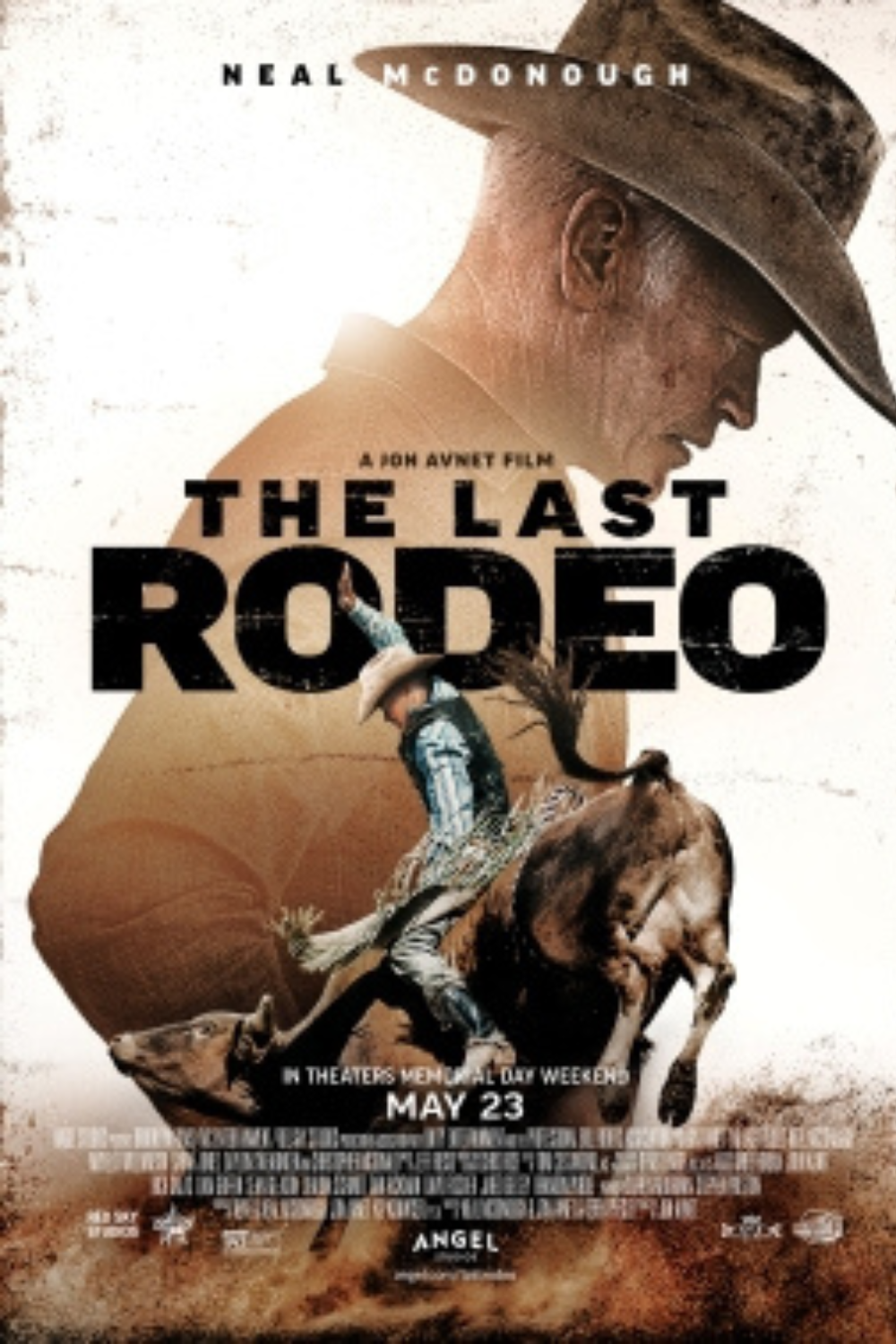
Neal McDonough plays Joe Wainright, a retired rodeo star who has no business getting back on a bull.
Which, of course, is exactly what he does.
Joe’s grandson needs help, and the quickest way to get it means returning to the sport he walked away from years ago. It’s a familiar setup, but that’s not really a problem here.
McDonough is the reason it works. He has spent years playing intense, dangerous, unpleasant guys, so seeing him carry a movie like this is a nice change. He fits the part almost suspiciously well.
This is not a complicated movie. Far from it.
But it knows exactly what it is.
An aging athlete gets one more shot.
The body says no.
The family says please don’t.
But sometimes you do what you have to do—even if what you have to do is get back on a bull.
A bull you have absolutely no business being on.
💡
A familiar comeback story that works because McDonough makes you believe he has to do it.
Neal McDonough plays a retired rodeo star who gets back on a bull for one very good reason: family.
The last thing Normal is is normal. Not sure that’s proper English, but let’s go with it.
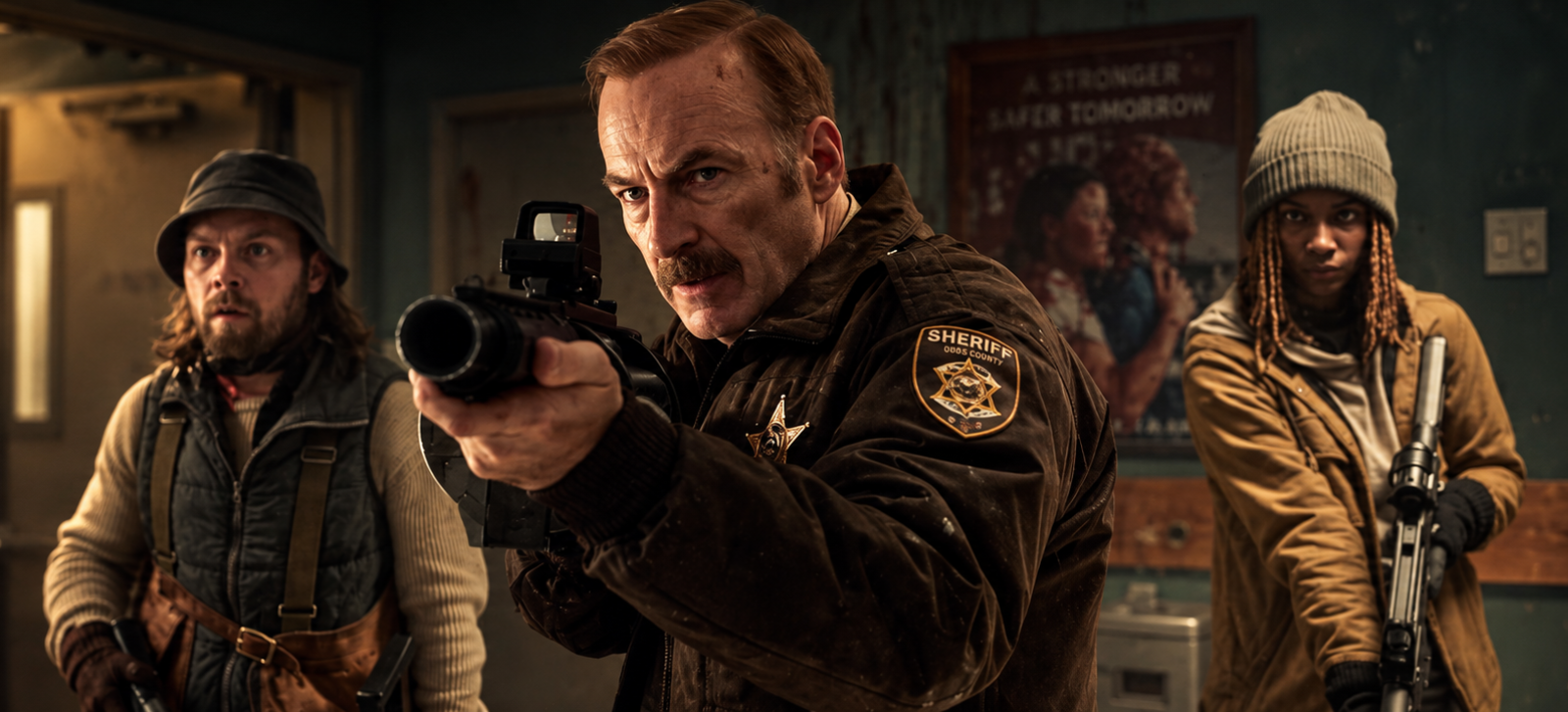
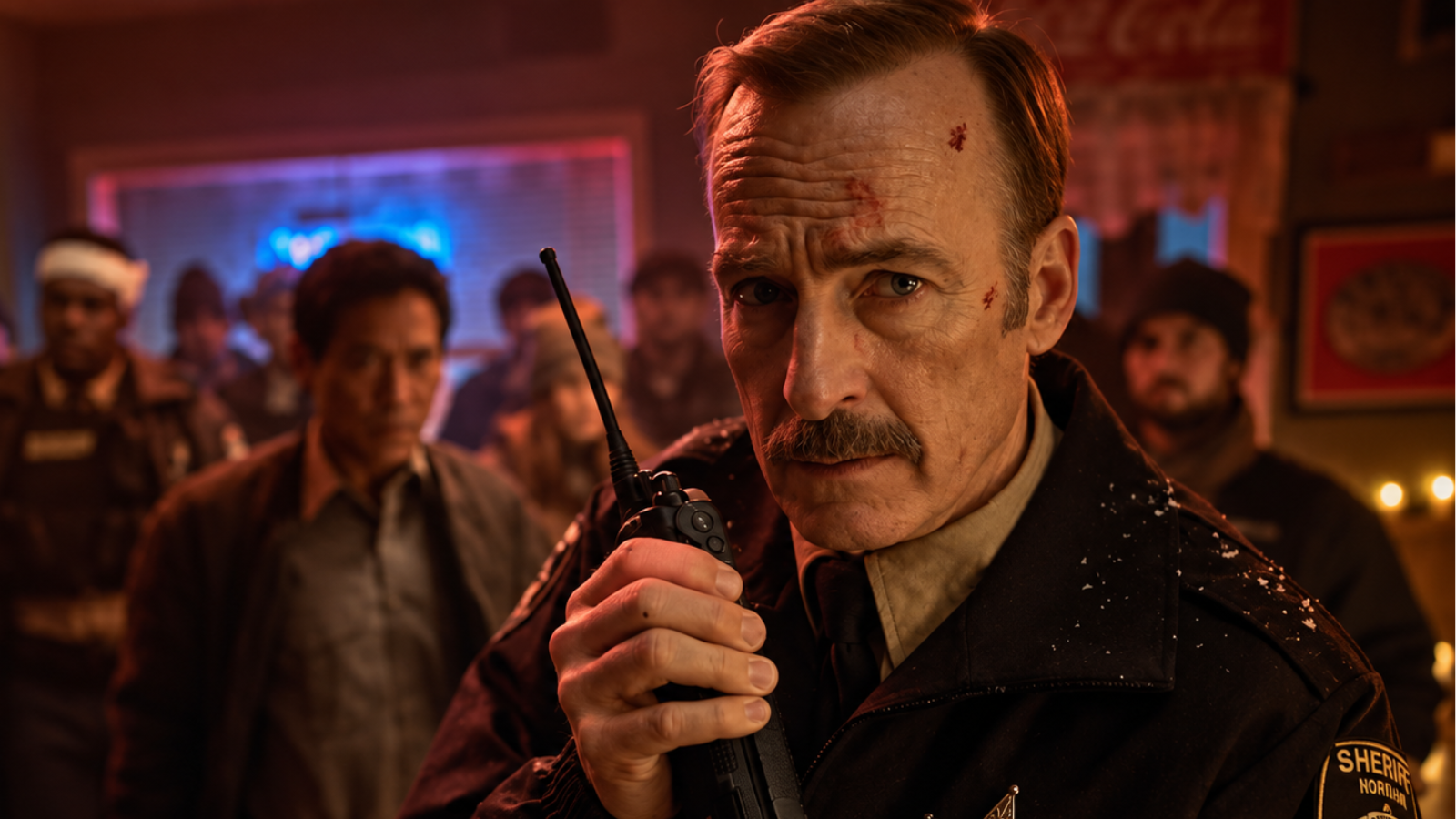
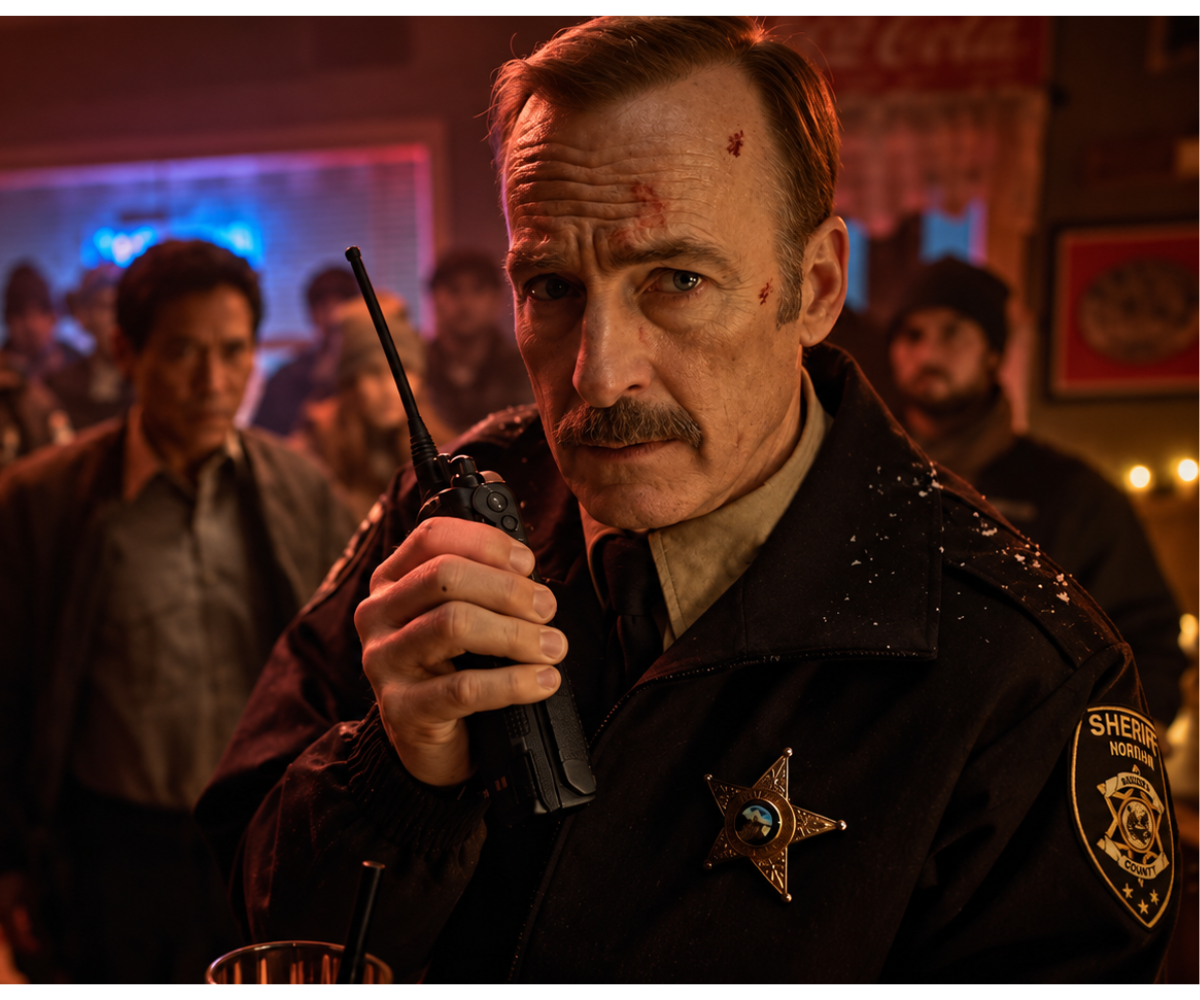
Odenkirk plays Ulysses, an interim sheriff sent to the small Minnesota town of Normal after the previous sheriff dies under unusual circumstances. What looks like a quiet temporary assignment starts coming apart after a botched bank robbery makes it clear that almost nothing about this town is what it seems.
That’s probably all you need to know.
The fun of Normal is watching the weirdness slowly reveal itself. It starts as a slightly off-kilter small-town mystery, then keeps getting louder, bloodier, and more ridiculous.
Odenkirk is exactly the reason it works. He can play tired, confused, and dangerous almost at the same time, which turns out to be a pretty useful combination here.
It’s not trying to reinvent the action movie. It takes a basic setup, gives it a very strange little twist, and gets out in about 90 minutes.
And it worked for me.
💡
A weird little action movie that keeps getting stranger—and somehow better—as it goes.
Bob Odenkirk plays an interim sheriff in a small Minnesota town where a botched bank robbery reveals that almost nothing is what it seems.
💡
Michael Keaton has made bigger movies. This one is just his best.
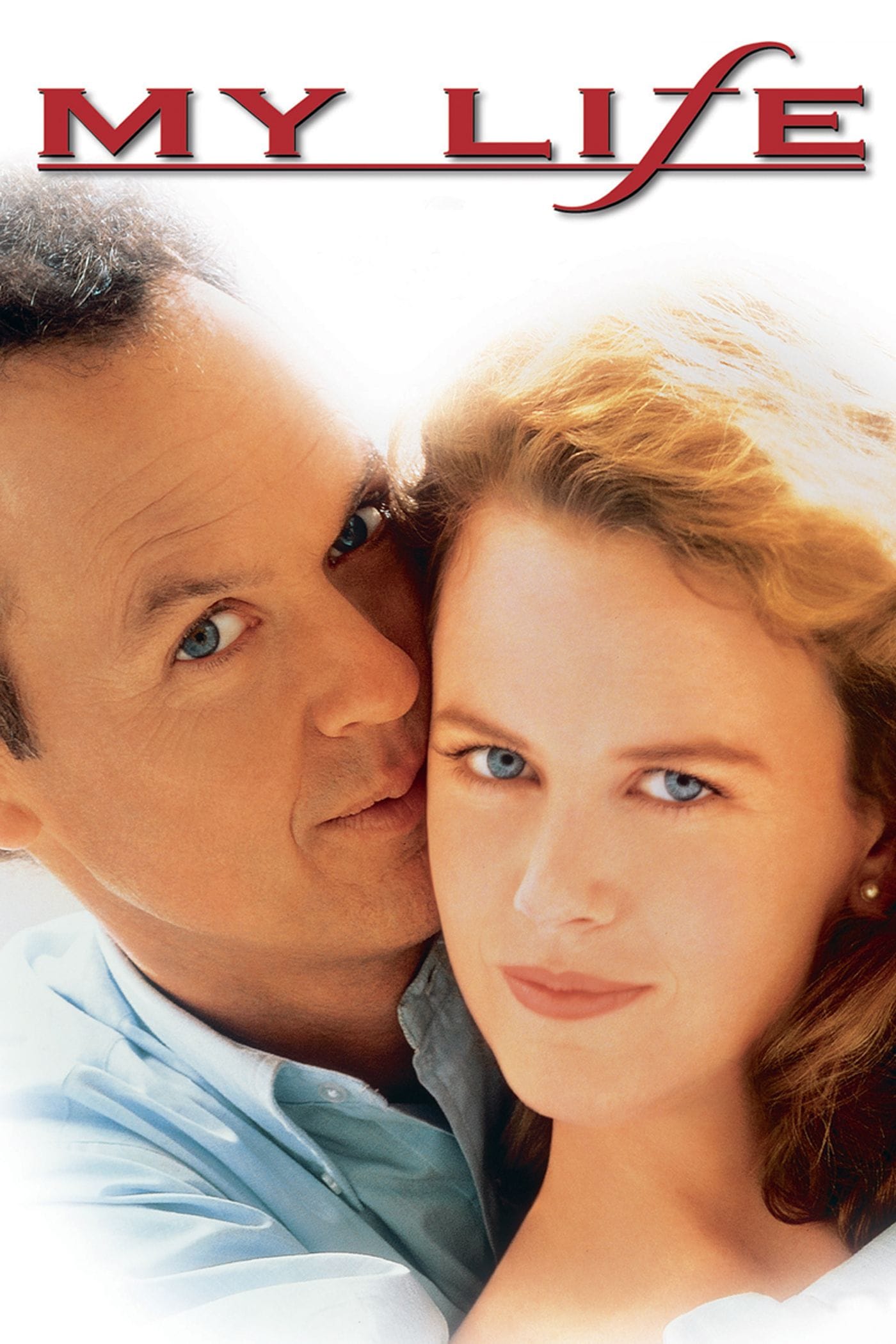
My Life is the Michael Keaton movie I wish more people knew.
Keaton plays Bob Jones, a successful man who learns he has terminal cancer just as his wife is expecting their first child.
Knowing he may never get the chance to know his son, Bob begins recording videos for him — little lessons, stories, advice, and pieces of himself that his child can watch someday.
That sounds like the setup for a movie determined to make you cry.
It will.
And Keaton is the reason it works.
Bob isn’t some perfectly noble movie character. He’s scared, angry, stubborn, funny, and trying to make sense of his life while he still has time.
Nicole Kidman is very good too, but this is Keaton’s movie.
He has made bigger movies. More famous movies. Movies that made a lot more money.
Michael Keaton gives one of his best performances as a dying father recording videos for the son he may never get the chance to know.
💡
A great serial-killer movie that doesn't really feel like one.
Switchback is a serial-killer movie that doesn’t really feel like one.
It’s more of a thriller.
Dennis Quaid plays an FBI agent hunting a killer who has made the case deeply personal. Meanwhile, Danny Glover plays a railroad worker who crosses paths with a young drifter played by Jared Leto.
What makes the movie work for me is everything around the investigation. Highways, trains, diners, snowy mountain towns — I’m a junkie for these kinds of things — and Switchback makes great use of all of them.
Glover is excellent, nailing a role that requires him to be friendly, funny, and just slightly odd — in a way that keeps you paying attention.
There are better-known serial-killer movies from the 1990s.
A slow-burn 1990s thriller with Dennis Quaid, Danny Glover, Jared Leto, and snowy Colorado mountain scenery that gives the movie much of its personality.
💡
One of the best sports movies almost nobody talks about.
Mystery, Alaska is one of the best sports movies nobody talks about.
Russell Crowe plays John Biebe, one of the best hockey players in Mystery, Alaska—a tiny town where the weekly Saturday Game is basically the center of civic life.
Then somebody gets the bright idea to bring the New York Rangers to Mystery for an exhibition game on the town’s frozen pond.
Yes, that’s the premise.
Ridiculous? Sure. But it works—and not in a goofball comedy way.
The movie has hockey, but it’s really about the town and the people in it. Burt Reynolds, Hank Azaria and a deep supporting cast give Mystery enough personality that the game actually matters by the time everyone finally takes the ice.
A small-town hockey movie with Russell Crowe, Burt Reynolds and one wonderfully ridiculous premise: what happens when the New York Rangers come to town?
💡
Somehow, it’s both a great movie and hard to watch.
Leaving Las Vegas is the kind of movie I hesitate to recommend even though I think it’s excellent.
Ben Sanderson, played by Nicolas Cage, is a Hollywood screenwriter whose life has collapsed under his alcoholism. He goes to Las Vegas with one goal: drink until he dies. There he meets Sera, played by Elisabeth Shue, a prostitute with plenty of damage of her own.
Cage is extraordinary. This is the performance that won him the Oscar, and he earns it. But Shue is just as important. Without her, this could easily become two hours of watching a man destroy himself. She gives the movie its heart.
I wouldn’t recommend putting it on after a long day when all you want is to unwind.
It’s painful to watch, and it doesn’t let you off easy.
Leaving Las Vegas is devastating, unforgettable, and almost impossible to casually recommend. It’s also one of the best performances Nicolas Cage ever gave.
💡
Not much suspense over who’s going to win, but a good watch.
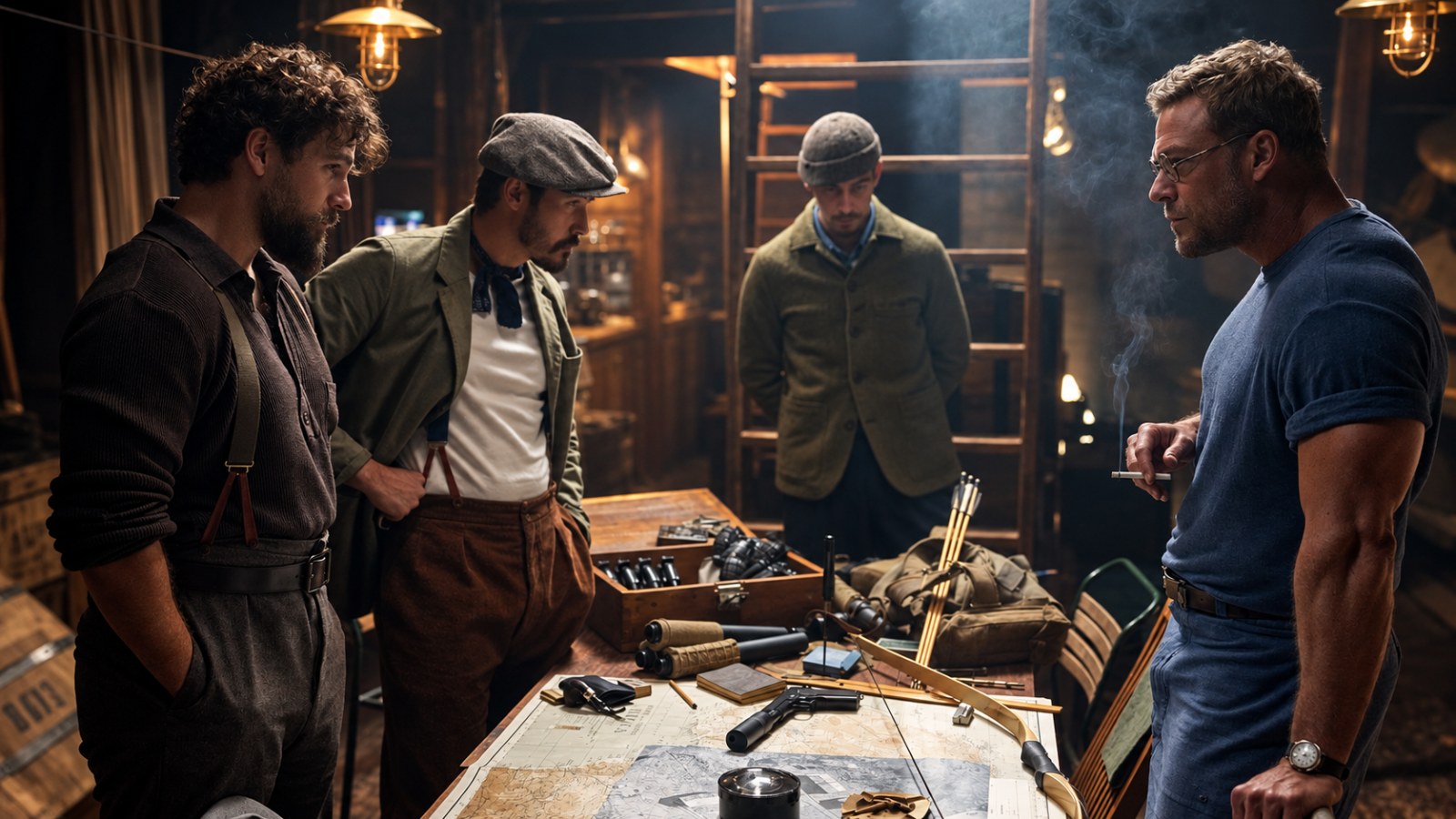
I’m glad the algorithm put The Ministry of Ungentlemanly Warfare in front of me. My life didn’t change, but I enjoyed the two hours.
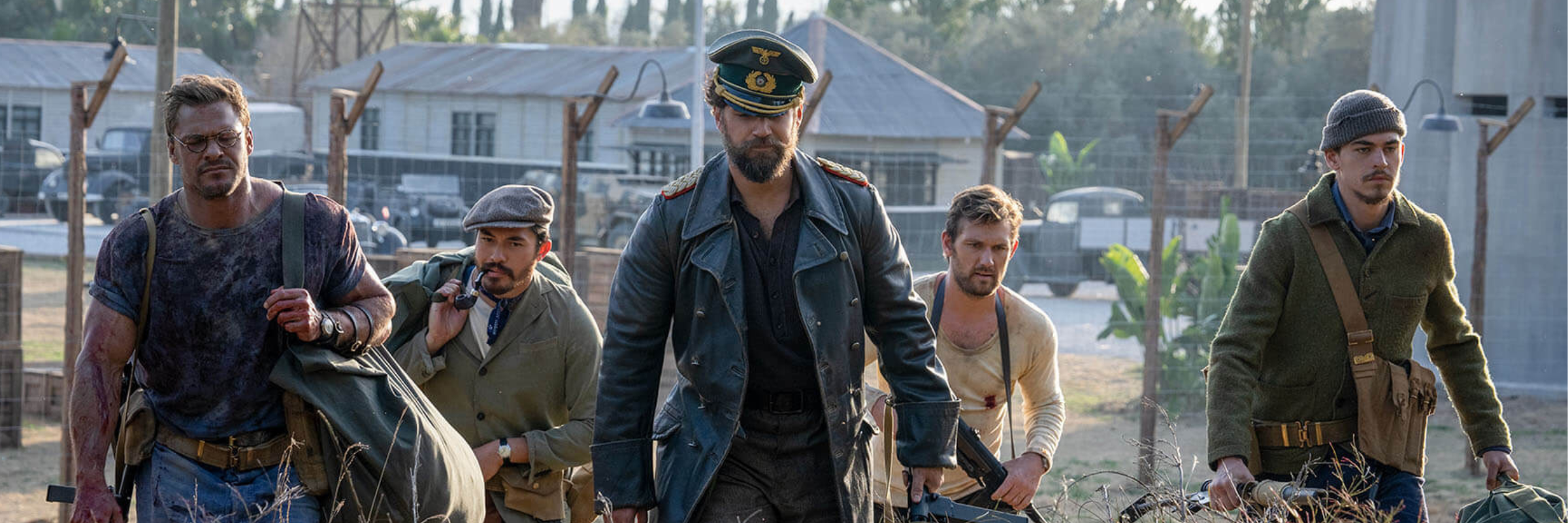
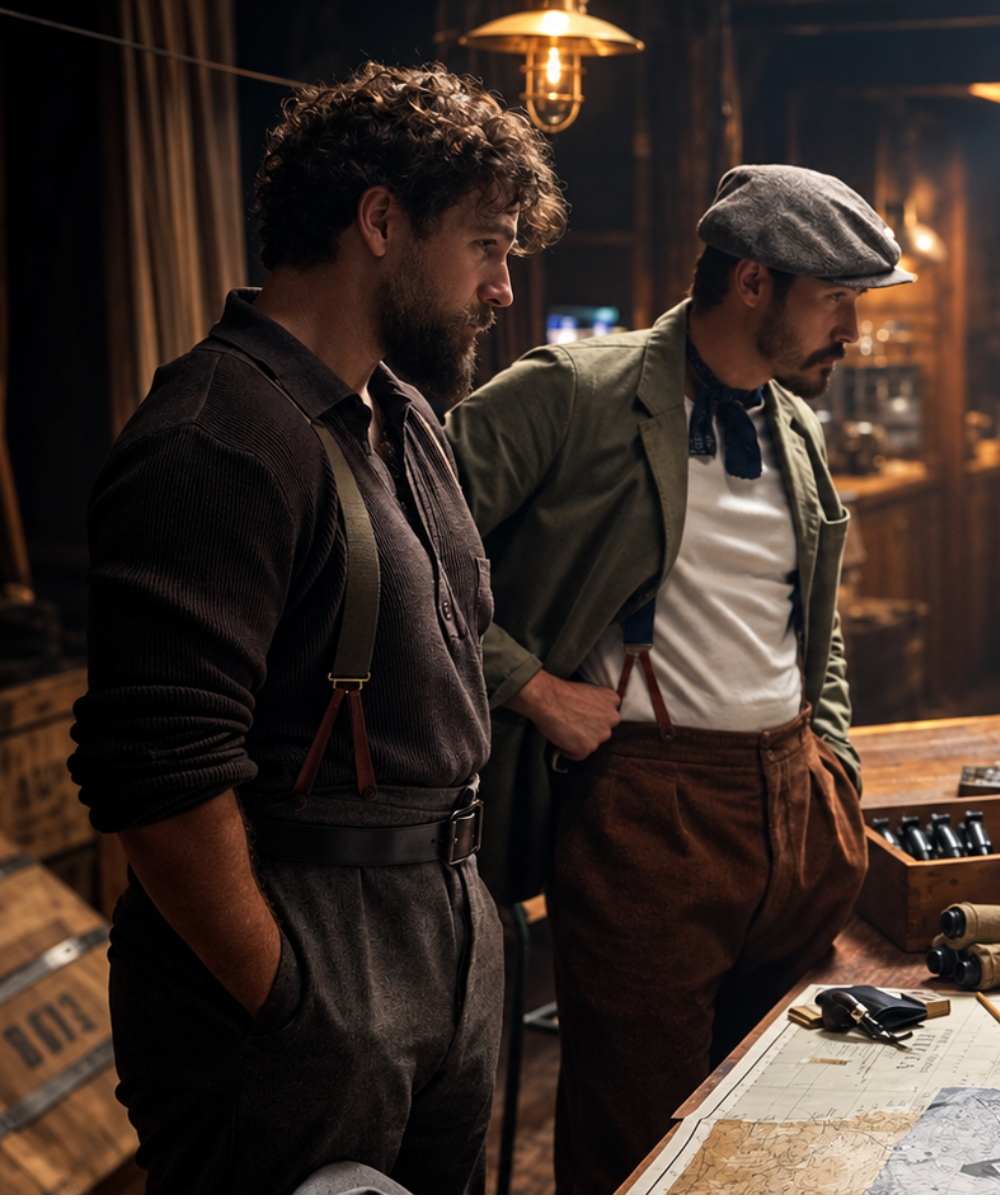
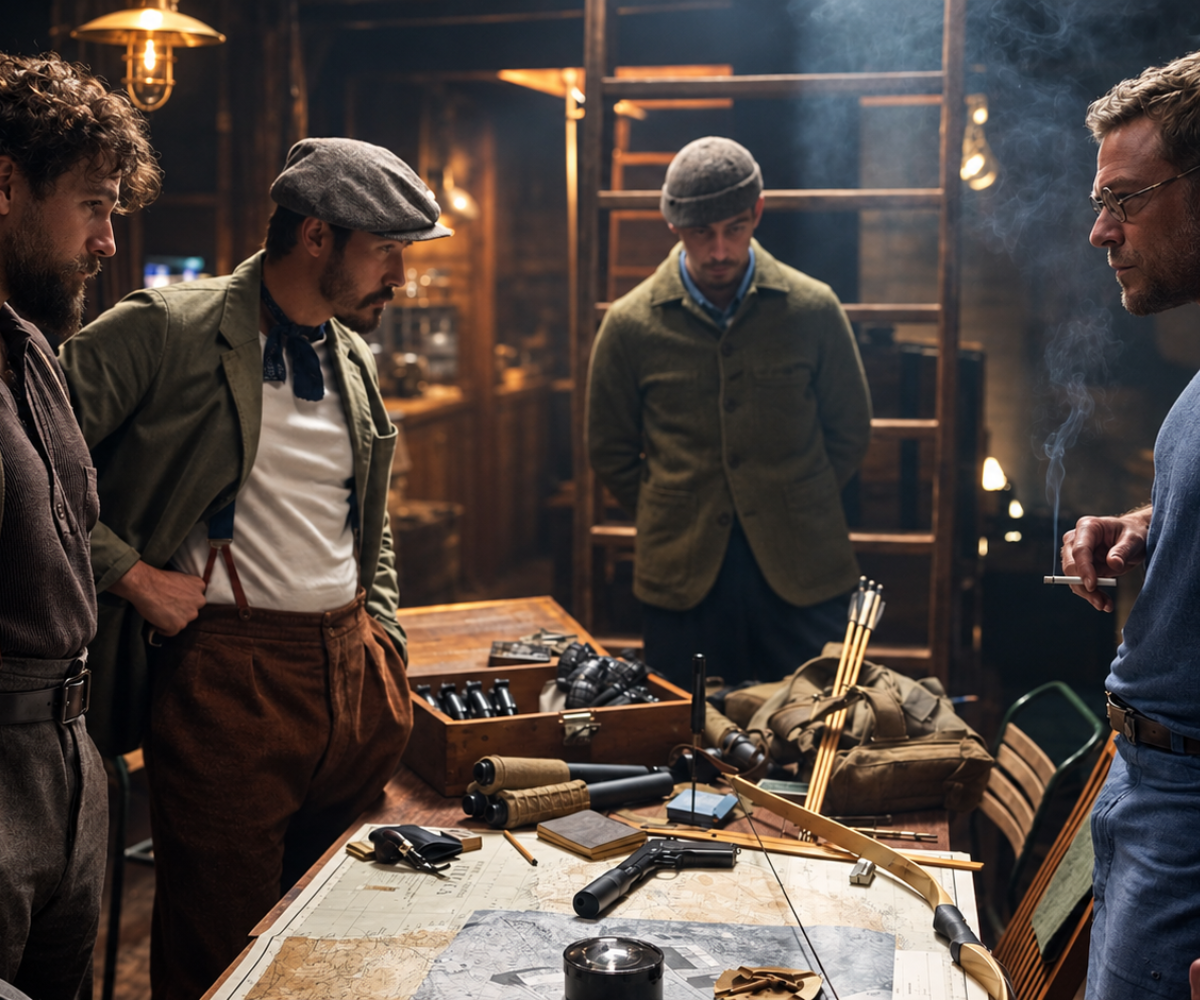
Directed by Guy Ritchie, the movie is based—very loosely—on a real British operation during World War II. Winston Churchill authorizes a secret mission to disrupt the German U-boat fleet, then hands the job to a group of men who aren’t exactly known for following rules.
Henry Cavill leads the group as Gus March-Phillipps, and he’s clearly having a good time. He’s joined by Henry Golding, Alex Pettyfer, Hero Fiennes Tiffin and Alan Ritchson, while Eiza González and Babs Olusanmokun work another part of the mission from inside enemy territory.
Don’t mistake any of this for a history lesson. The heroes are absurdly capable, the Nazis are mostly there to be shot, stabbed, blown up or hit with arrows, and you rarely believe the mission is going to end any other way.
Normally that would bother me.
Here, it didn’t.
The cast is likable, the movie moves quickly and there’s just enough humor without turning the whole thing into a joke.
It’s not one of the great World War II movies.
It is, however, an entertaining way to spend an evening.
Henry Cavill leads a group of British operatives on a secret World War II mission in this very loosely based-on-a-true-story adventure. Plenty of Nazis get in the way—and few survive the encounter.
Most love triangles want you to pick a side. The Sun Never Sets makes that surprisingly difficult.
Dakota Fanning plays Wendy, caught between her older boyfriend Jack (Jake Johnson) and a younger ex, Chuck (Cory Michael Smith), who comes back into her life. At first, Chuck feels like the obvious choice, especially since he offers the possibility of the family and children Wendy wants.
But the movie keeps complicating things. The more you learn about both men, the harder it is to know who you’re rooting for—or what Wendy is going to do.
That uncertainty is what made this work for me. It’s unpredictable without relying on some huge twist, and my loyalties kept shifting right along with Wendy’s. A well-done, enjoyable love triangle that never makes the answer too easy.
💡
A love triangle where picking a side gets harder the longer it goes.
Most love triangles want you to pick a side. The Sun Never Sets makes that surprisingly difficult.
Dakota
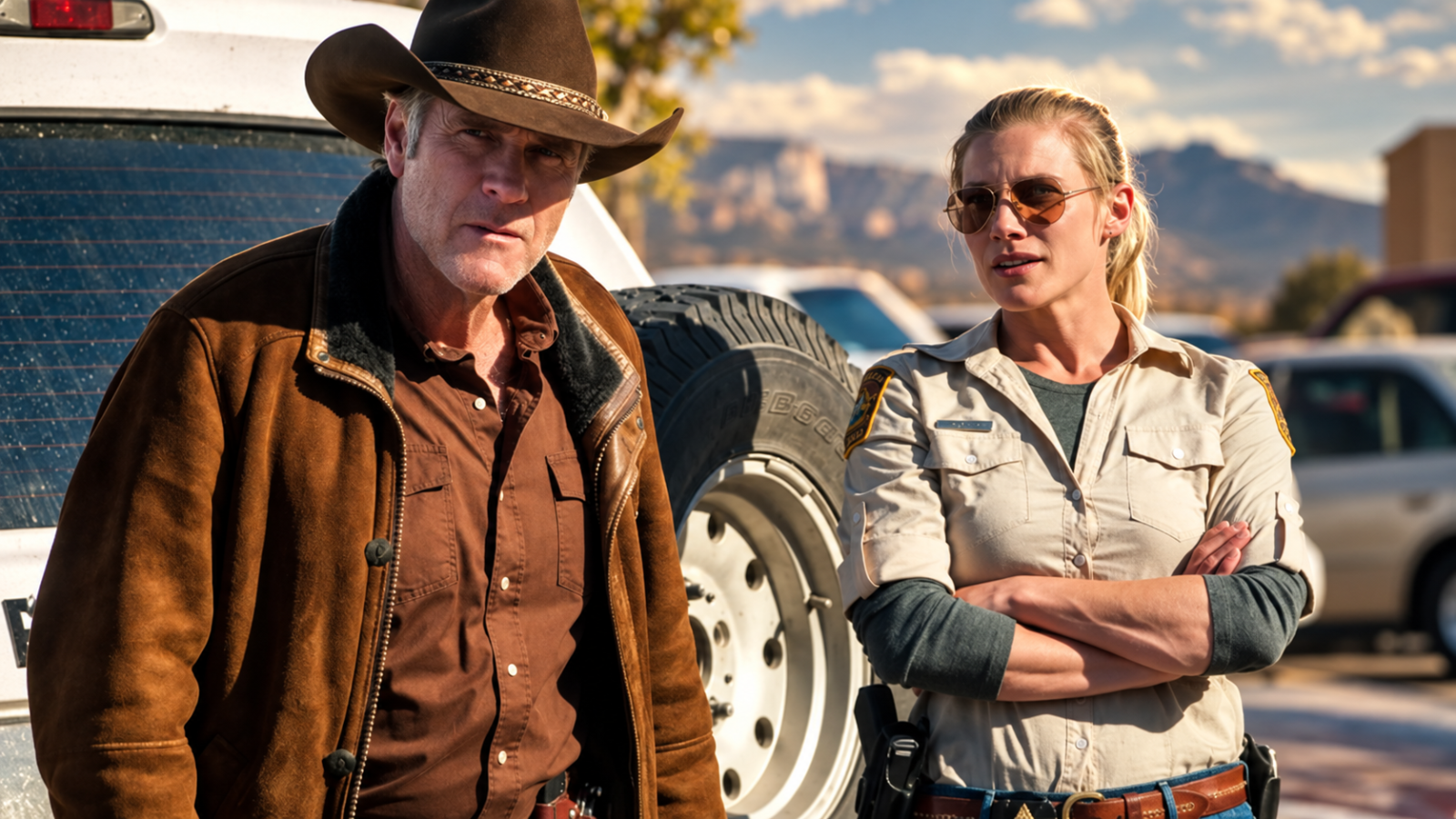
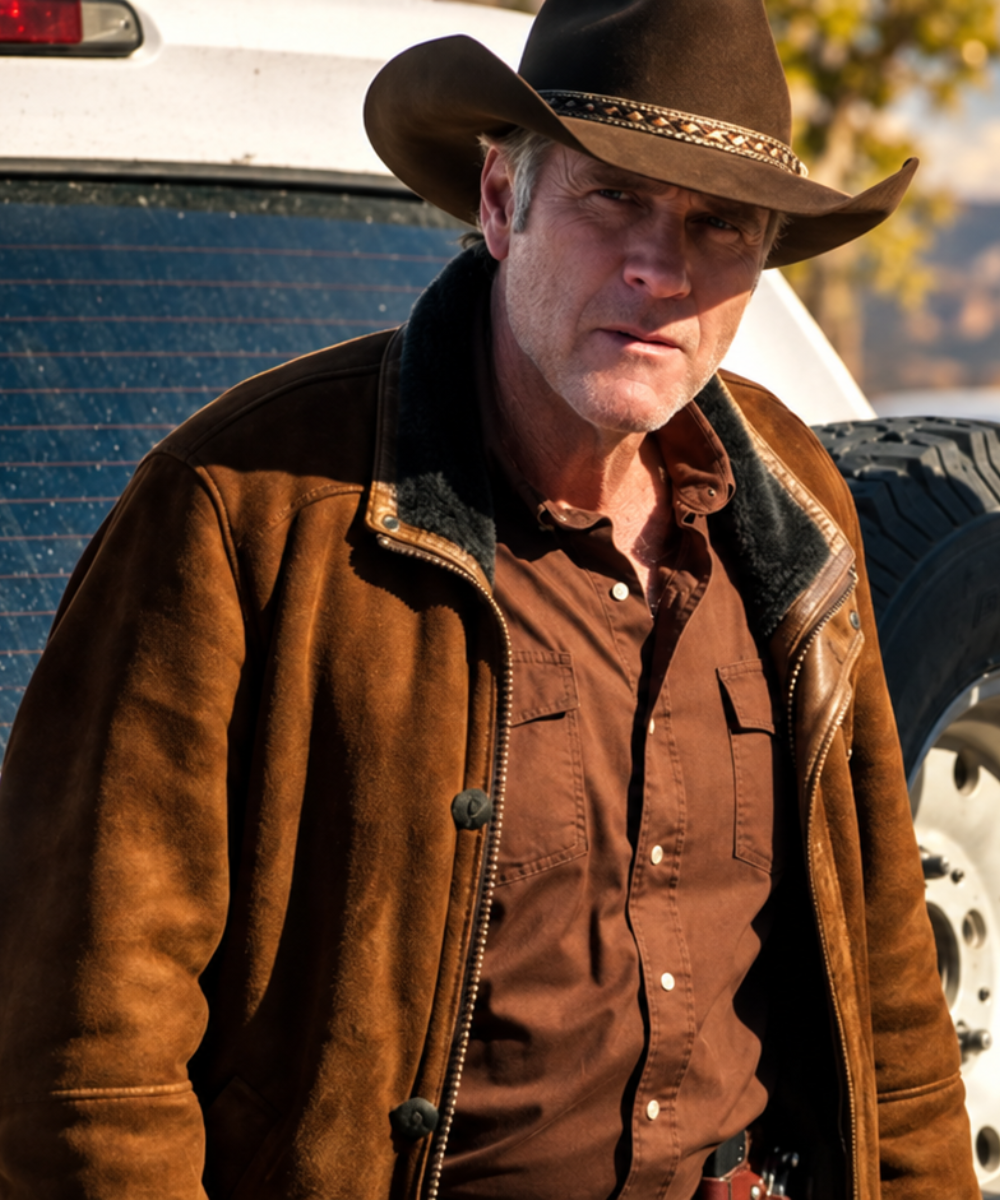
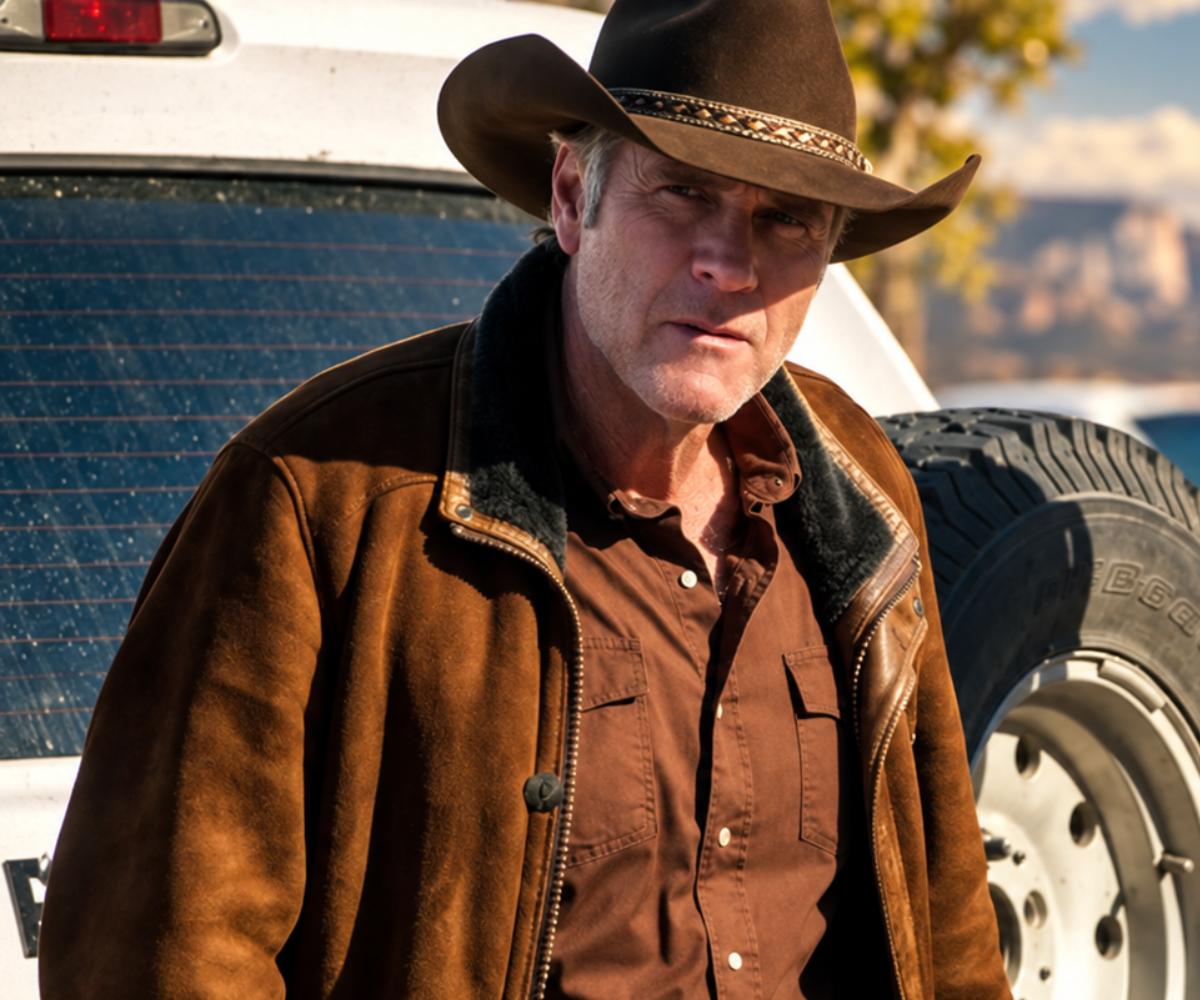
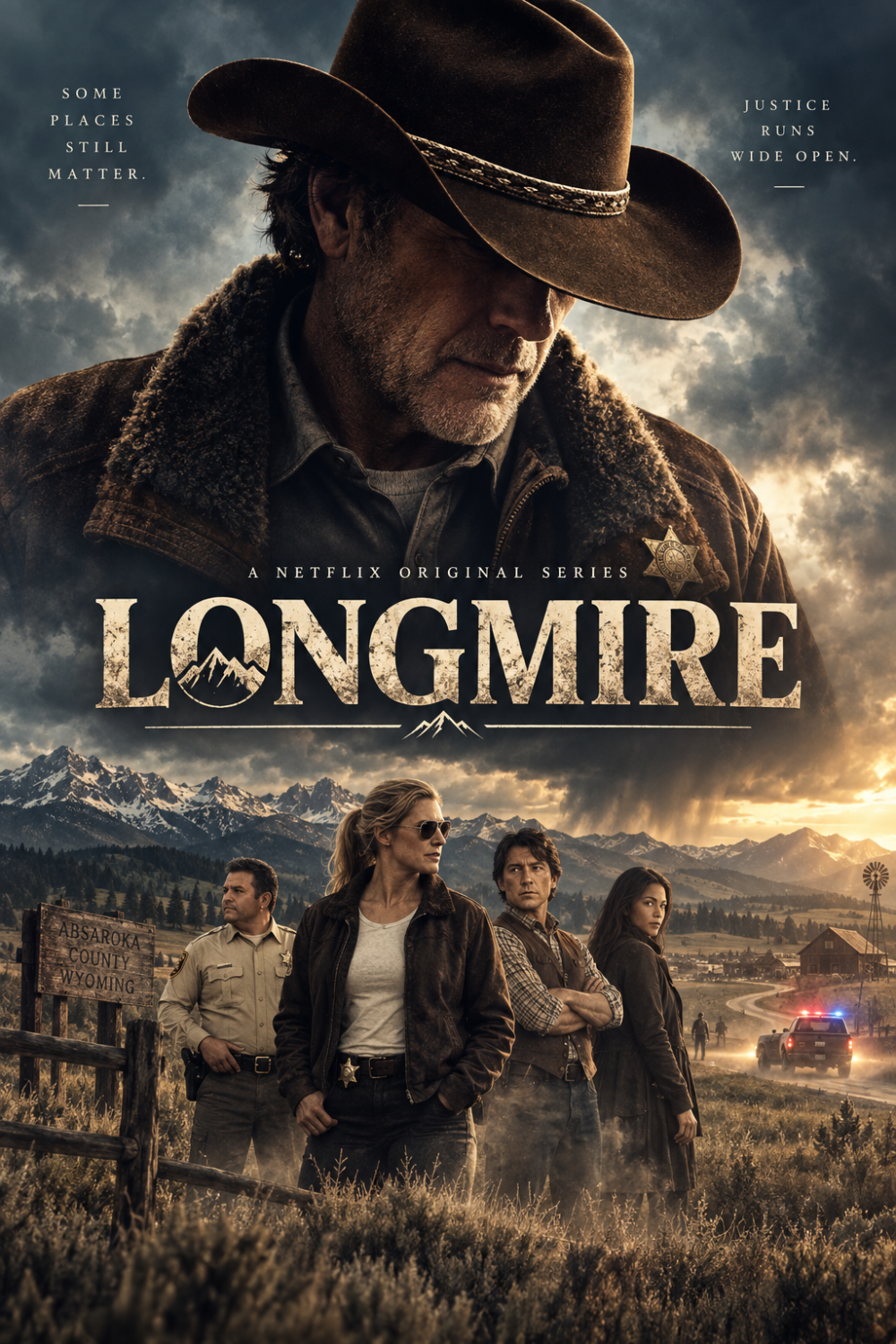
Longmire does not feel like most crime shows.
Robert Taylor plays Walt Longmire, the sheriff of fictional Absaroka County, Wyoming. He is old-school, stubborn, observant, and not especially interested in talking about himself. He carries a gun, drives a beat-up truck, and solves crimes in a place where everybody seems to know everybody else.
That gives the show its basic structure, but the setting is what makes it stand out.
The Wyoming landscape, small-town politics, ranches, reservations, and long distances between people give Longmire a modern-western feel that separates it from the usual police procedural.
Walt is surrounded by a strong group of characters, especially his deputy Vic Moretti, his best friend Henry Standing Bear, and a department full of people with their own ambitions and problems. The cases generally change from episode to episode, but the relationships and larger storylines keep building.
That makes it particularly easy to binge.
You can watch an episode for the mystery, but after a while you are watching because you want to know what happens to Walt and the people around him.
The show also benefits from patience. It is not constantly trying to manufacture a cliffhanger or shock you every ten minutes. It lets the characters, setting, and conflicts develop at their own pace.
That slower rhythm is part of the appeal.
💡
Great small-town cop show set in a part of America TV usually ignores.
A Wyoming sheriff, a small town full of secrets, and crimes that rarely stay simple. Longmire is part western, part detective show, and far more addictive than its quiet pace suggests.
Tags
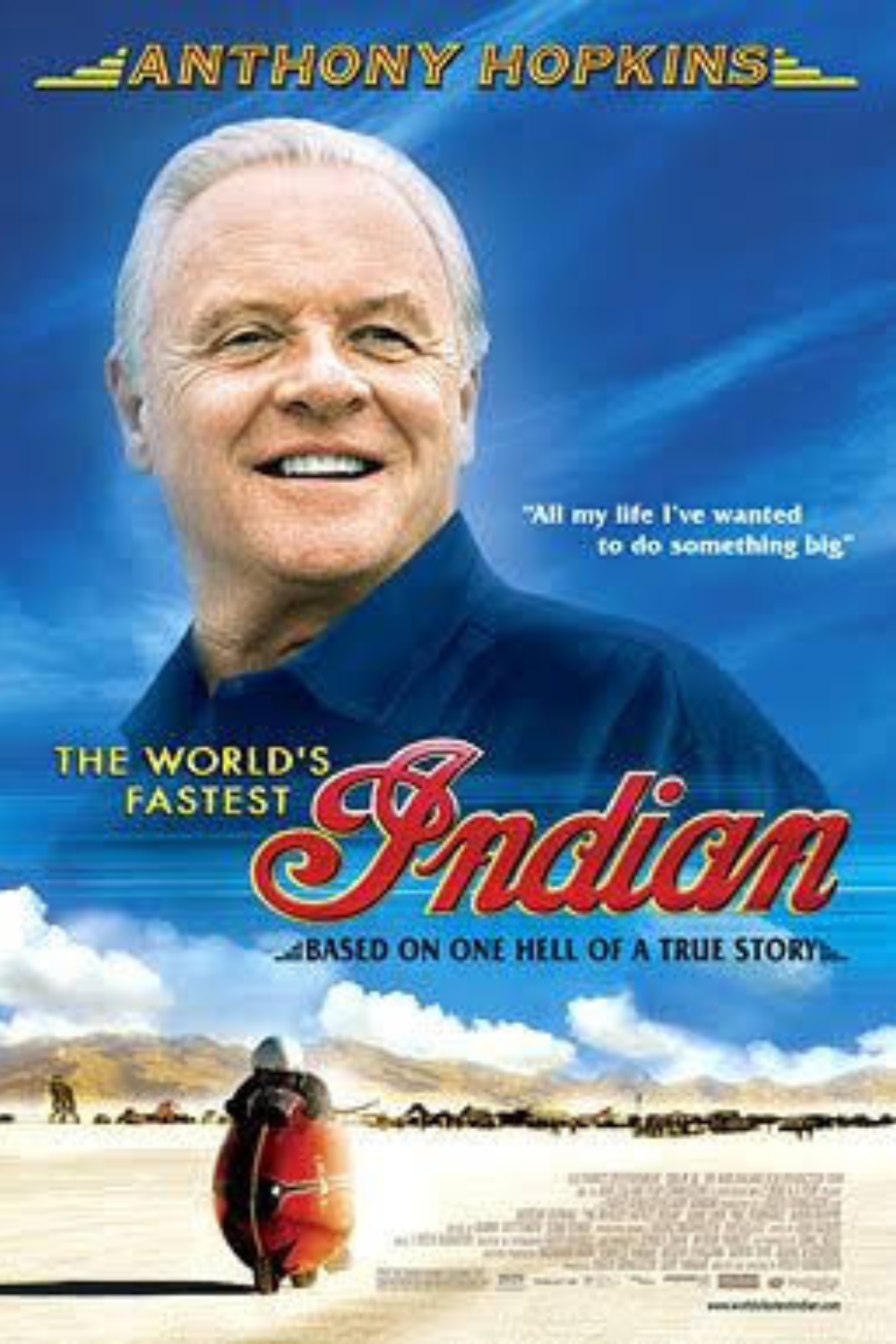
The World’s Fastest Indian features Anthony Hopkins as Burt Munro, a New Zealander who has spent years modifying an old Indian motorcycle in his garage. His goal is simple: get the bike to the Bonneville Salt Flats in Utah and see how fast it can go.
That is basically the whole movie.
Burt is not wealthy, polished, or especially concerned with what other people think. He is obsessive, stubborn, mechanically gifted, and completely convinced that the trip is worth making even when almost everything about it seems impractical.
The movie follows Burt as he travels to the United States, meets a string of strangers, solves problems as they come up, and slowly makes his way toward Bonneville. Much of the pleasure is simply watching him interact with people.
There is very little cynicism in the movie.
That is part of its charm.
The stakes are personal rather than world-changing. Burt is not trying to become famous. He wants to find out what he and his motorcycle are capable of before he runs out of time.
By the time he finally reaches the salt flats, you are completely invested.
💡
An odd little movie about an old man chasing a speed record — and it’s terrific.
Anthony Hopkins plays a New Zealand motorcycle obsessive chasing a land-speed record in Utah. It’s funny, warm, and one of the easiest movies to recommend.
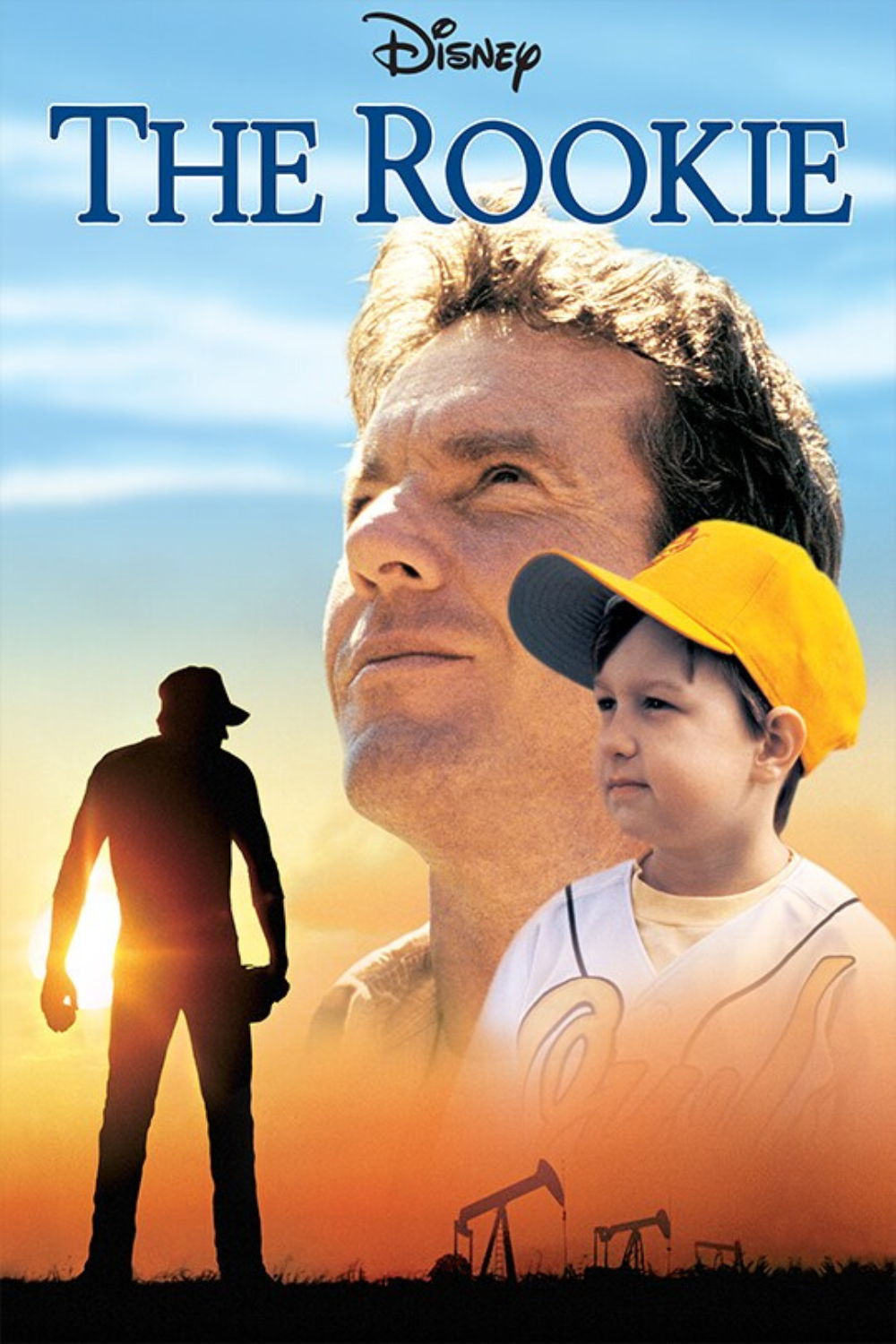
The Rookie is based on the kind of true story that sounds made for a movie.
Dennis Quaid plays Jim Morris, a high-school science teacher and baseball coach whose own playing career ended years earlier. When his struggling team makes him a deal — if they win the district championship, he has to try out for the major leagues — Morris agrees.
Then the team wins.
That leaves him with a promise to keep and a very unlikely second chance.
Quaid plays Morris with restraint. He is not chasing fame. He is trying to find out whether the opportunity he thought was gone forever might still exist.
The movie is slightly sentimental, but the story stays grounded in family, work, and the reality of starting over when everyone else assumes that part of your life is already finished. Morris does not need to become the best player in the world.
He only needs to prove that he still belongs.
By the end, you're convinced that he does.
💡
A very good sports movie built around an even better true story.
Dennis Quaid plays a high-school baseball coach who gets an improbable shot at the major leagues. It’s earnest, straightforward, and exactly the kind of sports movie that works because it never tries too hard.
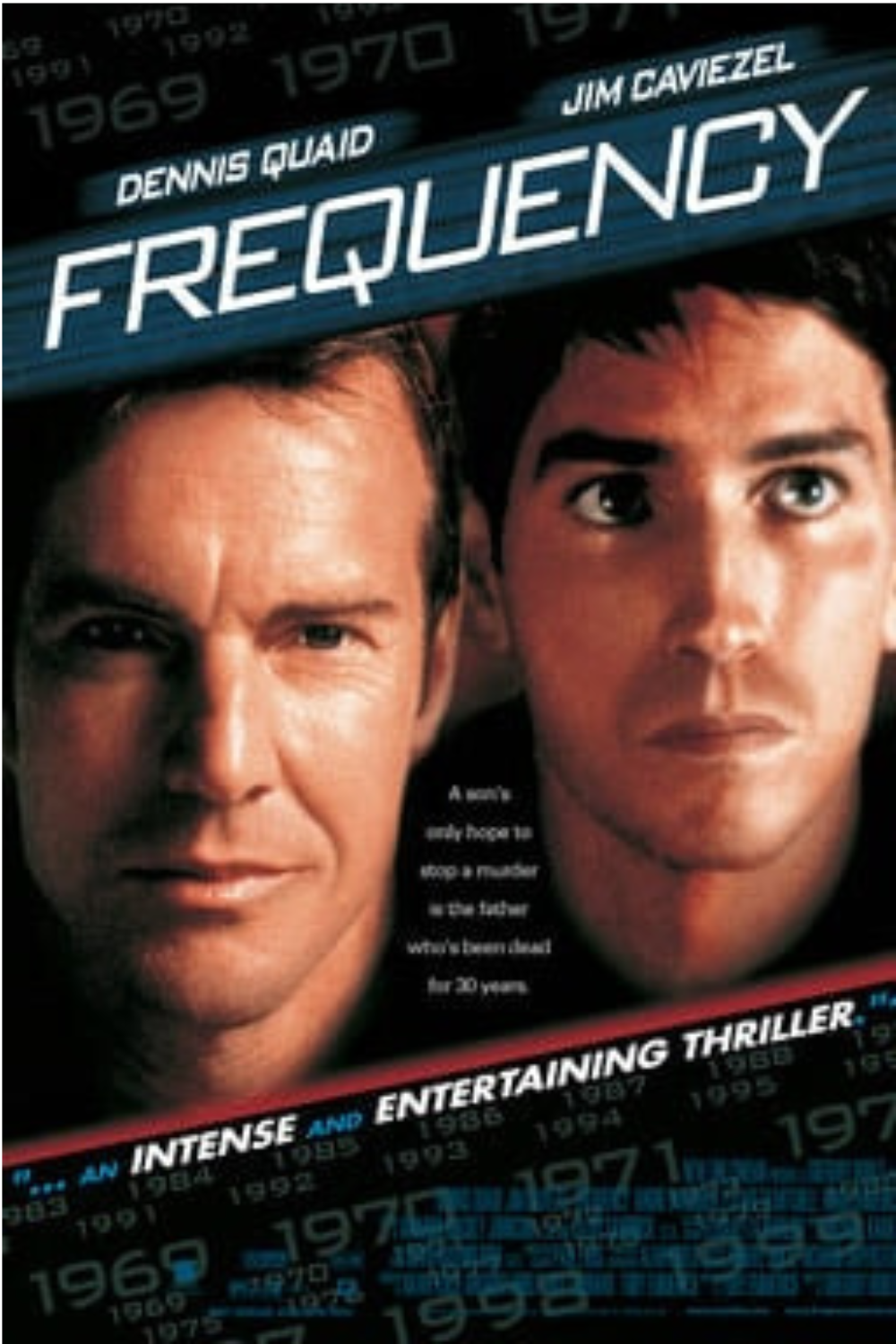
Frequency has a clever premise: an old ham radio somehow allows Jim Caviezel, playing John Sullivan, to connect with his father, Frank, played by Dennis Quaid.
The problem is that Frank died 30 years earlier.
Once John realizes what is happening, he does what almost anyone would do: he tries to change the past.
That is where the movie gets interesting.
Frequency starts as a high-concept father-and-son story, but it gradually turns into a murder mystery and thriller. Every change John makes in the past has consequences in the present.
Dennis Quaid is especially good as Frank. He gives the movie warmth and credibility, which matters because the central idea is so improbable. Caviezel plays the more restrained role, but the relationship between the two is what keeps the movie grounded.
The best thing about Frequency is that it never becomes just a time-travel puzzle. I’m not really into those.
Ultimately, it’s about a son getting one impossible chance to talk to his father again.
But it’s not heavily sentimental. Instead, it’s more suspenseful, becoming increasingly tense as the story develops.
If you missed Frequency when it came out, it is exactly the kind of movie worth going back for.
💡
A smart, suspenseful thriller with an unusual premise that completely works.
A son somehow talks to his dead father across 30 years through an old ham radio. It sounds gimmicky. Instead, Frequency turns into a smart, emotional thriller that works far better than it should.
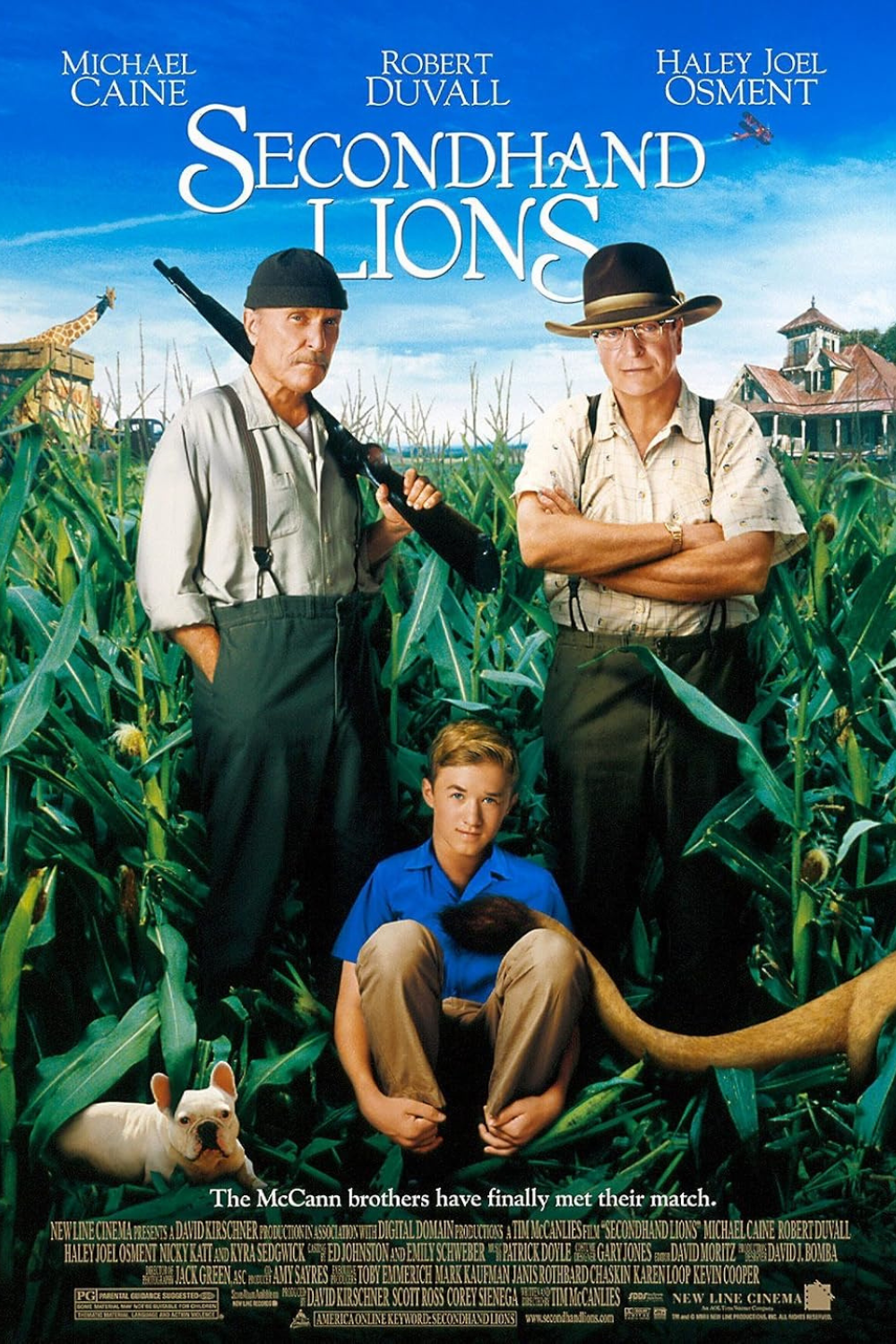
Secondhand Lions is about a shy kid getting dumped for the summer with two eccentric great-uncles in rural Texas. One is played by Robert Duvall. The other is Michael Caine. There are stories about lost fortunes, foreign adventures, old enemies, and a very large lion.
That setup sounds dangerously close to something overly cute or boring.
It isn’t either.
Haley Joel Osment plays Walter, a kid who has had very little stability in his life. His two uncles are not exactly natural caregivers. They’re gruff, private, slightly crazy, and completely uninterested in behaving the way adults are supposed to.
The movie gradually reveals more about who these men were, what they believe, and why Walter starts looking up to them. The stories aren’t necessarily true, but that’s beside the point.
Robert Duvall is especially good because he gives the movie its backbone. Michael Caine brings a different kind of warmth, and Osment holds his own between two actors who could easily have overwhelmed the movie.
There’s plenty of sentiment here, but it earns it.
It’s funny, adventurous, sincere, and surprisingly easy to rewatch.
Michael Caine and Robert Duvall as two eccentric old men raising a neglected kid in rural Texas sounds like it could have been unbearably sentimental. Instead, it’s funny, warm, and genuinely memorable.
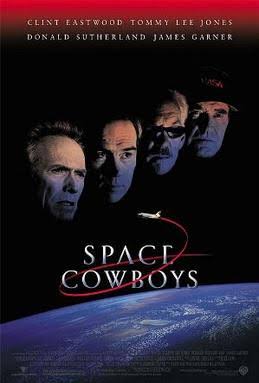
Space Cowboys has a premise that could have gone wrong very easily.
Four aging former Air Force test pilots get called back into action when an old Soviet satellite begins failing in orbit. The catch is that the satellite uses an obsolete guidance system that only one of them really knows.
So yes, Clint Eastwood, Tommy Lee Jones, Donald Sutherland, and James Garner end up training to go into space.
It sounds ridiculous. But it actually works.
A big reason is that the movie never treats these guys like superheroes. They are old. They know it. NASA knows it. Everyone around them knows it.
That’s where a lot of the friction comes from — and often the joke.
Eastwood is the stubborn leader, Jones brings the gruff intensity, Sutherland gets most of the sly comedy, and Garner gives the group some warmth. Their chemistry is really the heart of the movie — part buddy comedy about four old guys refusing to admit they’re old, part legitimate space thriller that gradually sneaks up on you.
Space Cowboys is not trying to reinvent anything. It is simply an entertaining studio movie built around four actors who know exactly how to hold the screen.
💡
They’re too old for this mission. That’s half the fun.
Clint Eastwood, Tommy Lee Jones, Donald Sutherland, and James Garner turn an absurd premise into a surprisingly entertaining mix of buddy comedy and space thriller.
There are movies that feel very much like the decade they came from.
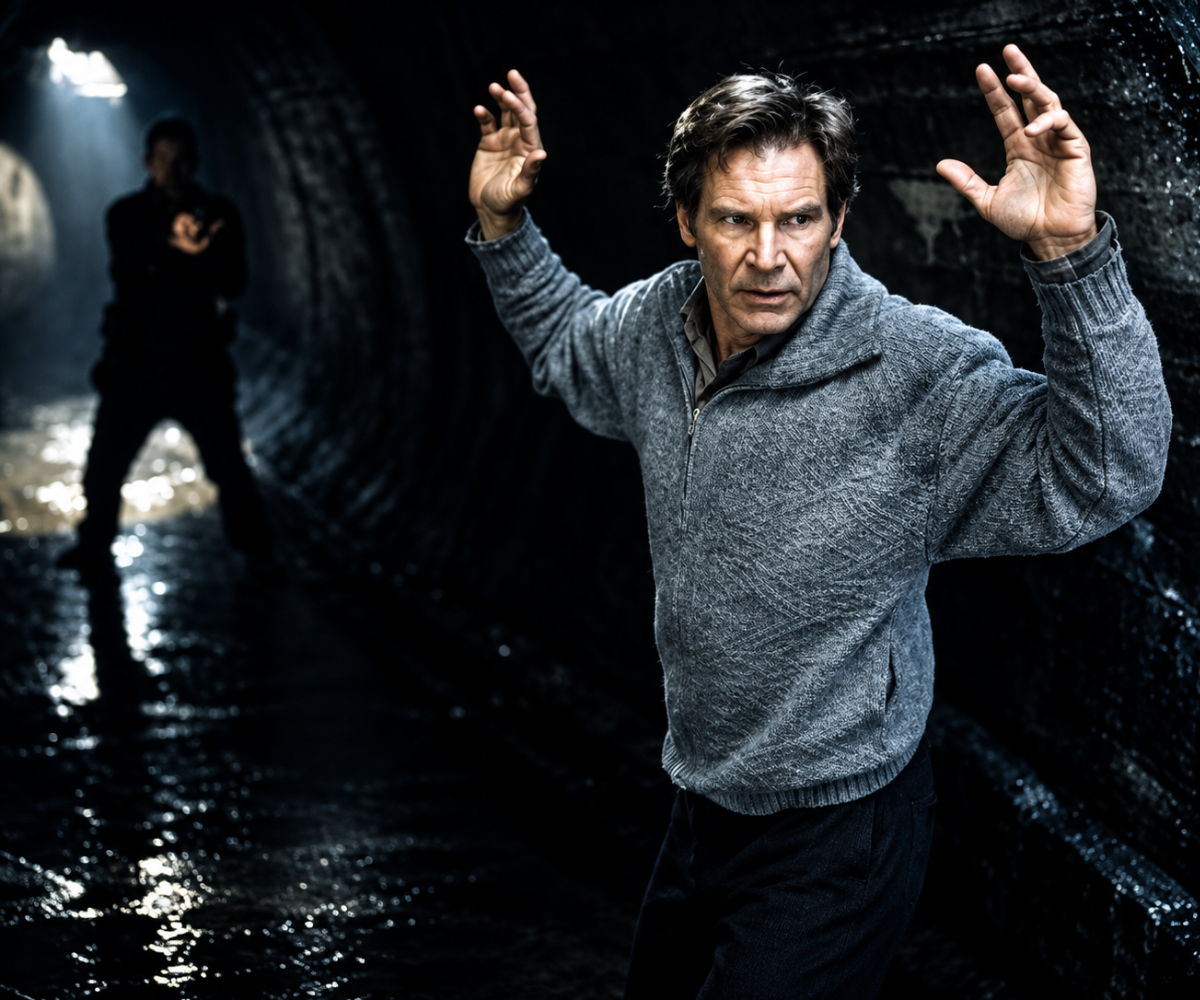
The Fugitive somehow doesn’t.
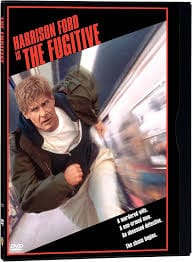
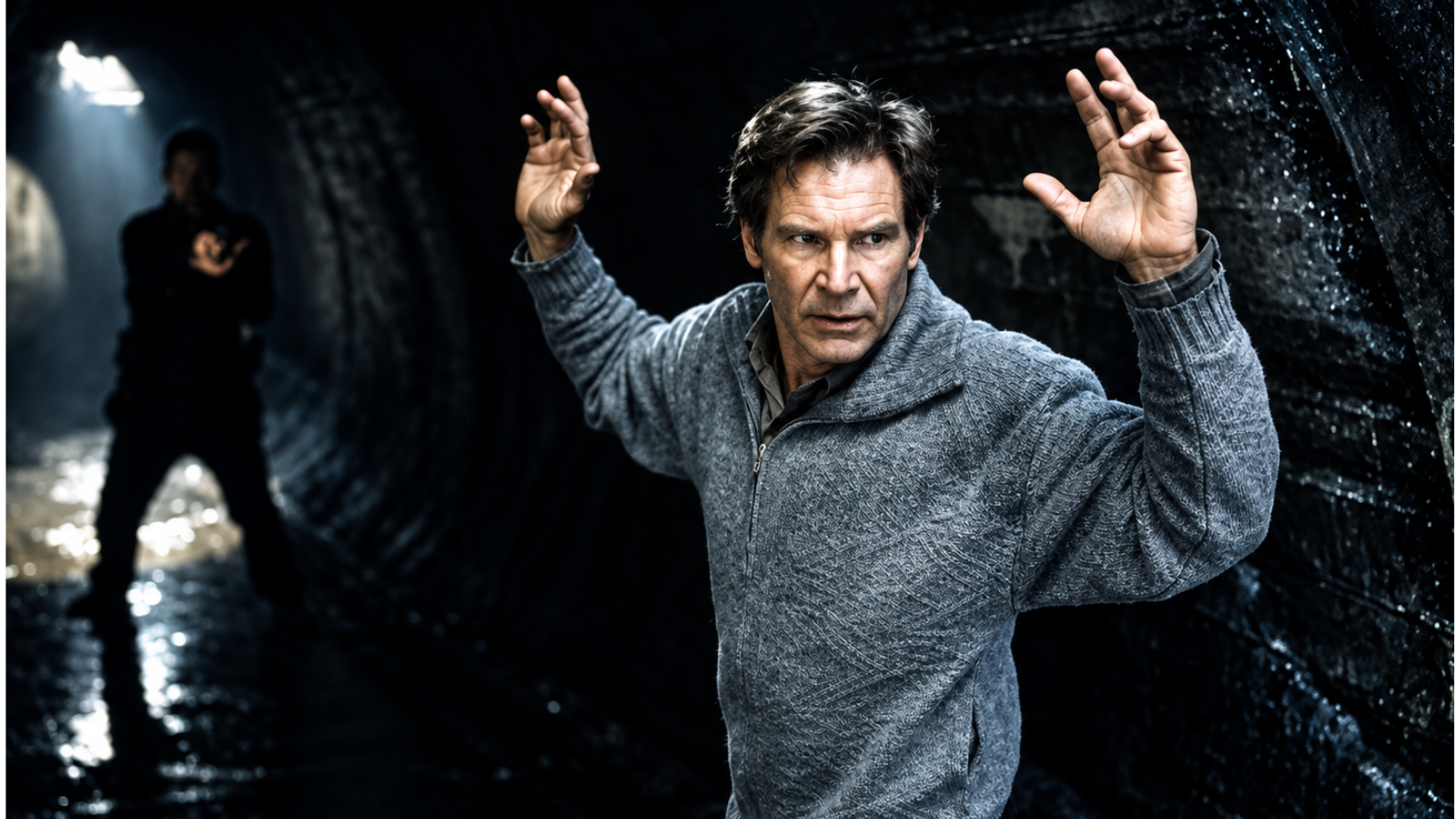
Harrison Ford plays Dr. Richard Kimble, convicted of murdering his wife and sent to prison for a crime he insists he didn’t commit. He gets an opportunity to escape, and from that point forward the movie basically never stops moving.
But what makes The Fugitive so good is that it isn’t just a chase movie.
Kimble is trying to stay free long enough to figure out who actually killed his wife, while Deputy U.S. Marshal Samuel Gerard — played perfectly by Tommy Lee Jones — is methodically closing in on him.
Neither character is stupid. Neither one survives because the screenplay suddenly makes everyone else incompetent. That alone makes the movie unusually satisfying.
Ford is exactly the right actor for Kimble: intelligent, frightened, exhausted, and determined without ever turning into an action superhero.
And Jones nearly steals the movie.
His Gerard is relentless, funny, and completely uninterested in Kimble’s claims of innocence. His job is to catch an escaped prisoner, and that’s exactly what he intends to do.
If you somehow missed The Fugitive, there’s really only one thing I can say:
Fix that.
💡
One of the best chase movies ever made — and somehow it barely feels dated.
Harrison Ford running for his life, Tommy Lee Jones chasing him, and almost no wasted motion. Decades later, The Fugitive is still an exceptionally good thriller.
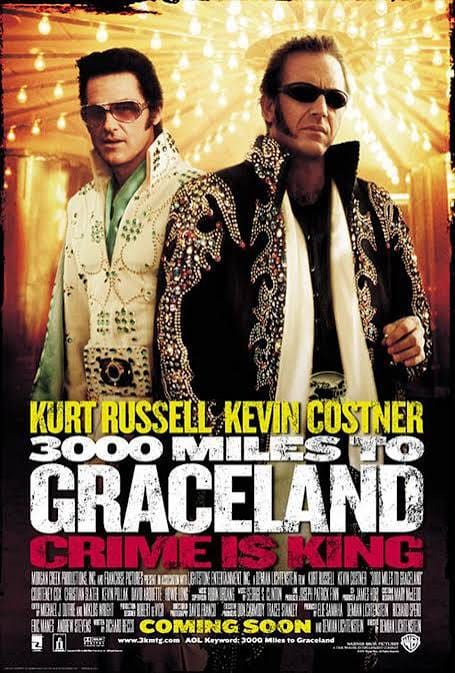
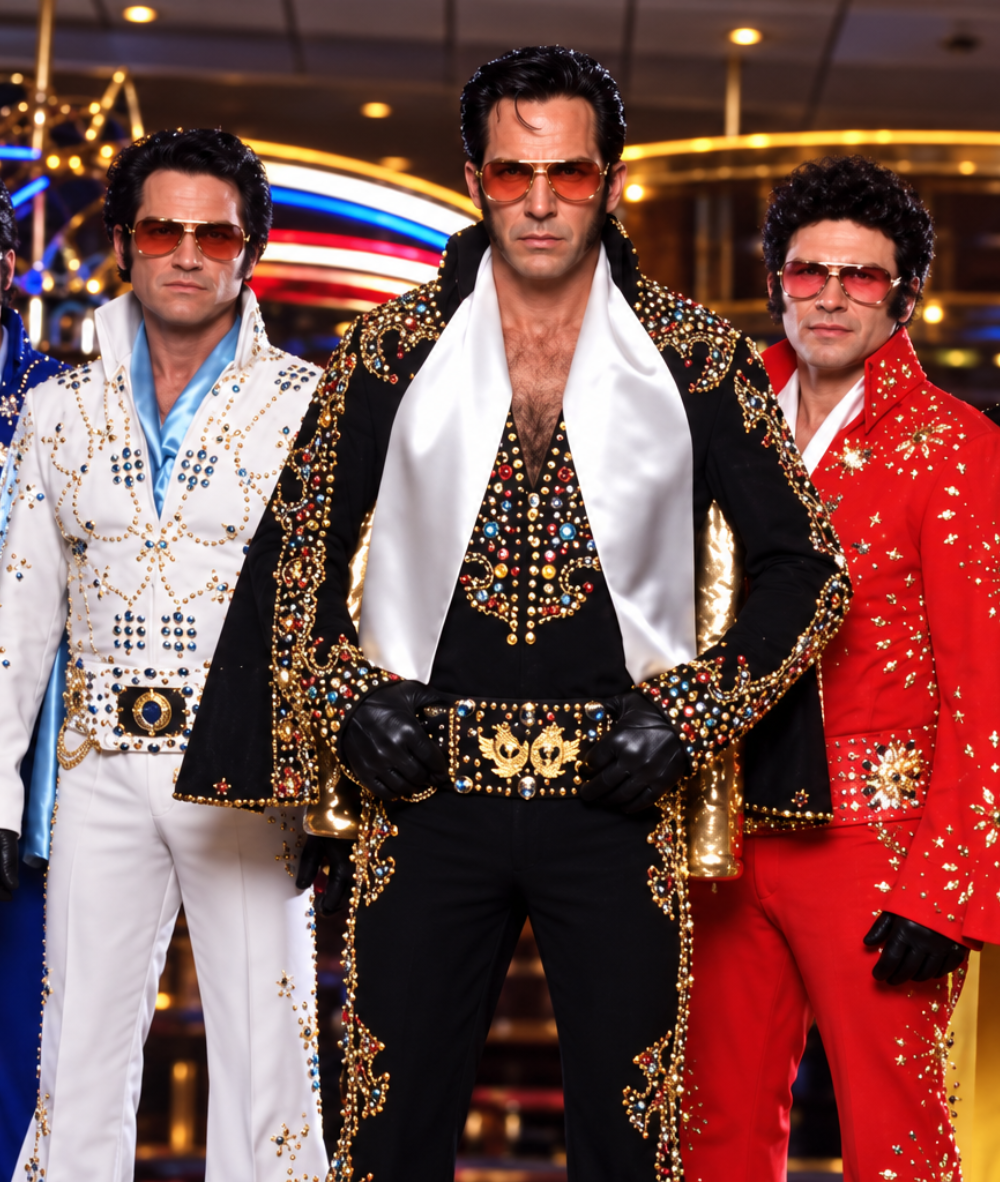
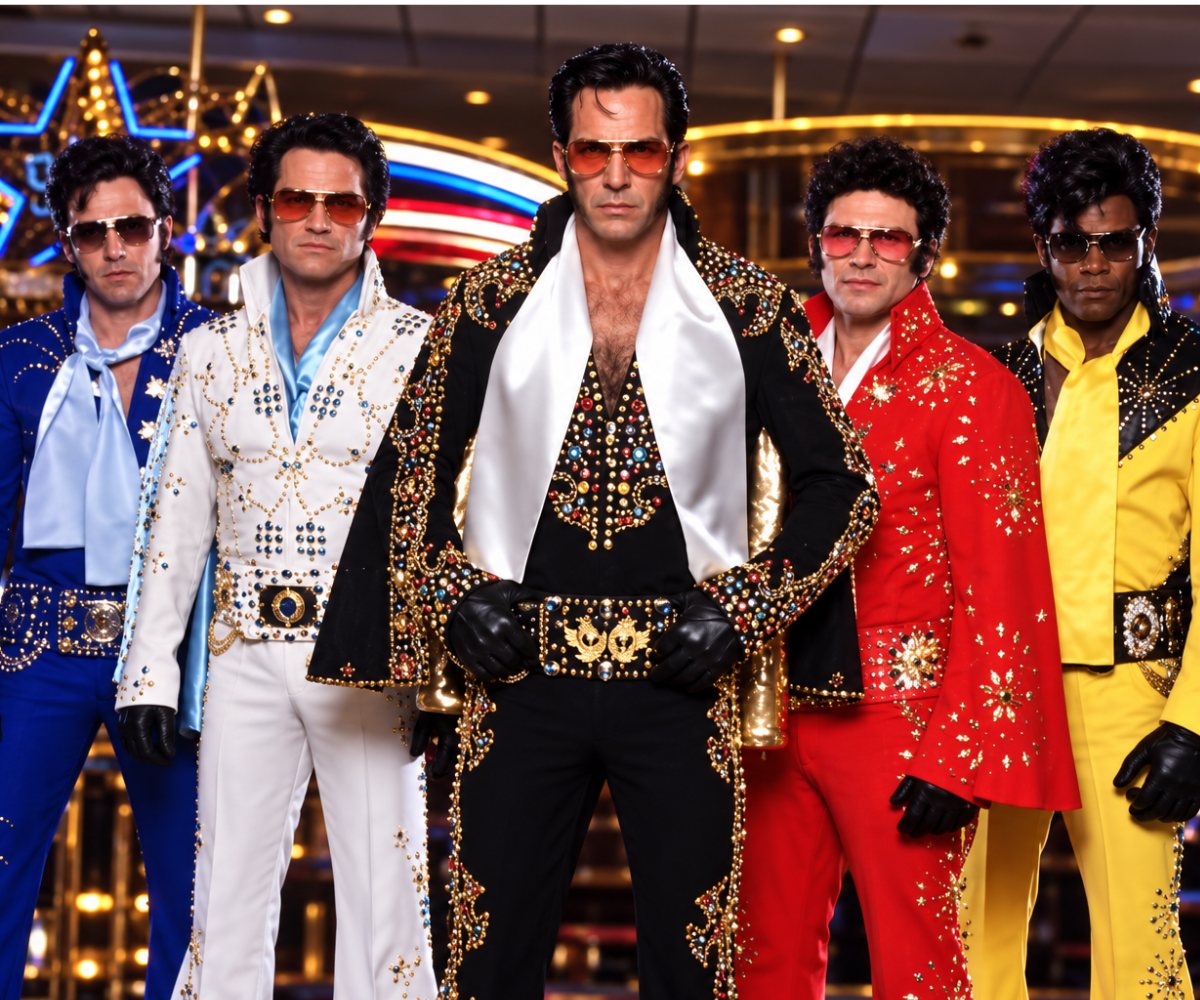
3000 Miles to Graceland is not a subtle movie. Not even close.
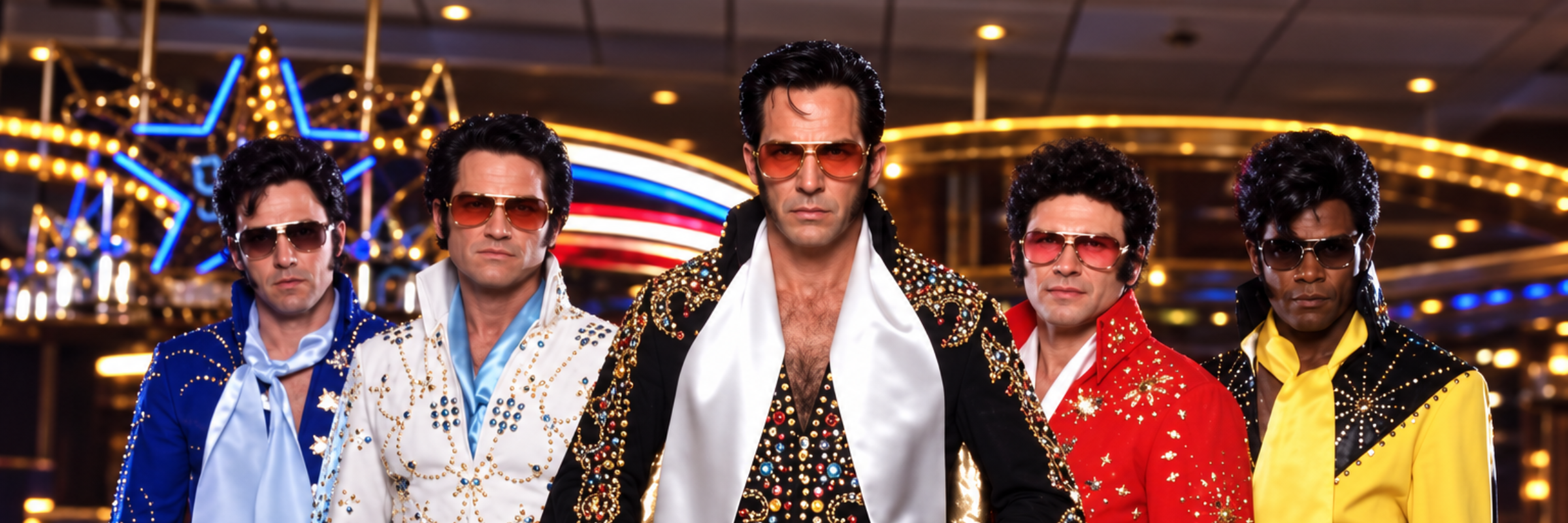
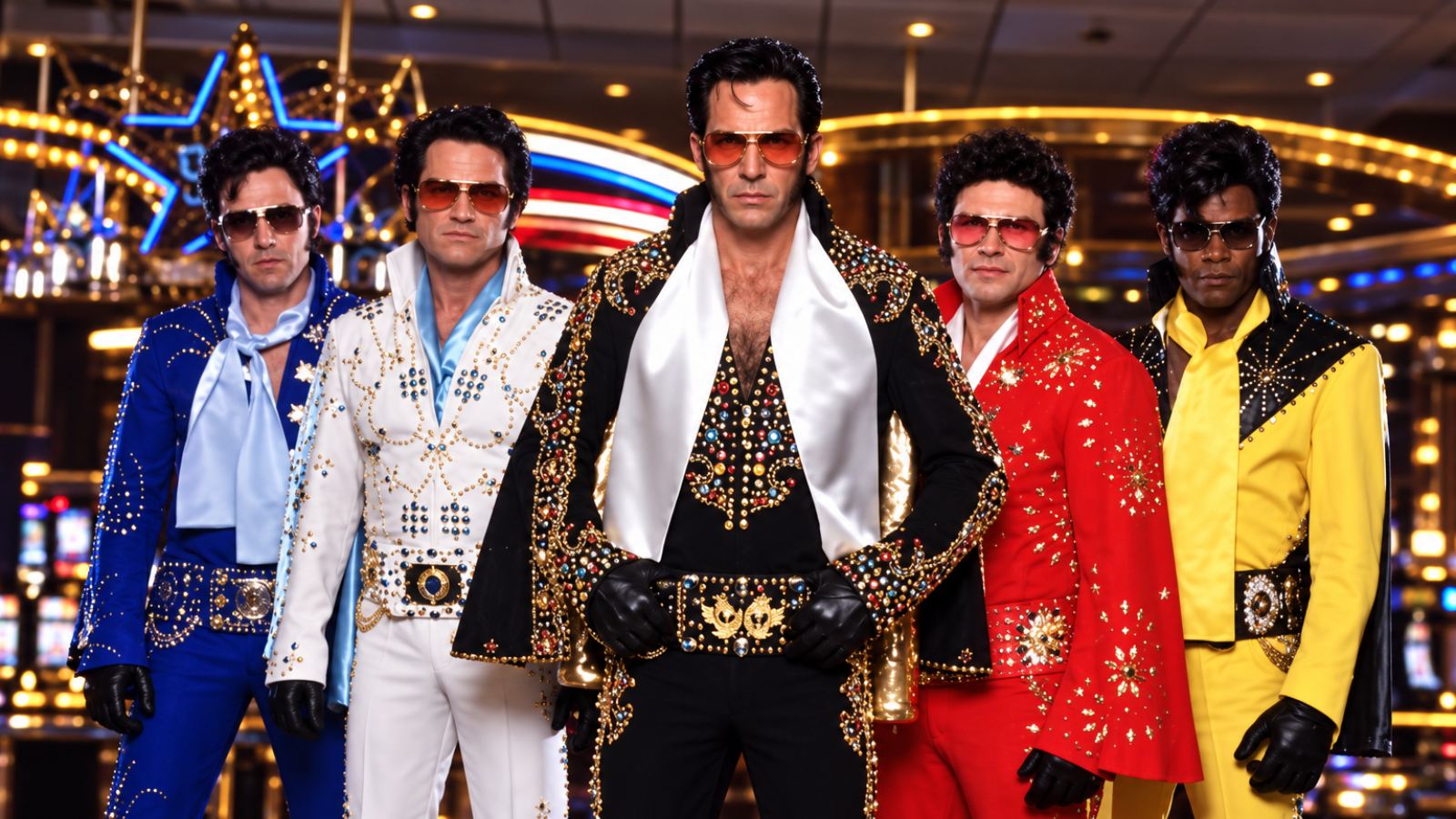
Kurt Russell and Kevin Costner play members of a crew who dress as Elvis impersonators, walk into a Las Vegas casino during an Elvis convention, and rob the place.
That should tell you pretty quickly what kind of movie you’re dealing with.
And the robbery is really just the beginning. From there, it turns into a violent road-trip crime movie full of double-crosses, stolen money, bad decisions, and a cast that is much better than you’d expect for something this ridiculous.
Costner is especially fun because he’s playing so far against type. Forget John Dutton—this is something closer to Tony Soprano Kevin Costner. Kurt Russell is Kurt Russell, which is usually a good thing, and Courteney Cox gets dragged into the mess along the way.
Is it over the top? Absolutely.
Does every part of it work? No.
But it has personality, moves fast, and never feels like just another generic crime movie.
Sometimes ridiculous works.
3000 Miles to Graceland is proof.
💡
Messy, excessive, and much more entertaining than you would expect.
A ridiculous, violent Elvis-heist movie with Kurt Russell and Kevin Costner that absolutely should not work as well as it does.
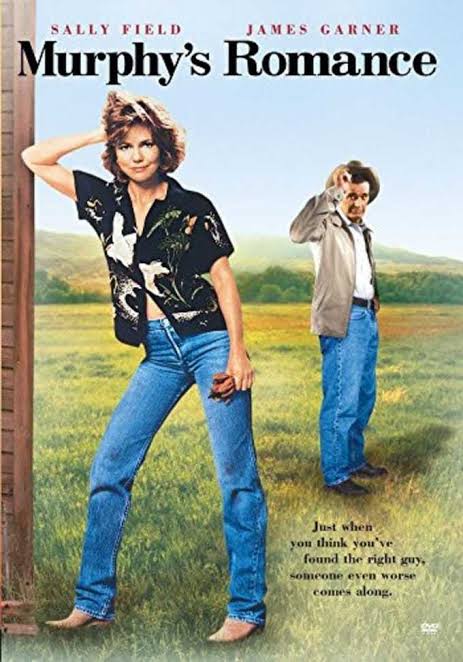
There’s nothing particularly flashy about Murphy’s Romance. Far from it.
That’s a large part of why it works.
Sally Field plays Emma, a recently divorced mother trying to start over in a small Arizona town. James Garner is Murphy, an older local pharmacist who gradually becomes part of her life.
And gradually is the important word.
This isn’t a movie built around some giant romantic contrivance. The relationship develops through conversations, small favors, irritation, friendship and time. Garner is effortlessly likable without playing Murphy as some perfect fantasy, and Field gives Emma enough stubbornness and independence that the movie never feels like she’s simply waiting for someone to rescue her.
It’s funny, warm and remarkably comfortable with being about adults behaving more or less like adults.
If you’ve never seen Murphy’s Romance, it’s exactly the kind of older movie worth digging back up.
💡
A quiet little movie with more charm than most films twice its size.
A warm, funny, unusually grown-up romance with Sally Field and James Garner — and exactly the kind of movie that seems to have slipped out of the conversation.
1990s
Recommendations, reviews, and editorial picks from Ben’s Movie Guide.
Mystery, Alaska has almost everything you want from a sports movie.
An underdog team. A tiny town with an outsized sense of pride. Personal grudges. Family problems. A big game nobody expects them to win.
It’s all there.
Oh yeah, and hockey.
The premise is wonderfully simple: the amateur hockey players of Mystery, Alaska suddenly get the chance to play an exhibition game against the New York Rangers.
On their own ice.
It sounds ridiculous, but the movie takes the idea seriously enough that you don’t even think about it.
Pre-Gladiator Russell Crowe leads a strong ensemble cast, with Burt Reynolds, Hank Azaria and Mary McCormack giving the town enough personality that the movie feels bigger than the game itself.
The hockey matters, but Mystery, Alaska is really about a community being handed one improbable moment.
It’s funny without being a comedy, a little sentimental, and not entirely predictable.
It’s not for everyone, but if you love hockey, Russell Crowe, Burt Reynolds or sports movies in general... this one is for you.
A small Alaskan town, a hockey team with something to prove, and a surprisingly warm sports movie that deserved a much bigger audience.
💡
One of the best sports movies almost nobody talks about.
Mystery, Alaska is one of the best sports movies nobody talks about.
Russell Crowe plays John Biebe, one of the best hockey players in Mystery, Alaska—a tiny town where the weekly Saturday Game is basically the center of civic life.
Then somebody gets the bright idea to bring the New York Rangers to Mystery for an exhibition game on the town’s frozen pond.
Yes, that’s the premise.
Ridiculous? Sure. But it works—and not in a goofball comedy way.
The movie has hockey, but it’s really about the town and the people in it. Burt Reynolds, Hank Azaria and a deep supporting cast give Mystery enough personality that the game actually matters by the time everyone finally takes the ice.
A small-town hockey movie with Russell Crowe, Burt Reynolds and one wonderfully ridiculous premise: what happens when the New York Rangers come to town?
💡
Somehow, it’s both a great movie and hard to watch.
Leaving Las Vegas is the kind of movie I hesitate to recommend even though I think it’s excellent.
Ben Sanderson, played by Nicolas Cage, is a Hollywood screenwriter whose life has collapsed under his alcoholism. He goes to Las Vegas with one goal: drink until he dies. There he meets Sera, played by Elisabeth Shue, a prostitute with plenty of damage of her own.
Cage is extraordinary. This is the performance that won him the Oscar, and he earns it. But Shue is just as important. Without her, this could easily become two hours of watching a man destroy himself. She gives the movie its heart.
I wouldn’t recommend putting it on after a long day when all you want is to unwind.
It’s painful to watch, and it doesn’t let you off easy.
Leaving Las Vegas is devastating, unforgettable, and almost impossible to casually recommend. It’s also one of the best performances Nicolas Cage ever gave.
I don’t generally like serial-killer movies. I just don’t usually enjoy spending two hours inside that particular kind of story.
Switchback is different. It doesn’t feel like a typical serial-killer movie.
It feels more like a thriller that happens to have a serial killer in it.
And that is a big part of why I like it.
Dennis Quaid plays Frank LaCrosse, an FBI agent whose pursuit of the killer has become deeply personal. His investigation takes him through small towns and cold, isolated stretches of the American West.
Meanwhile, Danny Glover plays Bob Goodall, a railroad worker who crosses paths with a young drifter played by Jared Leto.
Goodall is friendly, talkative, funny, and yet slightly odd. Glover plays him with exactly the kind of warmth that makes you want to trust him — while giving you just enough reason not to.
The movie spends a lot of time on highways, trains, diners, snowy landscapes, and remote towns. That setting matters.
Instead of constantly rushing from murder to clue to confrontation, the movie has room to breathe. Characters talk. Relationships develop.
You are watching these people move toward each other without always knowing exactly what is going to happen when they finally collide.
That makes Switchback feel much more human than most movies in this genre.
Danny Glover is excellent. Dennis Quaid gives the movie weight. The locations are terrific. And the suspense builds gradually instead of being manufactured every five minutes.
There are dozens of better-known serial-killer movies from the 1990s.
I usually avoid serial-killer movies. Switchback is the exception — a tense, atmospheric ’90s thriller with a great Danny Glover performance and far more personality than most movies in the genre.
There are movies that feel very much like the decade they came from.
The Fugitive somehow doesn’t.
Harrison Ford plays Dr. Richard Kimble, convicted of murdering his wife and sent to prison for a crime he insists he didn’t commit. He gets an opportunity to escape, and from that point forward the movie basically never stops moving.
But what makes The Fugitive so good is that it isn’t just a chase movie.
Kimble is trying to stay free long enough to figure out who actually killed his wife, while Deputy U.S. Marshal Samuel Gerard — played perfectly by Tommy Lee Jones — is methodically closing in on him.
Neither character is stupid. Neither one survives because the screenplay suddenly makes everyone else incompetent. That alone makes the movie unusually satisfying.
Ford is exactly the right actor for Kimble: intelligent, frightened, exhausted, and determined without ever turning into an action superhero.
And Jones nearly steals the movie.
His Gerard is relentless, funny, and completely uninterested in Kimble’s claims of innocence. His job is to catch an escaped prisoner, and that’s exactly what he intends to do.
If you somehow missed The Fugitive, there’s really only one thing I can say:
Fix that.
💡
One of the best chase movies ever made — and somehow it barely feels dated.
Harrison Ford running for his life, Tommy Lee Jones chasing him, and almost no wasted motion. Decades later, The Fugitive is still an exceptionally good thriller.
Michael Keaton has had one of the strangest and most interesting careers in Hollywood.
He was Batman before superhero movies became a factory. He was Beetlejuice. He disappeared for stretches, came back, and eventually reminded everyone just how good he was.
Keaton plays Bob Jones, a successful man who learns he has terminal cancer just as his wife is expecting their first child. Knowing he may never get the chance to know his son, he begins recording videos so the child can someday know who his father was.
That premise could have become manipulative very quickly.
It didn’t.
Instead, My Life works because Keaton keeps Bob incredibly human. He is scared, angry, funny, stubborn, and not always especially graceful about what is happening to him.
Bob starts looking backward at his family, his choices, the things he has avoided, and the people he has kept at a distance. The recordings begin as a practical project for his unborn son, but they become something more — an attempt to make sense of his own life while there is still time.
And when the movie finally lands emotionally, it does so because you have spent enough time with Bob to feel what he is losing.
My Life is not subtle. It wants something from you. It is designed to hurt.
But it earns that emotion.
For all the larger and more famous movies in Keaton’s career, this may be the one that shows the most of what he can do as an actor.
Michael Keaton has played Batman, Beetlejuice, and plenty of memorable oddballs. But *My Life* may be the most moving performance of his career.
💡
Somehow, it’s both a great movie and hard to watch.
Leaving Las Vegas is not the kind of movie you throw on because you want to relax.
It is bleak, uncomfortable, emotionally exhausting, and populated by two people whose lives are already badly damaged when they find each other.
And somehow, it is also tender.
Nicolas Cage plays Ben Sanderson, a screenwriter who has come to Las Vegas to drink himself to death (literally). There he meets Sera, played by Elisabeth Shue. Her life is a mess too, though in a different way, and the two of them form a connection that neither seems to expect.
That sounds like a rough two hours. It is.
Why it works
The movie never pretends that Ben and Sera can fix each other. Ben isn’t suddenly going to stop drinking because he met the right person, and Sera has problems that a new relationship won’t solve either.
What they can do is give each other a little comfort. That may not sound like much, but it’s what makes the movie work.
Cage won the Academy Award for this role, and absolutely deserved it. Most actors are terrible at playing drunk. Cage is brilliant at it. He can be funny and charming one moment, then make you remember exactly where Ben is headed the next.
Shue is just as good. I’m a big fan of Elisabeth Shue and, without her, this could have become two hours of watching Nicolas Cage fall apart.
Should you watch it?
Yes, if you’re up for something heavy. I wouldn’t recommend putting it on after a long day when all you want is to unwind. It’s painful to watch, and it doesn’t let you off easy.
A devastating, unforgettable drama anchored by one of Nicolas Cage’s best performances — and the kind of great movie you may only want to watch once.
The ’90s gave us plenty of movies everybody still talks about.
These aren’t those.
None of these are obscure exactly, but they’ve slipped far enough out of the conversation that a lot of people either haven’t seen them in years or never got around to them in the first place.
That should probably change.
1. Breakdown (1997)
Kurt Russell’s wife disappears after their car breaks down in the middle of nowhere.
That’s really all you need.
Breakdown is one of those movies that wastes almost no time getting to the problem and then spends the rest of the movie making that problem worse.
Russell plays an ordinary guy who suddenly has to figure out who took his wife, where she went, and why nobody seems particularly interested in helping him.
If you like tight thrillers that don’t need two and a half hours to make their point, this one is absolutely worth going back to.
2. The Negotiator (1998)
Samuel L. Jackson and Kevin Spacey spend much of The Negotiator trying to outthink each other.
That’s enough to make the movie work.
Jackson plays a police negotiator who is framed for a crime and takes hostages in an attempt to prove what really happened. Spacey plays the negotiator brought in to talk him out.
So now you have one professional negotiator trying to negotiate with another professional negotiator.
Good setup.
The movie gives both actors plenty of room to work, and the back-and-forth between them is much more interesting than another generic police standoff.
It’s smart, tense and very ’90s in the best way.
3. Executive Decision (1996)
There was a stretch in the ’90s when Hollywood was very good at making movies and Kurt Russell seemed to be in half of them.
He’s already shown up once on this list with Breakdown. Here he is again.
In Executive Decision, Russell leads a team trying to secretly board a hijacked passenger jet in midair before terrorists can use it as a weapon.
Yes, the premise is ridiculous.
And that’s part of the fun.
The movie takes itself seriously enough to create real tension without becoming so serious that you start asking too many questions about how any of this is actually possible.
And it has one of the better early surprises in a ’90s action movie.
If you’ve forgotten this one, it’s worth remembering.
4. October Sky (1999)
This is probably the quietest movie on the list and it may also be the easiest to recommend.
Jake Gyllenhaal plays Homer Hickam, a kid growing up in a West Virginia coal town who becomes obsessed with rockets after seeing Sputnik cross the sky.
His father expects him to work in the mine. Homer has other ideas.
Homer wants to build rockets. He fails. A lot. Rockets explode. People doubt him. He keeps going.
That’s the movie.
Chris Cooper is excellent as his father, and the relationship between the two gives the movie most of its weight.
It’s sincere without becoming syrupy.
5. A River Runs Through It (1992)
A River Runs Through It is a movie about family, Montana, fly fishing and the fact that loving somebody doesn’t necessarily mean you can save them.
Brad Pitt and Craig Sheffer play brothers who grow up under a strict but loving father, played by Tom Skerritt.
One brother is steady.
The other is not.
You can probably guess which one Pitt plays.
This is a slower movie than the others on the list, but that’s exactly what it should be. The scenery is beautiful, the performances are strong, and the story has the kind of sadness that sneaks up on you instead of announcing itself.
It’s the sort of movie people remember liking but don’t necessarily think about watching again.
They should.
These five didn’t disappear.
They just got buried under thirty years of newer movies.