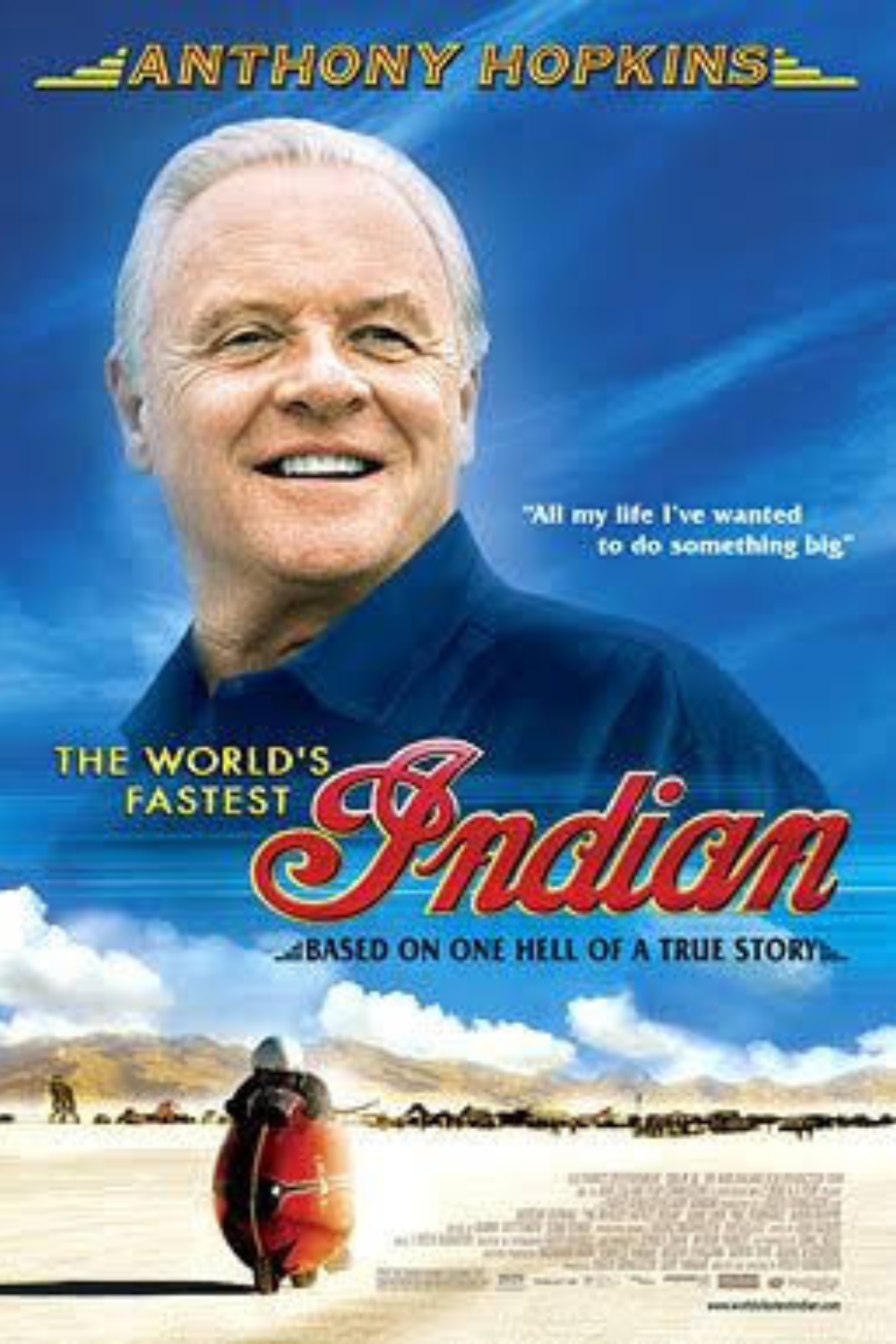
The World’s Fastest Indian features Anthony Hopkins as Burt Munro, a New Zealander who has spent years modifying an old Indian motorcycle in his garage. His goal is simple: get the bike to the Bonneville Salt Flats in Utah and see how fast it can go.
That is basically the whole movie.
Burt is not wealthy, polished, or especially concerned with what other people think. He is obsessive, stubborn, mechanically gifted, and completely convinced that the trip is worth making even when almost everything about it seems impractical.
The movie follows Burt as he travels to the United States, meets a string of strangers, solves problems as they come up, and slowly makes his way toward Bonneville. Much of the pleasure is simply watching him interact with people.
There is very little cynicism in the movie.
That is part of its charm.
The stakes are personal rather than world-changing. Burt is not trying to become famous. He wants to find out what he and his motorcycle are capable of before he runs out of time.
By the time he finally reaches the salt flats, you are completely invested.
💡
An odd little movie about an old man chasing a speed record — and it’s terrific.
Anthony Hopkins plays a New Zealand motorcycle obsessive chasing a land-speed record in Utah. It’s funny, warm, and one of the easiest movies to recommend.
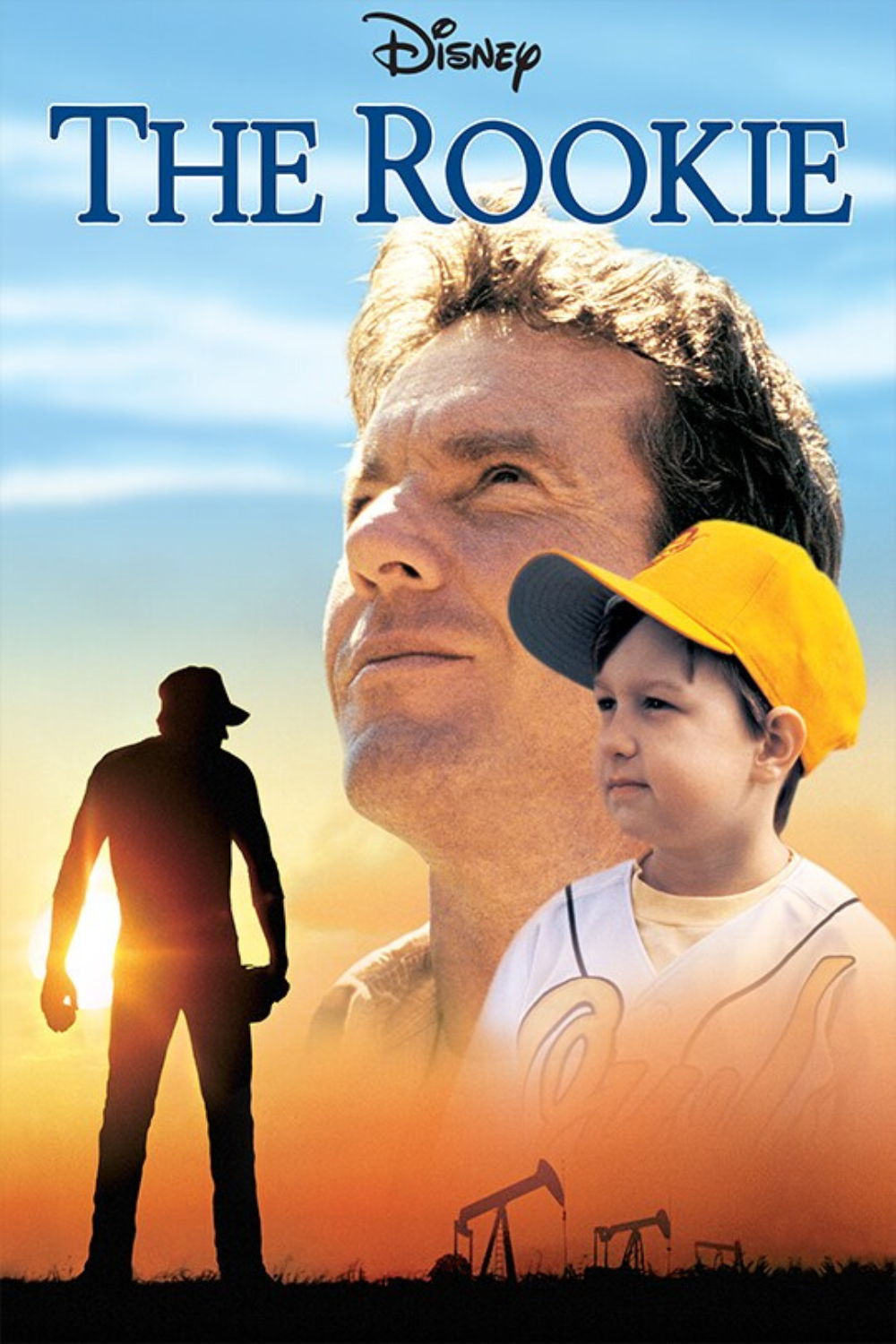
The Rookie is based on the kind of true story that sounds made for a movie.
Dennis Quaid plays Jim Morris, a high-school science teacher and baseball coach whose own playing career ended years earlier. When his struggling team makes him a deal — if they win the district championship, he has to try out for the major leagues — Morris agrees.
Then the team wins.
That leaves him with a promise to keep and a very unlikely second chance.
Quaid plays Morris with restraint. He is not chasing fame. He is trying to find out whether the opportunity he thought was gone forever might still exist.
The movie is slightly sentimental, but the story stays grounded in family, work, and the reality of starting over when everyone else assumes that part of your life is already finished. Morris does not need to become the best player in the world.
He only needs to prove that he still belongs.
By the end, you're convinced that he does.
💡
A very good sports movie built around an even better true story.
Dennis Quaid plays a high-school baseball coach who gets an improbable shot at the major leagues. It’s earnest, straightforward, and exactly the kind of sports movie that works because it never tries too hard.
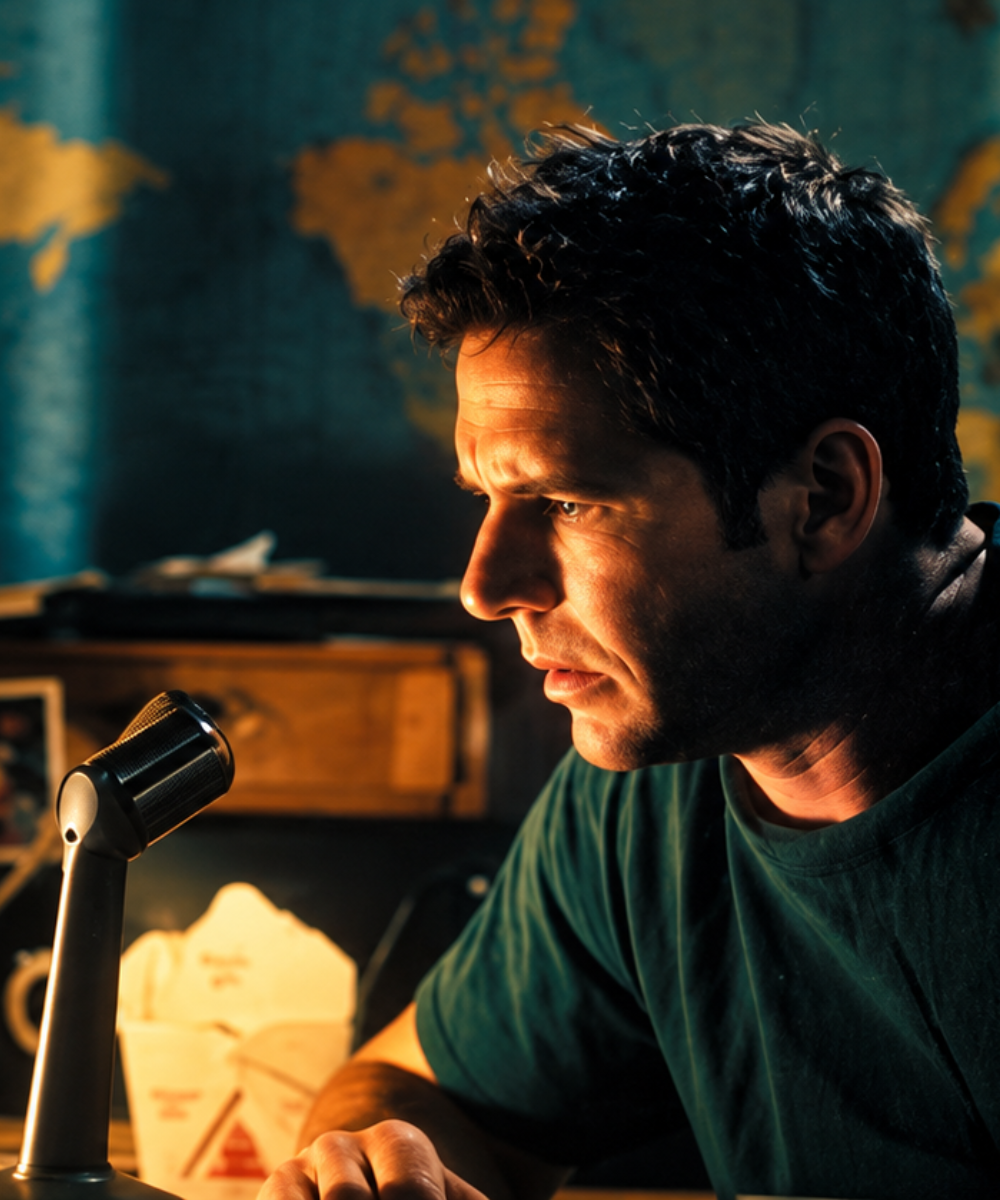
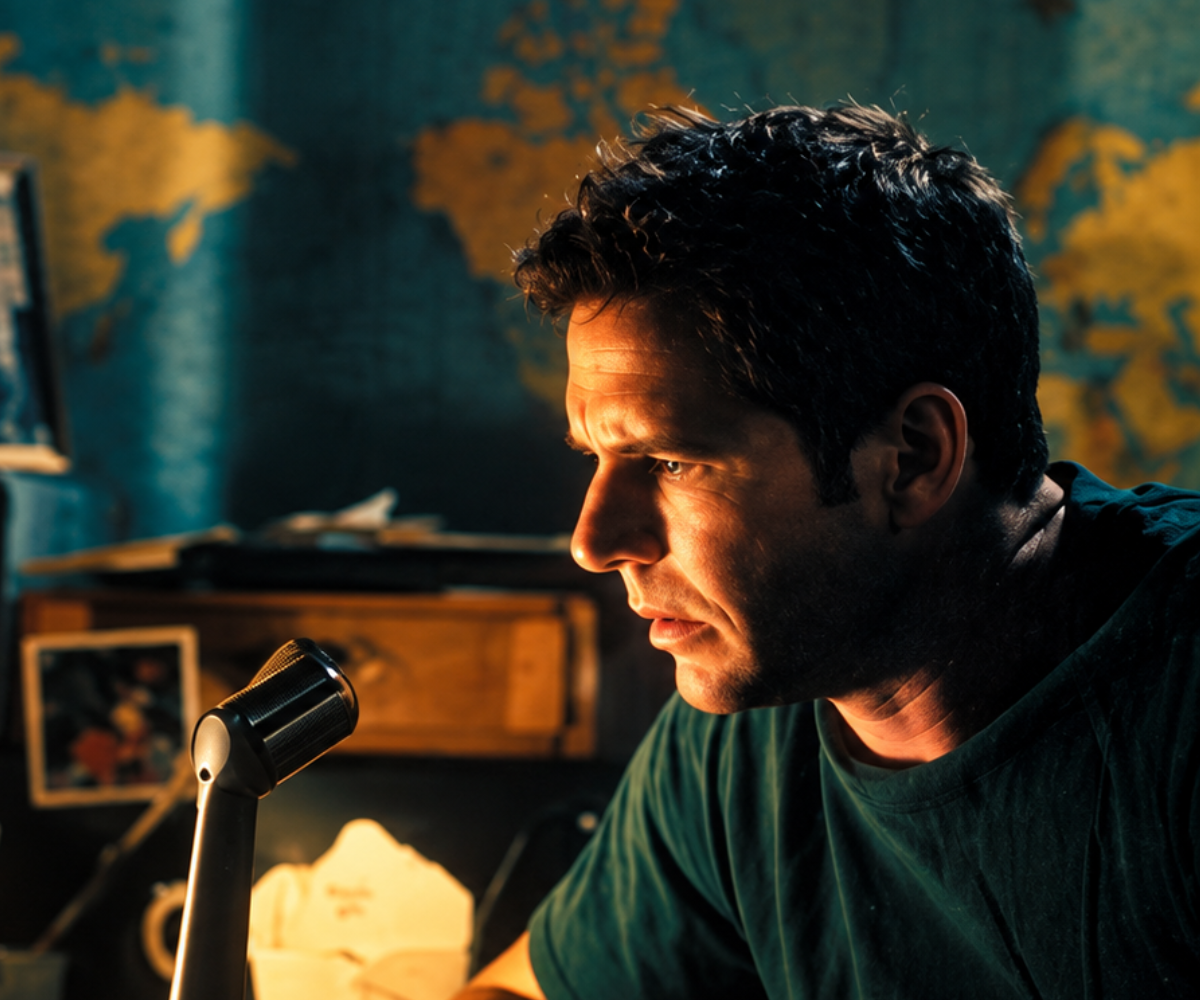
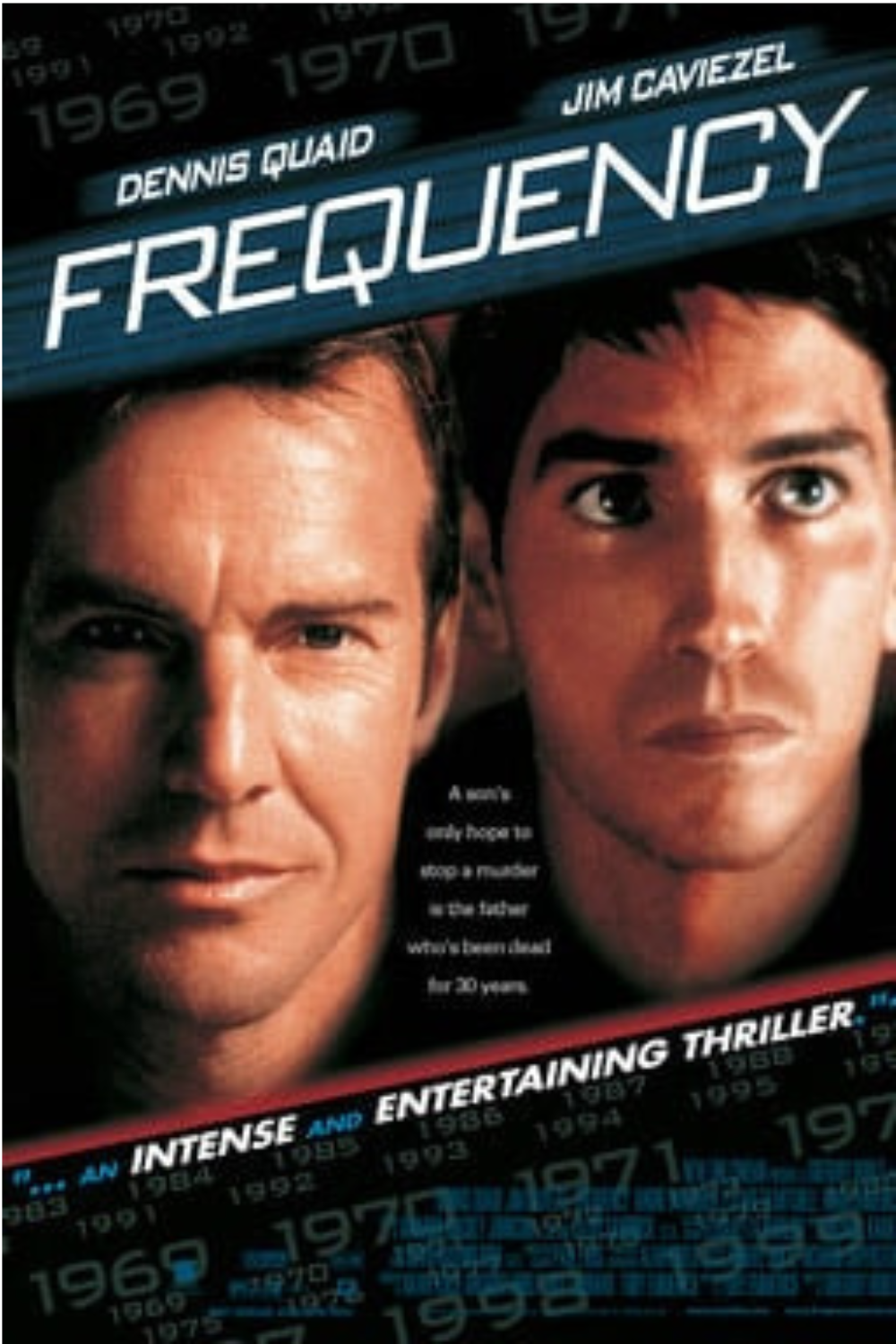
Frequency has a clever premise: an old ham radio somehow allows Jim Caviezel, playing John Sullivan, to connect with his father, Frank, played by Dennis Quaid.
The problem is that Frank died 30 years earlier.
Once John realizes what is happening, he does what almost anyone would do: he tries to change the past.
That is where the movie gets interesting.
Frequency starts as a high-concept father-and-son story, but it gradually turns into a murder mystery and thriller. Every change John makes in the past has consequences in the present.
Dennis Quaid is especially good as Frank. He gives the movie warmth and credibility, which matters because the central idea is so improbable. Caviezel plays the more restrained role, but the relationship between the two is what keeps the movie grounded.
The best thing about Frequency is that it never becomes just a time-travel puzzle. I’m not really into those.
Ultimately, it’s about a son getting one impossible chance to talk to his father again.
But it’s not heavily sentimental. Instead, it’s more suspenseful, becoming increasingly tense as the story develops.
If you missed Frequency when it came out, it is exactly the kind of movie worth going back for.
💡
A smart, suspenseful thriller with an unusual premise that completely works.
A son somehow talks to his dead father across 30 years through an old ham radio. It sounds gimmicky. Instead, Frequency turns into a smart, emotional thriller that works far better than it should.
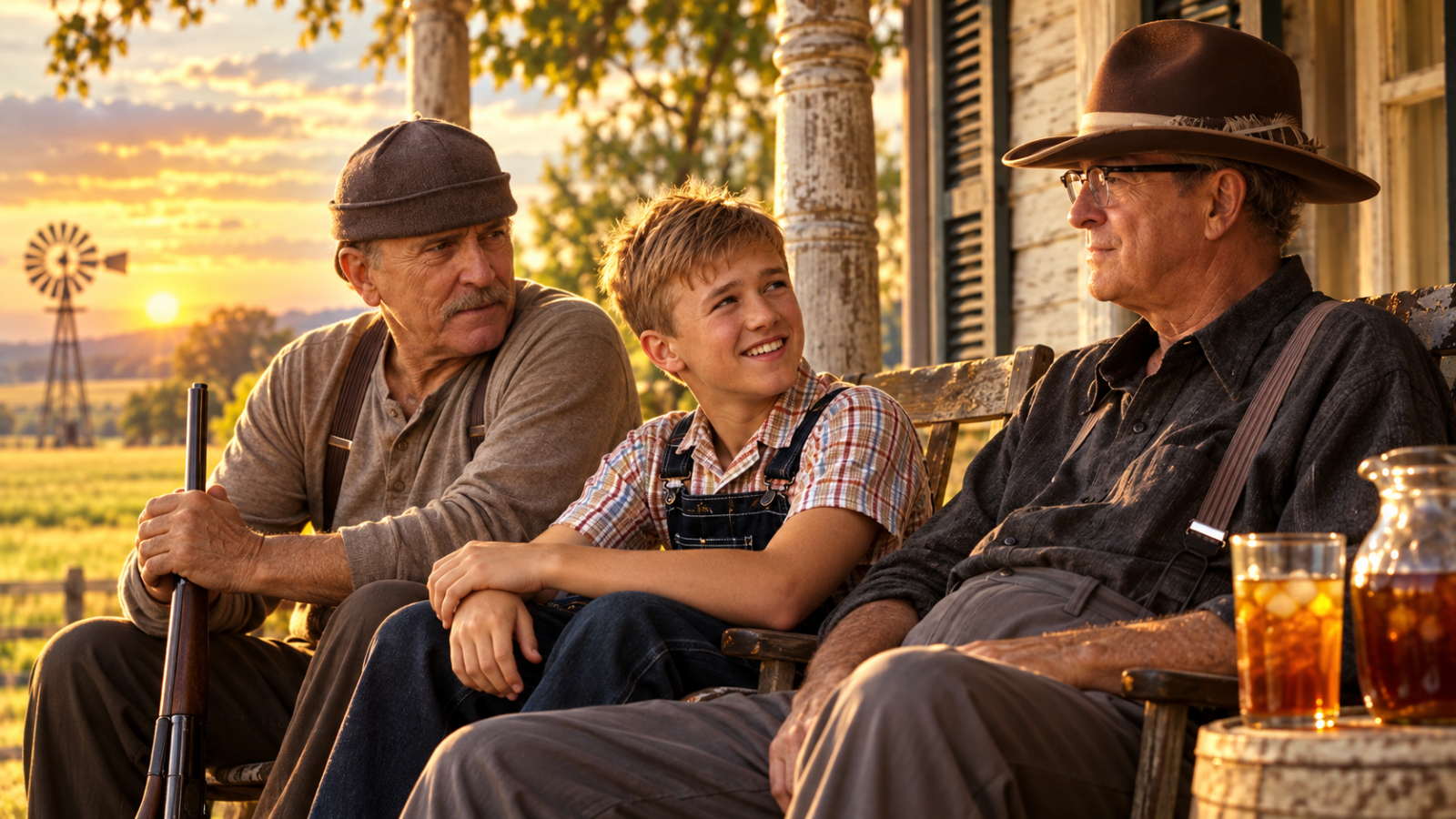
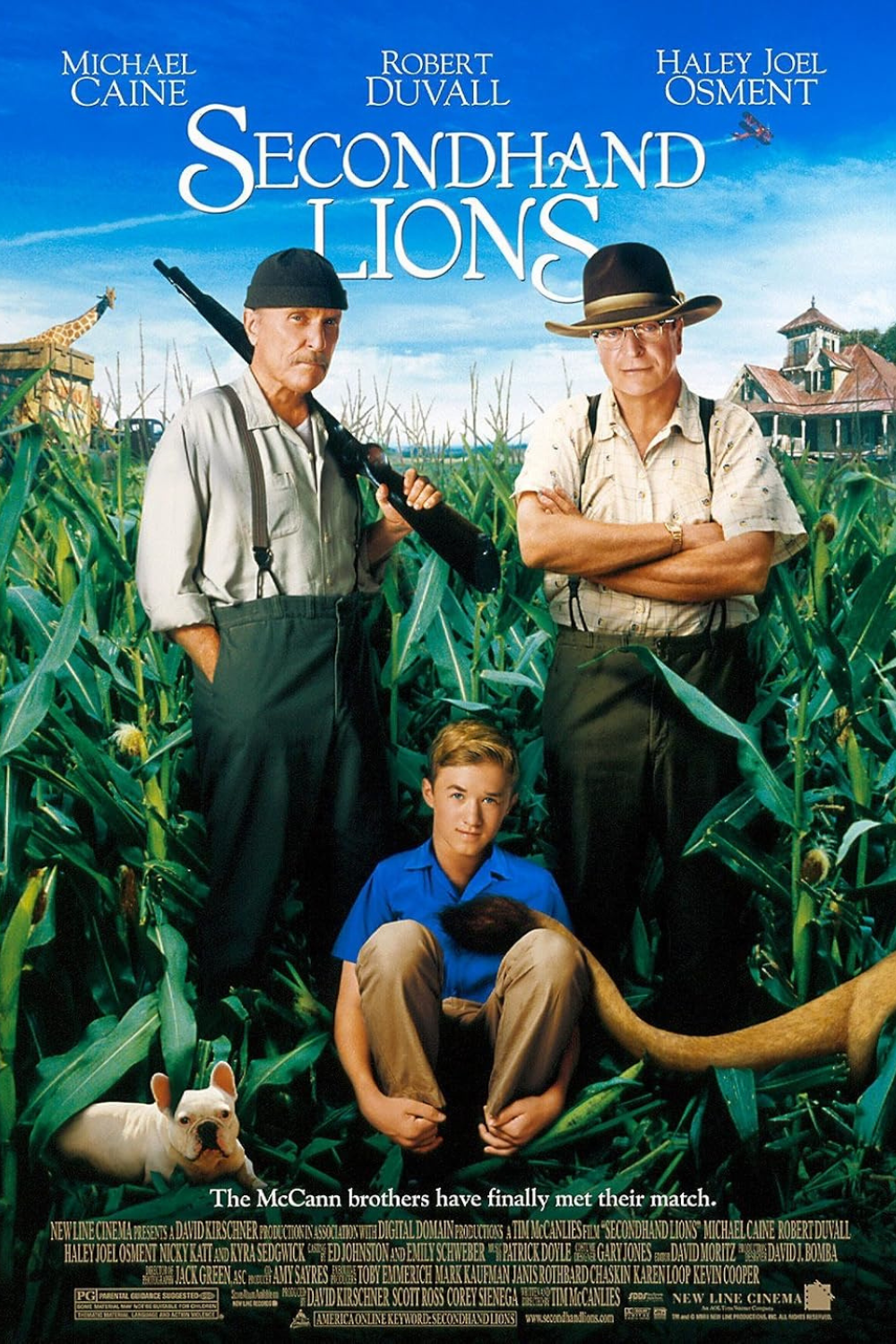
Secondhand Lions is about a shy kid getting dumped for the summer with two eccentric great-uncles in rural Texas. One is played by Robert Duvall. The other is Michael Caine. There are stories about lost fortunes, foreign adventures, old enemies, and a very large lion.
That setup sounds dangerously close to something overly cute or boring.
It isn’t either.
Haley Joel Osment plays Walter, a kid who has had very little stability in his life. His two uncles are not exactly natural caregivers. They’re gruff, private, slightly crazy, and completely uninterested in behaving the way adults are supposed to.
The movie gradually reveals more about who these men were, what they believe, and why Walter starts looking up to them. The stories aren’t necessarily true, but that’s beside the point.
Robert Duvall is especially good because he gives the movie its backbone. Michael Caine brings a different kind of warmth, and Osment holds his own between two actors who could easily have overwhelmed the movie.
There’s plenty of sentiment here, but it earns it.
It’s funny, adventurous, sincere, and surprisingly easy to rewatch.
Michael Caine and Robert Duvall as two eccentric old men raising a neglected kid in rural Texas sounds like it could have been unbearably sentimental. Instead, it’s funny, warm, and genuinely memorable.