Great movies. Hidden gems. Better recommendations for what to watch next.
The world has changed. Almost everyone is happy.
Carol Sturka isn’t.
Rhea Seehorn stars as one of the few people seemingly unaffected by whatever has transformed humanity into something very different. Everyone else seems perfectly content with the new arrangement.
Carol is not particularly interested in joining them.
Created by Breaking Bad and Better Call Saul creator Vince Gilligan, Pluribus starts with a bizarre premise and then gets considerably stranger from there. The show plays with science fiction, mystery and dark humor without being in much of a hurry to explain exactly what’s going on.
And that works.
This is one of those shows where knowing less is probably better. The setup is enough. The fun is in watching Carol try to figure out what kind of world she’s actually living in.
💡
Weird, patient and completely confident in its premise. Give it a few episodes — it’s worth sticking with.
Rhea Seehorn stars in Vince Gilligan’s strange sci-fi series about one woman who may be humanity’s last holdout against a very different world.
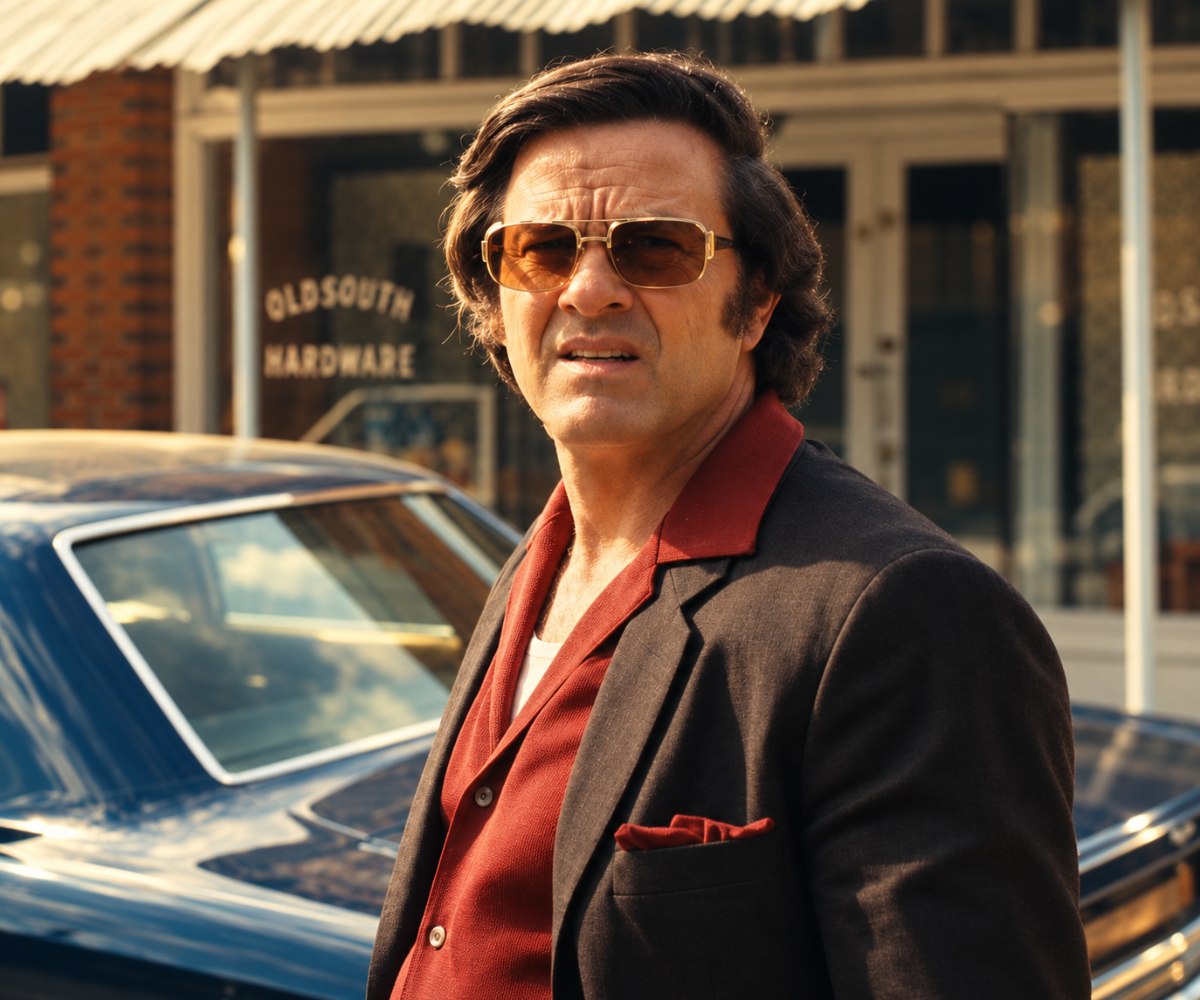
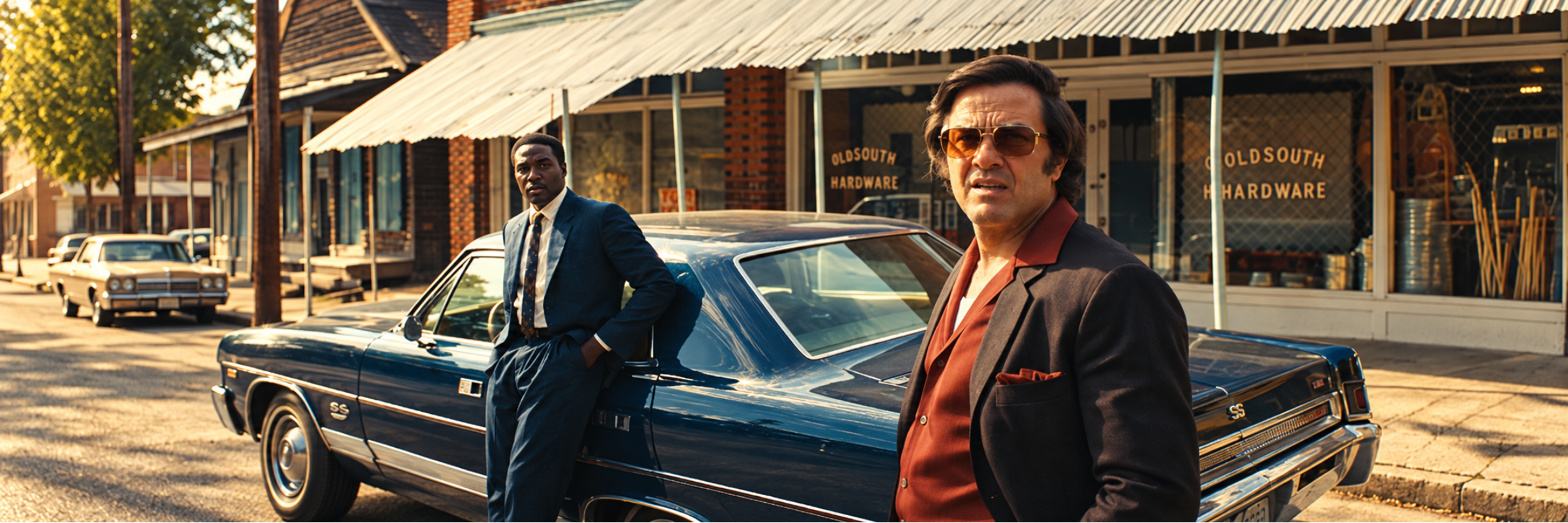
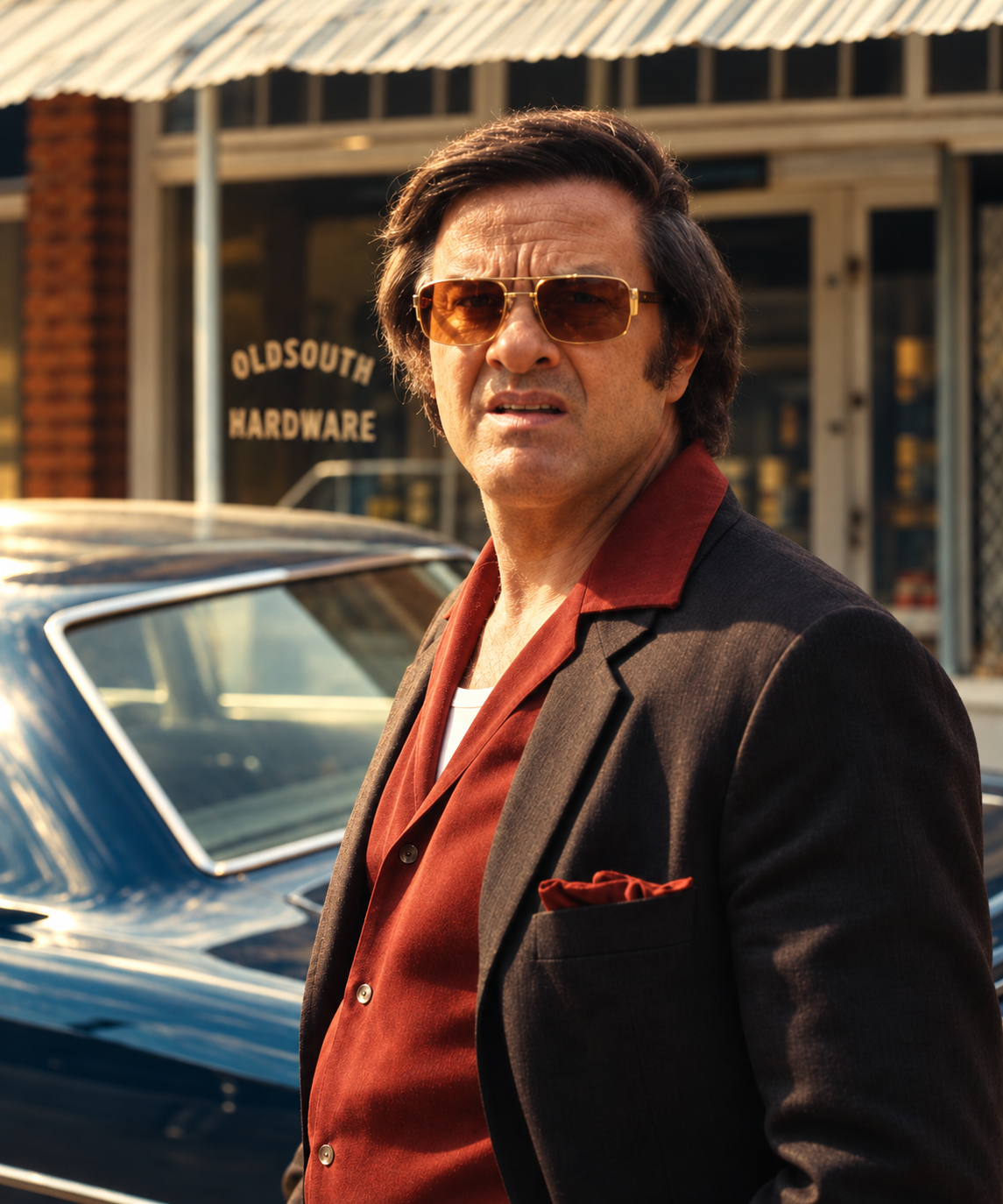
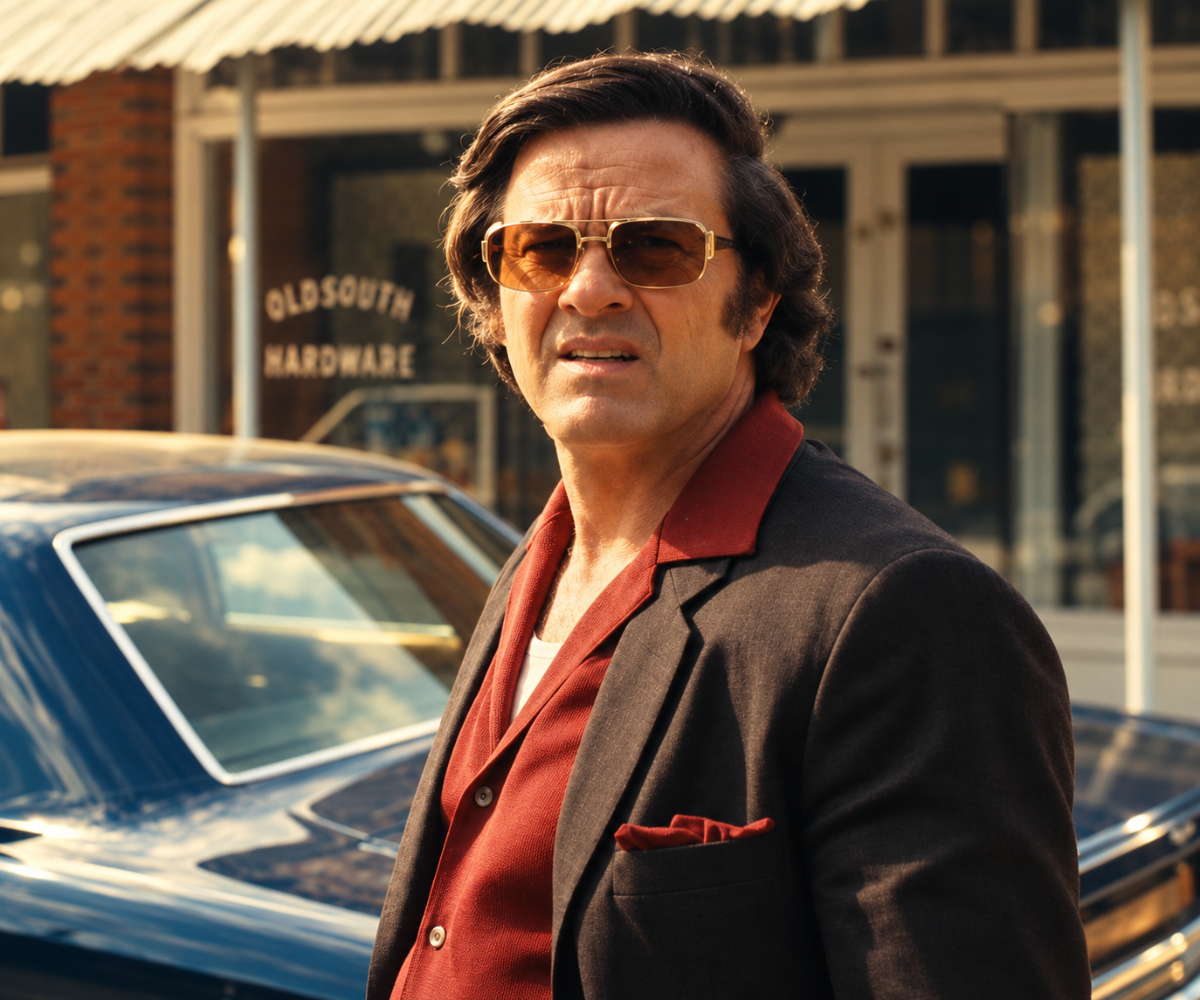
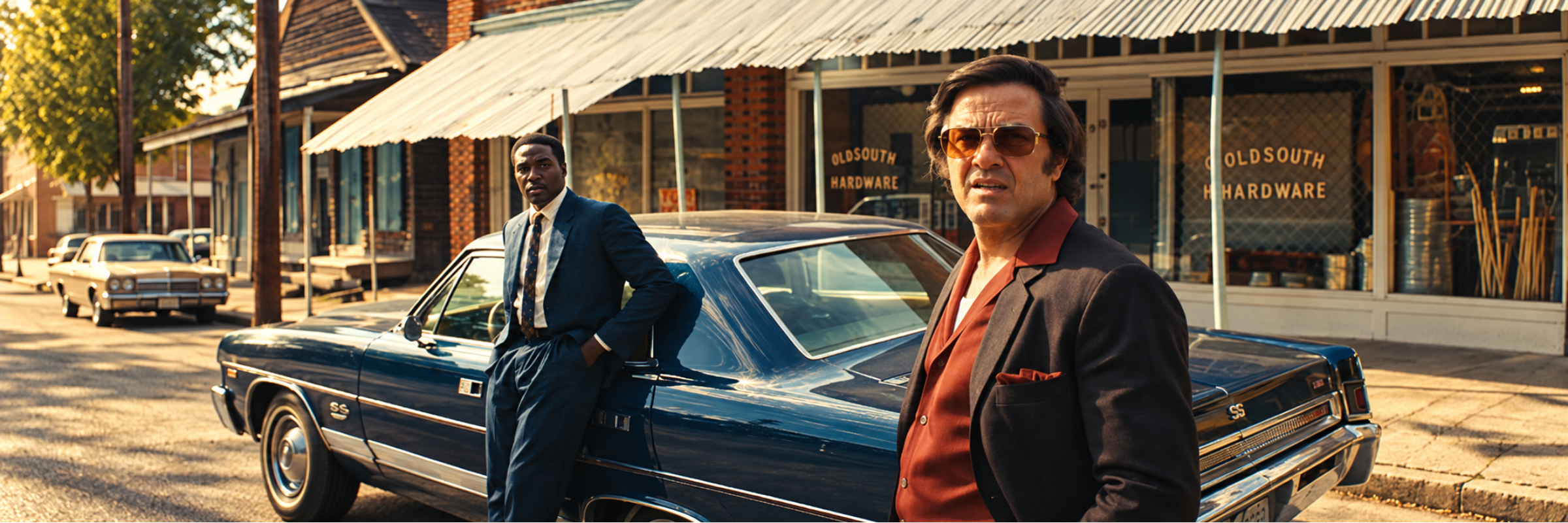
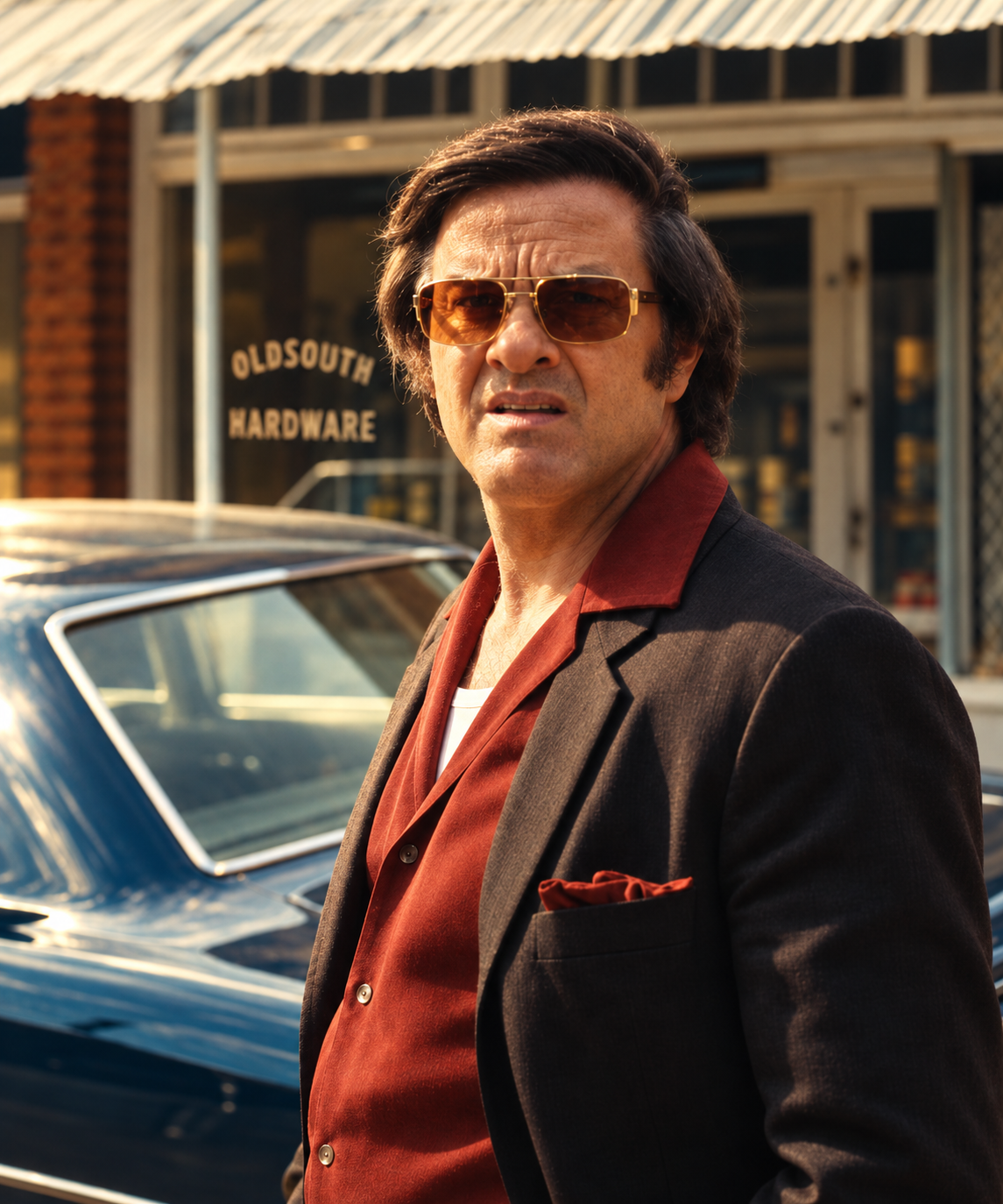
Confession: If Mark Wahlberg is in it, I’m probably going to watch it. So no, I’m not exactly unbiased here.
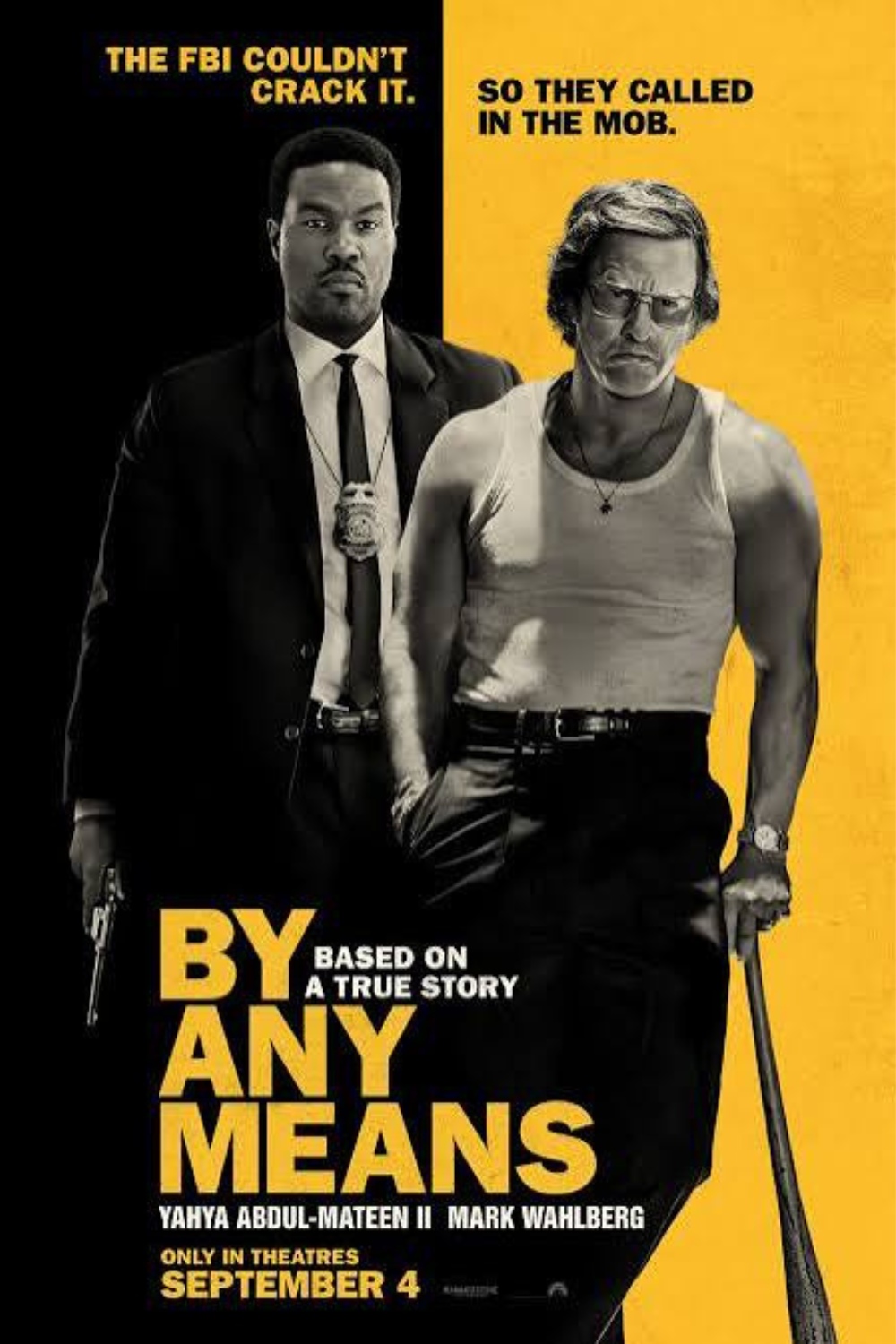
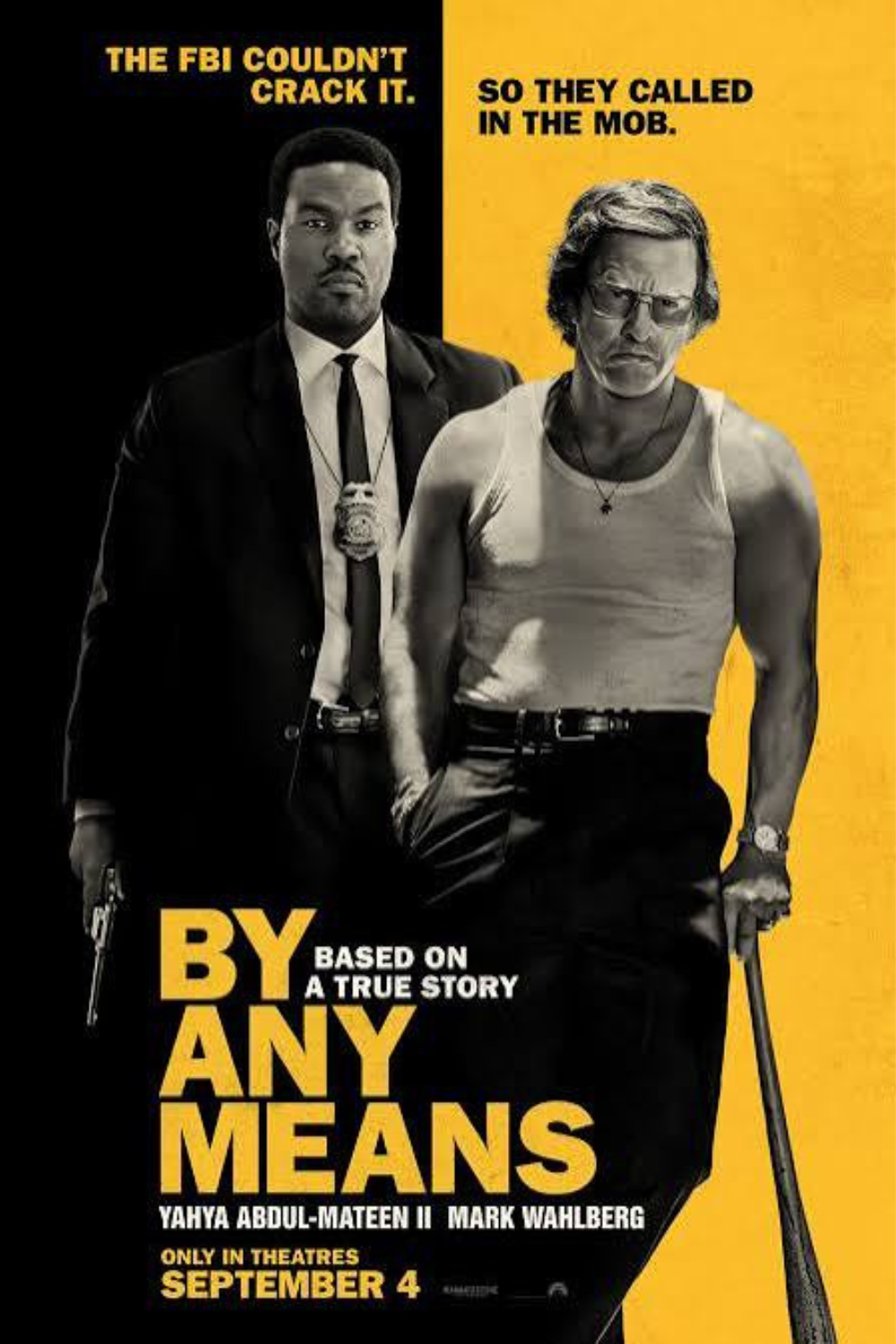
That said, By Any Means gave me pretty much what I wanted from it. Wahlberg is right in his comfort zone, but he also has a strong partner in Yahya Abdul-Mateen II, and the movie is better because of the contrast between the two.
Wahlberg brings that familiar tough-guy energy, while Abdul-Mateen gives the story a different kind of weight. Their dynamic helps keep the movie from feeling like just another straightforward crime thriller.
The movie has a strong setup based on true events, a good sense of tension and enough going on to keep it from feeling flat. The story moves, the performances work and I was never sitting there wondering when it was going to get interesting.
Wahlberg is still a big part of why it worked for me. He has a very specific screen presence, and By Any Means leans into it instead of fighting it. There’s a familiarity to watching him in this kind of role, but for me, that’s part of the appeal.
At the same time, Abdul-Mateen keeps the movie from becoming too Wahlberg-y. The two of them give the story enough personality to carry the heavier material without making the whole thing feel overly serious.
It’s solid, entertaining and very easy to watch. Maybe I was always going to be an easy sell with Wahlberg involved, but By Any Means still gets the job done.
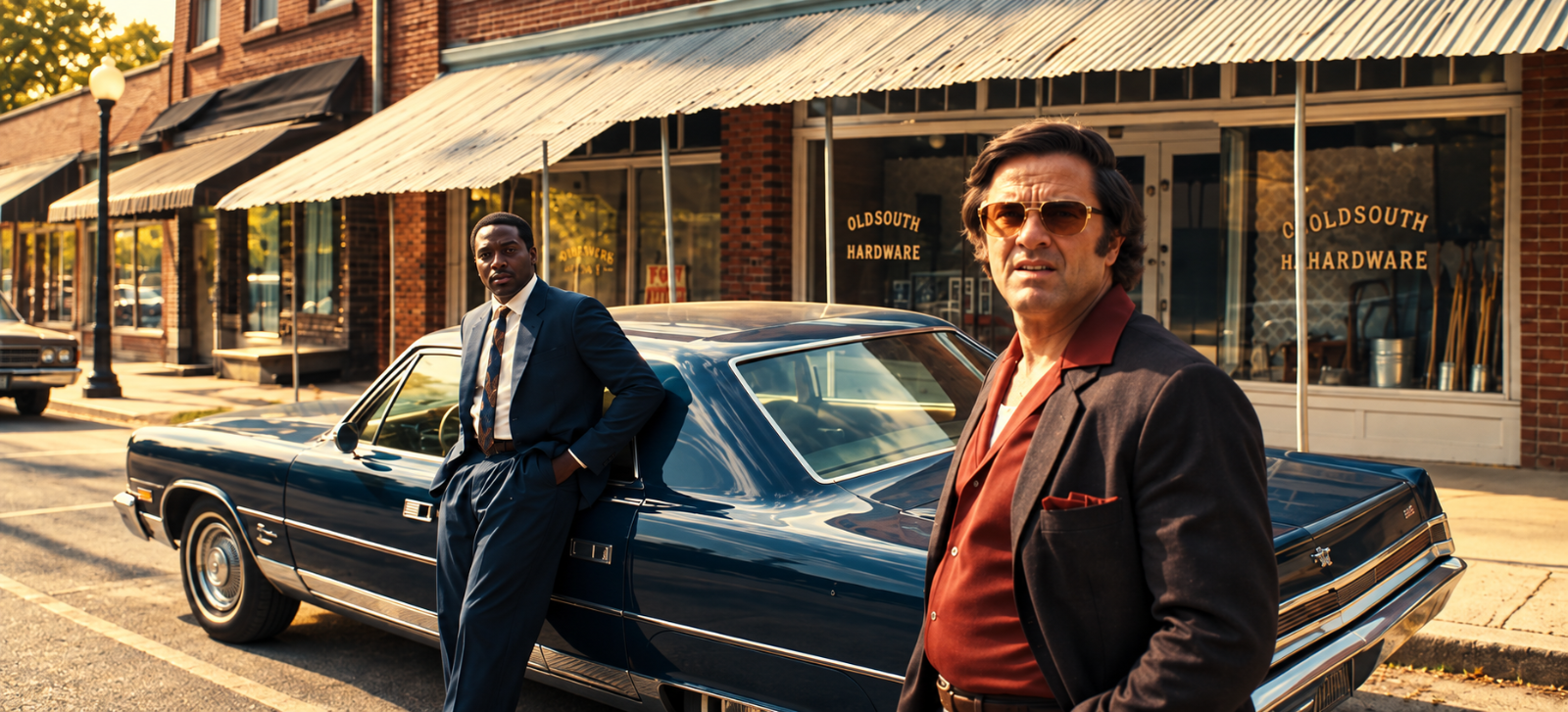
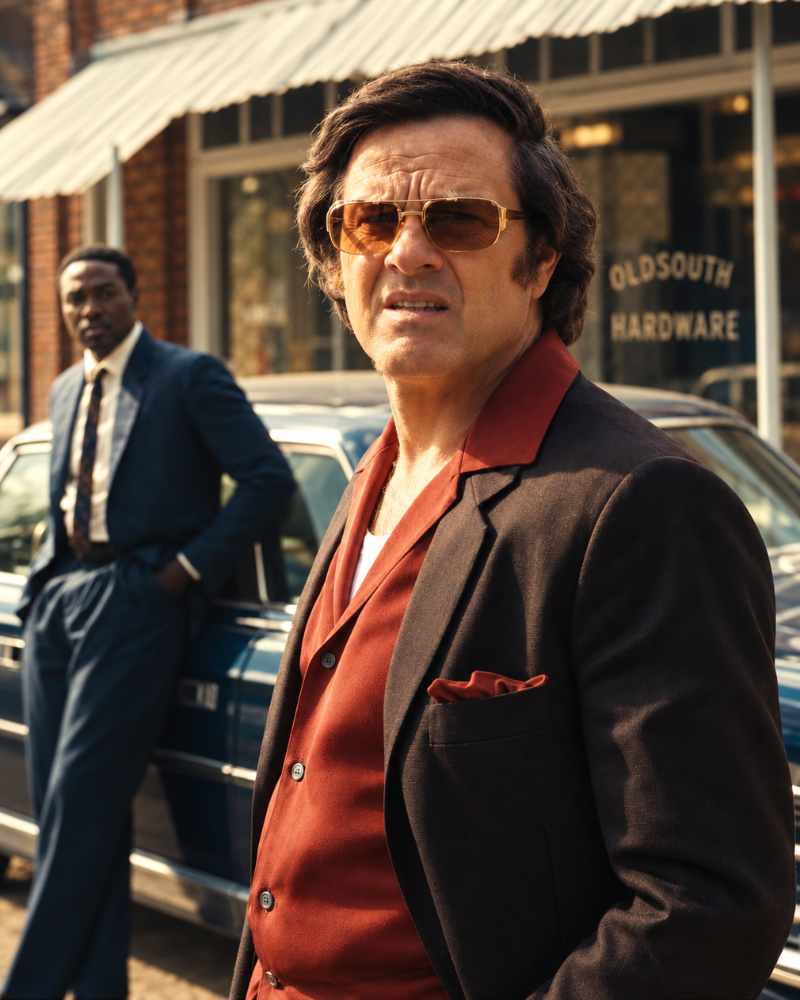
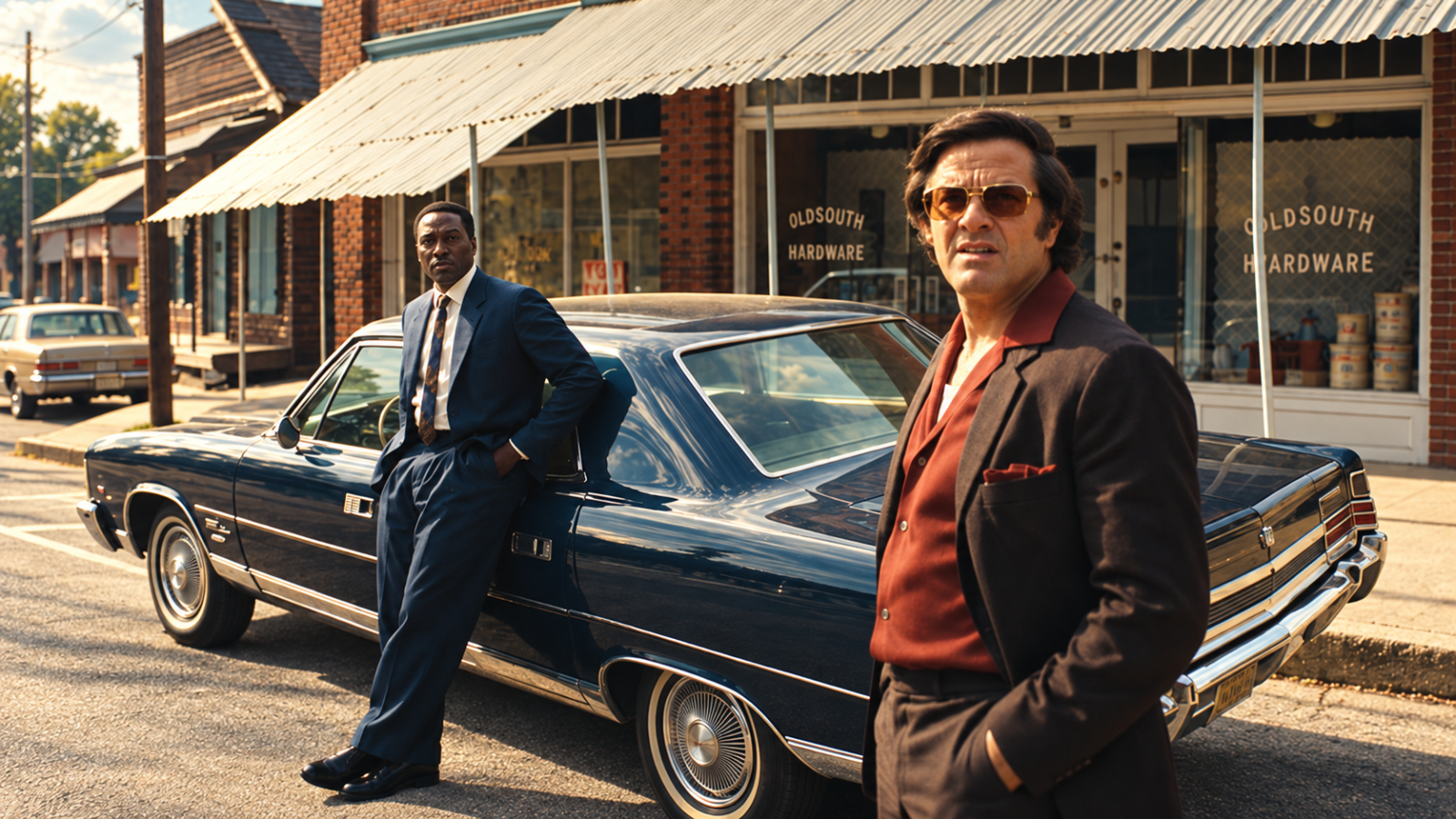
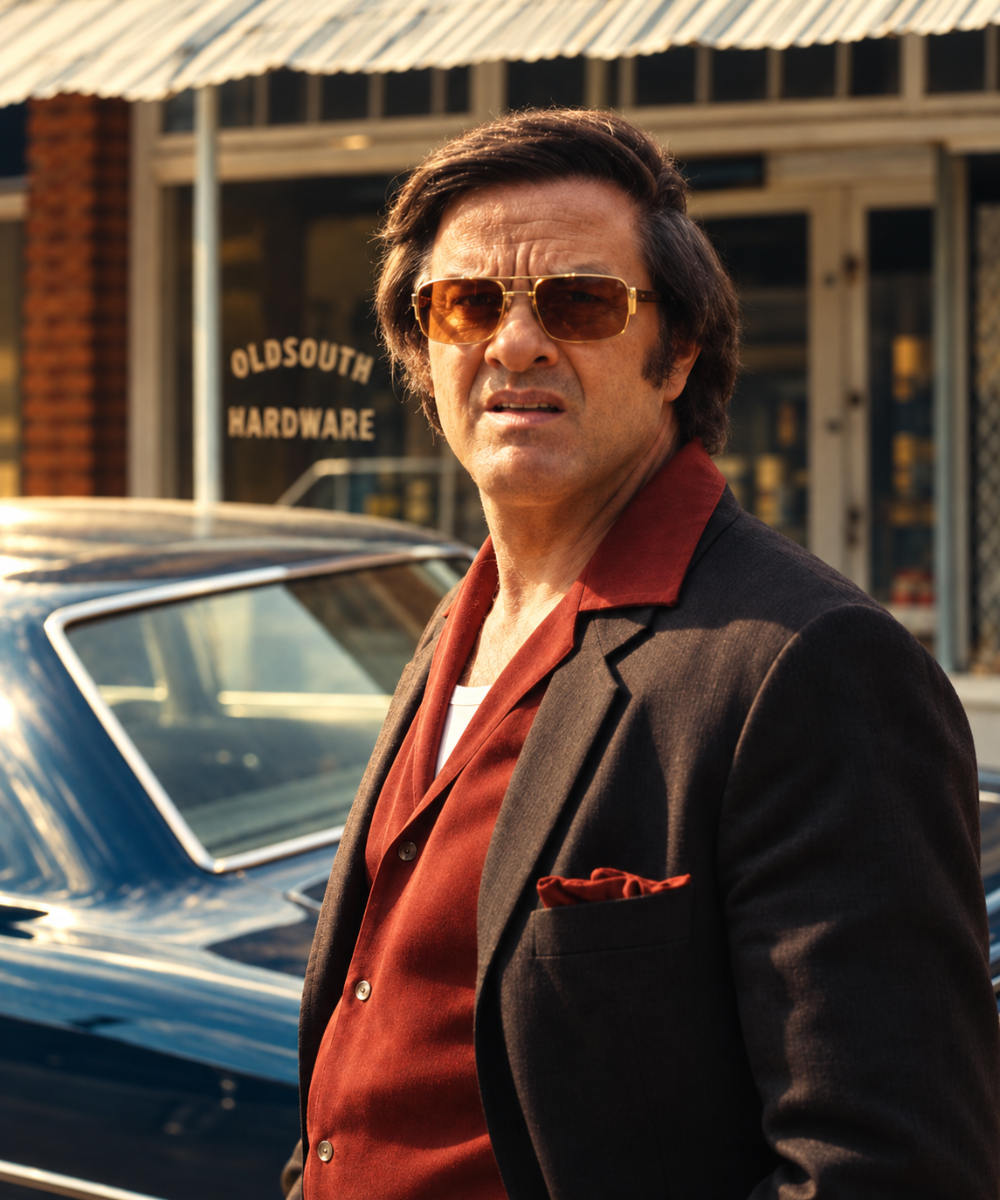
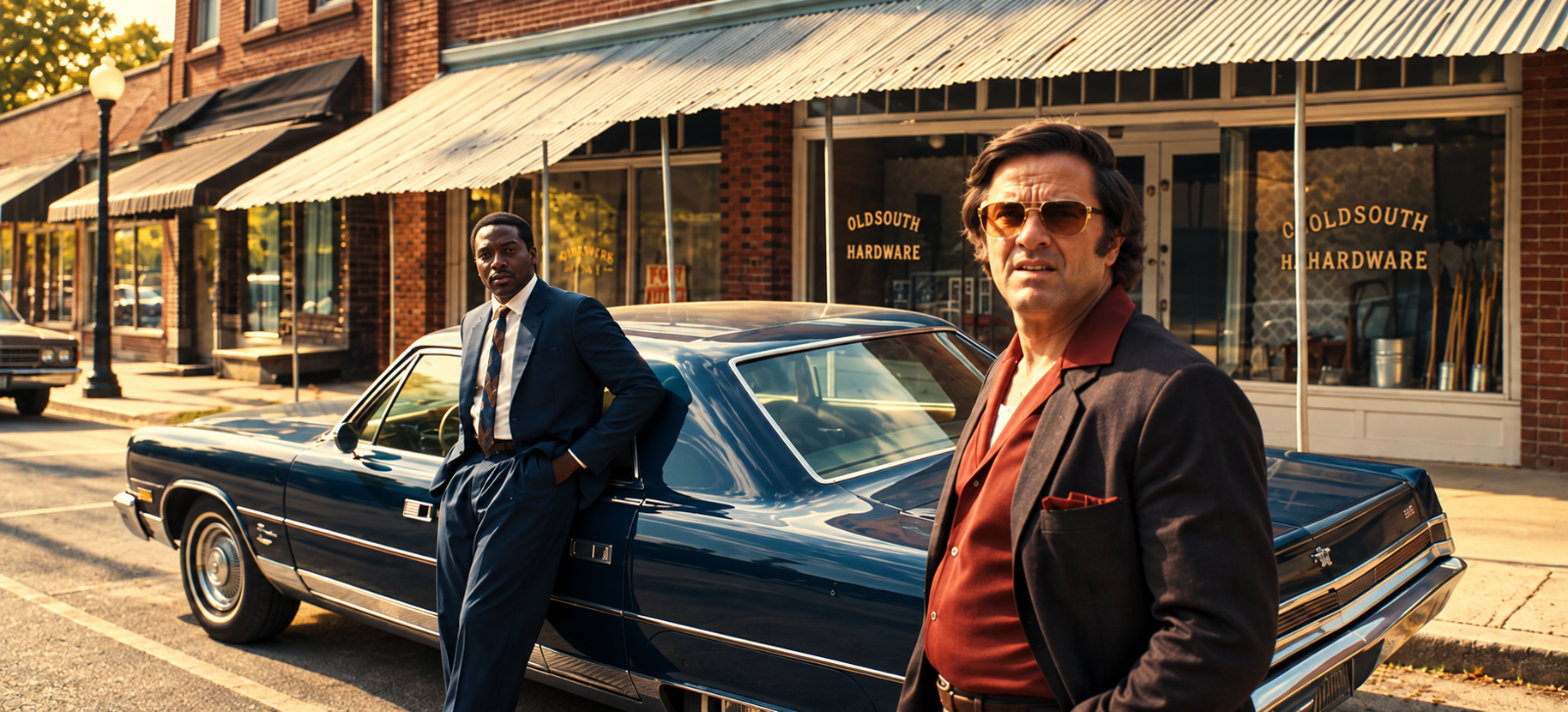
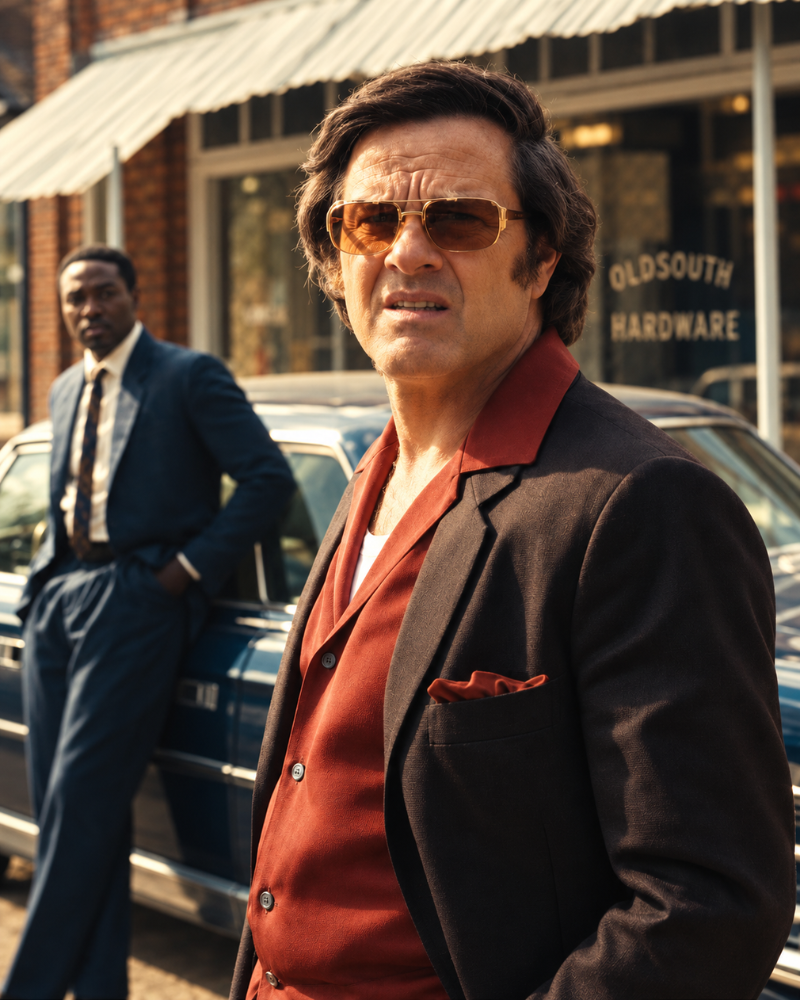
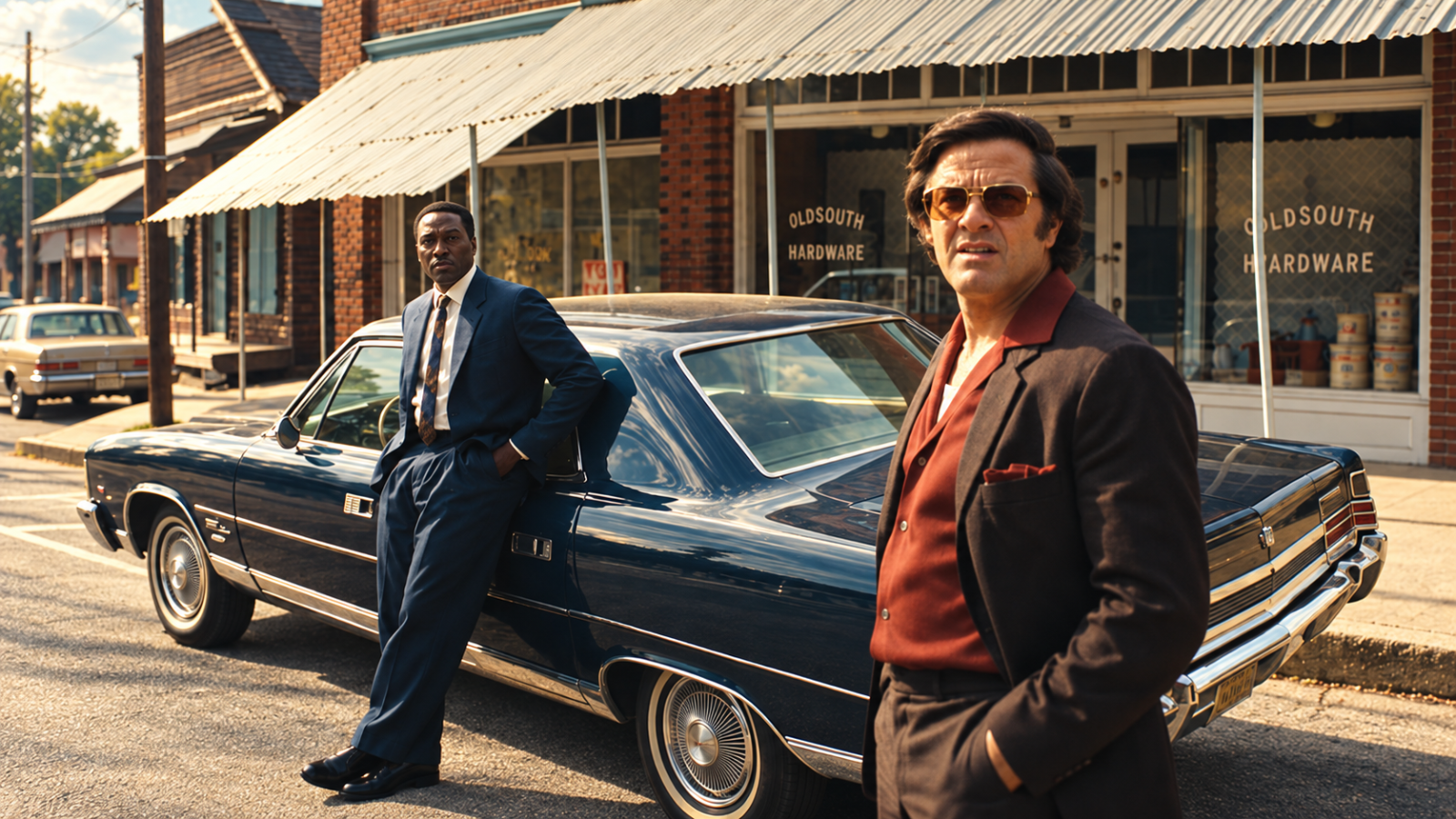
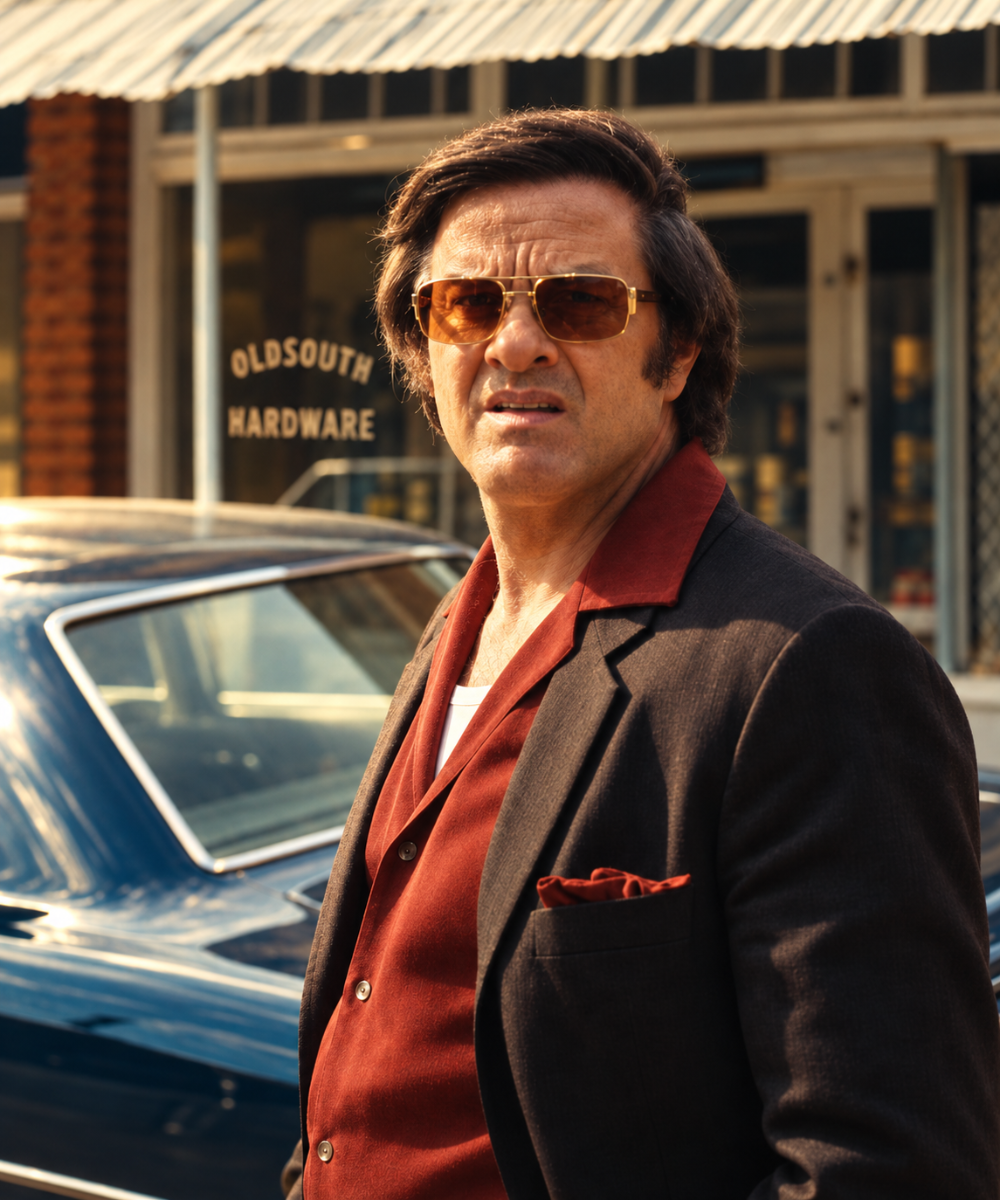
Inspired by true events, *By Any Means* pairs Mark Wahlberg and Yahya Abdul-Mateen II in an unlikely alliance shaped by racism, violence and a turbulent moment in 1960s Mississippi.
By Any Means pairs Mark Wahlberg with Yahya Abdul-Mateen II in a crime thriller inspired by true events and set against the backdrop of 1960s Mississippi. Abdul-Mateen plays a young FBI agent investigating the murders of civil rights leaders, while Wahlberg plays mob hitman Greg Scarpa, which is about as strange a partnership as it sounds.
That contrast is a big part of what makes the movie work. Abdul-Mateen brings a steadier presence, while Wahlberg gets to do what Wahlberg does best: bring some edge, attitude and momentum to the story.
The movie deals with serious material, but it never feels overly heavy or bogged down. It keeps moving, gives both leads plenty to do and stays accessible even with the historical setting.
I was probably an easy sell with Wahlberg involved, but By Any Means ended up being more than just a vehicle for him. The pairing works, the story has enough tension, and it’s the kind of solid thriller that’s easy to recommend.
💡
Inspired by true events, By Any Means finds tension in an unlikely partnership and a dark chapter of American history.
Inspired by true events, By Any Means pairs Mark Wahlberg and Yahya Abdul-Mateen II in a story rooted in racism, violence and an unlikely alliance in 1960s Mississippi.
The Weight Wasn’t Worth the Wait
There’s quite a bit about The Weight that I liked.
The acting is good across the board. It’s beautifully shot at times, with some genuinely impressive scenery, and the whole production has a polished, expensive feel to it. This isn’t one of those movies where you can immediately point at something and say, “Well, there’s the problem.”
The problem is that I never really cared what happened.
And I kept waiting to.
The Weight starts with a premise that already feels a little concocted, and the movie never quite convinced me otherwise. Instead of disappearing into the story, I was always somewhat aware of the machinery underneath it.
Movies are obviously constructed. We know that.
The good ones make you forget.
The Weight never did that for me.
At times, the movie seems to lean heavily on sound design to generate tension.
And somewhere along the way I started wondering whether this is becoming a modern movie tell.
When the story isn’t creating enough tension on its own, turn up the sound engineering and let the speakers do some of the work.
That’s probably unfair as a universal rule. Plenty of great movies have aggressive sound design. But here, I became unusually aware of it, and once I noticed it, it was difficult not to notice it again.
Ultimately, all that craftsmanship never managed to pull me into the story.
Which is a shame, because The Weight certainly isn’t a bad movie.
It looks good. It’s well acted. Ethan Hawke, in particular, is superb. There’s clearly talent behind the camera and in front of it.
But when it ended, that was pretty much it.
Sometimes a movie can do almost everything competently and still never quite come alive.
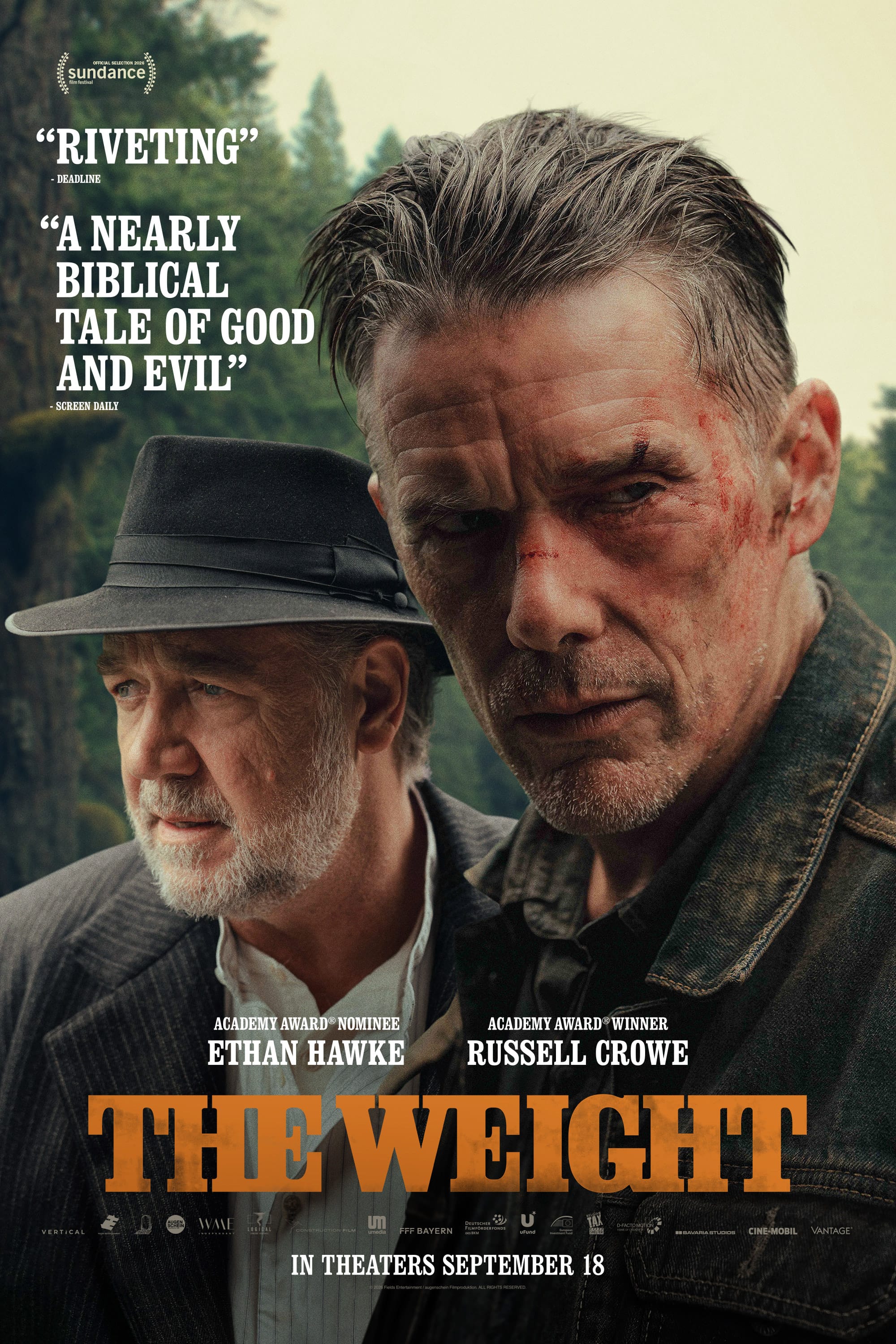
*The Weight* is well acted, beautifully shot and impressively made. The problem is that all that craftsmanship never quite pulled me into the story.
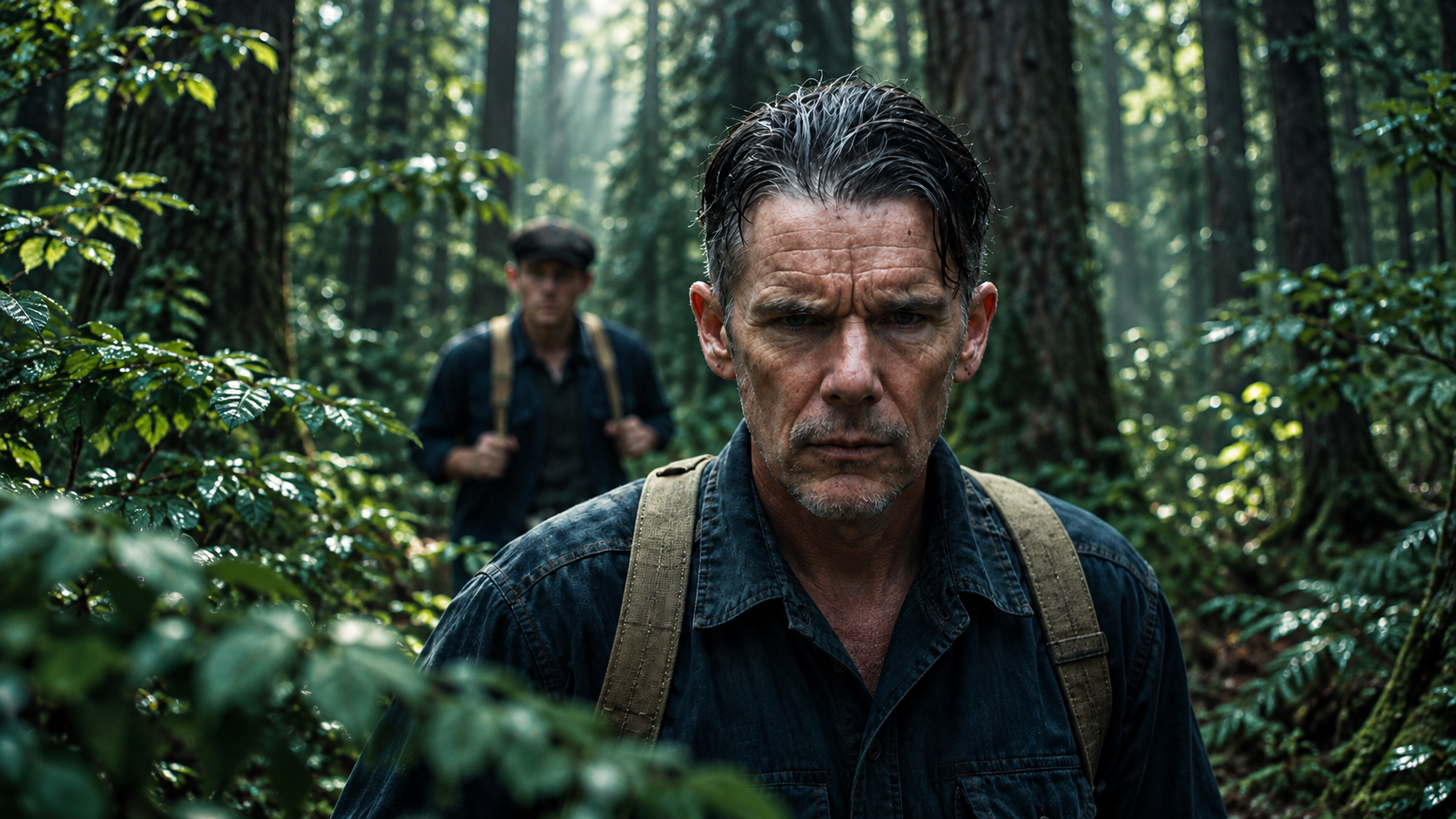
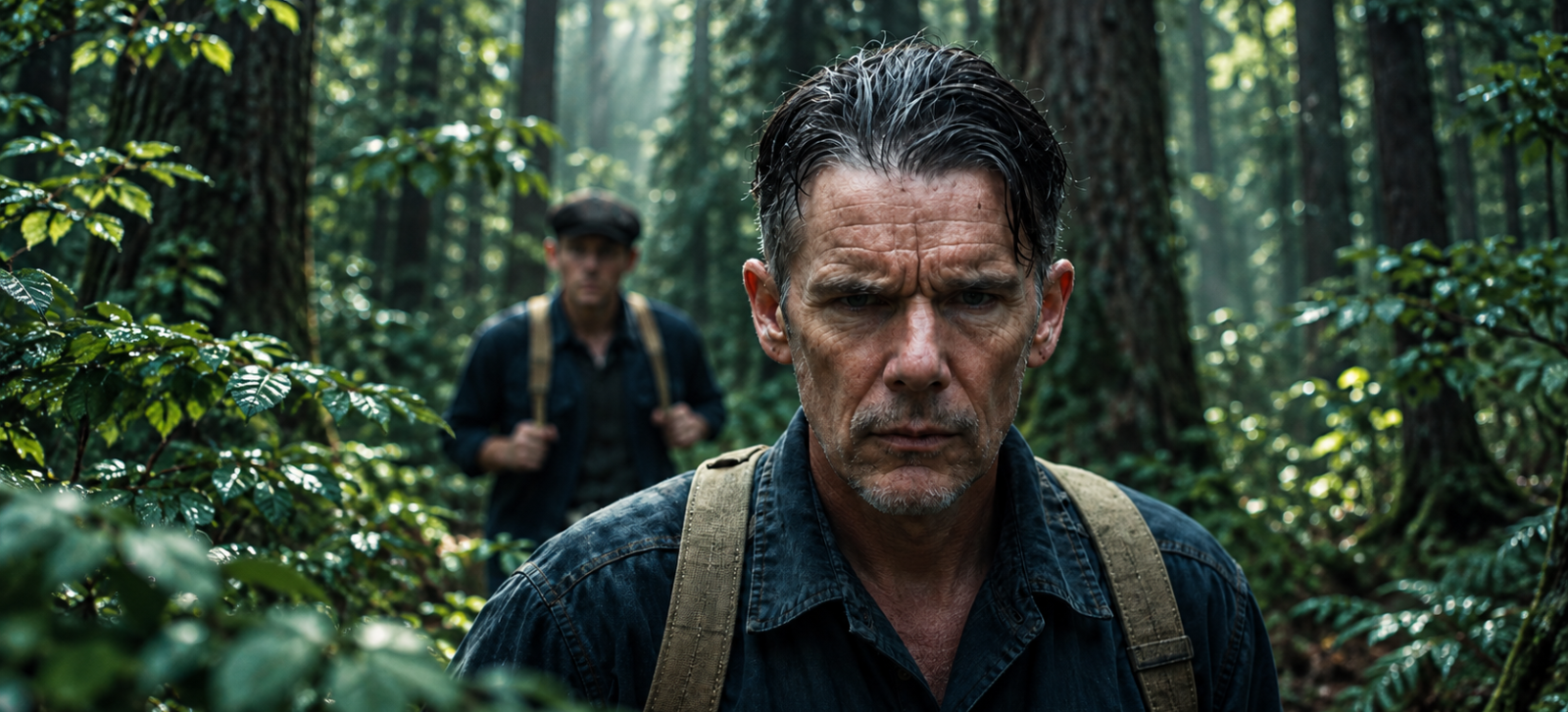
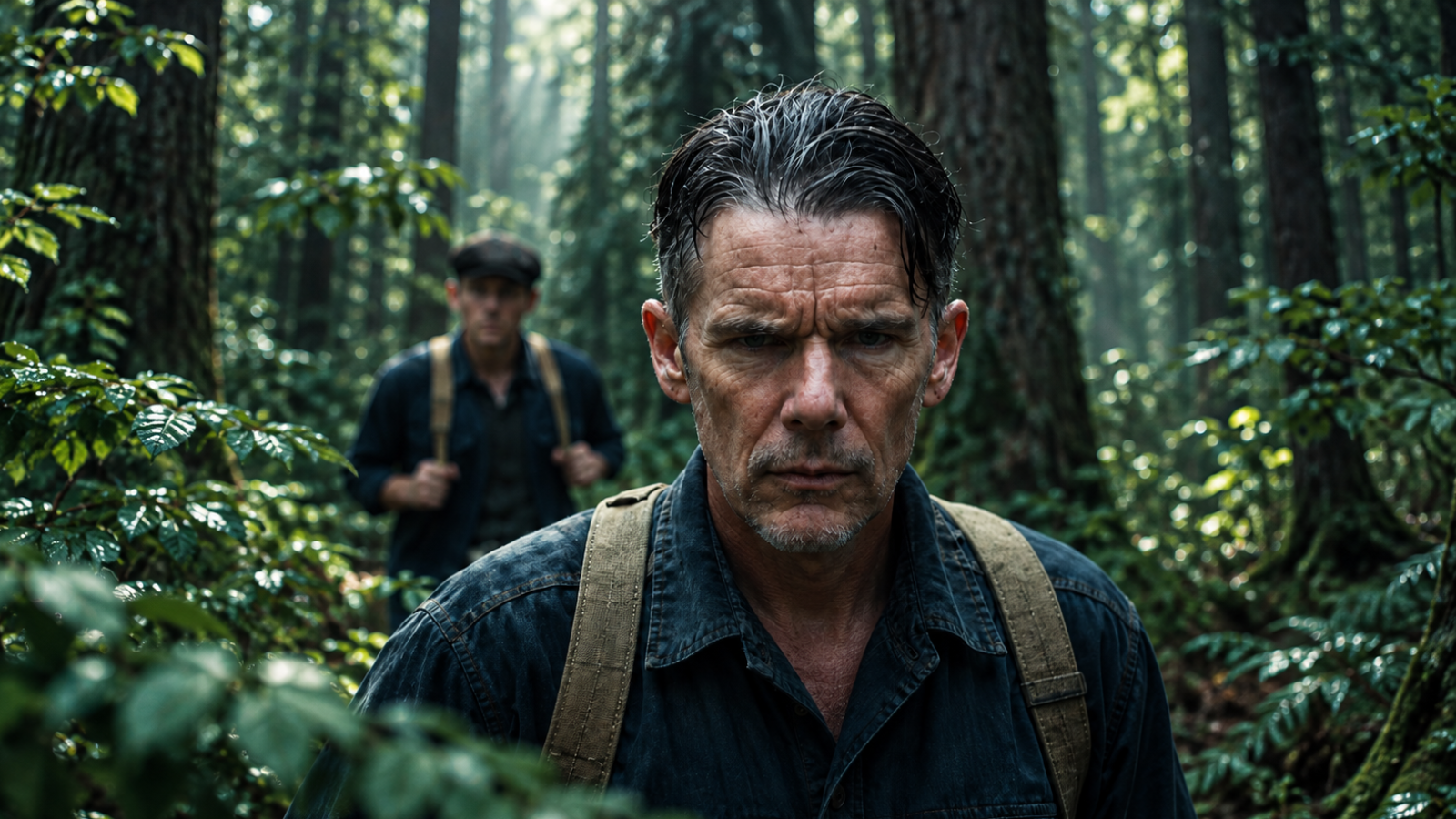
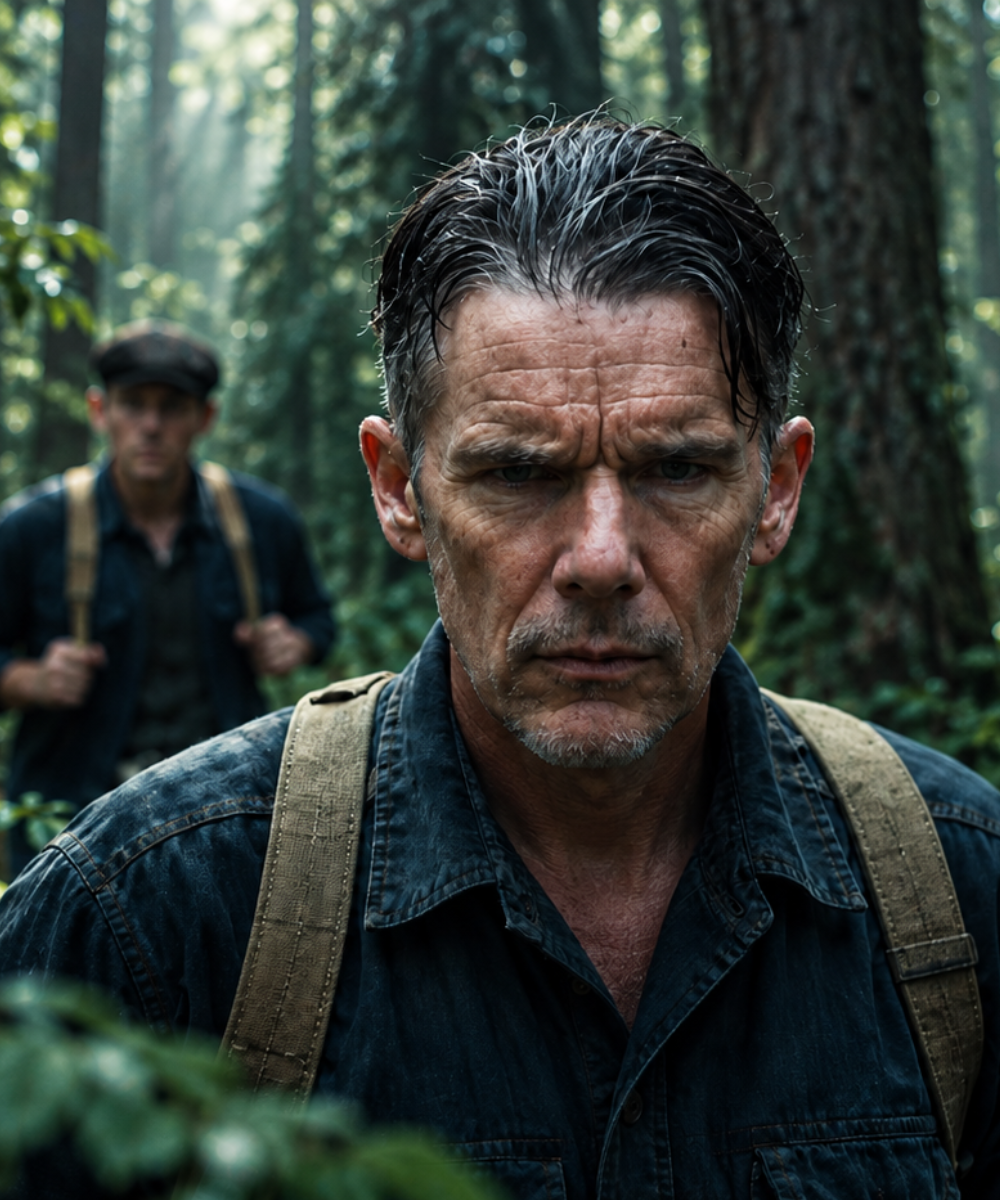
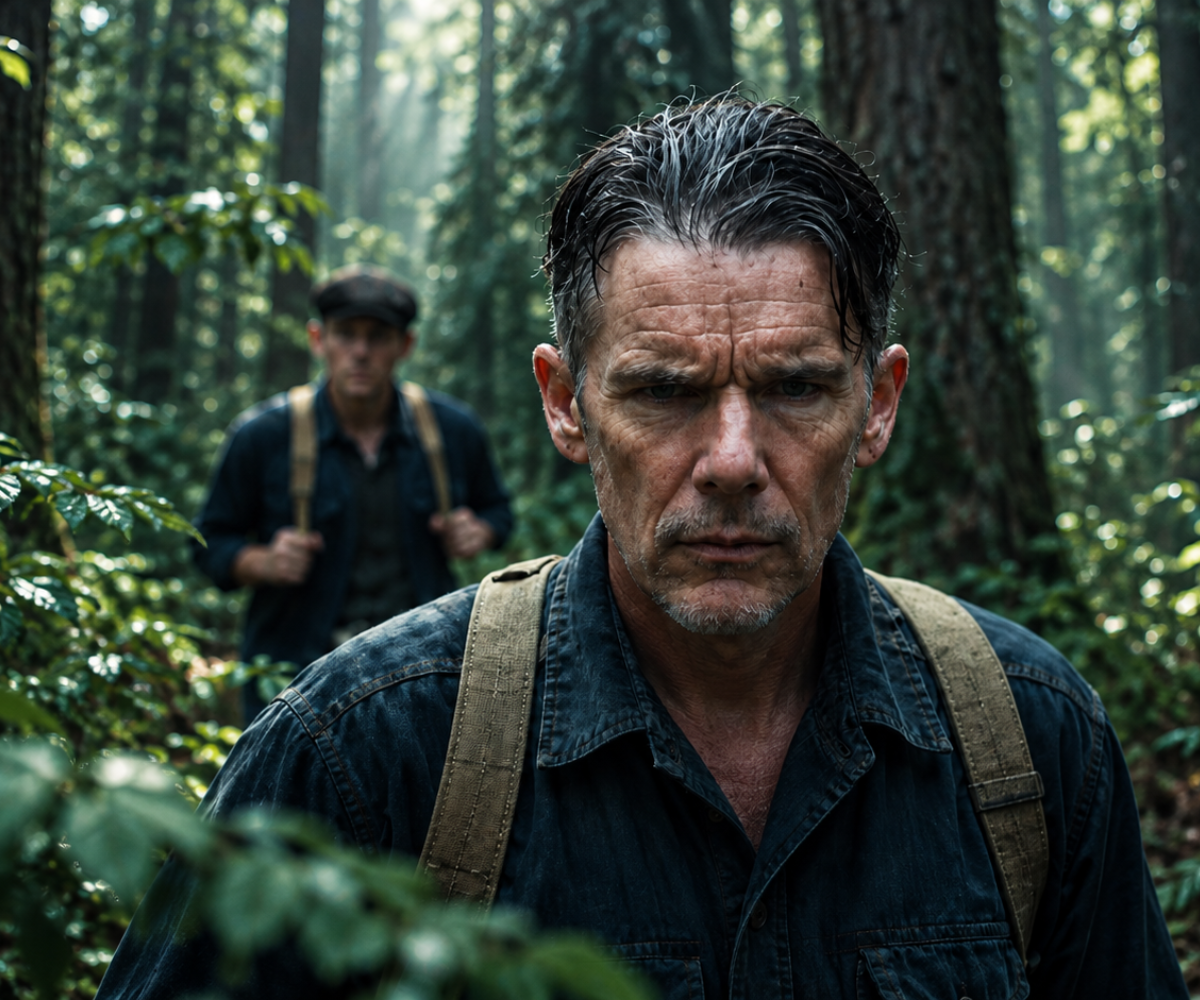
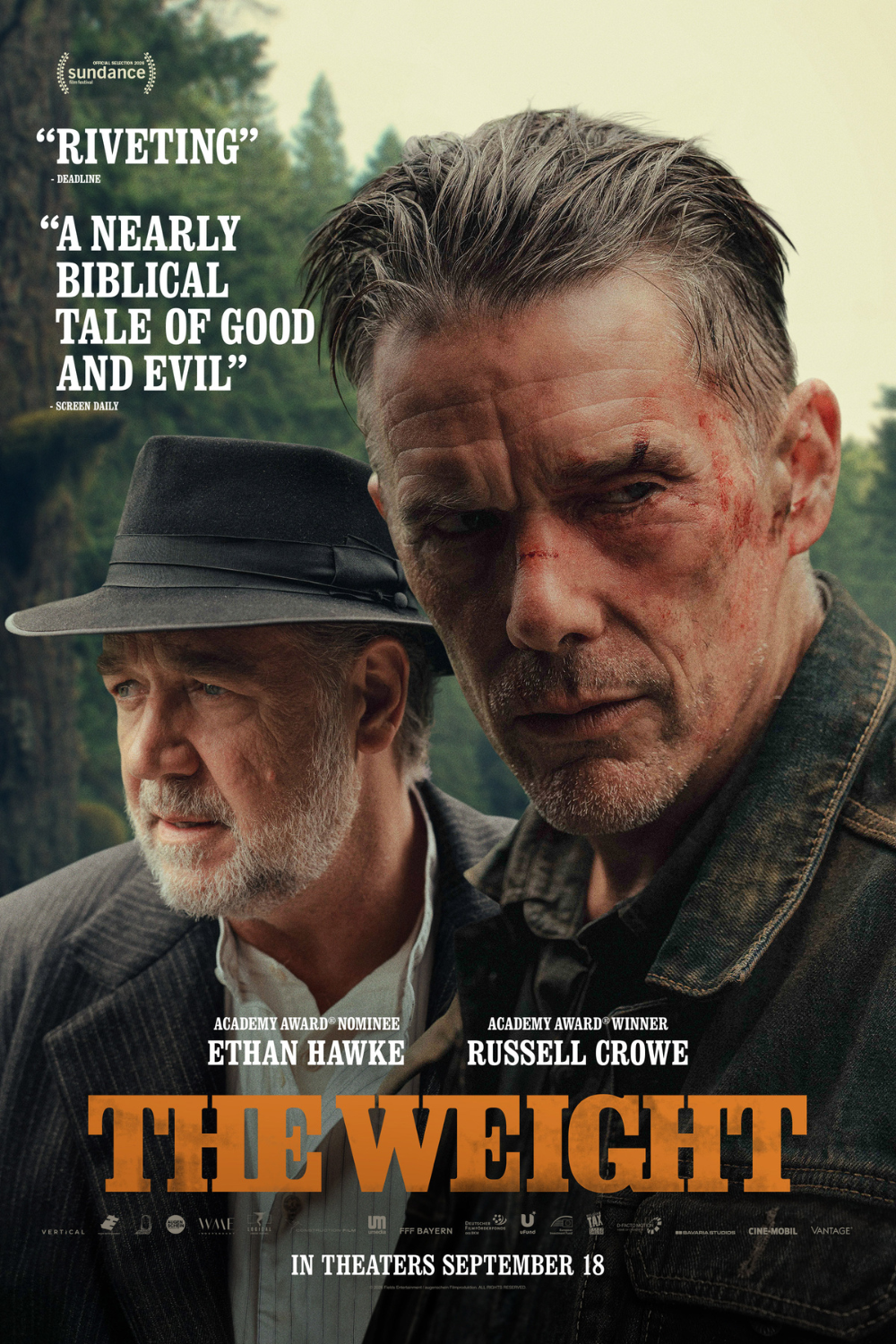
A father, Ethan Hawke, gets sent to a brutal work camp in 1933 Oregon and is given a chance to shorten his sentence and reunite with his daughter by helping move a load of gold through the wilderness.
That’s The Weight.
It’s a pretty good setup.
Naturally, it gets complicated.
The Weight is part prison movie, part survival story, part heist movie, and it works best when it keeps things simple: desperate men, dangerous terrain, and a lot of reasons not to trust the person walking next to you.
Russell Crowe plays the warden behind the deal, but plays a relatively small role in the movie. Hawke is good, as always, but it’s really the setting and the sound design that give the movie most of its tension.
I liked it.
I’m just not sure I’d tell you to pay to see it.
💡
A tense, well-acted survival thriller that's worth the trip—especially if it's already included.
Ethan Hawke leads a Depression-era survival thriller about a desperate father, a brutal work camp, and a dangerous load of gold.
Neal McDonough plays Joe Wainright, a retired rodeo star who has no business getting back on a bull.
Which, of course, is exactly what he does.
Joe’s grandson needs help, and the quickest way to get it means returning to the sport he walked away from years ago. It’s a familiar setup, but that’s not really a problem here.
McDonough is the reason it works. He has spent years playing intense, dangerous, unpleasant guys, so seeing him carry a movie like this is a nice change. He fits the part almost suspiciously well.
This is not a complicated movie. Far from it.
But it knows exactly what it is.
An aging athlete gets one more shot.
The body says no.
The family says please don’t.
But sometimes you do what you have to do—even if what you have to do is get back on a bull.
A bull you have absolutely no business being on.
💡
A familiar comeback story that works because McDonough makes you believe he has to do it.
Neal McDonough plays Joe Wainright, a retired rodeo star who has absolutely no business climbing back onto a bull.
Which, of course, is exactly what he does.
Joe’s grandson needs help, and the quickest way to get it involves entering a high-stakes bull-riding competition years after Joe walked away from the sport. It’s not exactly a unique setup, but this is one of those movies where familiarity isn’t really a problem.
A family that still has a few things to work through.
And one very bad idea that Joe knows is a bad idea.
But family comes first.
McDonough is the reason it works. He has spent years being the guy you recognize from somewhere, usually playing someone intense, dangerous, unpleasant, or some combination of the three. Here he gets to carry the movie, and he fits the role almost suspiciously well.
Joe is old enough to know exactly what getting back on that bull could cost him.
He does it anyway.
Rotten Tomatoes has it at 69% from critics and 94% from verified audiences, which feels about right for this kind of movie. I’m much closer to the audience on this one.
Neal McDonough plays a retired rodeo star who gets back on the bull for one very good reason: family.
The last thing Normal is is normal. Not sure that’s proper English, but let’s go with it.
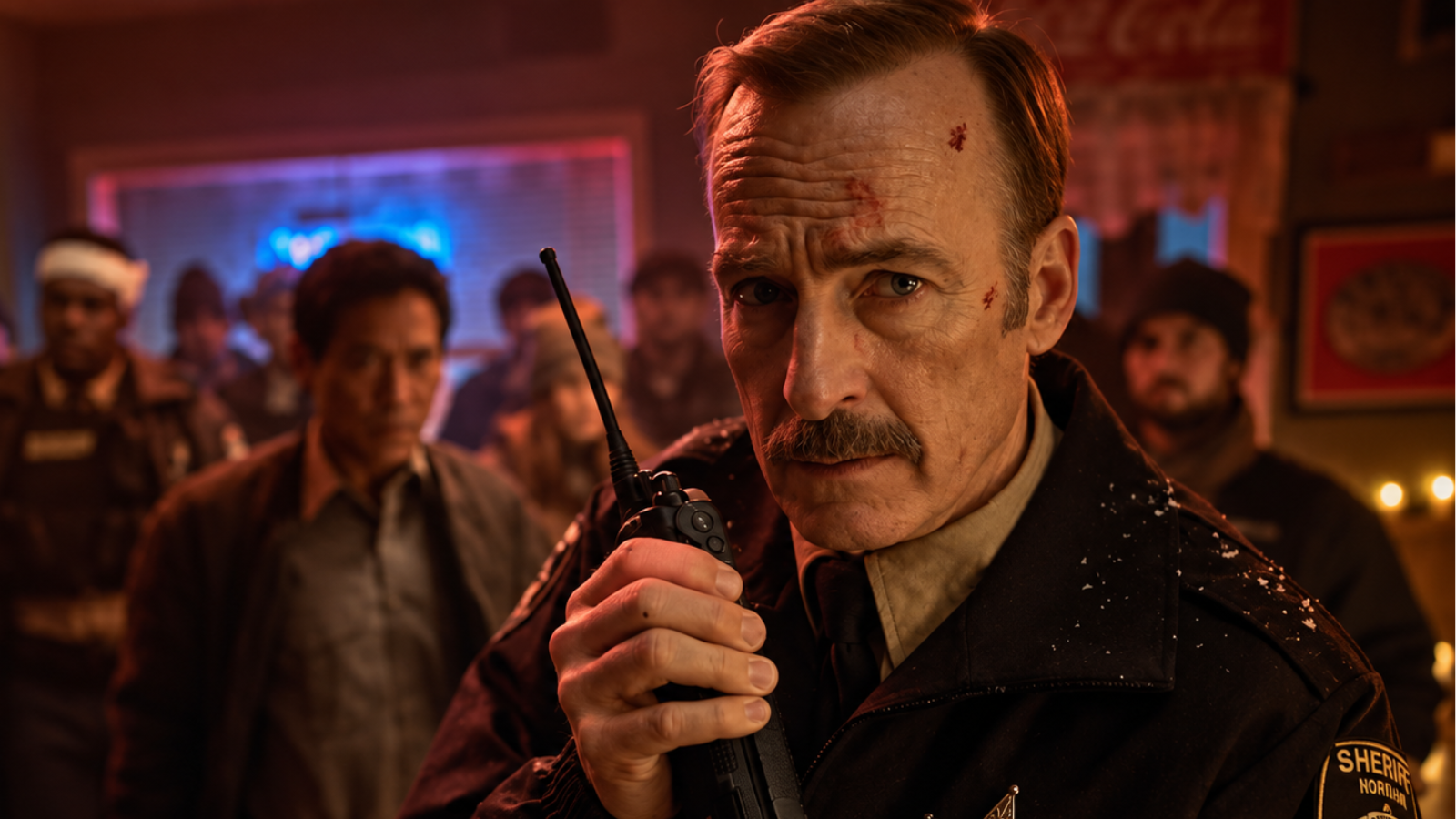
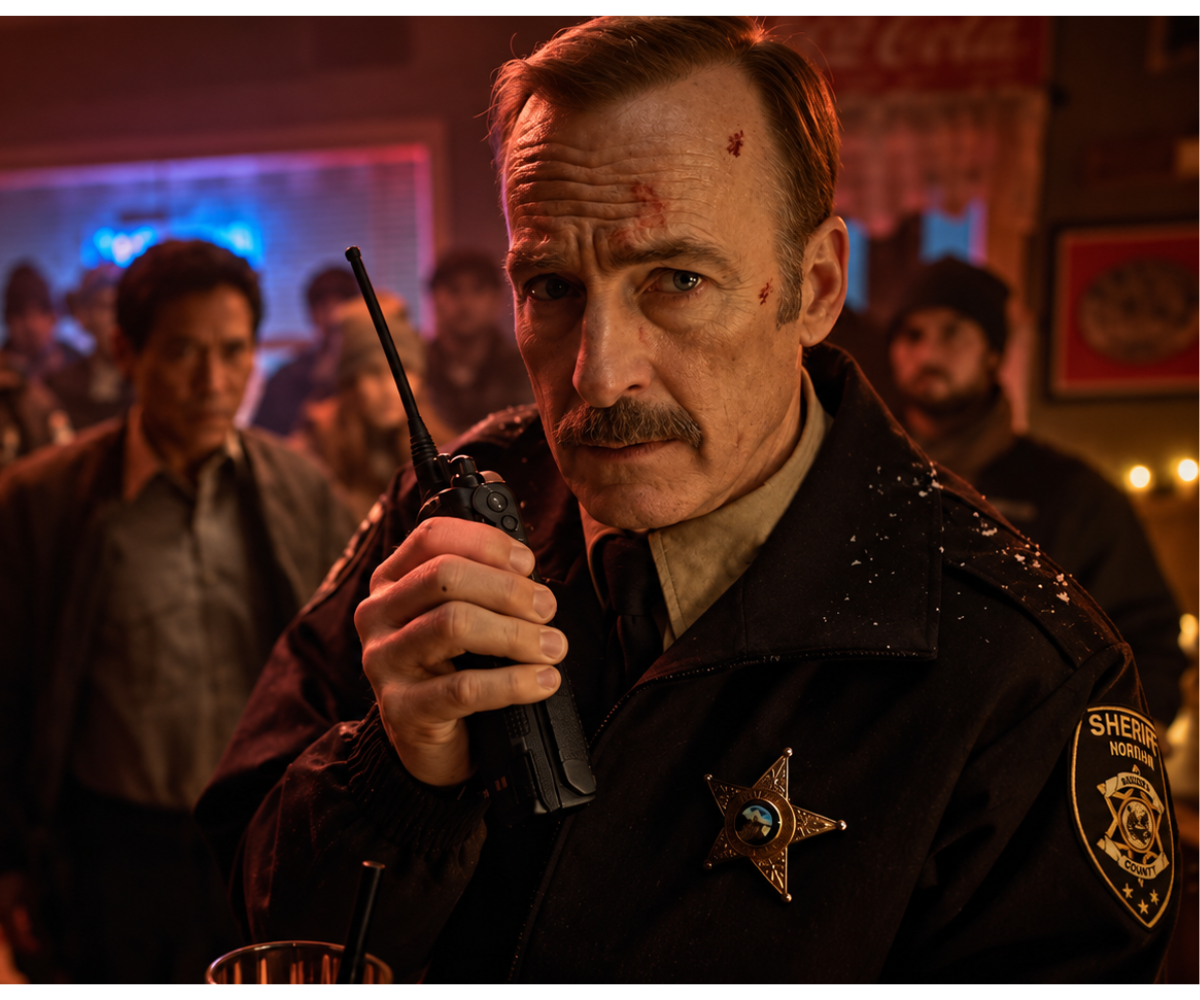
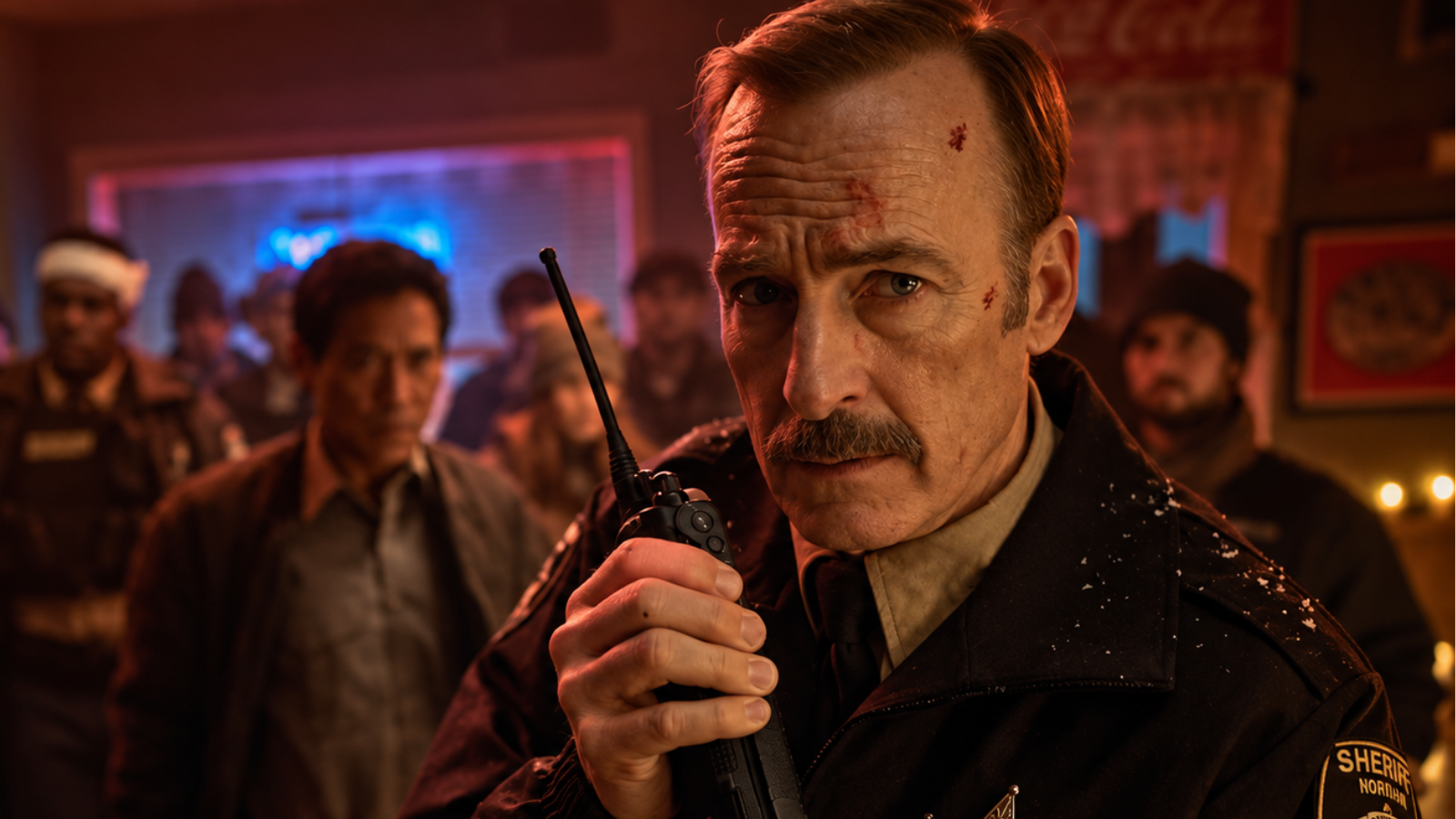
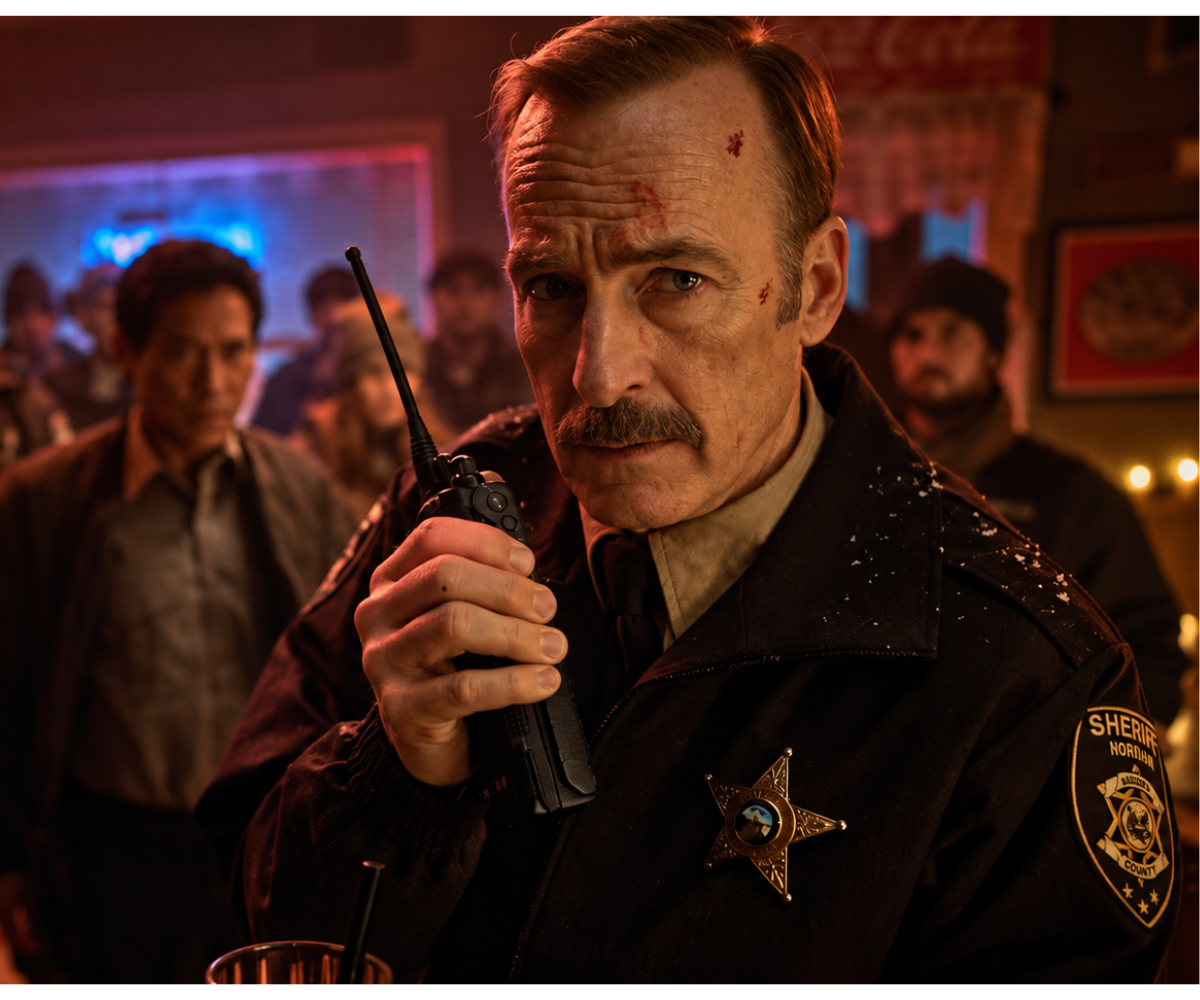
Odenkirk plays Ulysses, an interim sheriff sent to the small Minnesota town of Normal after the previous sheriff dies under unusual circumstances. What looks like a quiet temporary assignment starts coming apart after a botched bank robbery makes it clear that almost nothing about this town is what it seems.
That’s probably all you need to know.
The fun of Normal is watching the weirdness slowly reveal itself. It starts as a slightly off-kilter small-town mystery, then keeps getting louder, bloodier, and more ridiculous.
Odenkirk is exactly the reason it works. He can play tired, confused, and dangerous almost at the same time, which turns out to be a pretty useful combination here.
It’s not trying to reinvent the action movie. It takes a basic setup, gives it a very strange little twist, and gets out in about 90 minutes.
And it worked for me.
💡
A weird little action movie that keeps getting stranger—and somehow better—as it goes.
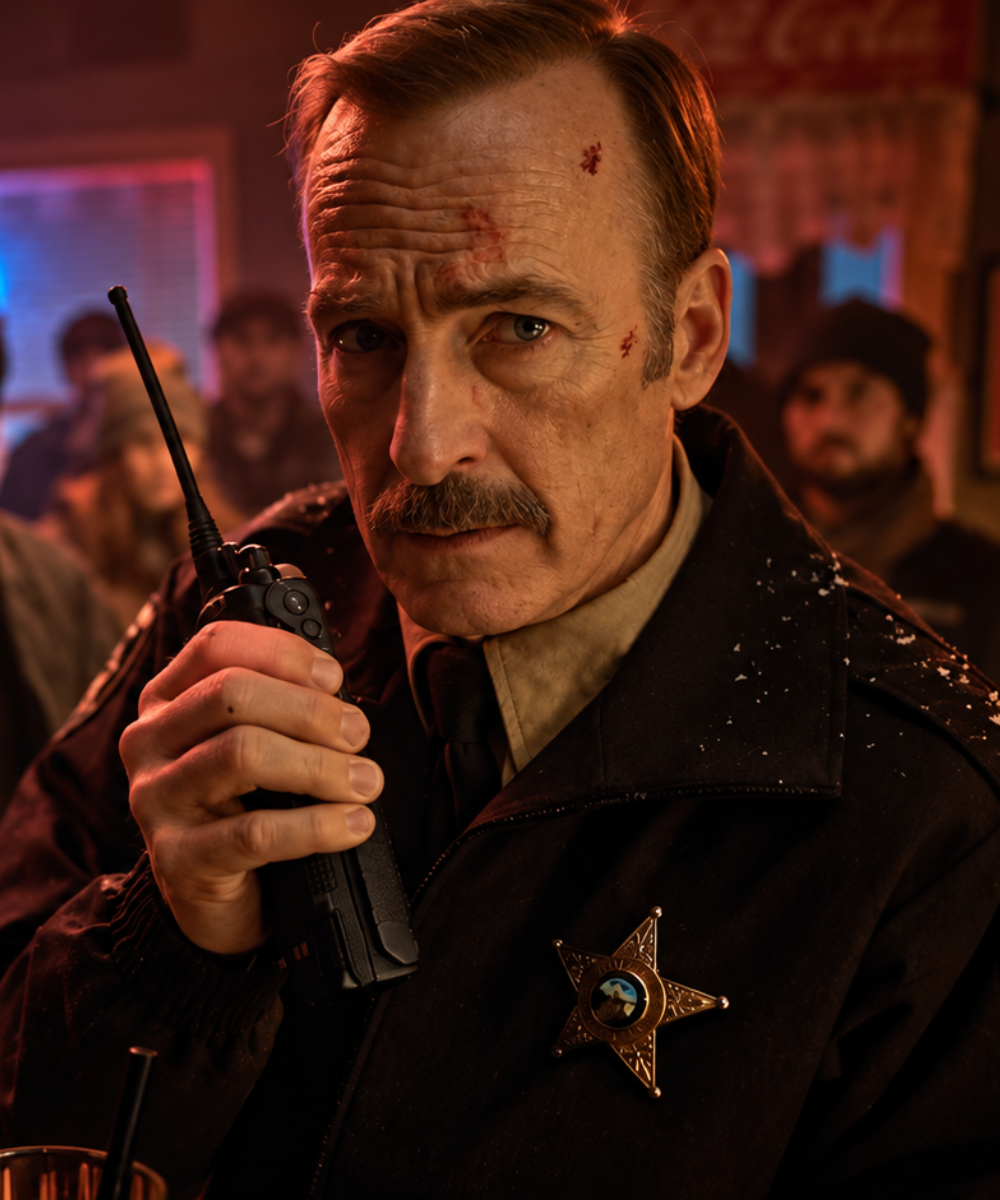
Bob Odenkirk plays an interim sheriff in a small Minnesota town where a botched bank robbery reveals that almost nothing is what it seems.
Bob Odenkirk (Breaking Bad, Better Call Saul, Nobody) has somehow become one of the more convincing late-career action stars working today.
Nobody changed the equation, turning Odenkirk getting beaten half to death before methodically destroying everyone around him into a surprisingly legitimate movie genre.
Normal takes that formula and changes it just enough to keep things interesting.
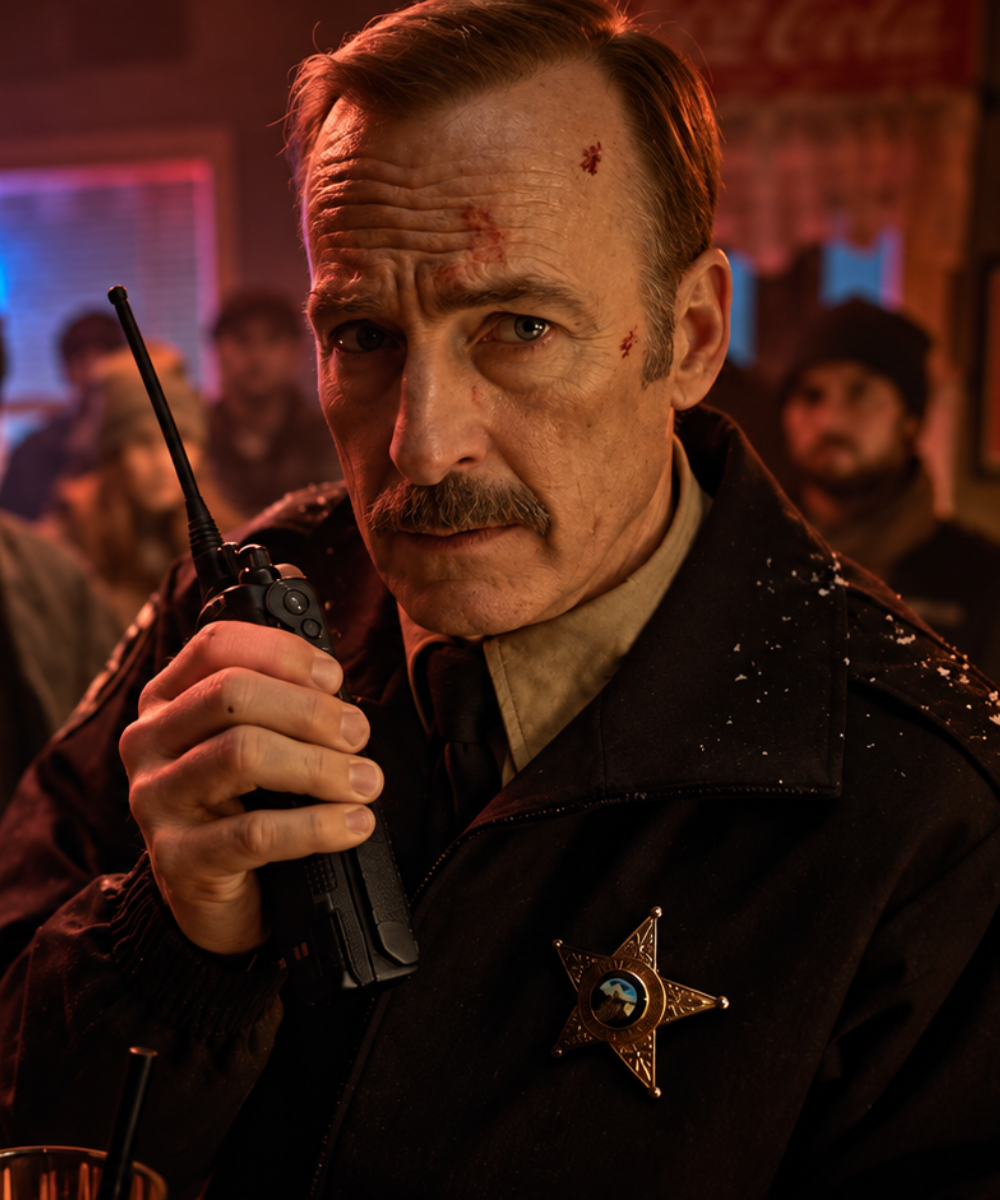
Odenkirk plays Ulysses, an interim sheriff sent to the small Minnesota town of Normal after the previous sheriff dies under unusual circumstances. What initially looks like a sleepy temporary assignment gets considerably less sleepy after a botched bank robbery exposes the fact that basically nothing — and I do mean nothing — about Normal is normal.
That setup is probably all you need to know.
This is one of those movies that benefits from letting the weirdness reveal itself rather than reading a detailed synopsis beforehand. What starts as a slightly off-kilter small-town mystery eventually turns into something much louder, bloodier and more ridiculous.
It also hits the sweet spot in length at about an hour and a half. Normal doesn't try to convince you that any of this is terribly important. It establishes the town, lets you know something isn't right, and then the normal world starts to disintegrate and chaos ensues.
If you're looking for something grounded and plausible, skip Normal. This isn't that movie.
Rotten Tomatoes currently has it at 77% from critics and 76% from verified audiences — which, if nothing else, tells you the critics and the audience are unusually close on this one.
It opened in April, hit streaming in May, and has already largely disappeared from the conversation. That's a shame.
Normal isn't some undiscovered masterpiece. It's compact, violent and funny. It won't be the best movie you'll ever watch, but it'll be far, far from the worst.
Apple describes the show as “the most miserable person on Earth must save the world from happiness,” and for once, the marketing line gets pretty close to what makes the show interesting.
Pluribus comes from Vince Gilligan, creator of Breaking Bad and co-creator of Better Call Saul, and stars Rhea Seehorn as Carol Sturka, a successful romance novelist who isn’t exactly overflowing with joy even before the world changes.
And “changes” is probably underselling it.
An alien species effectively converts humanity, turning virtually everyone into happy, agreeable, cooperative drones — basically happy Borgs, for you Star Trek: The Next Generation fans out there. Everyone except Carol and a handful of others.
If you watched Better Call Saul, you already know Seehorn can carry a scene without doing very much at all. A look. A pause. She can make you feel like there’s an entire argument happening inside her head before she says a word.
That makes Carol perfect for this world, where she spends much of the show surrounded by people who are relentlessly reasonable, cheerful and accommodating while she becomes increasingly irritated by all of them.
And somehow, she’s the one you understand.
That’s where Pluribus gets interesting, because happiness is supposed to be good. People getting along is good. No fighting. No cruelty. No selfishness. Everyone working together. Sounds pretty great.
Except Pluribus keeps asking an uncomfortable question: what if getting all of that required giving up the thing that makes you you?
Now we have a television show.
If you need a major revelation every twelve minutes, Pluribus may drive you nuts. There are stretches where the show is perfectly happy letting Carol wander around, test the boundaries of what has happened and argue with people who refuse to argue back.
I can understand why that won’t work for everyone.
This is a weird show. It takes its time, doesn’t rush to explain itself, and sometimes seems more interested in the idea behind the story than moving the story forward.
But that’s also why it sticks with you.
And if you’re anything like me, it will stick with you long after the episode ends.
Rhea Seehorn stars in Vince Gilligan’s very strange new series about a world where almost everyone becomes happy, agreeable and connected. Which turns out to be much creepier than it sounds.