Great movies. Hidden gems. Better recommendations for what to watch next.
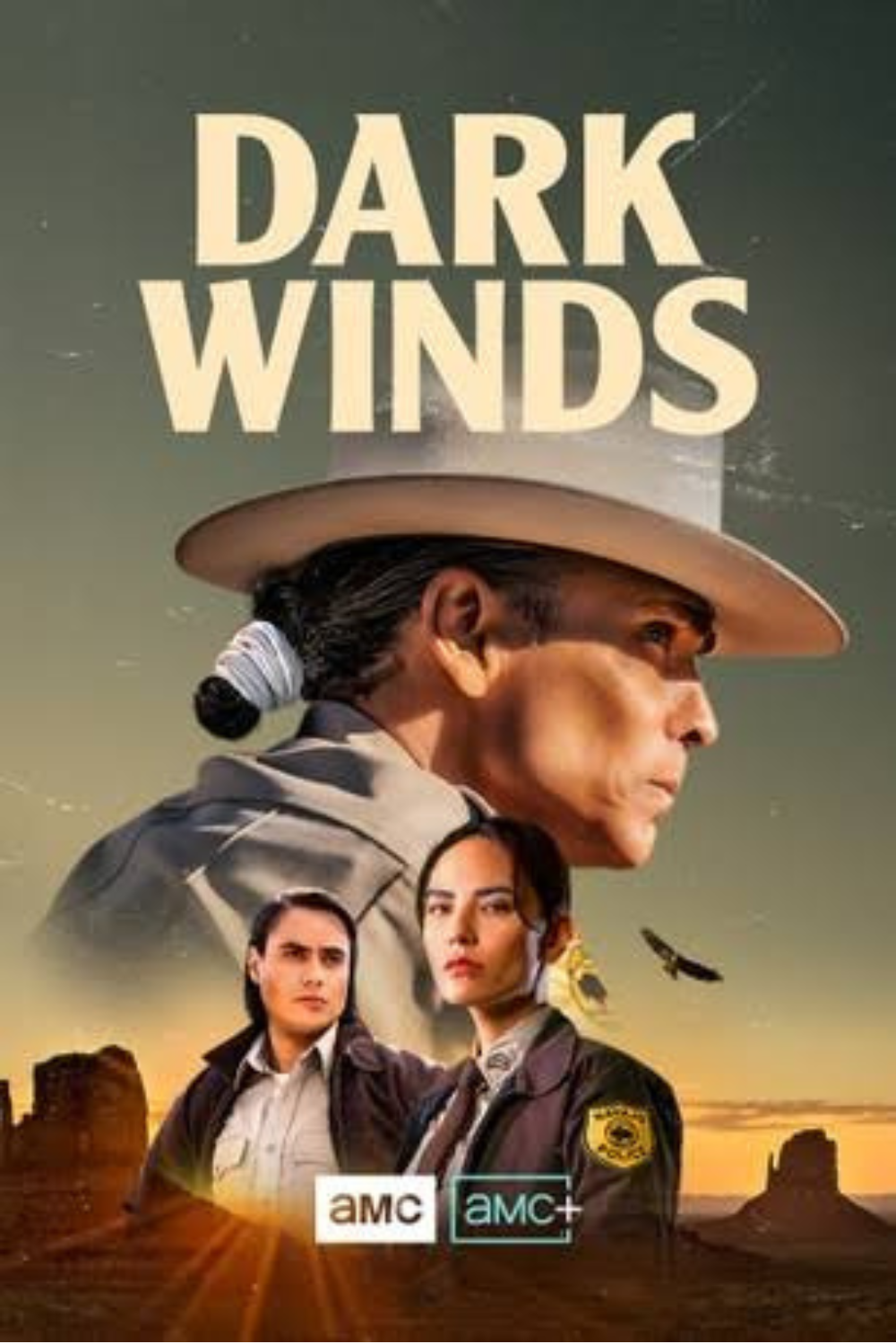
If you watched Longmire, you’ll recognize the face at the center of Dark Winds.
Mathias.
Yes, the Cheyenne tribal police chief who could make it pretty clear he wasn’t pleased with Walt without raising his voice. The actor behind him, Zahn McClarnon, gets the lead here. And he’s a good reason to watch.
Dark Winds isn’t a Longmire spinoff, though it’s clear there’s a natural audience overlap. It has the open country, complicated loyalties and lawmen dealing with problems that a badge doesn’t necessarily help them solve. But the mood is darker, and the story takes us back to the 1970s.
A familiar face gets his own investigation
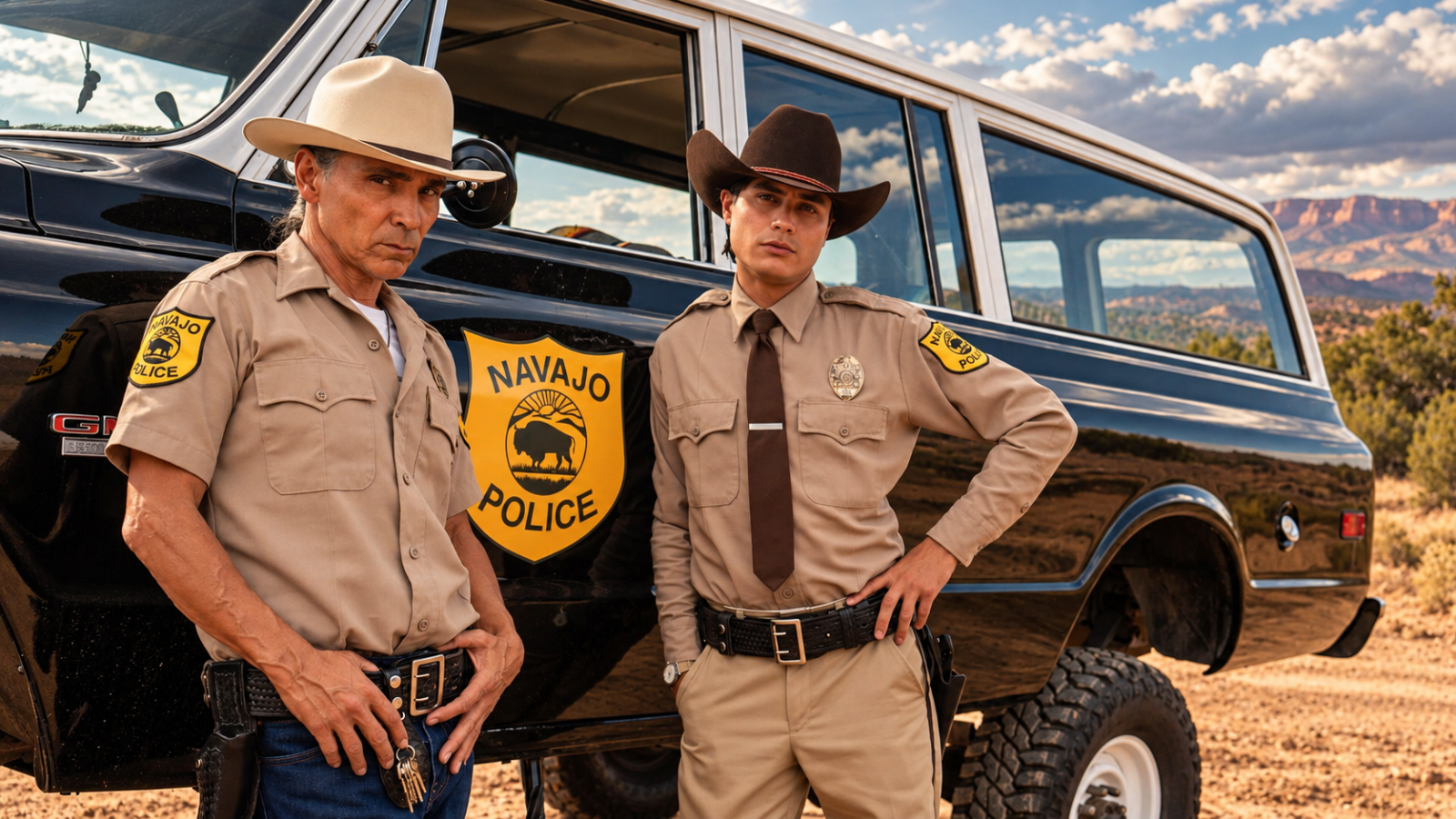
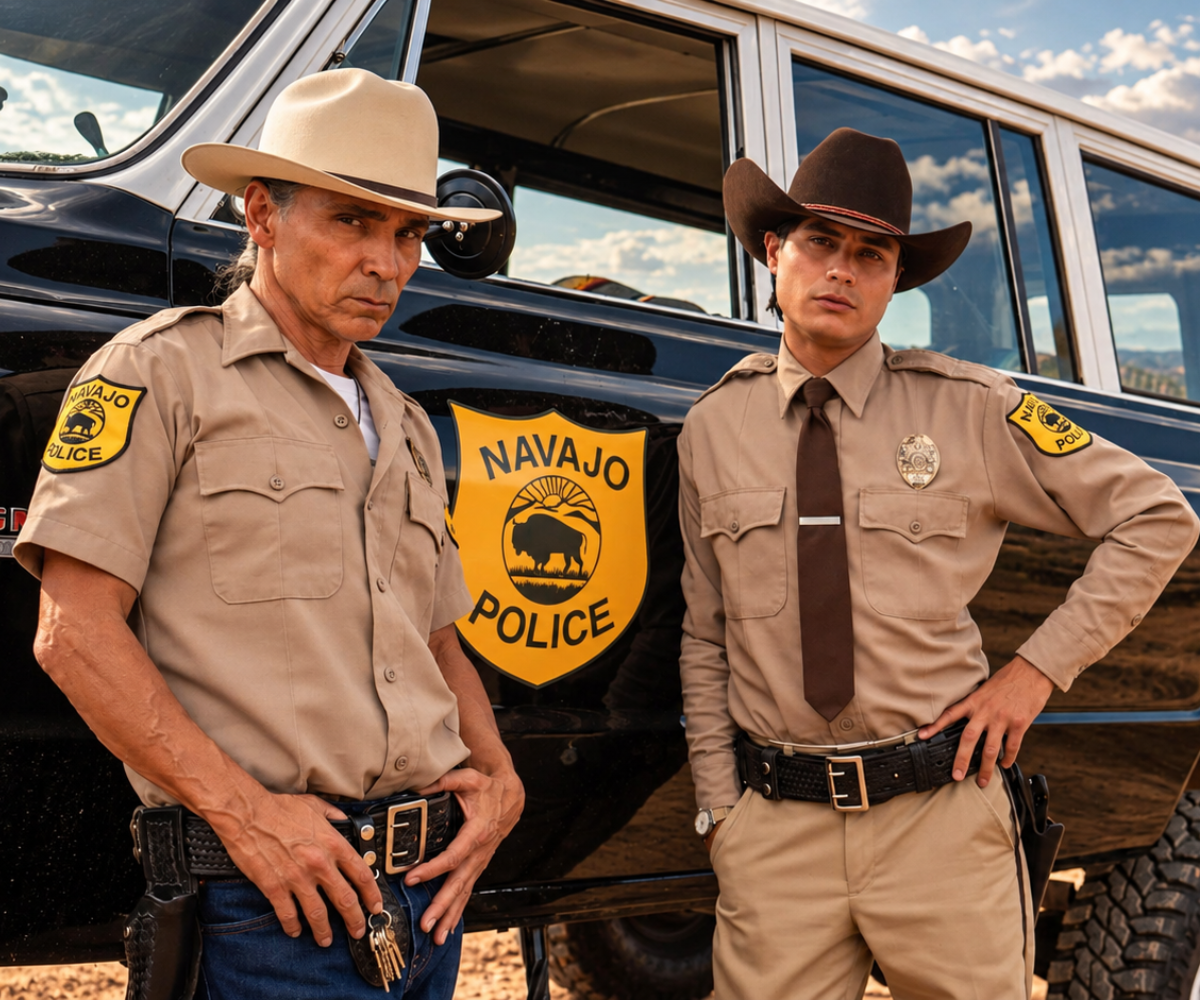
McClarnon plays Joe Leaphorn, the head of a Navajo Tribal Police office in the American Southwest. The series opens with a double murder, but investigating the deaths means dealing with more than evidence. There are personal wounds, community ties and federal authorities whose priorities don’t always match his.
Leaphorn is watchful and measured, but you don’t mistake that for having nothing going on underneath. This is a man you believe has spent years listening to people leave out the important part.
Should you watch it?
Don’t go in expecting a fresh case neatly wrapped up every episode like early Longmire. This is a continuing mystery, with room for suspicion to build and for a conversation to become uncomfortable before anyone reaches for a gun.
If you like Western settings, patient crime stories and a lead actor who doesn’t need to shout to hold your attention, this belongs on your list.
Longmire fans have an obvious reason to give it a look. But you don’t need to know Mathias—or Walt—to get into this one.
A moody 1970s crime drama set in Navajo Nation, with great characters, terrific scenery, and a mystery-driven story that feels unlike almost anything else on TV.
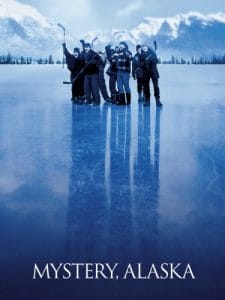
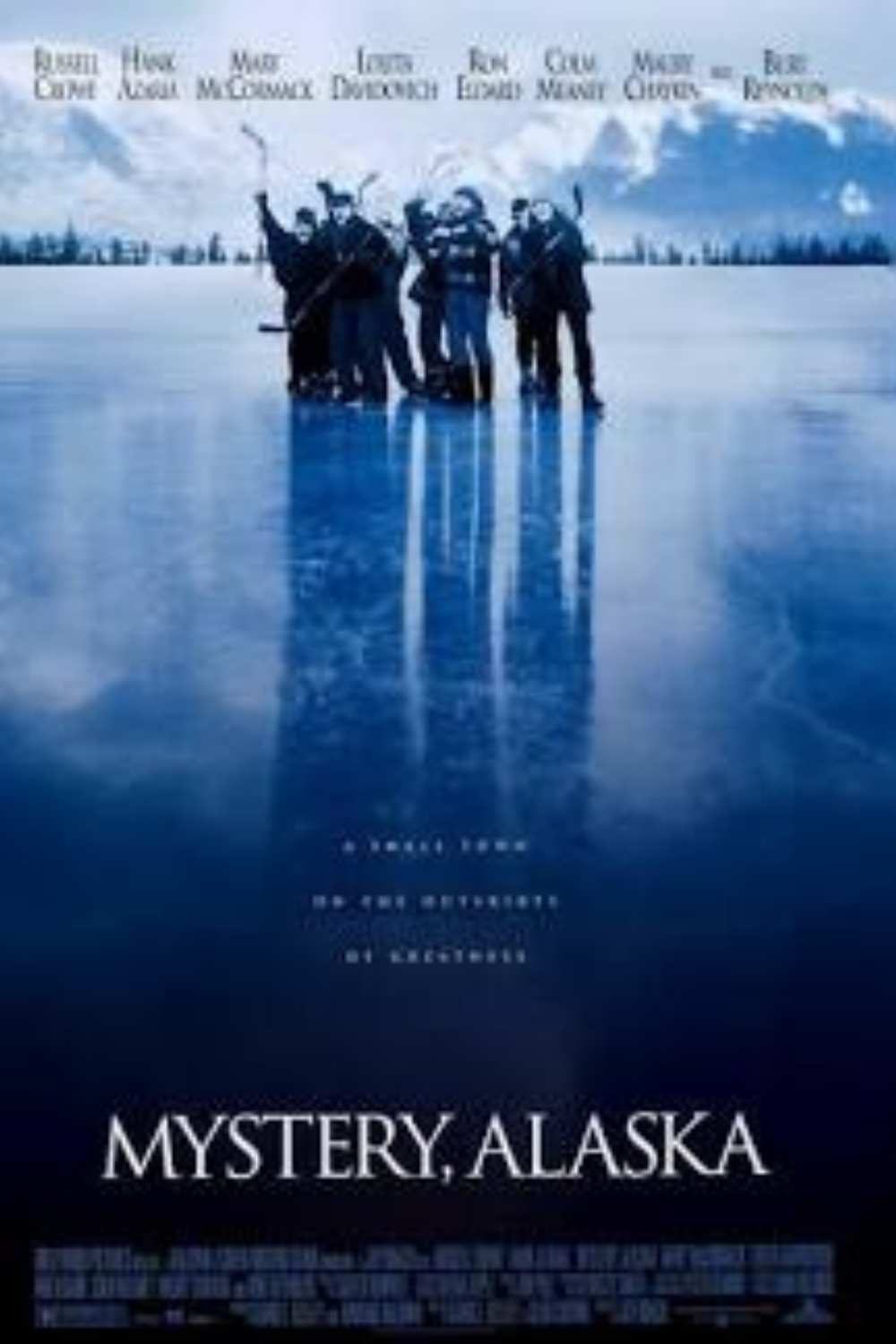
Mystery, Alaska has almost everything you want from a sports movie.
An underdog team. A tiny town with an outsized sense of pride. Personal grudges. Family problems. A big game nobody expects them to win.
It’s all there.
Oh yeah, and hockey.
The premise is wonderfully simple: the amateur hockey players of Mystery, Alaska suddenly get the chance to play an exhibition game against the New York Rangers.
On their own ice.
It sounds ridiculous, but the movie takes the idea seriously enough that you don’t even think about it.
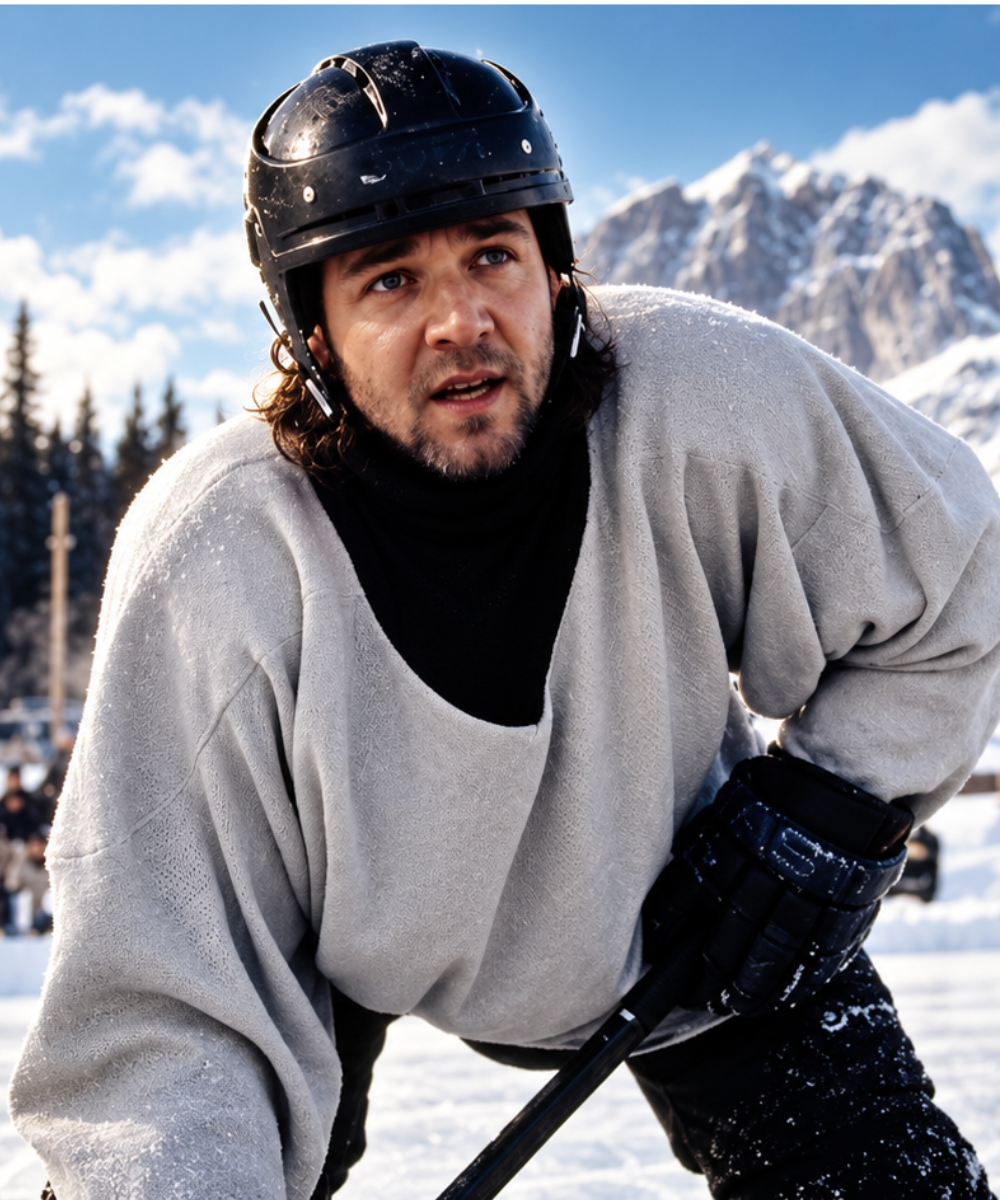
Pre-Gladiator Russell Crowe leads a strong ensemble cast, with Burt Reynolds, Hank Azaria and Mary McCormack giving the town enough personality that the movie feels bigger than the game itself.
The hockey matters, but Mystery, Alaska is really about a community being handed one improbable moment.
It’s funny without being a comedy, a little sentimental, and not entirely predictable.
It’s not for everyone, but if you love hockey, Russell Crowe, Burt Reynolds or sports movies in general... this one is for you.
A small Alaskan town, a hockey team with something to prove, and a surprisingly warm sports movie that deserved a much bigger audience.
💡
Michael Keaton has made bigger movies. This one is just his best.
My Life is the Michael Keaton movie I wish more people knew.
Keaton plays Bob Jones, a successful man who learns he has terminal cancer just as his wife is expecting their first child.
Knowing he may never get the chance to know his son, Bob begins recording videos for him — little lessons, stories, advice, and pieces of himself that his child can watch someday.
That sounds like the setup for a movie determined to make you cry.
It will.
And Keaton is the reason it works.
Bob isn’t some perfectly noble movie character. He’s scared, angry, stubborn, funny, and trying to make sense of his life while he still has time.
Nicole Kidman is very good too, but this is Keaton’s movie.
He has made bigger movies. More famous movies. Movies that made a lot more money.
Michael Keaton gives one of his best performances as a dying father recording videos for the son he may never get the chance to know.
💡
A great serial-killer movie that doesn't really feel like one.
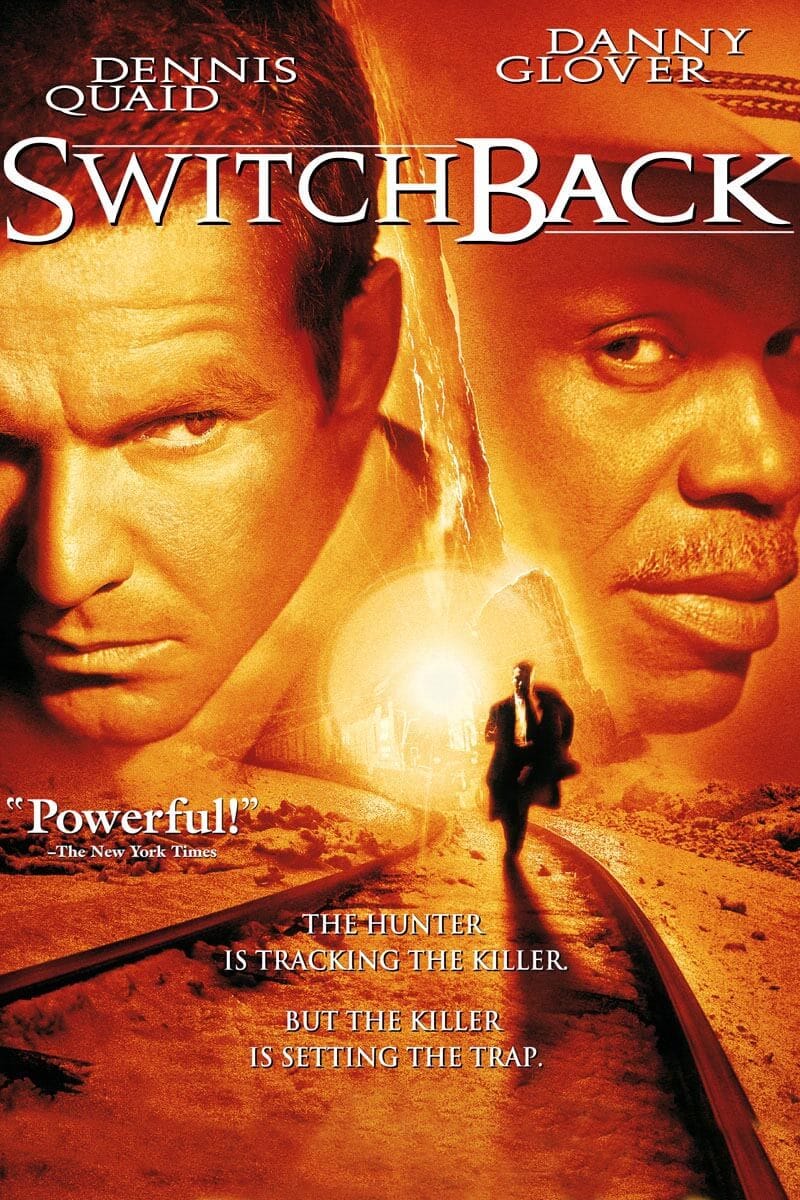
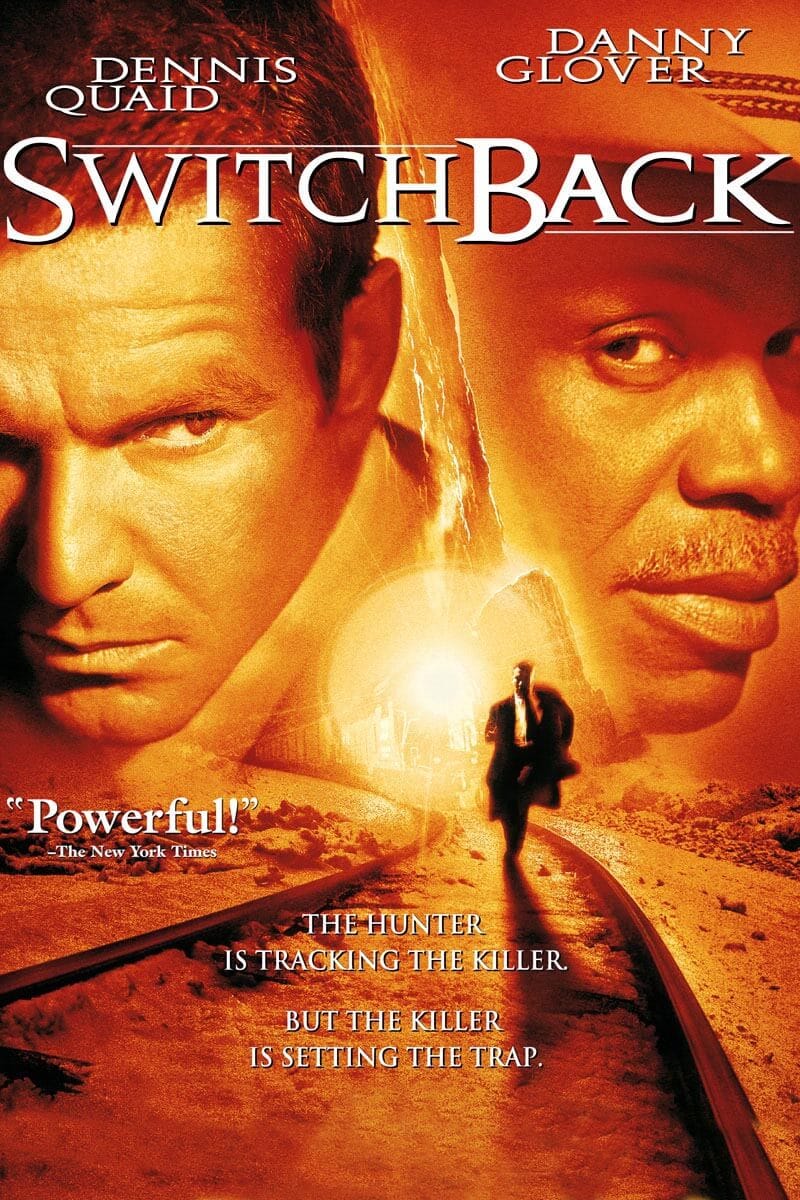
Switchback is a serial-killer movie that doesn’t really feel like one.
It’s more of a thriller.
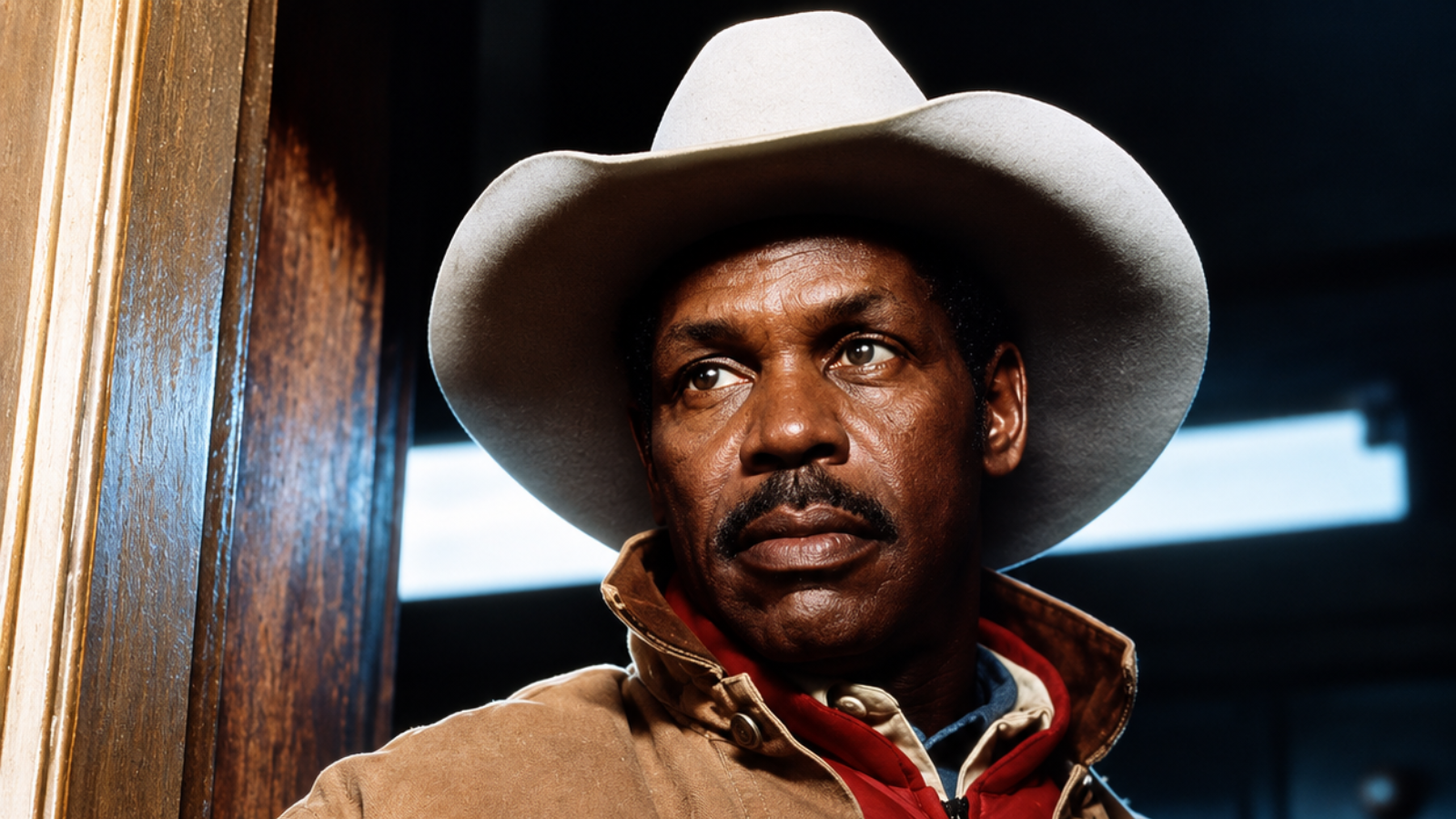
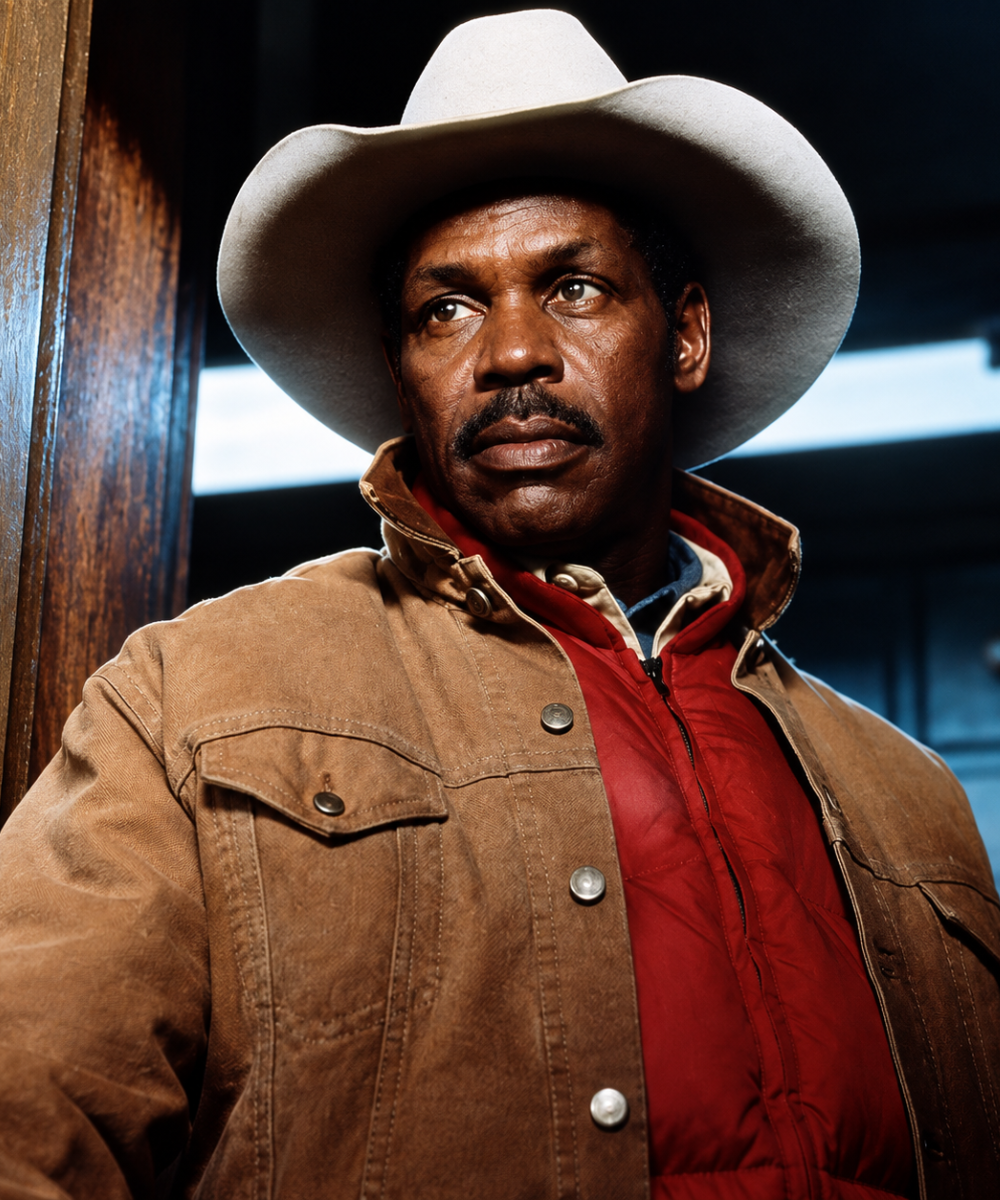
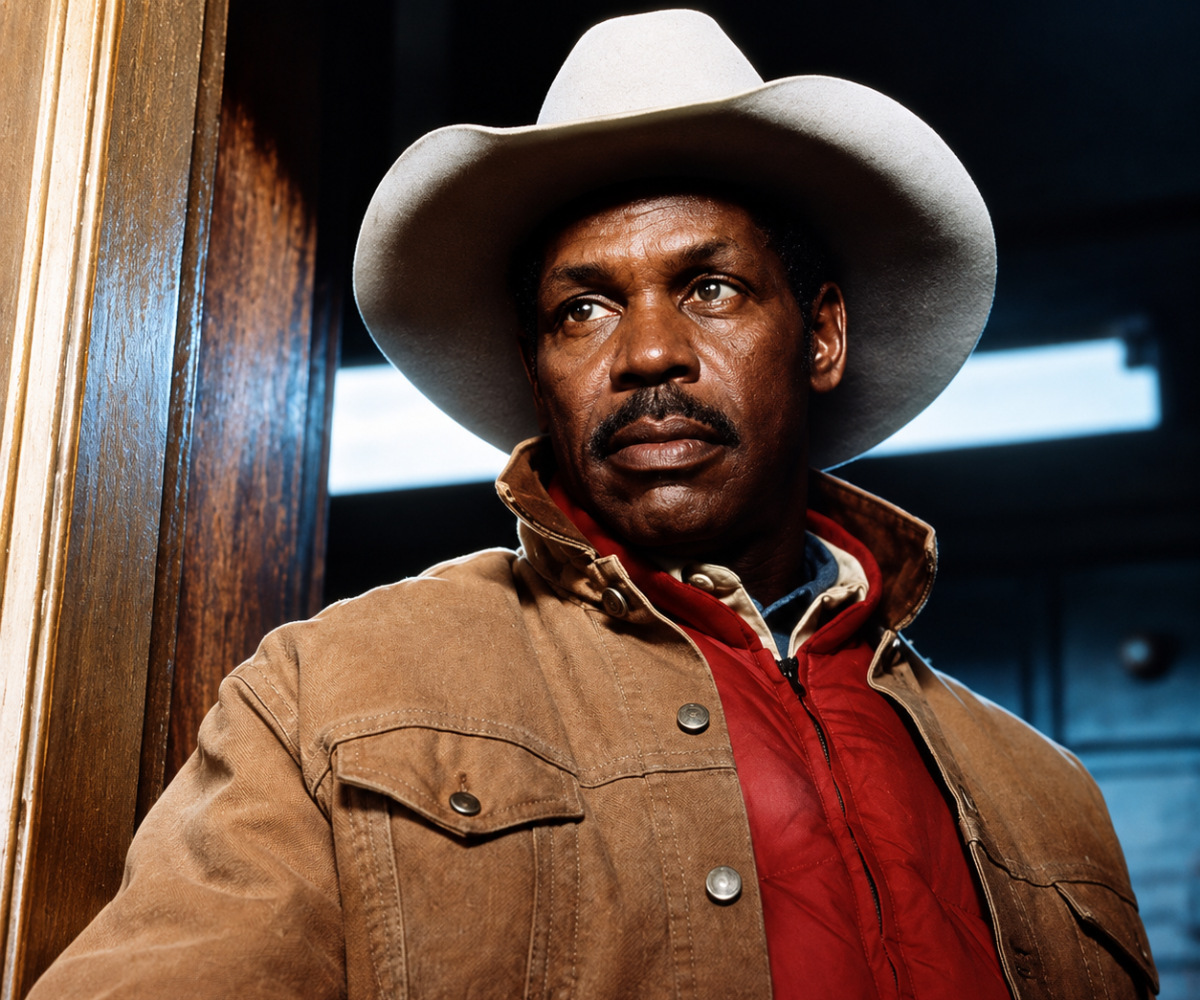
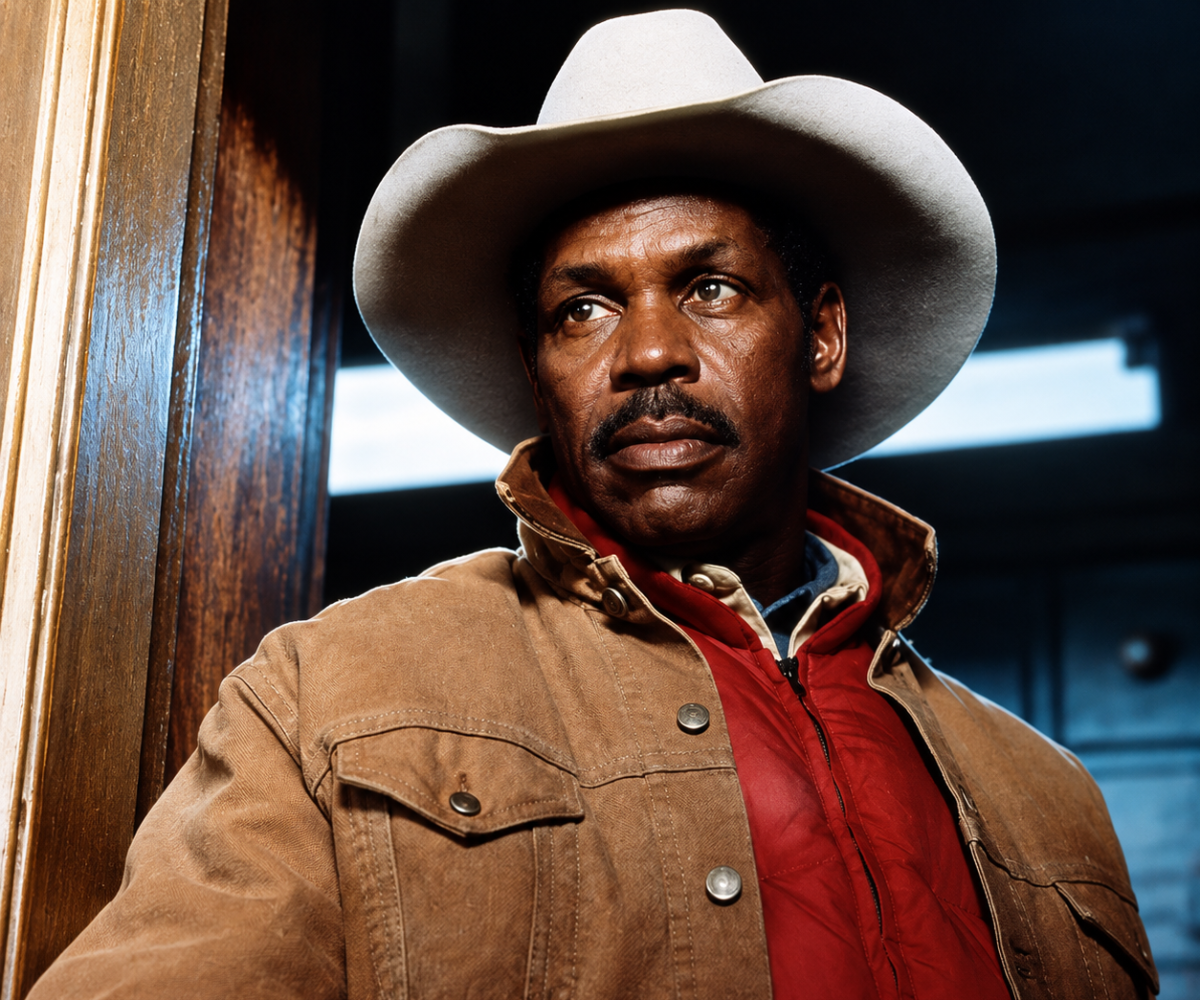
Dennis Quaid plays an FBI agent hunting a killer who has made the case deeply personal. Meanwhile, Danny Glover plays a railroad worker who crosses paths with a young drifter played by Jared Leto.
What makes the movie work for me is everything around the investigation. Highways, trains, diners, snowy mountain towns — I’m a junkie for these kinds of things — and Switchback makes great use of all of them.
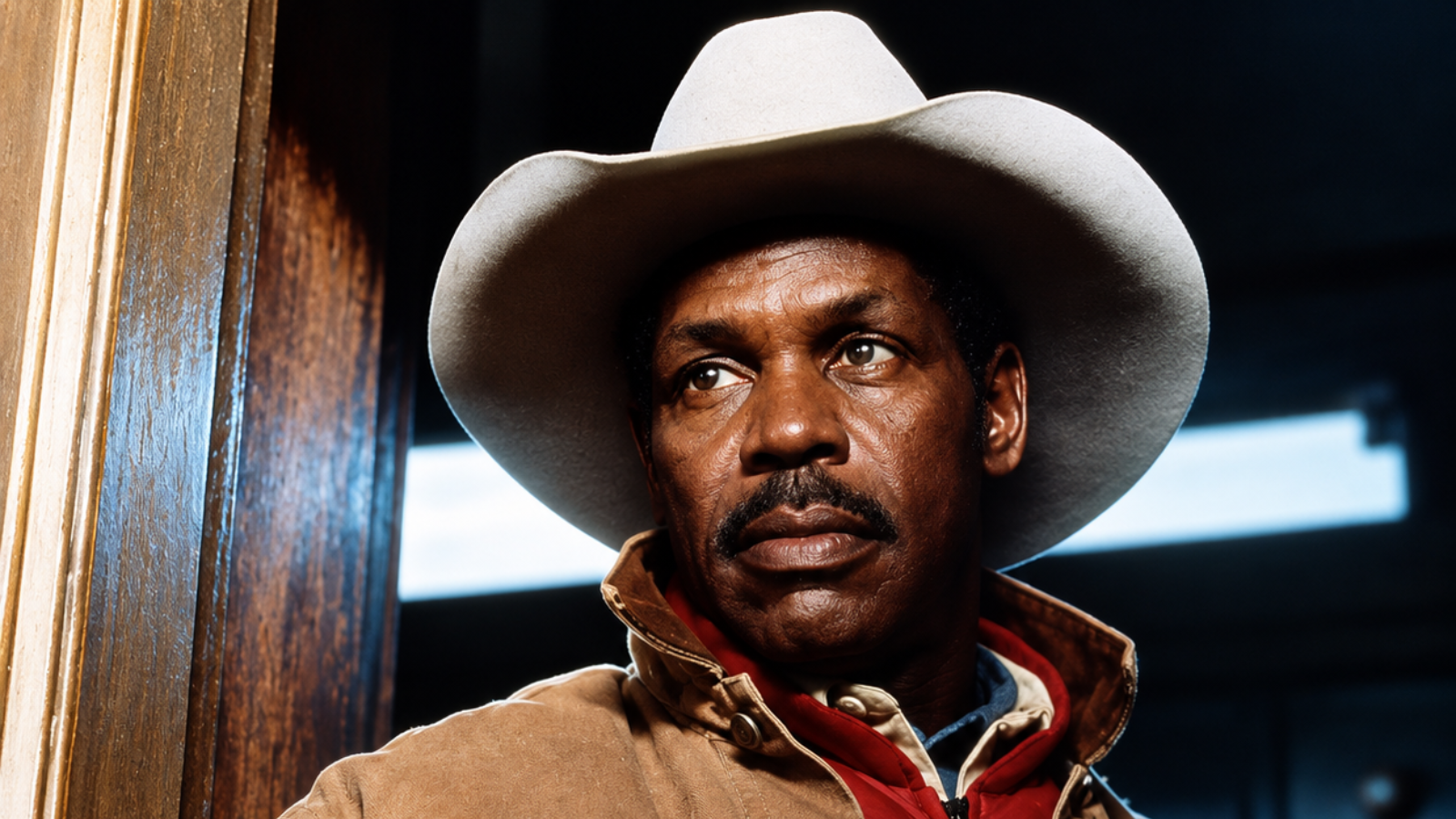
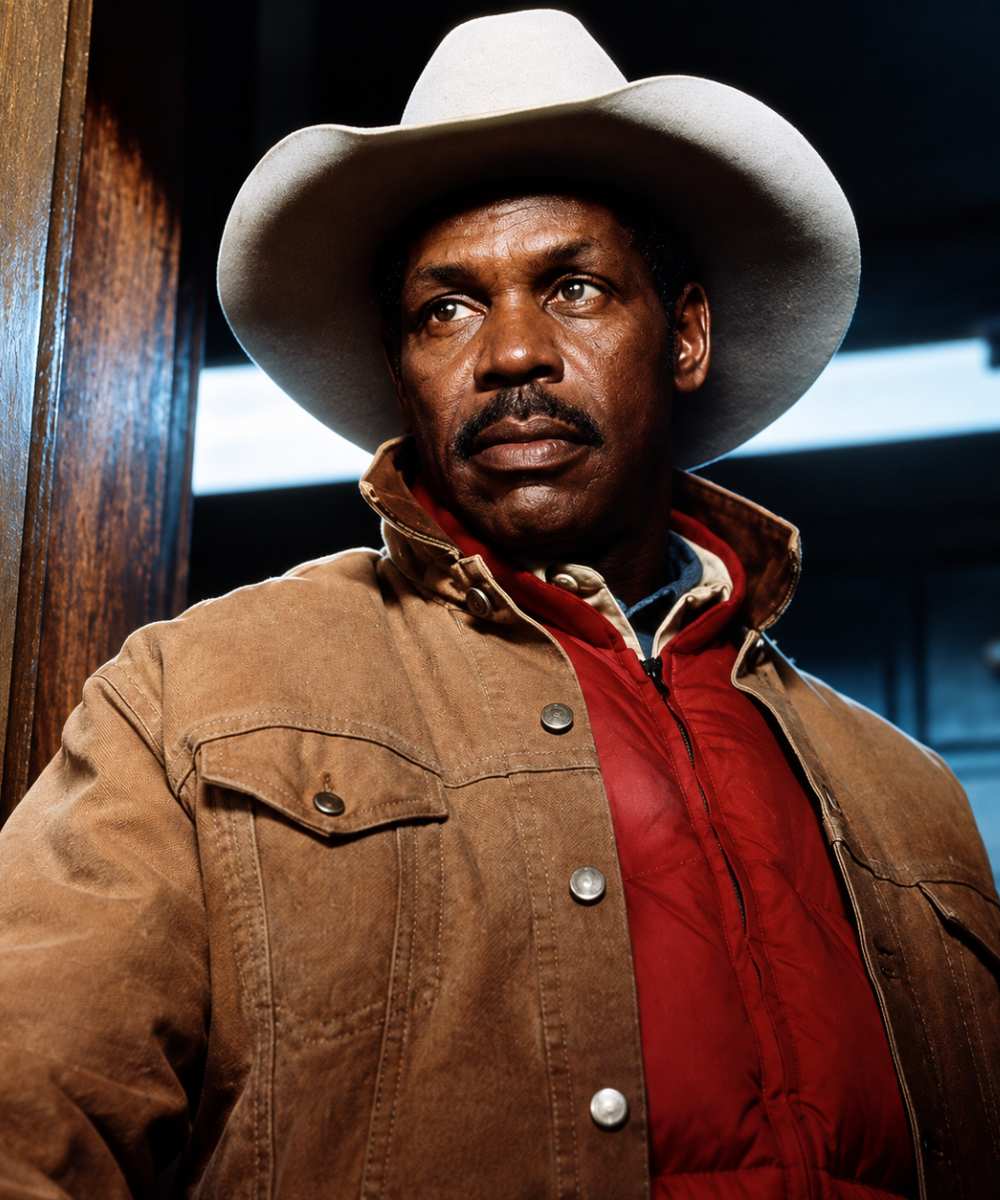
Glover is excellent, nailing a role that requires him to be friendly, funny, and just slightly odd — in a way that keeps you paying attention.
There are better-known serial-killer movies from the 1990s.
A slow-burn 1990s thriller with Dennis Quaid, Danny Glover, Jared Leto, and snowy Colorado mountain scenery that gives the movie much of its personality.
💡
One of the best sports movies almost nobody talks about.
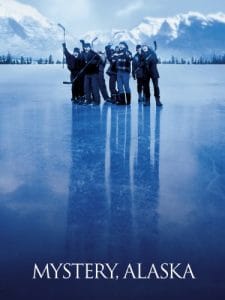
Mystery, Alaska is one of the best sports movies nobody talks about.
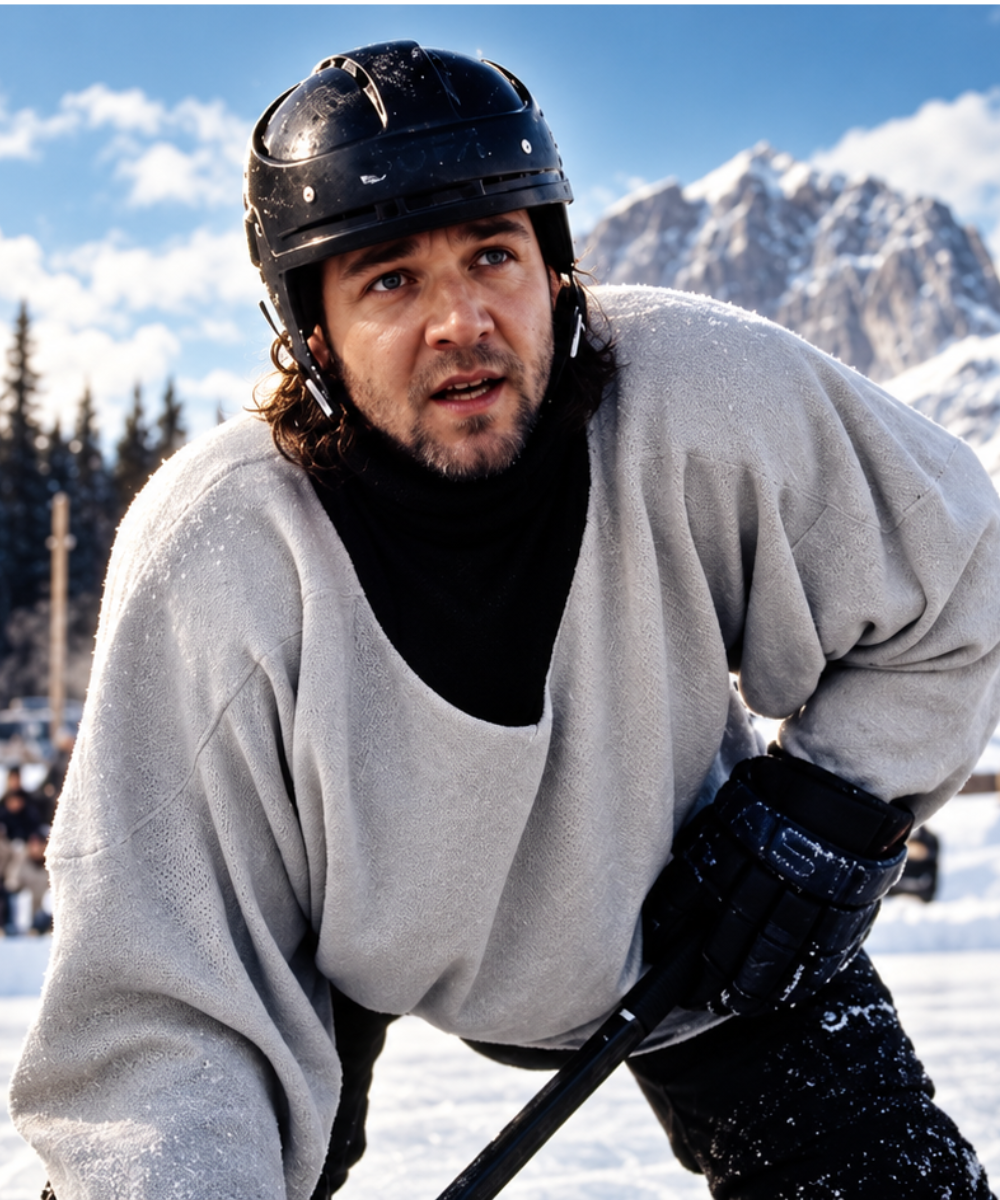
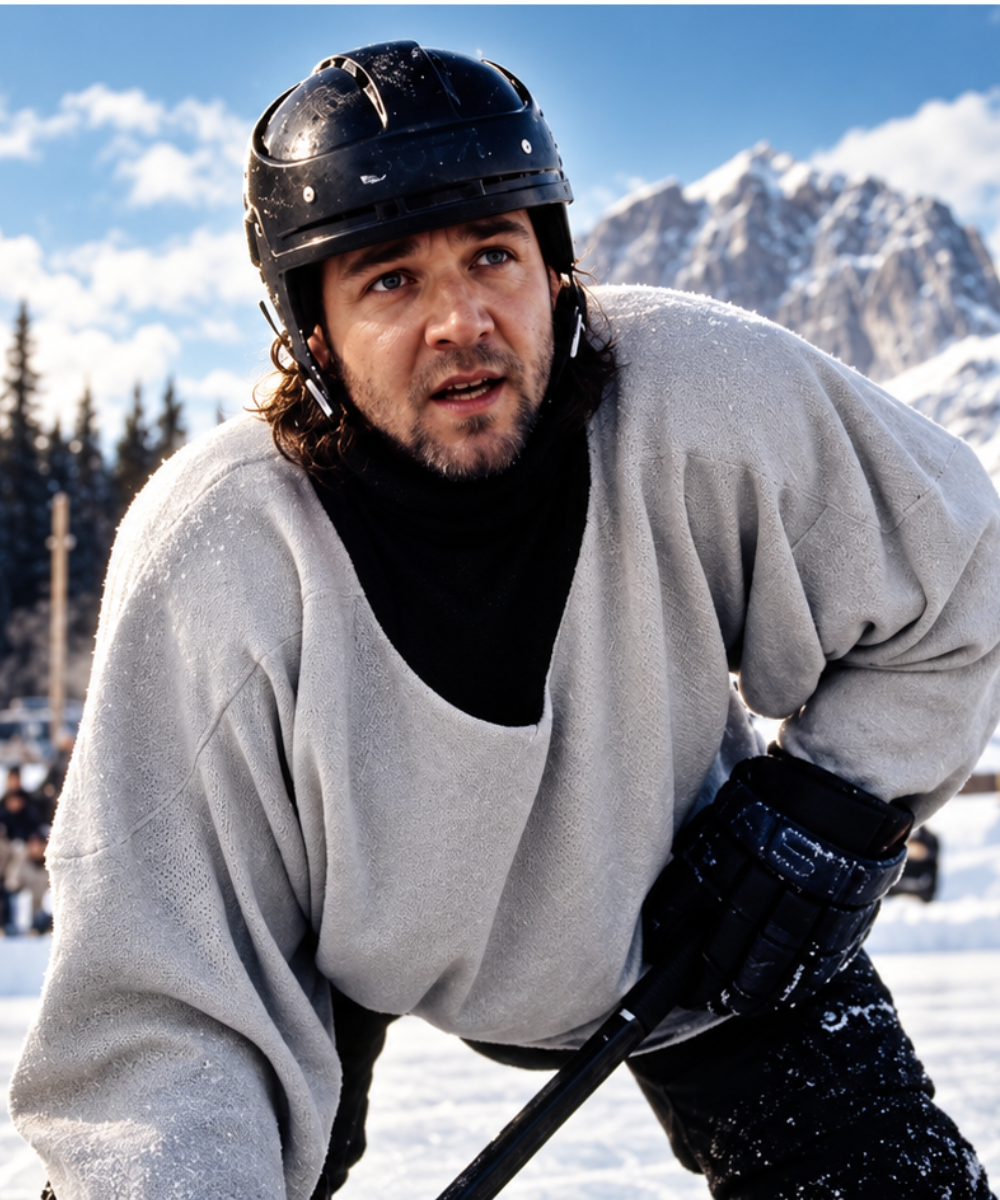
Russell Crowe plays John Biebe, one of the best hockey players in Mystery, Alaska—a tiny town where the weekly Saturday Game is basically the center of civic life.
Then somebody gets the bright idea to bring the New York Rangers to Mystery for an exhibition game on the town’s frozen pond.
Yes, that’s the premise.
Ridiculous? Sure. But it works—and not in a goofball comedy way.
The movie has hockey, but it’s really about the town and the people in it. Burt Reynolds, Hank Azaria and a deep supporting cast give Mystery enough personality that the game actually matters by the time everyone finally takes the ice.
A small-town hockey movie with Russell Crowe, Burt Reynolds and one wonderfully ridiculous premise: what happens when the New York Rangers come to town?
💡
Somehow, it’s both a great movie and hard to watch.
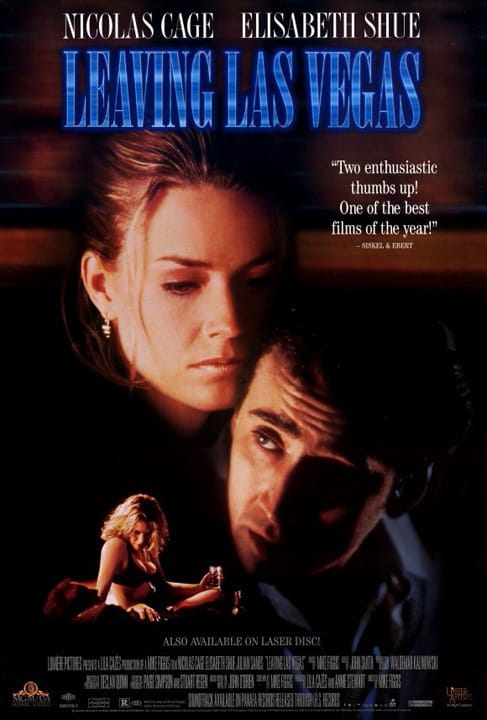
Leaving Las Vegas is the kind of movie I hesitate to recommend even though I think it’s excellent.
Ben Sanderson, played by Nicolas Cage, is a Hollywood screenwriter whose life has collapsed under his alcoholism. He goes to Las Vegas with one goal: drink until he dies. There he meets Sera, played by Elisabeth Shue, a prostitute with plenty of damage of her own.
Cage is extraordinary. This is the performance that won him the Oscar, and he earns it. But Shue is just as important. Without her, this could easily become two hours of watching a man destroy himself. She gives the movie its heart.
I wouldn’t recommend putting it on after a long day when all you want is to unwind.
It’s painful to watch, and it doesn’t let you off easy.
Leaving Las Vegas is devastating, unforgettable, and almost impossible to casually recommend. It’s also one of the best performances Nicolas Cage ever gave.
Critics aren’t useless. No, seriously.
But they watch movies differently than most people do.
If you watch several movies for a living, predictable plots become irritating, sentimentality can get punished, and a movie that simply delivers two entertaining hours may not seem particularly impressive when you’ve watched three other variations of it that month.
The rest of us have a very simple, but different question:
Was it good?
More specifically: did we enjoy it, would we recommend it, and would we watch it again?
Sometimes the answers to those questions look very different from the reviews.
Here are a few movies where I think the critics missed what mattered.
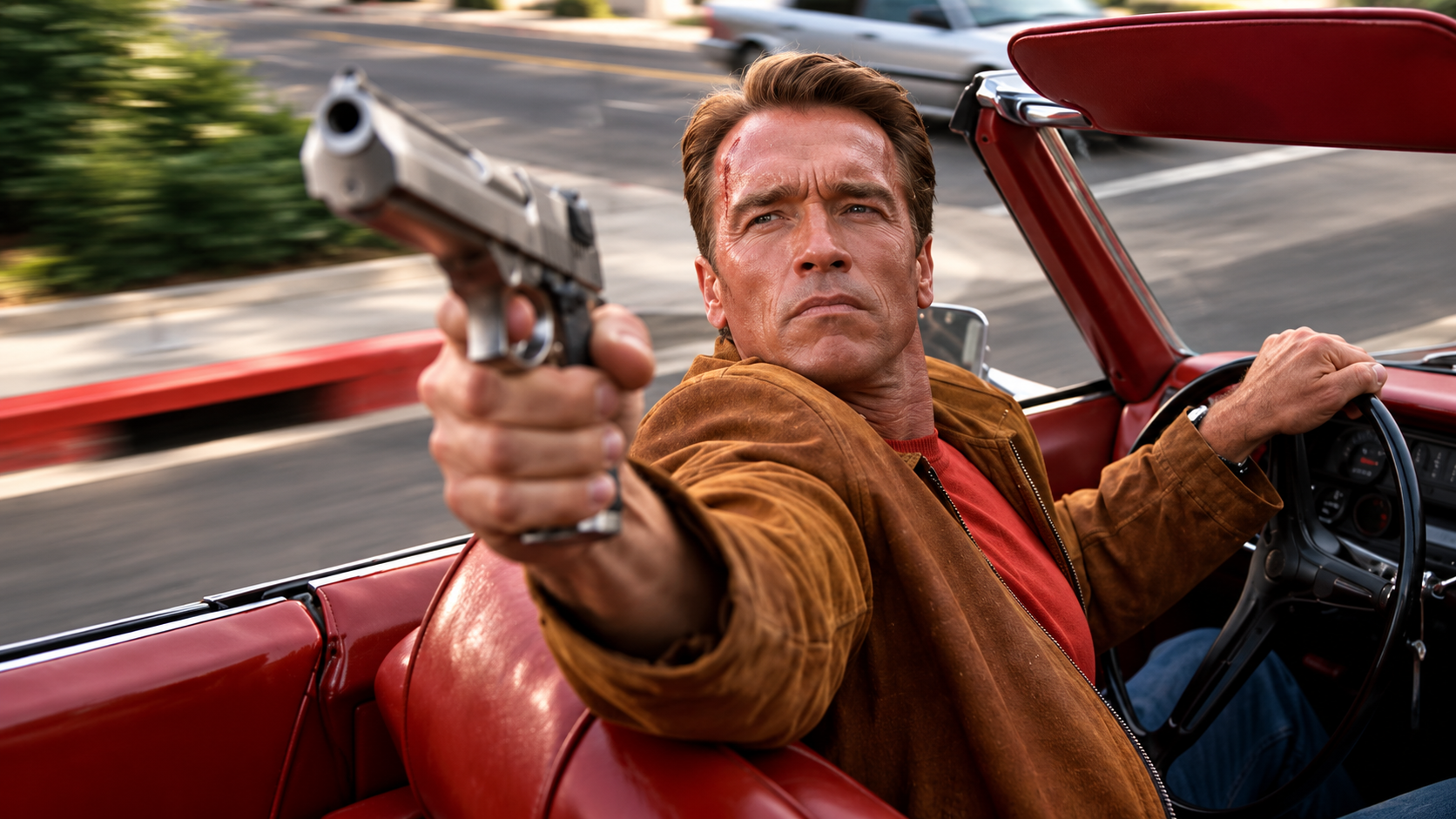
Last Action Hero (1993)
I remember when this movie came out, the press savaged it. It was so pervasive, I almost believed it… until I saw it.
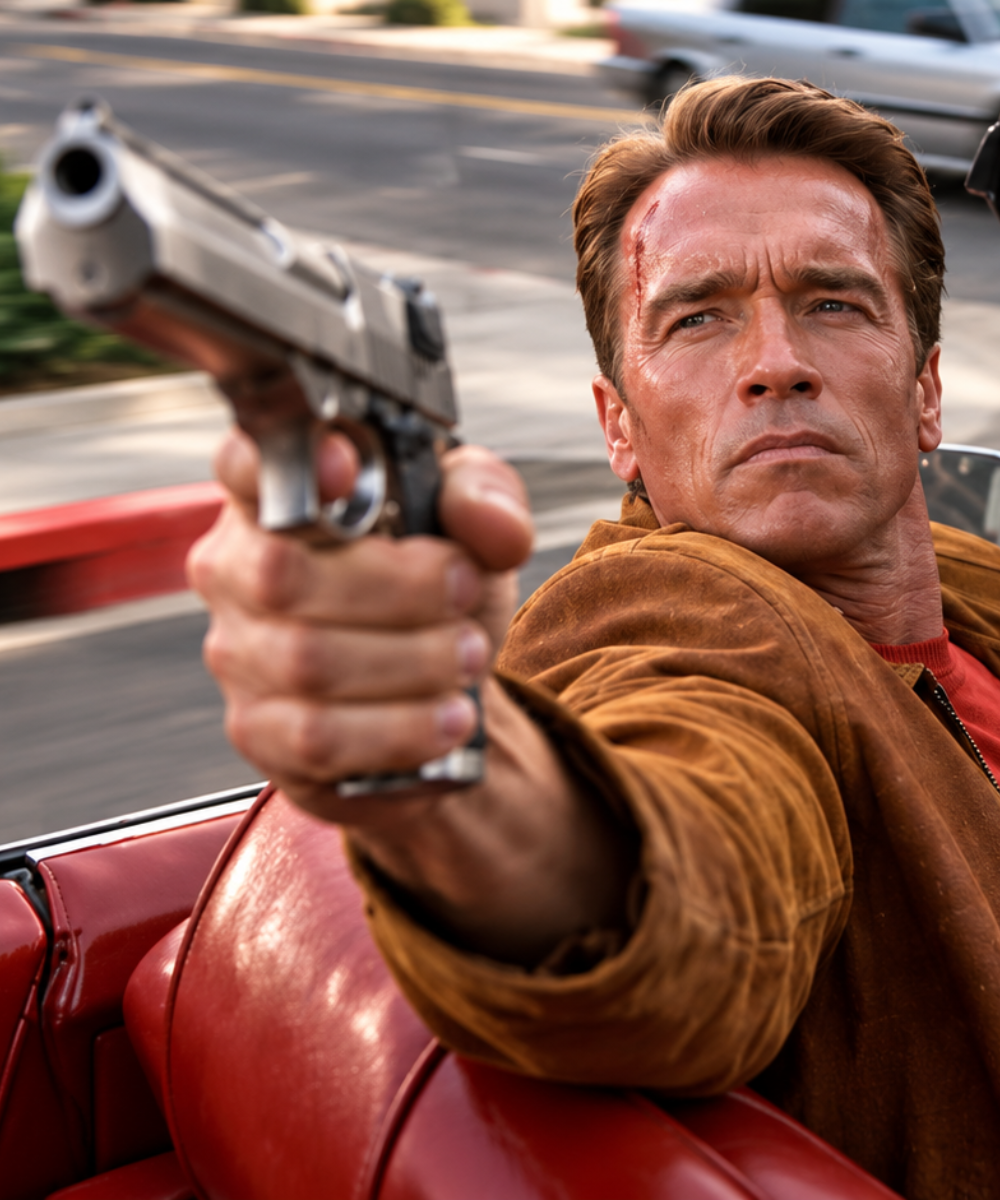
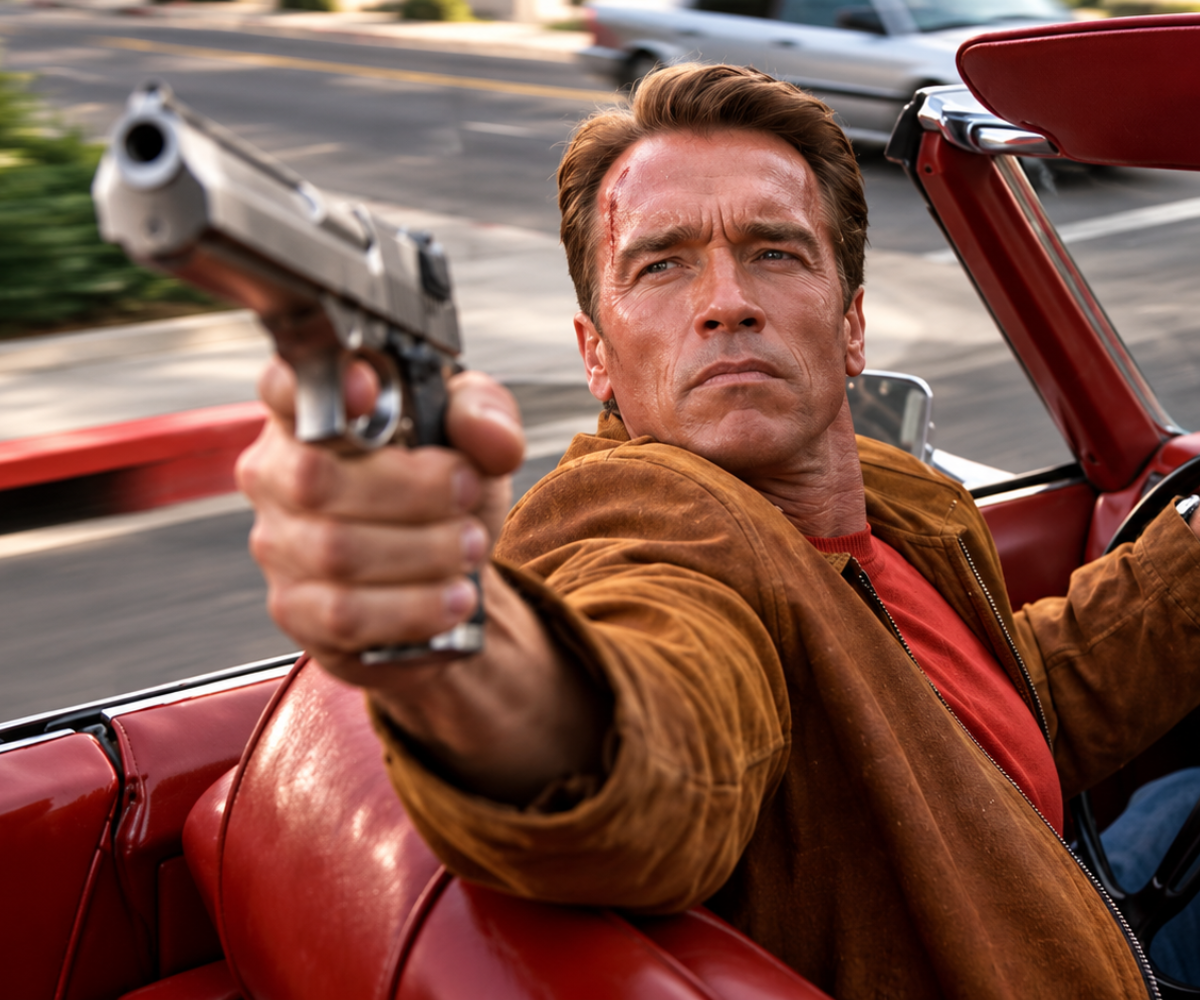
Genuinely one of my favorite Arnold Schwarzenegger movies.
Here’s the plot: A young movie fan gets pulled into the world of his favorite fictional cop, Jack Slater, where the kid understands the rules better than the people living by them.
Of course the bad guy is hiding there. Of course that explosion didn’t kill anybody important. Has nobody in this movie seen a movie?
Schwarzenegger is a big part of why it works. He’s willing to make fun of the screen persona that made him famous while still delivering the action you came for. And Charles Dance is terrific as the villain.
Some of the jokes land better than others, and it could stand to be shorter. But there’s considerably more imagination here than in another movie where Arnold simply shoots his way through a warehouse.
Although, to be fair, I’d watch that too.
The Ghost and the Darkness (1996)
Val Kilmer and Michael Douglas hunting man-eating lions… do I need to say more?
Kilmer plays an engineer overseeing a railway bridge in East Africa when two lions begin killing the workers. Douglas arrives as the hunter brought in to help. Finishing the bridge becomes somewhat less important than surviving the night.
The movie builds a nasty sense of vulnerability. There’s tall grass everywhere, darkness is coming, and being inside something doesn’t necessarily mean you’re safe.
The setting, the cast, and the suspense make this an easy recommendation from me.
Just perhaps not the night before a camping trip.
The Guardian (2006)
I think the Tomatometer is broken. The Guardian has a 37%.
On what planet does that make sense? Kids making movies in high school can get 37%.
Thankfully, the audience gets it: 80% with more than 250,000 ratings.
Kevin Costner plays a veteran Coast Guard rescue swimmer, while Ashton Kutcher is the cocky young recruit who thinks talent is enough. You know where this is going.
Doesn’t matter.
Costner is perfect for this kind of role, Kutcher is better than I expected, and the training gives their relationship enough time to matter once the rescues start. There’s also something compelling about watching people whose job it is to jump into conditions everyone else is desperately trying to escape.
Veteran and rookie. Check. Huge waves. Check. Cocky young guy gets humbled. Check.
What more do you want?
For Love of the Game (1999)
Apparently I have two Kevin Costner movies to defend. Fine with me.
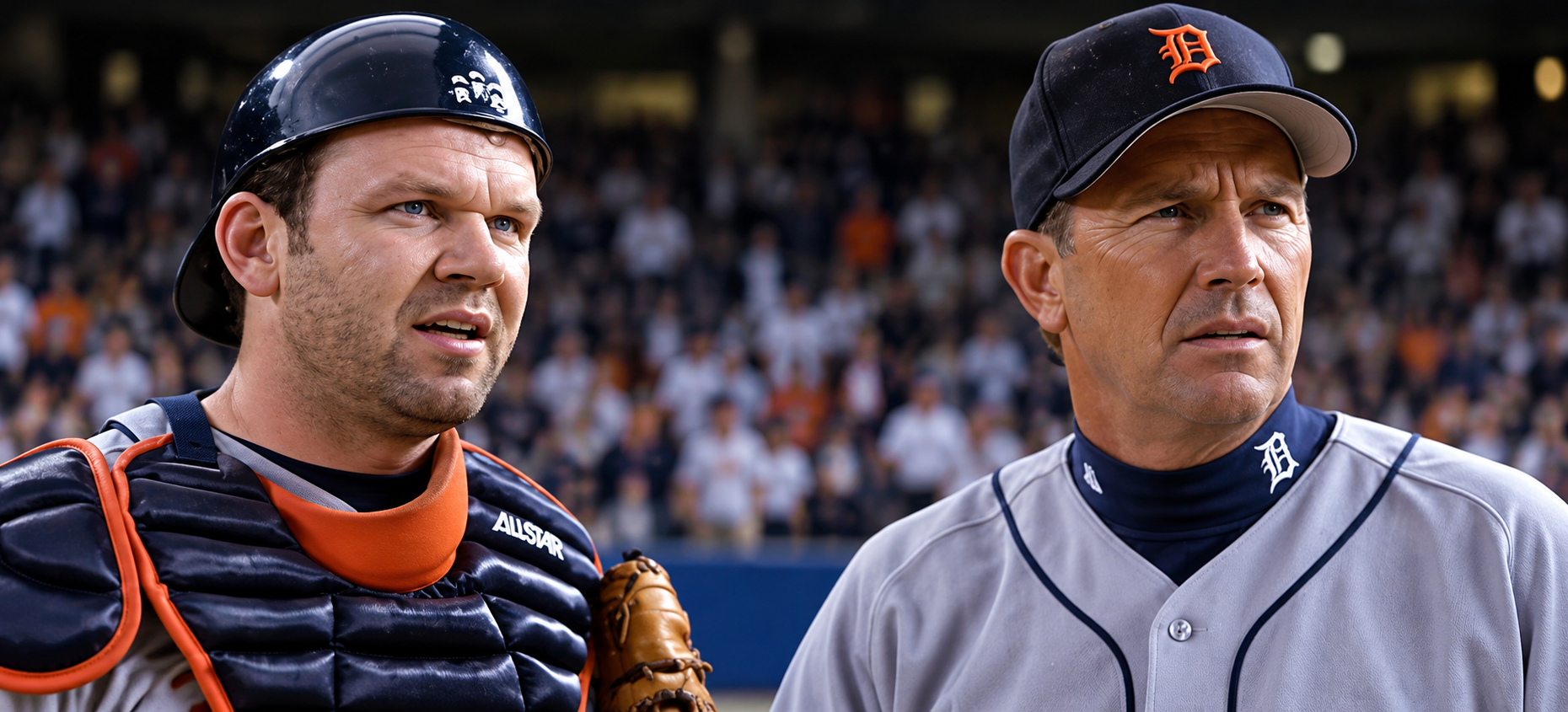
Costner plays Billy Chapel, an aging Detroit Tigers pitcher looking back on his career and his relationship with Jane, played by Kelly Preston, while pitching against the Yankees.
The baseball and the love story split the movie. If you only care about one, the other may test your patience.
But together they give Billy something more interesting to deal with than the next batter.
What does his life look like when baseball is over?
That’s a good subject for a sports movie, especially one about a guy who’s been doing this long enough to know the end is coming.
And to be fair, that 47% Tomatometer score isn’t completely crazy. I’d probably put this one in the Watch If Free category.
That doesn’t mean I didn’t enjoy it. I did.
I like a sports movie that understands there’s a life waiting outside the stadium.
Even if the athlete hasn’t quite figured out what to do with it.
Country Strong (2010)
Country Strong is a messy movie about people making a mess of their lives.
That's it.
Maybe critics don’t like that. That might help explain the 23% Tomatometer score.
To be fair, some of that mess belongs to the screenplay, so I’m not going to pretend every criticism is unfair.
Gwyneth Paltrow plays Kelly Canter, a country star trying to make a comeback after rehab. Tim McGraw is her husband and manager, while Garrett Hedlund and Leighton Meester play younger performers joining the tour.
There’s ambition, drinking, romance, and a collection of decisions you’d probably advise everyone involved not to make.
But the music gives you a reason to care about these people as performers, even when you’re frustrated with them as people. Hedlund is a particular draw as Beau, and his scenes with Meester give the movie some needed warmth.
Don’t expect a cheerful concert movie. It gets heavy.
Still, the songs, the performances, and the relationships all worked.
I enjoyed it, flaws included.
A bad review isn’t a veto
I’m not arguing that these five movies are flawless. But I am recommending them.
Some are Watch If Free. Others are Worth Renting. Last Action Hero probably gets pretty close to Must Watch territory.
There are fair criticisms of every one, and some will bother you more than they bother me.
Big Tomato has had its say, but I say these are worth a look.
Critics have a different job than the rest of us. Sometimes they dismiss exactly the things that make a movie fun, memorable, and worth watching again twenty years later.
💡
Not much suspense over who’s going to win, but a good watch.
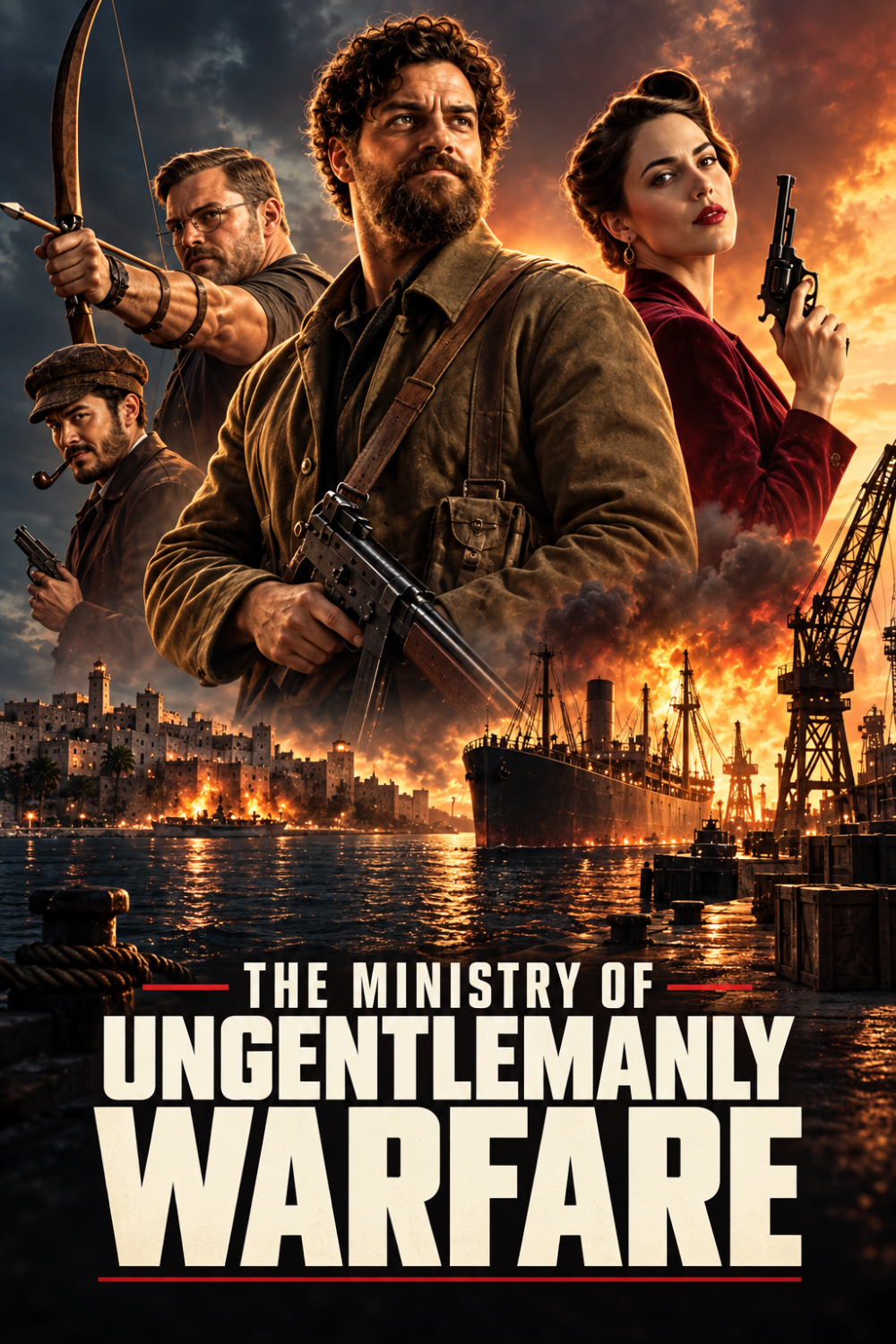
I’m glad the algorithm put The Ministry of Ungentlemanly Warfare in front of me. My life didn’t change, but I enjoyed the two hours.
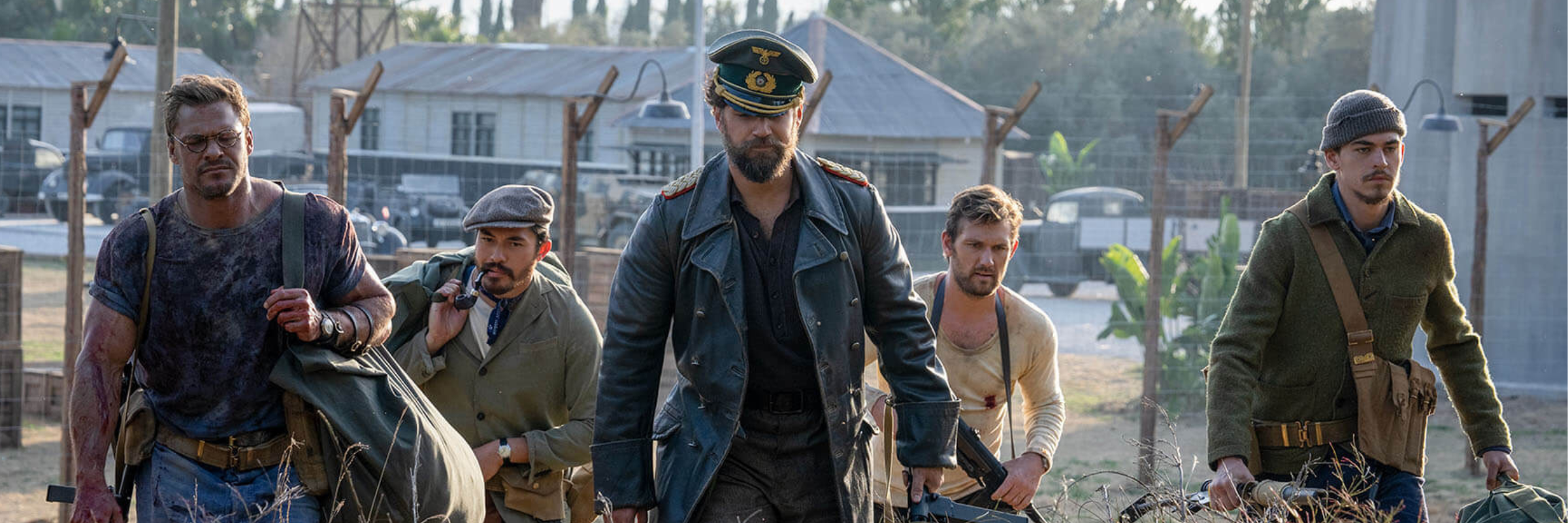
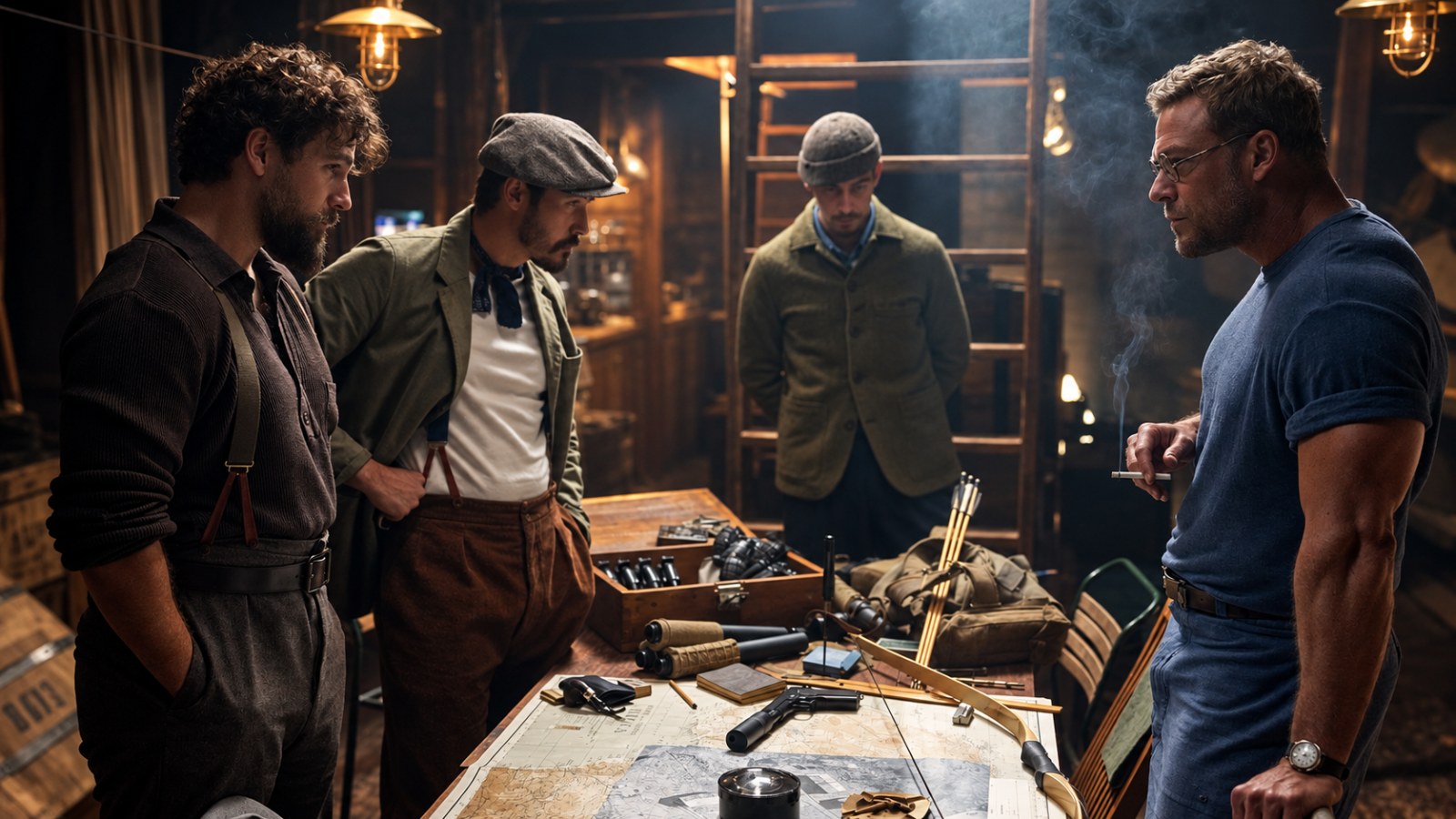
Directed by Guy Ritchie, the movie is based—very loosely—on a real British operation during World War II. Winston Churchill authorizes a secret mission to disrupt the German U-boat fleet, then hands the job to a group of men who aren’t exactly known for following rules.
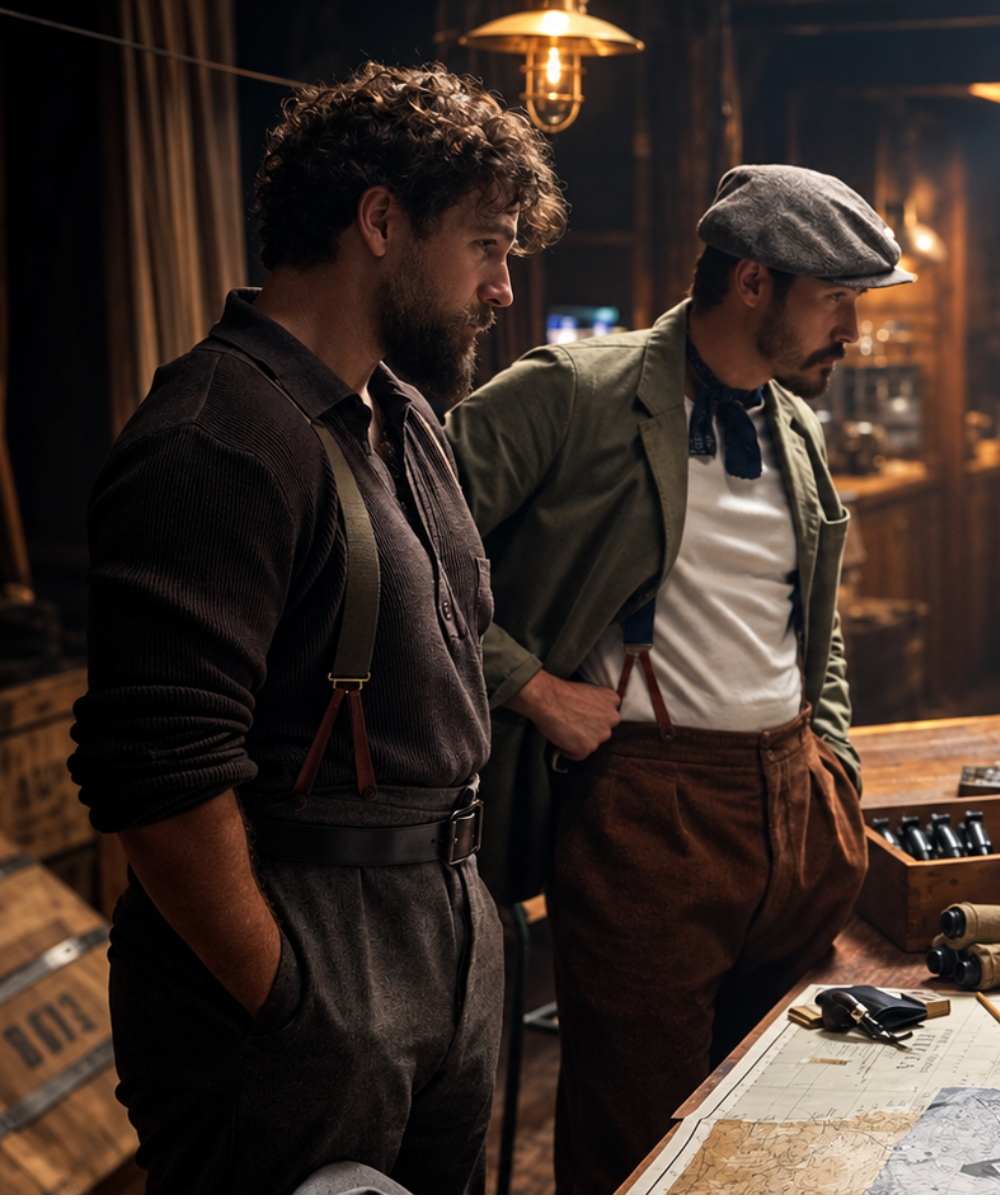
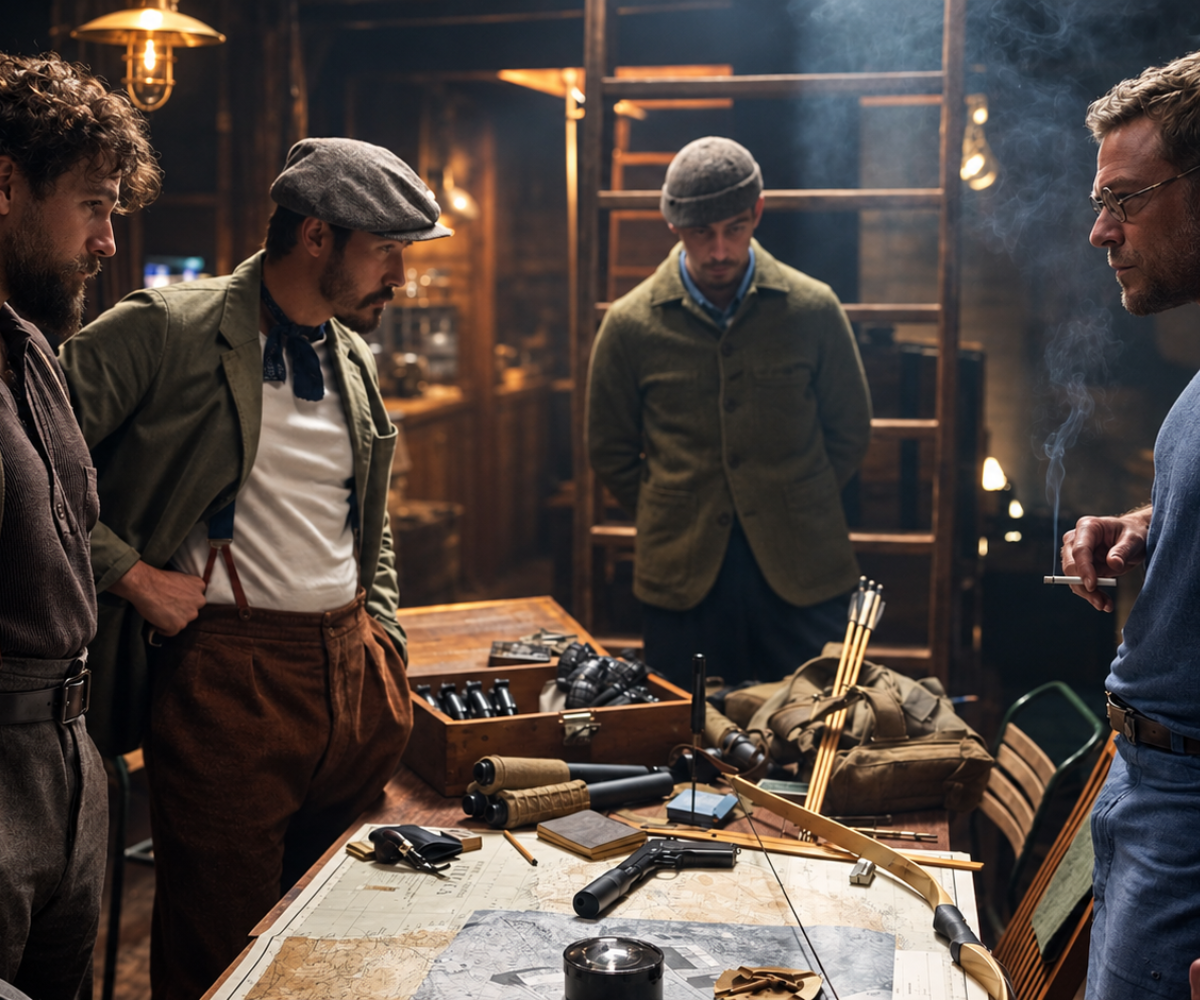
Henry Cavill leads the group as Gus March-Phillipps, and he’s clearly having a good time. He’s joined by Henry Golding, Alex Pettyfer, Hero Fiennes Tiffin and Alan Ritchson, while Eiza González and Babs Olusanmokun work another part of the mission from inside enemy territory.
Don’t mistake any of this for a history lesson. The heroes are absurdly capable, the Nazis are mostly there to be shot, stabbed, blown up or hit with arrows, and you rarely believe the mission is going to end any other way.
Normally that would bother me.
Here, it didn’t.
The cast is likable, the movie moves quickly and there’s just enough humor without turning the whole thing into a joke.
It’s not one of the great World War II movies.
It is, however, an entertaining way to spend an evening.
Henry Cavill leads a group of British operatives on a secret World War II mission in this very loosely based-on-a-true-story adventure. Plenty of Nazis get in the way—and few survive the encounter.
I don’t generally like serial-killer movies. I just don’t usually enjoy spending two hours inside that particular kind of story.
Switchback is different. It doesn’t feel like a typical serial-killer movie.
It feels more like a thriller that happens to have a serial killer in it.
And that is a big part of why I like it.
Dennis Quaid plays Frank LaCrosse, an FBI agent whose pursuit of the killer has become deeply personal. His investigation takes him through small towns and cold, isolated stretches of the American West.
Meanwhile, Danny Glover plays Bob Goodall, a railroad worker who crosses paths with a young drifter played by Jared Leto.
Goodall is friendly, talkative, funny, and yet slightly odd. Glover plays him with exactly the kind of warmth that makes you want to trust him — while giving you just enough reason not to.
The movie spends a lot of time on highways, trains, diners, snowy landscapes, and remote towns. That setting matters.
Instead of constantly rushing from murder to clue to confrontation, the movie has room to breathe. Characters talk. Relationships develop.
You are watching these people move toward each other without always knowing exactly what is going to happen when they finally collide.
That makes Switchback feel much more human than most movies in this genre.
Danny Glover is excellent. Dennis Quaid gives the movie weight. The locations are terrific. And the suspense builds gradually instead of being manufactured every five minutes.
There are dozens of better-known serial-killer movies from the 1990s.
I usually avoid serial-killer movies. Switchback is the exception — a tense, atmospheric ’90s thriller with a great Danny Glover performance and far more personality than most movies in the genre.
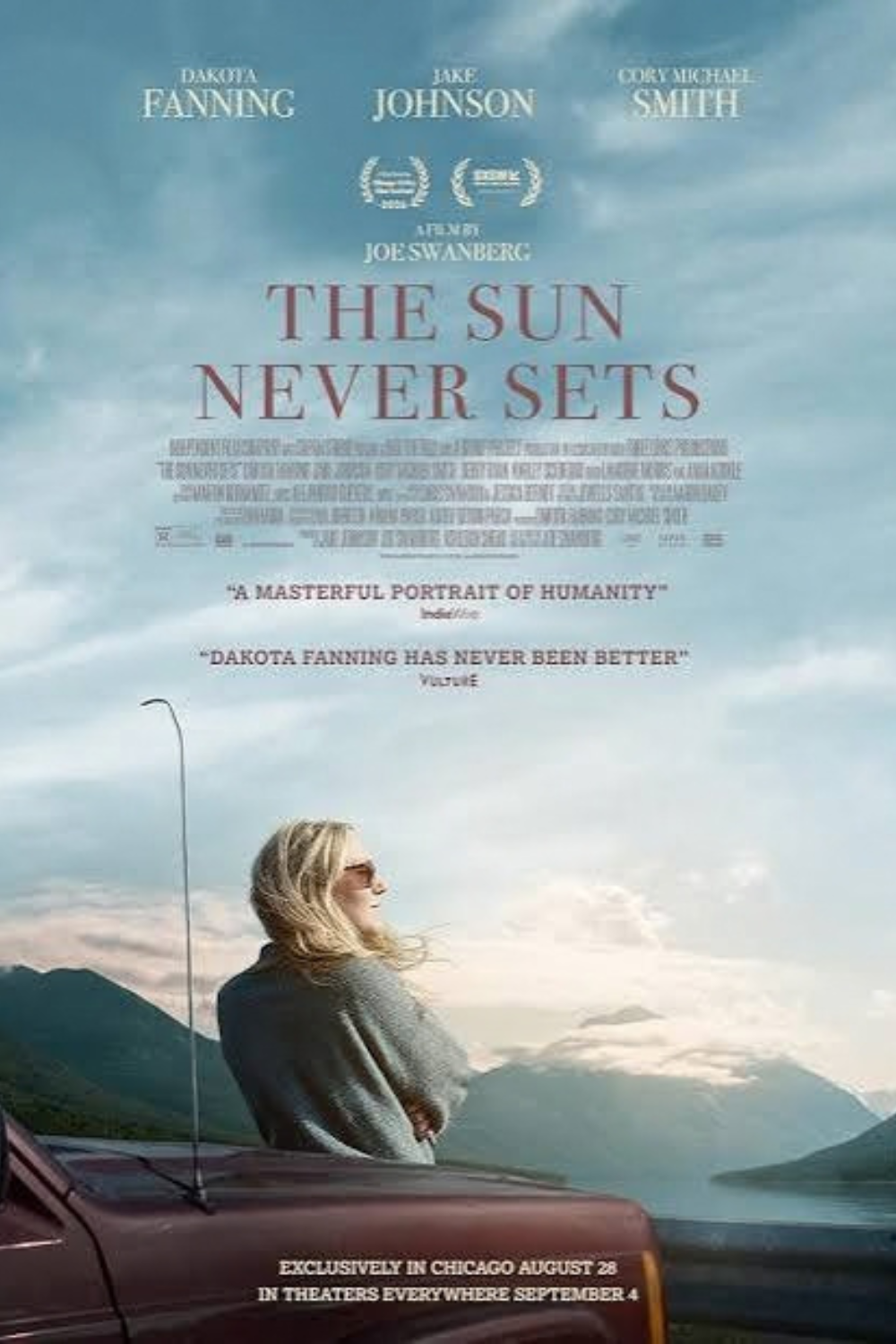
Most love triangles want you to pick a side. The Sun Never Sets makes that surprisingly difficult.
Dakota Fanning plays Wendy, caught between her older boyfriend Jack (Jake Johnson) and a younger ex, Chuck (Cory Michael Smith), who comes back into her life. At first, Chuck feels like the obvious choice, especially since he offers the possibility of the family and children Wendy wants.
But the movie keeps complicating things. The more you learn about both men, the harder it is to know who you’re rooting for—or what Wendy is going to do.
That uncertainty is what made this work for me. It’s unpredictable without relying on some huge twist, and my loyalties kept shifting right along with Wendy’s. A well-done, enjoyable love triangle that never makes the answer too easy.
💡
A love triangle where picking a side gets harder the longer it goes.