Cancer is a dangerous subject for a movie. Push too hard and it becomes manipulative. Make it too light and it can feel completely wrong.
50/50 somehow finds the space in between.
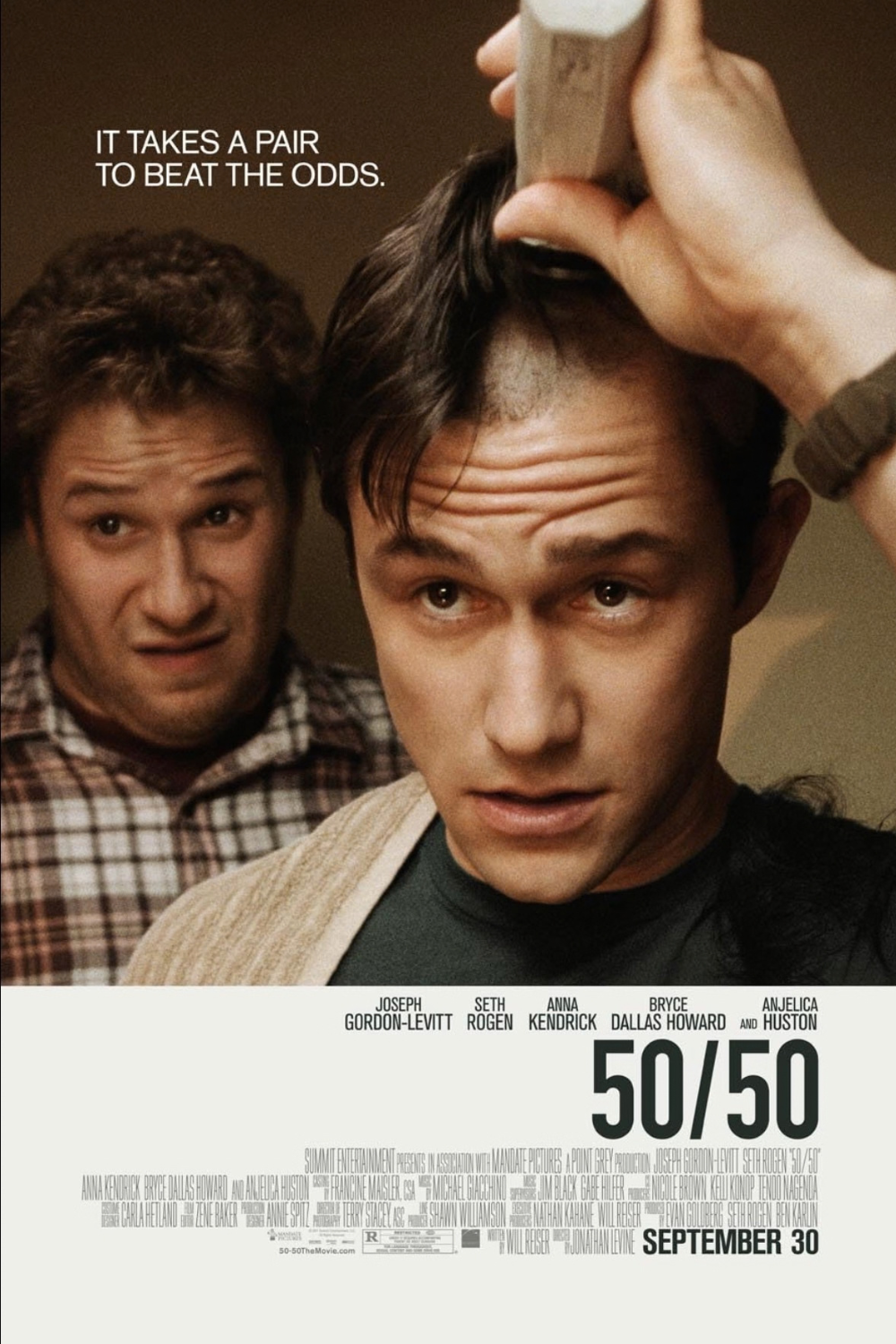
Joseph Gordon-Levitt plays Adam, a 27-year-old whose relatively normal life changes instantly when he learns that he has cancer. The movie doesn’t spend much time building toward the diagnosis. It happens, and from that point forward the story is less about the disease itself than about how Adam—and everyone around him—tries to deal with it.
That’s where the movie feels particularly believable.
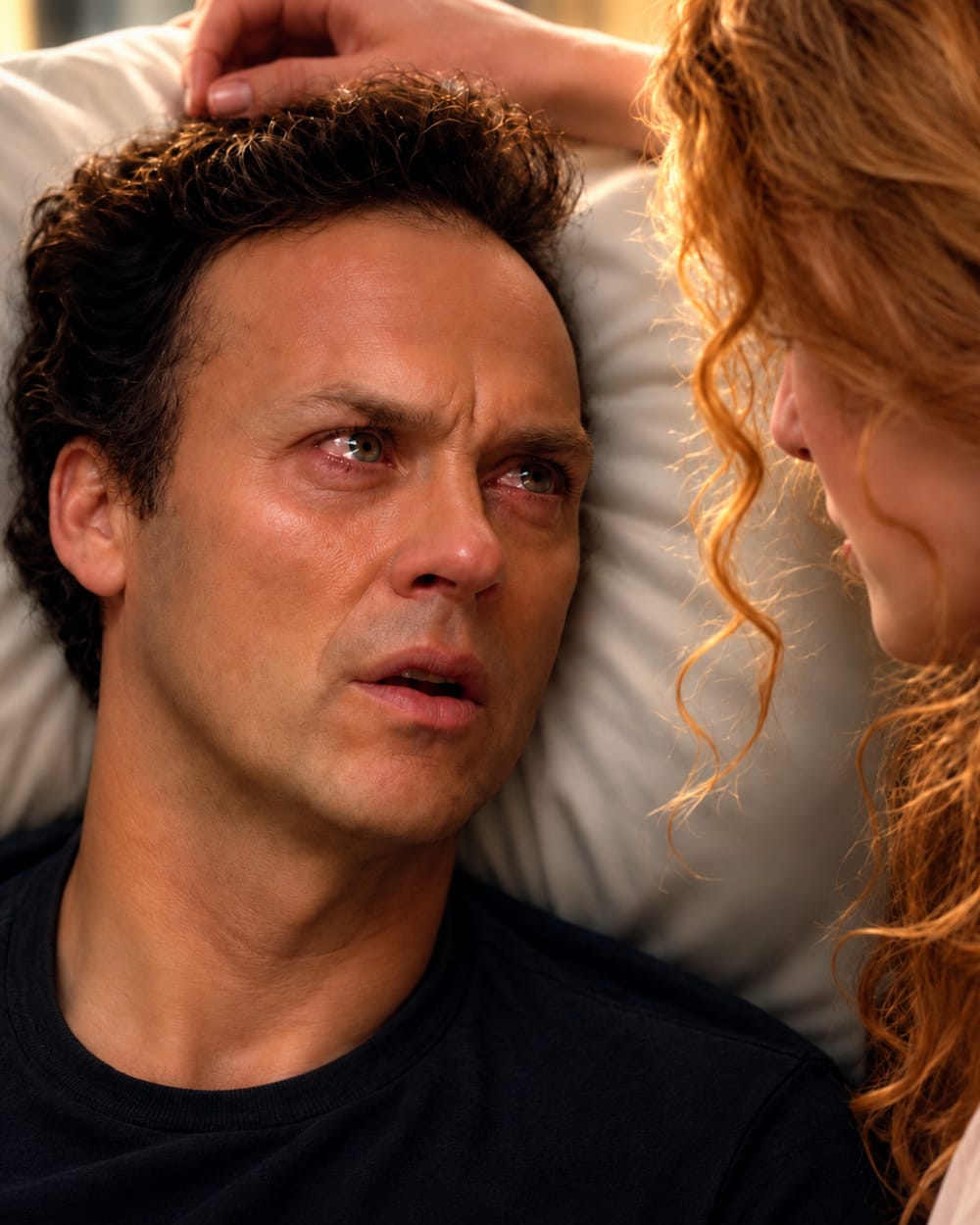
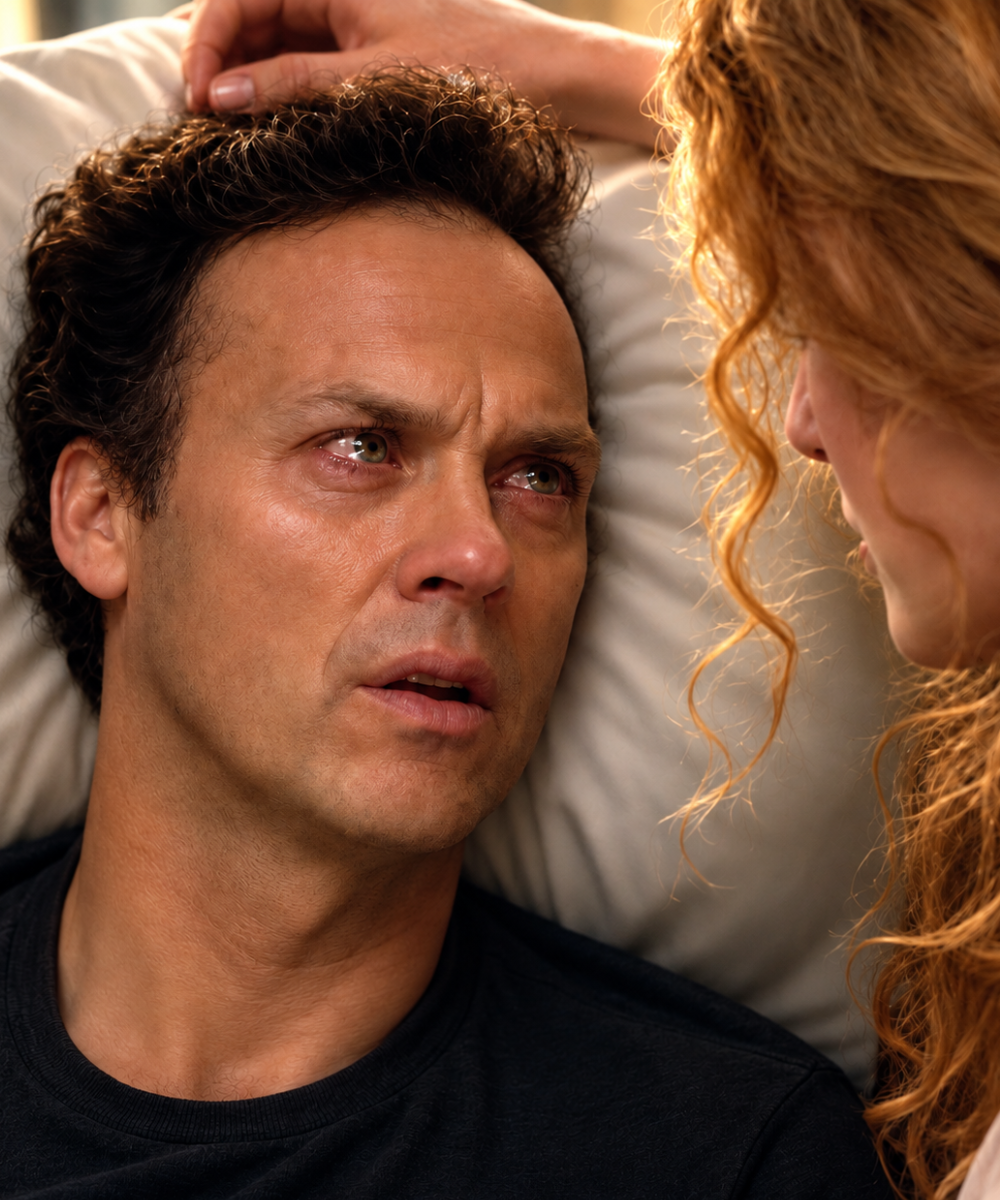
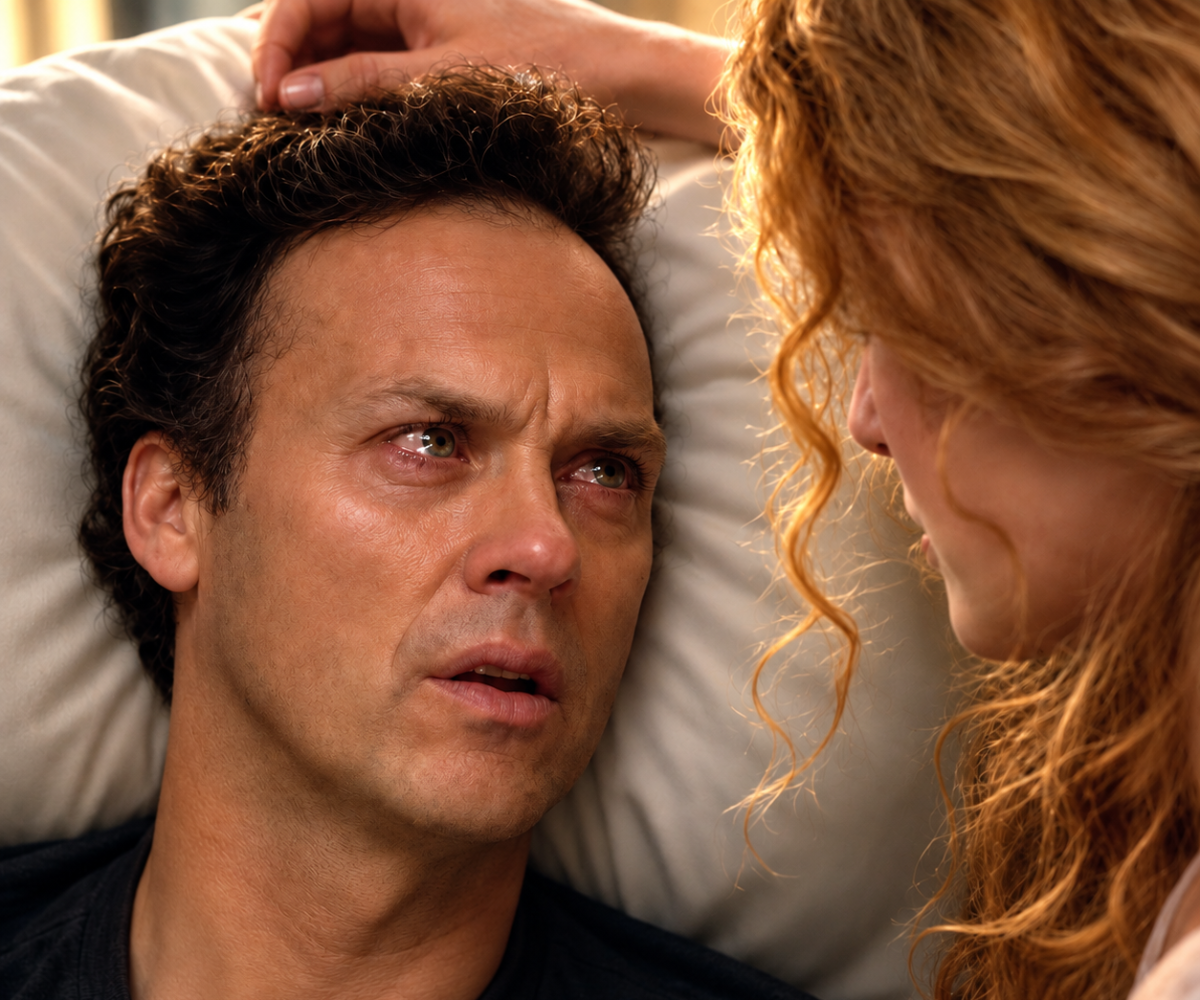
Adam doesn’t suddenly become inspirational. He doesn’t know what to say, what to feel or how frightened he’s supposed to be. Joseph Gordon-Levitt plays all of that extremely well. There’s a restraint to the performance that keeps Adam from ever feeling like a character designed simply to make us cry.
He feels like a guy who has been handed something he has no idea how to carry.
That makes the moments when his fear and anger finally begin to come out much more effective. Gordon-Levitt never oversells it. The movie earns the emotional moments instead of forcing them.
Seth Rogen is, in many ways, still Seth Rogen here.
That works.
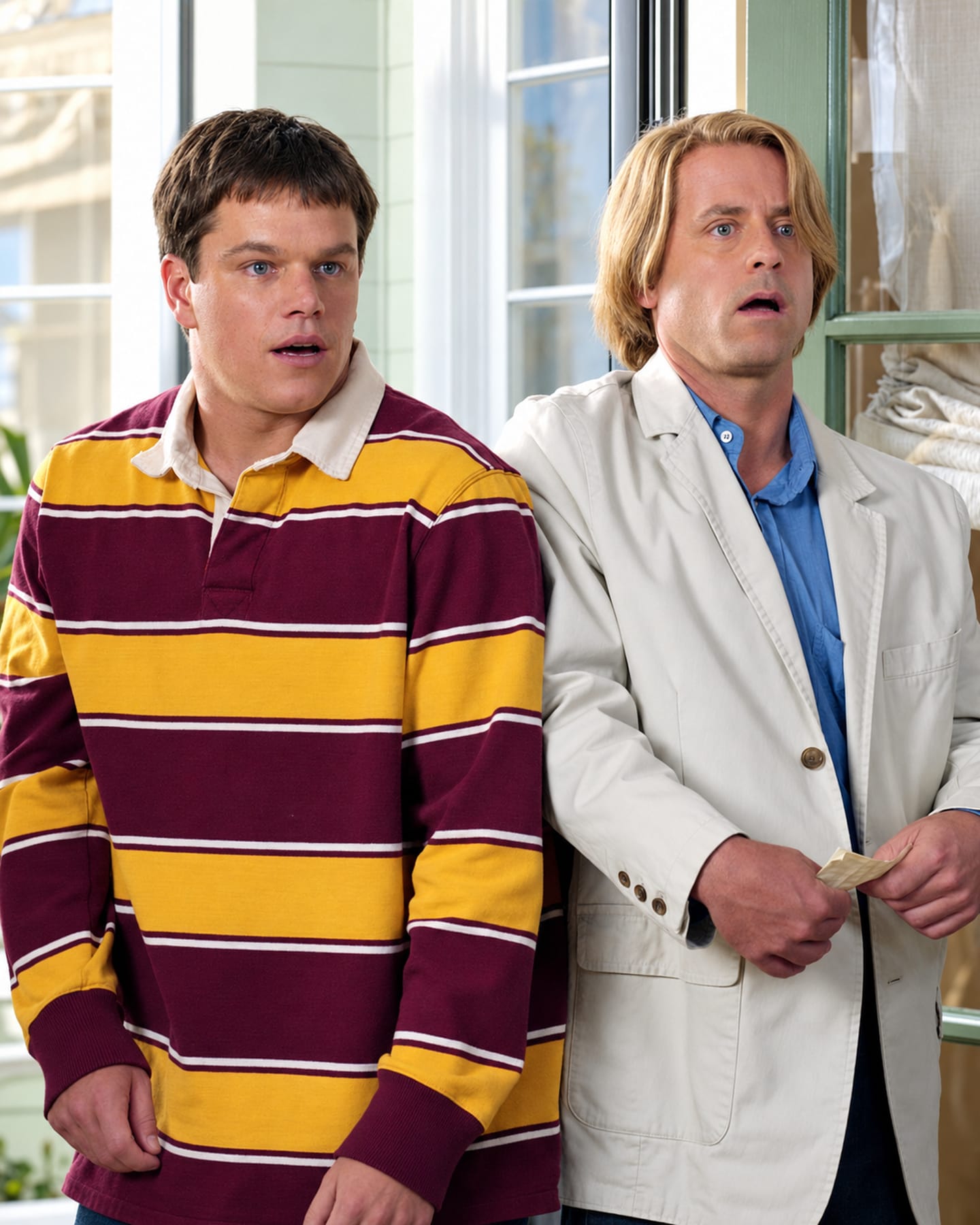
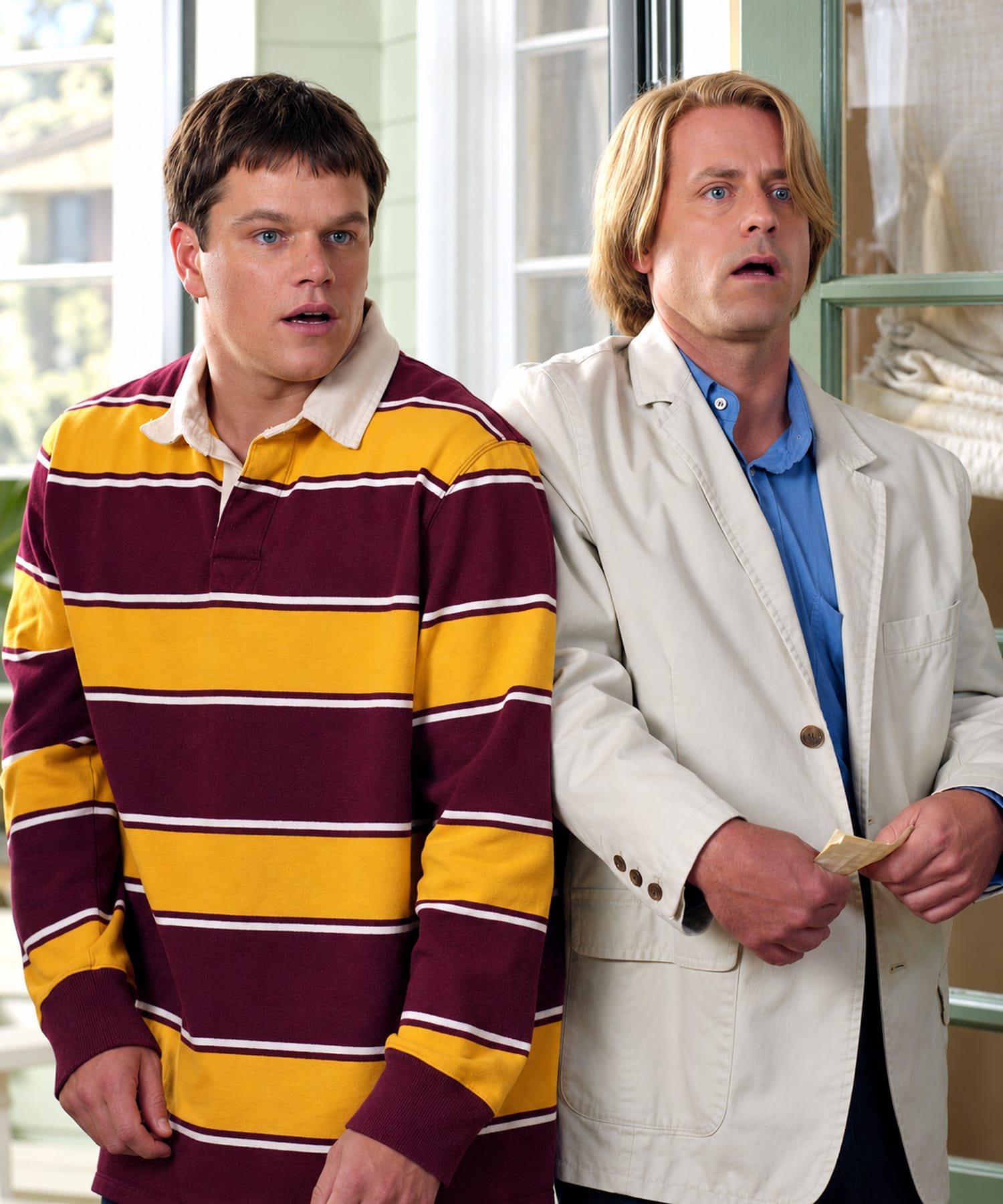
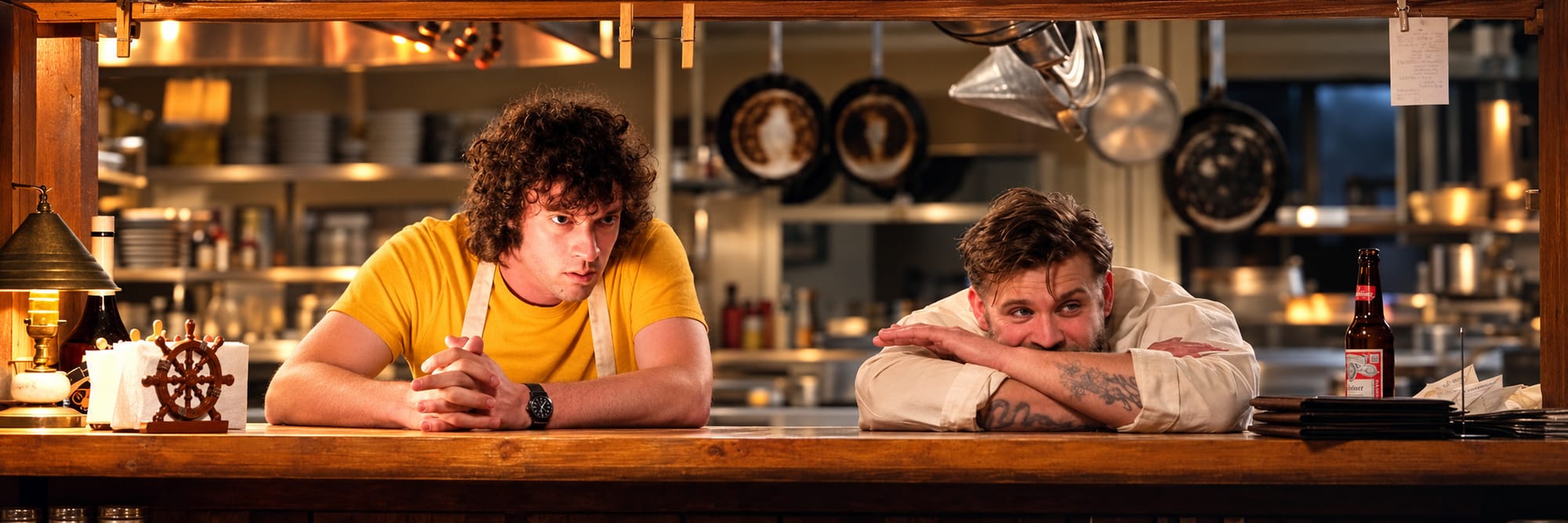
He plays Adam’s best friend Kyle, and a lot of his usual personality is intact—the crude humor, the inappropriate comments, the constant joking. But there’s more underneath it this time. Kyle jokes because that’s how he deals with something he doesn’t know how to fix, and he keeps trying to make sure Adam’s entire identity doesn’t suddenly become “the guy with cancer.”
Sometimes he goes too far. Sometimes he says exactly the wrong thing. But he’s there when Adam needs him, and as the movie goes along, that becomes increasingly important.
Rogen adds significantly more to 50/50 than comic relief. The humor gives the movie room to breathe. Instead of spending two hours trying to make you miserable, it allows these characters to act like actual people who still joke, laugh, get uncomfortable and say stupid things even when something very serious is happening.
Anna Kendrick may be my favorite part of the movie.
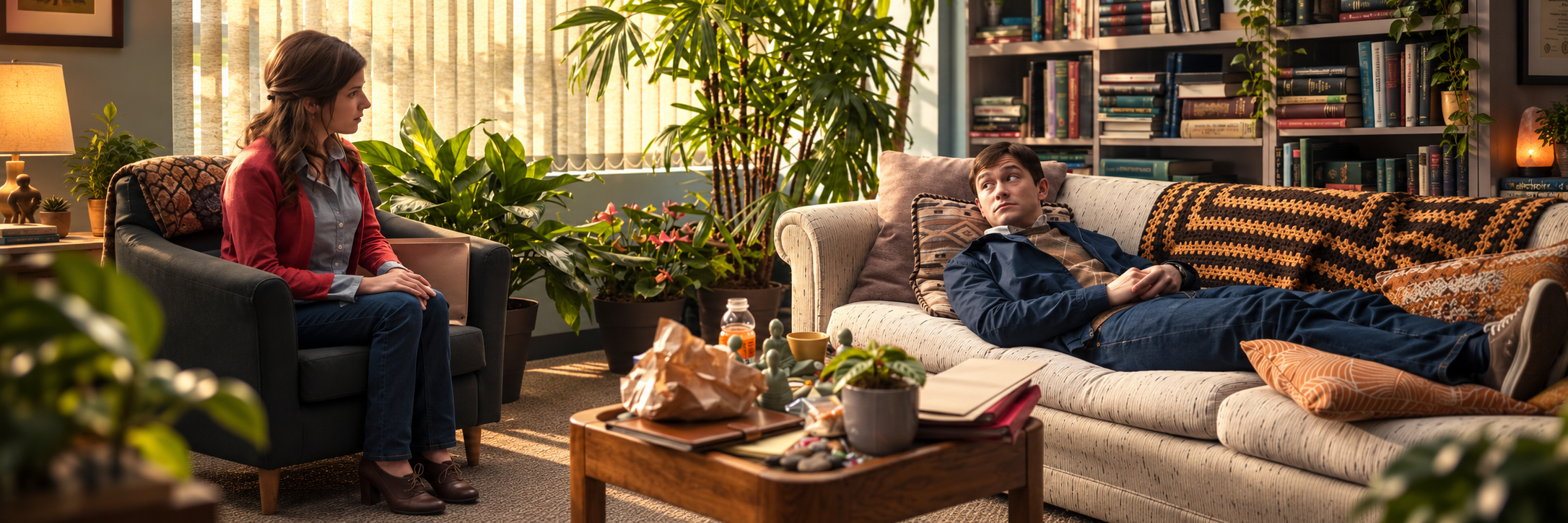
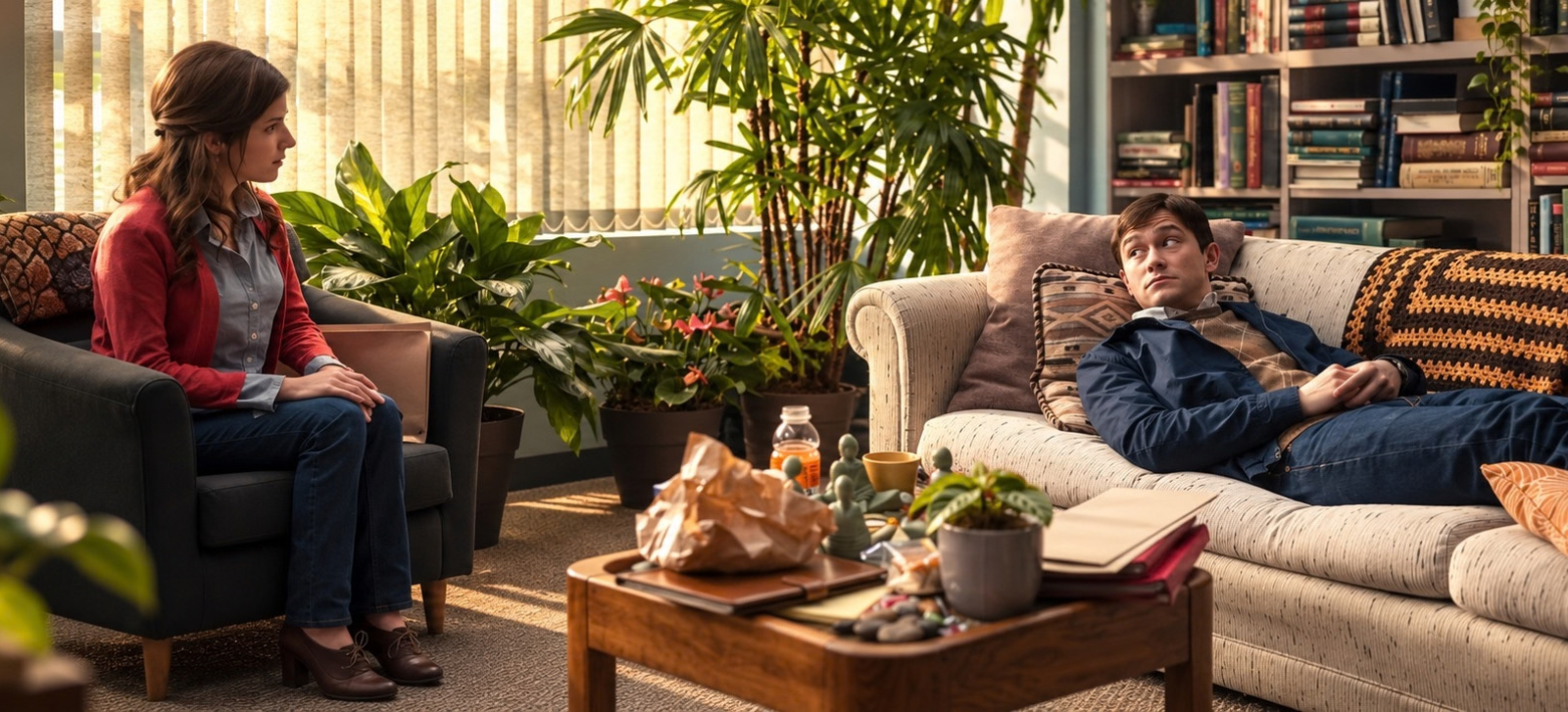
She plays Katherine, Adam’s young therapist, who is still learning how to do the job herself. Kendrick is fantastic because she never turns Katherine into the overly wise movie therapist who always knows exactly what to say. She’s awkward, sincere, funny and occasionally unsure of herself.
In some ways, she’s figuring this out right alongside Adam.
Their scenes together give the movie a warmth that it needs, and Kendrick manages to be funny without ever making the character feel unserious. She brings a lot to the movie without pushing herself to the center of it.
And that balance really describes 50/50 as a whole.
This is a drama first. Cancer is never treated casually, and the movie doesn’t pretend that everything becomes okay because somebody makes a joke. But it also understands that people don’t stop being people when something terrible happens.
They laugh. They get angry. They avoid uncomfortable conversations. They say the wrong thing. And sometimes the person who seems least equipped to help turns out to be the one who actually shows up.
That’s where 50/50 gets it right.
The humor doesn’t diminish the drama.
It makes the drama feel more human.