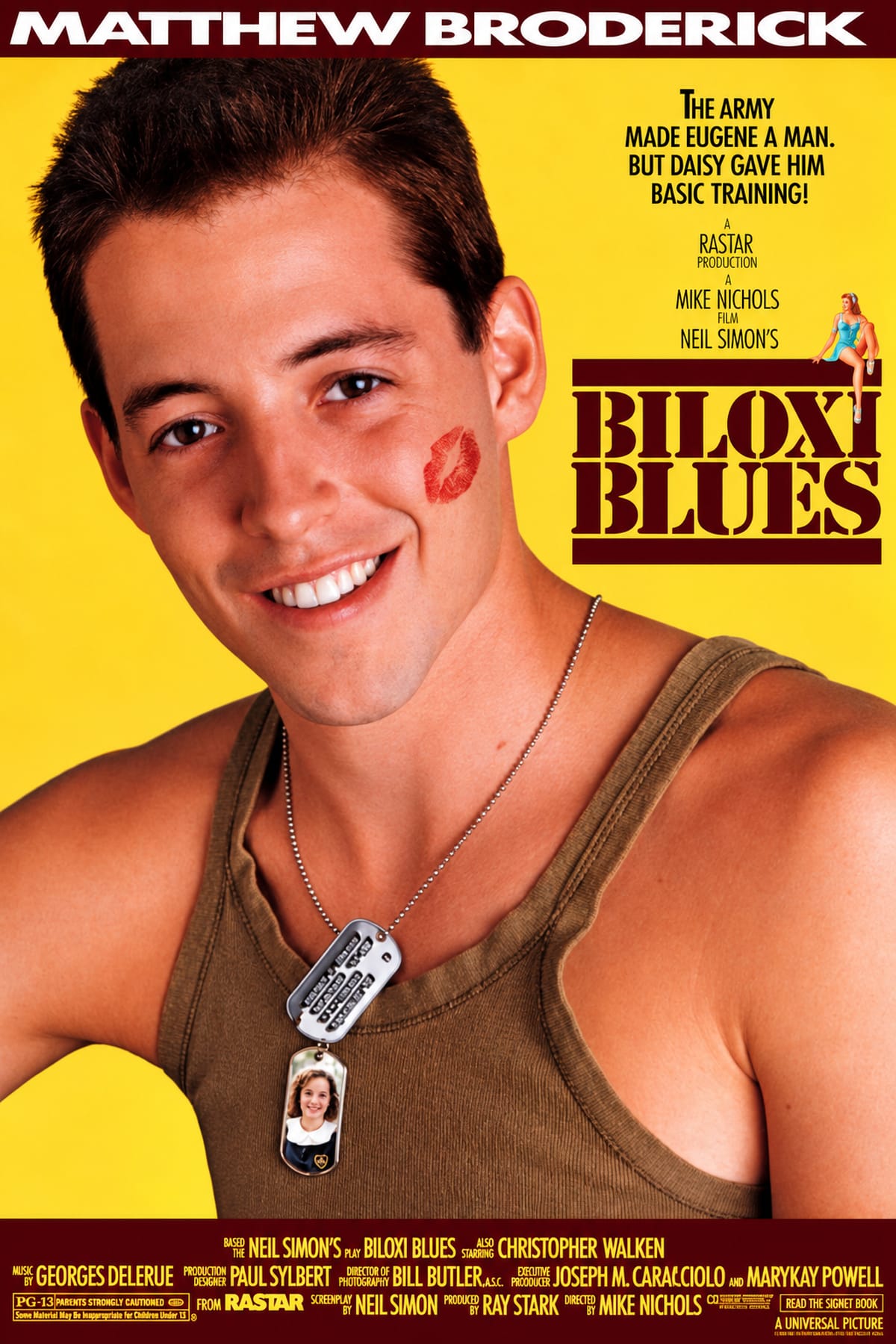
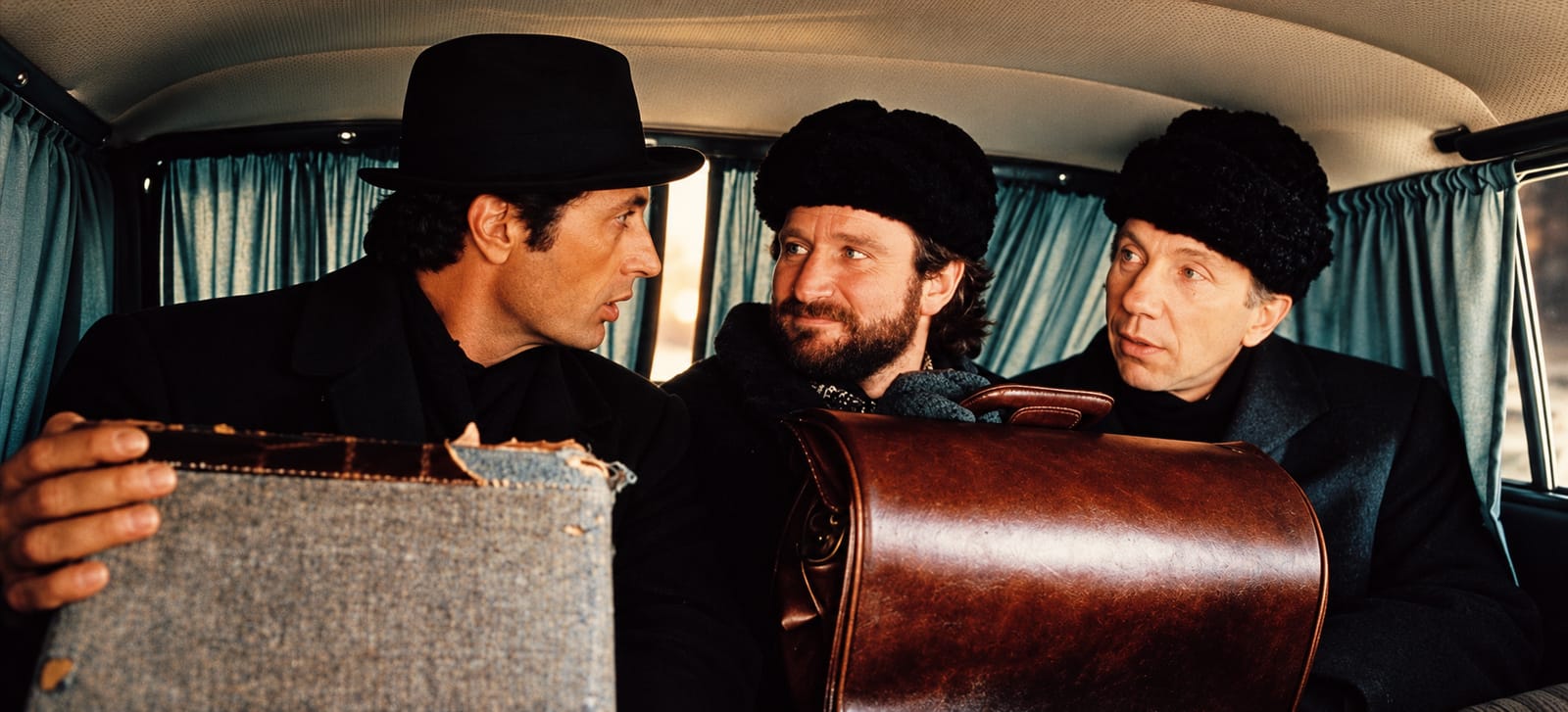
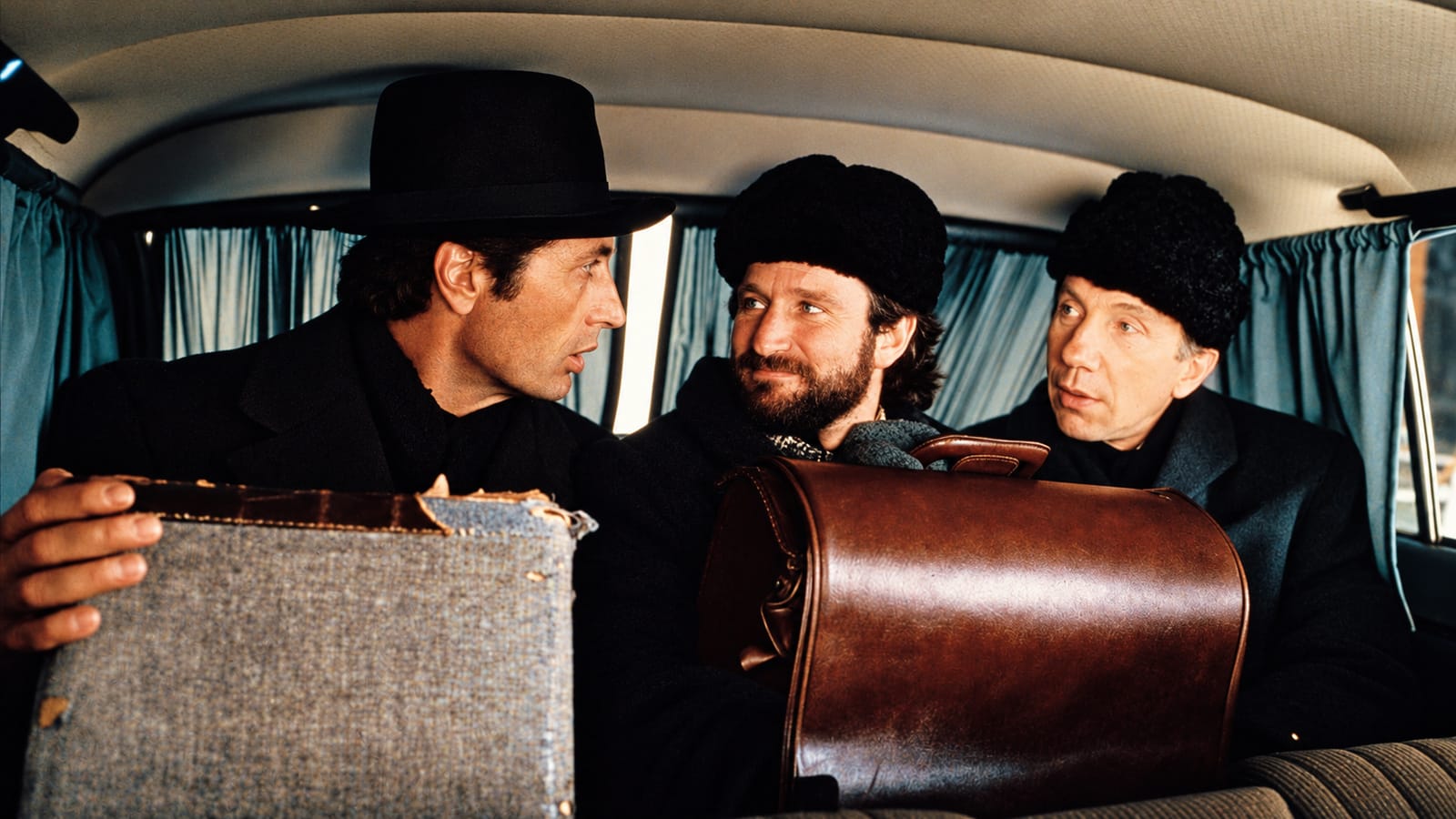
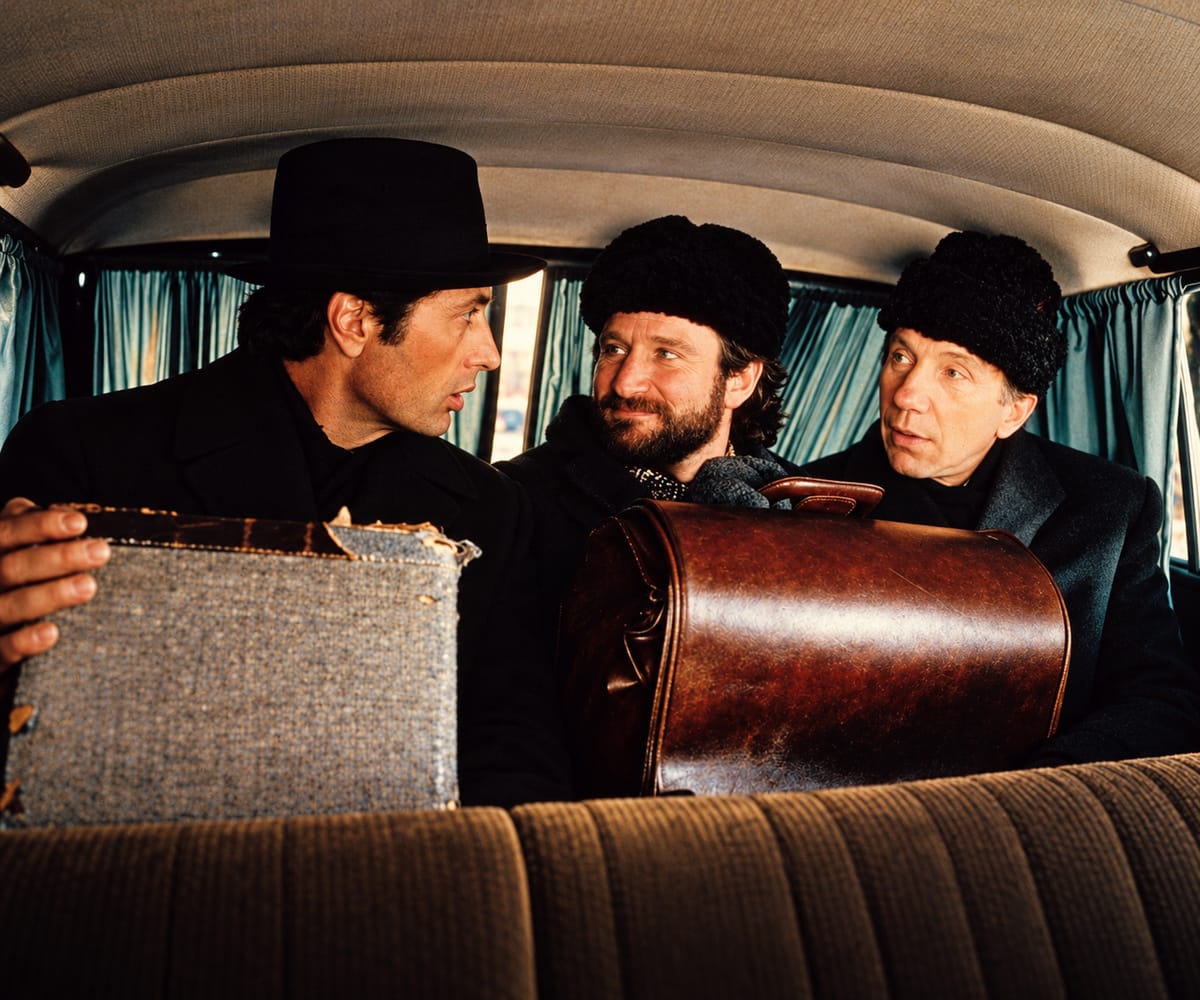
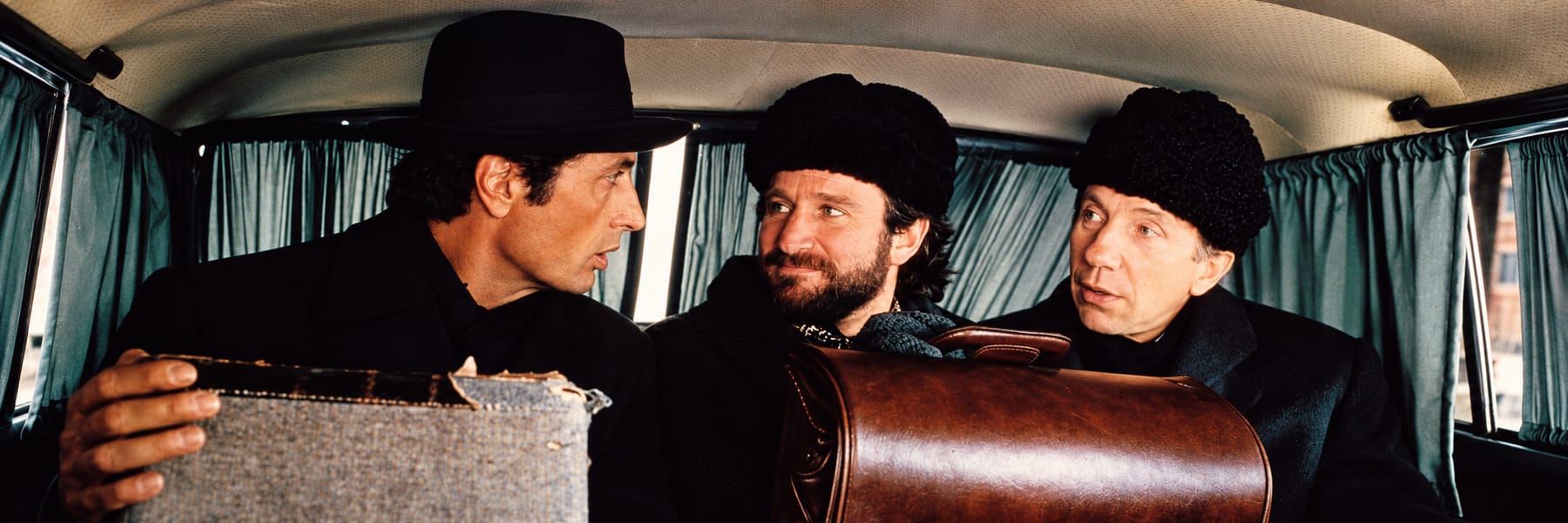
You're expecting a comedy.
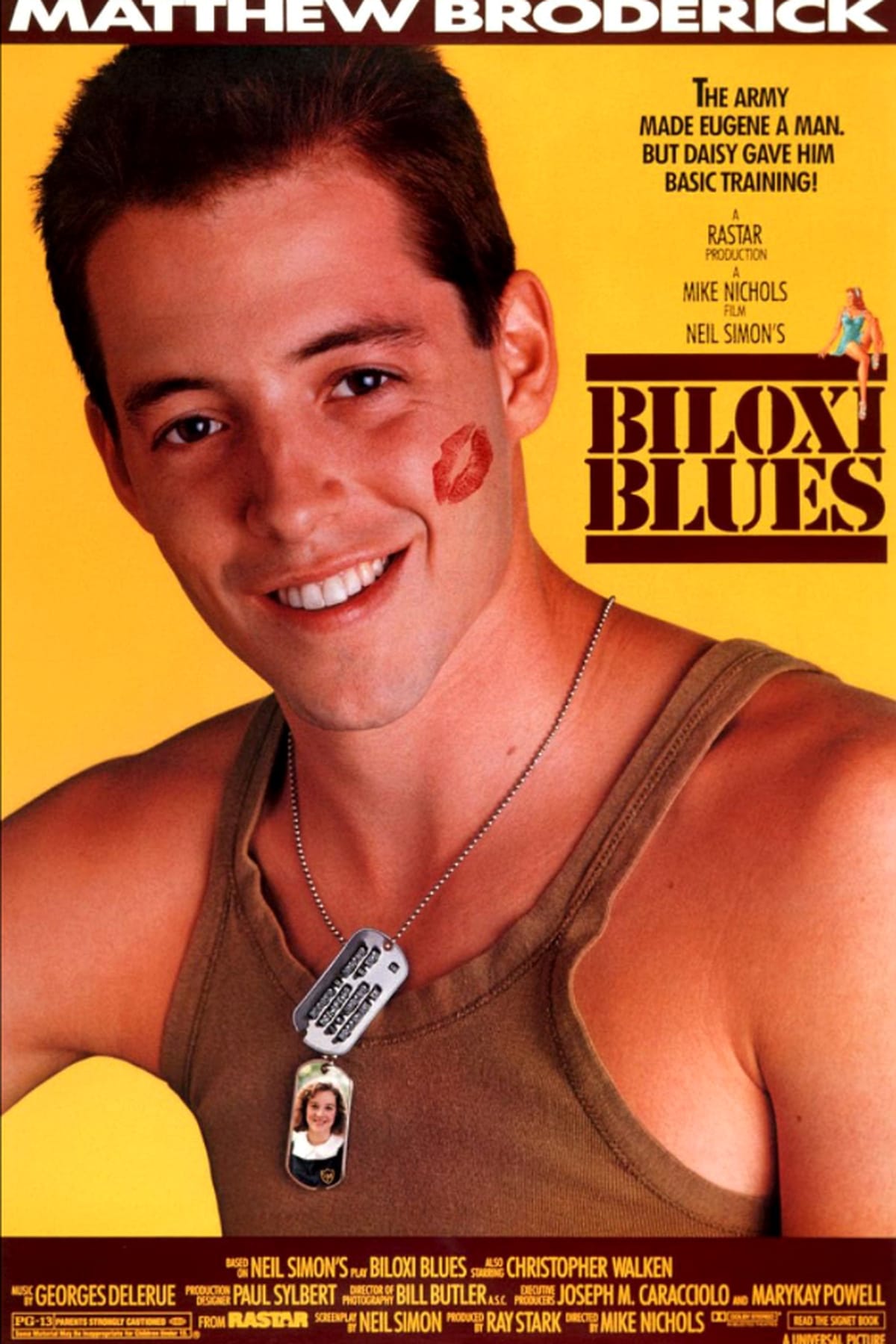
Biloxi Blues is that. It's legitimately funny.
But there's a lot more meat on this bone than just laughs.
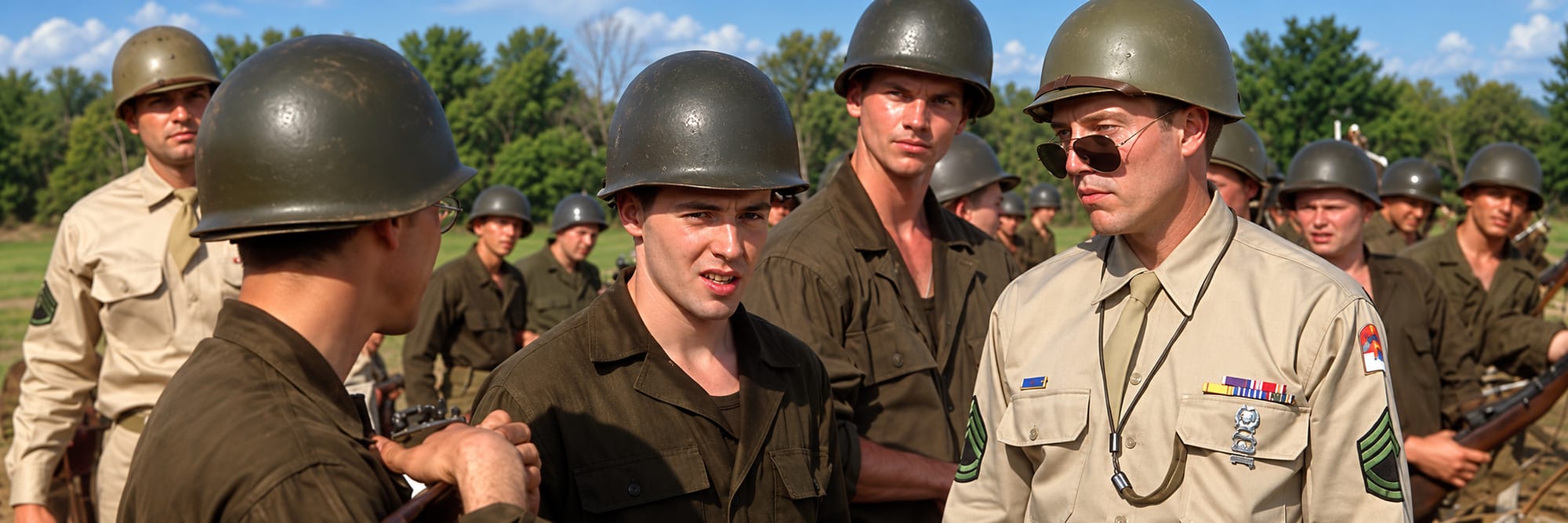
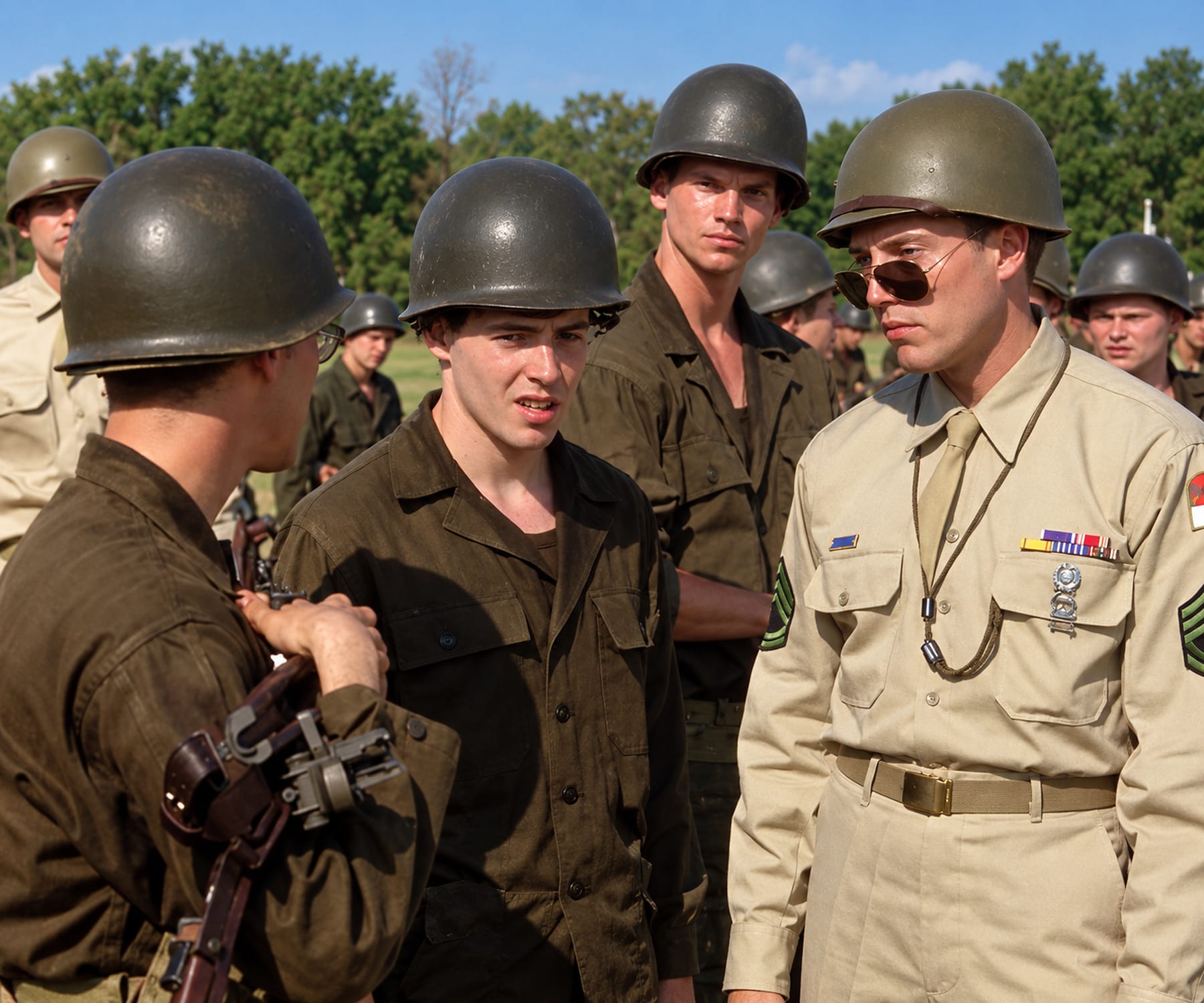
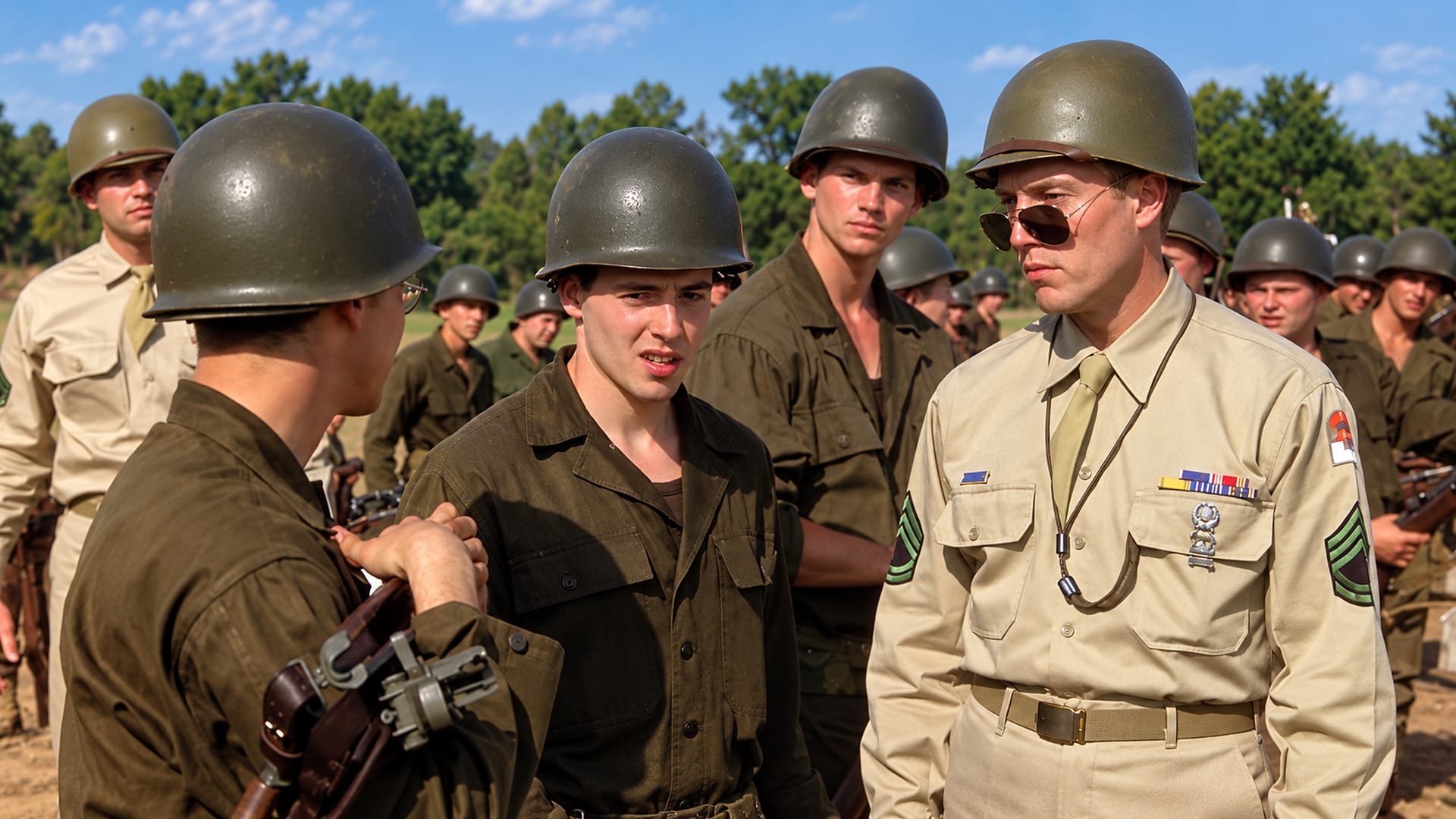
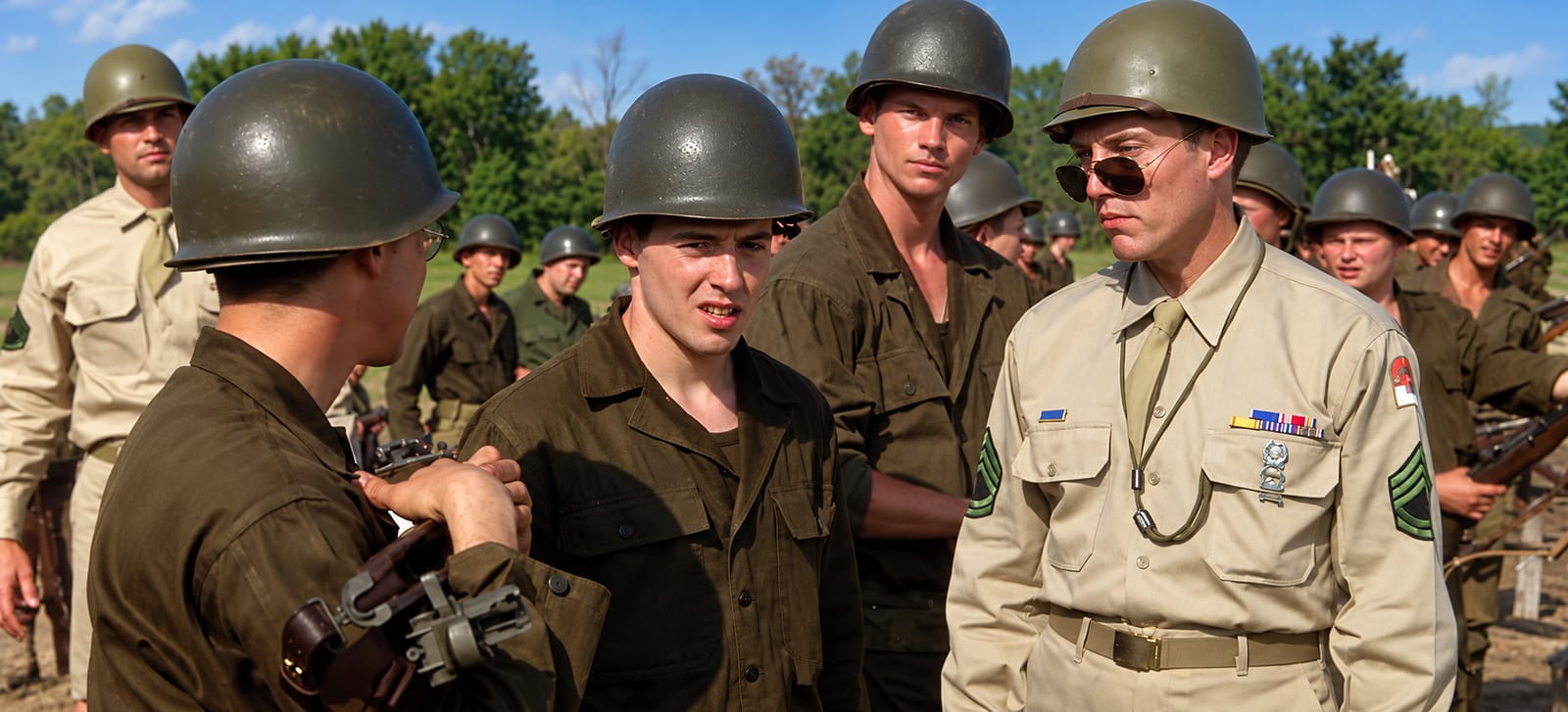
It's a coming-of-age story set during basic training in Mississippi in 1945, near the end of World War II, and loosely drawn from Neil Simon's own experience in the Army. A group of young men show up thinking they're there to learn how to become soldiers. What they really get is a fairly abrupt introduction to adulthood.
And if there's ever been someone perfectly cast for this kind of role, it's Matthew Broderick.
Which, somehow, can be said about a surprising number of roles Matthew Broderick has played. Ferris Bueller's Day Off immediately comes to mind. It's difficult to imagine anyone else as Ferris Bueller.
The same thing happens here.
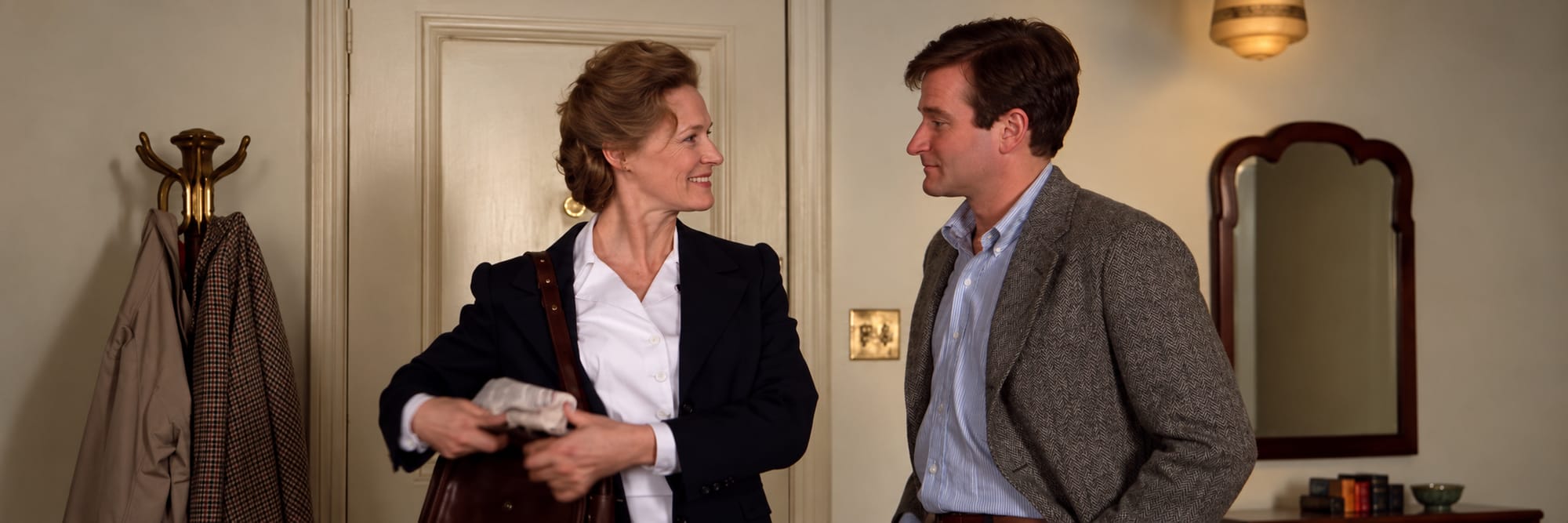
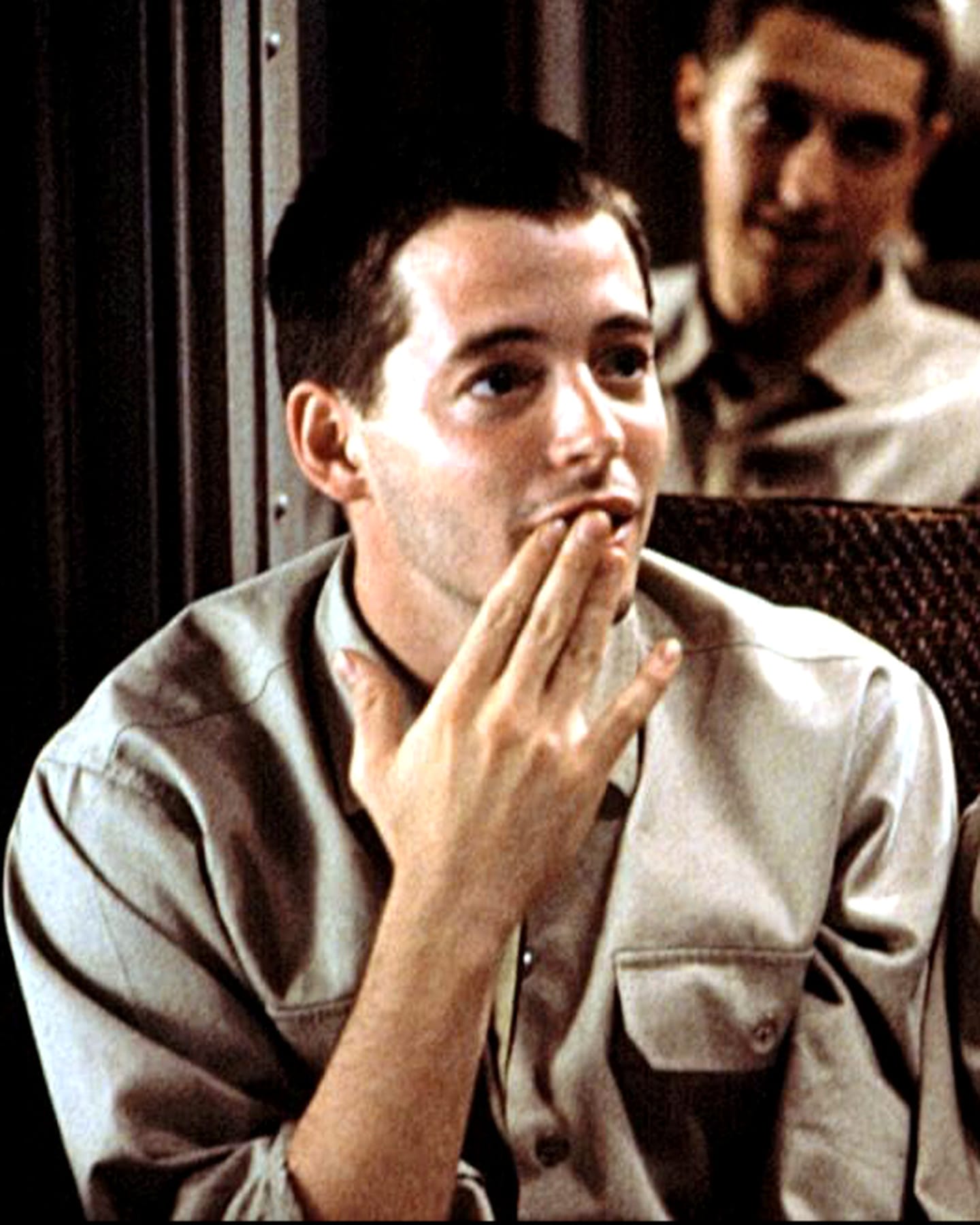
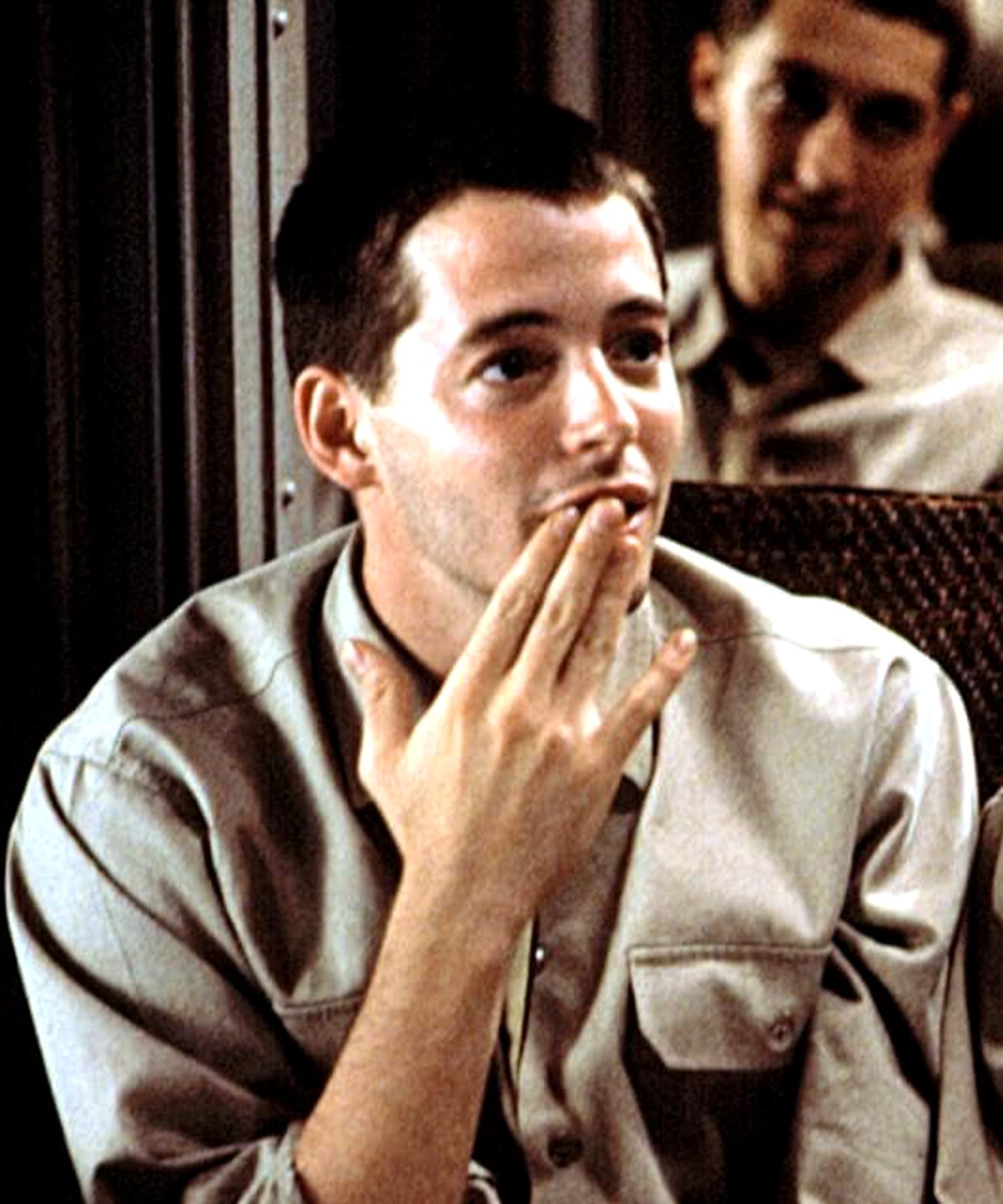
Broderick plays Eugene Morris Jerome, an aspiring writer from Brooklyn who has been drafted into the Army.
Eugene isn't the toughest guy in the barracks — not even close (it's Matthew Broderick, after all). He's relatively soft-spoken, not particularly enthusiastic about Army life, and mostly interested in observing what's going on around him.
What he is, mostly, is watching.
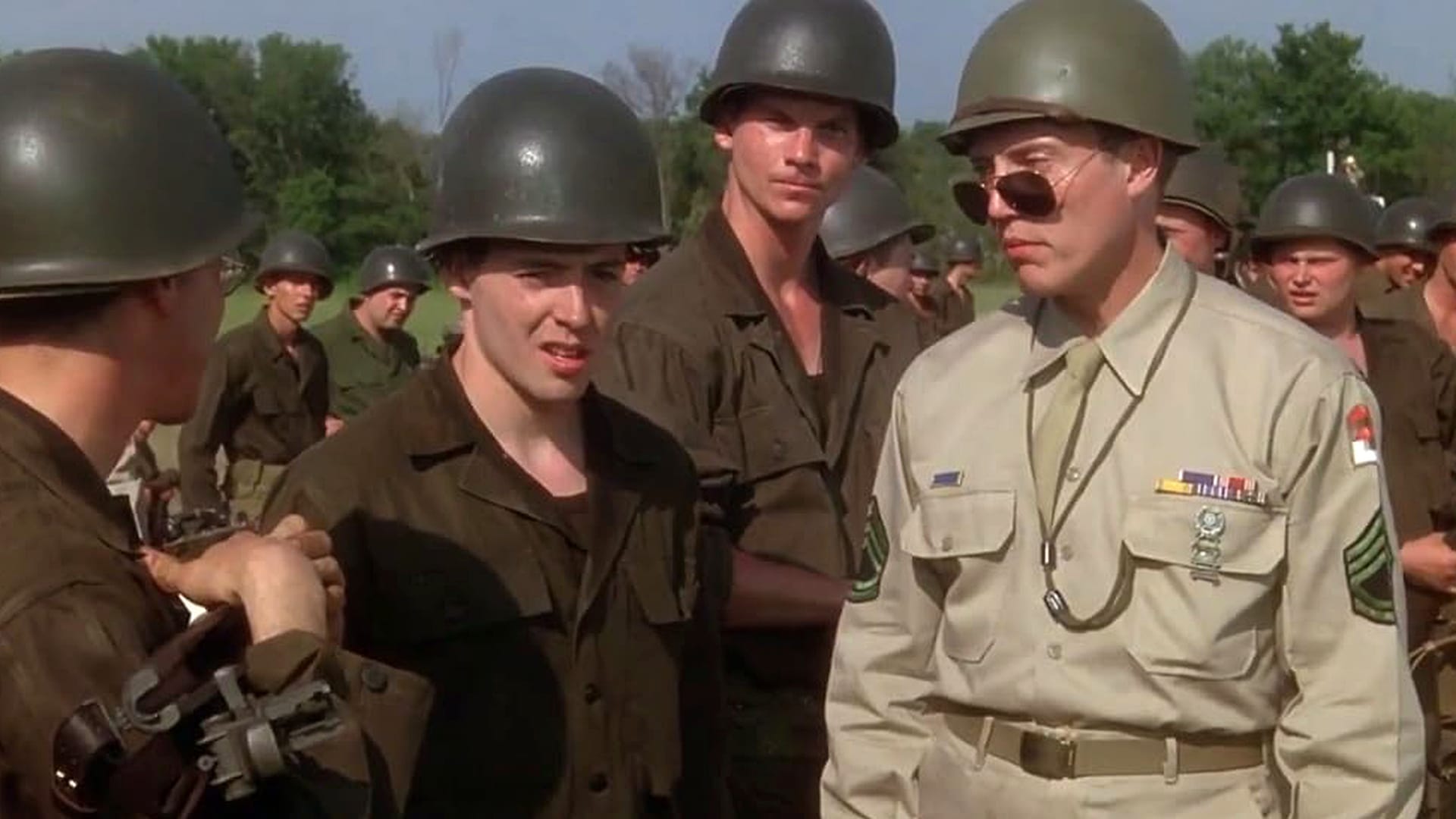
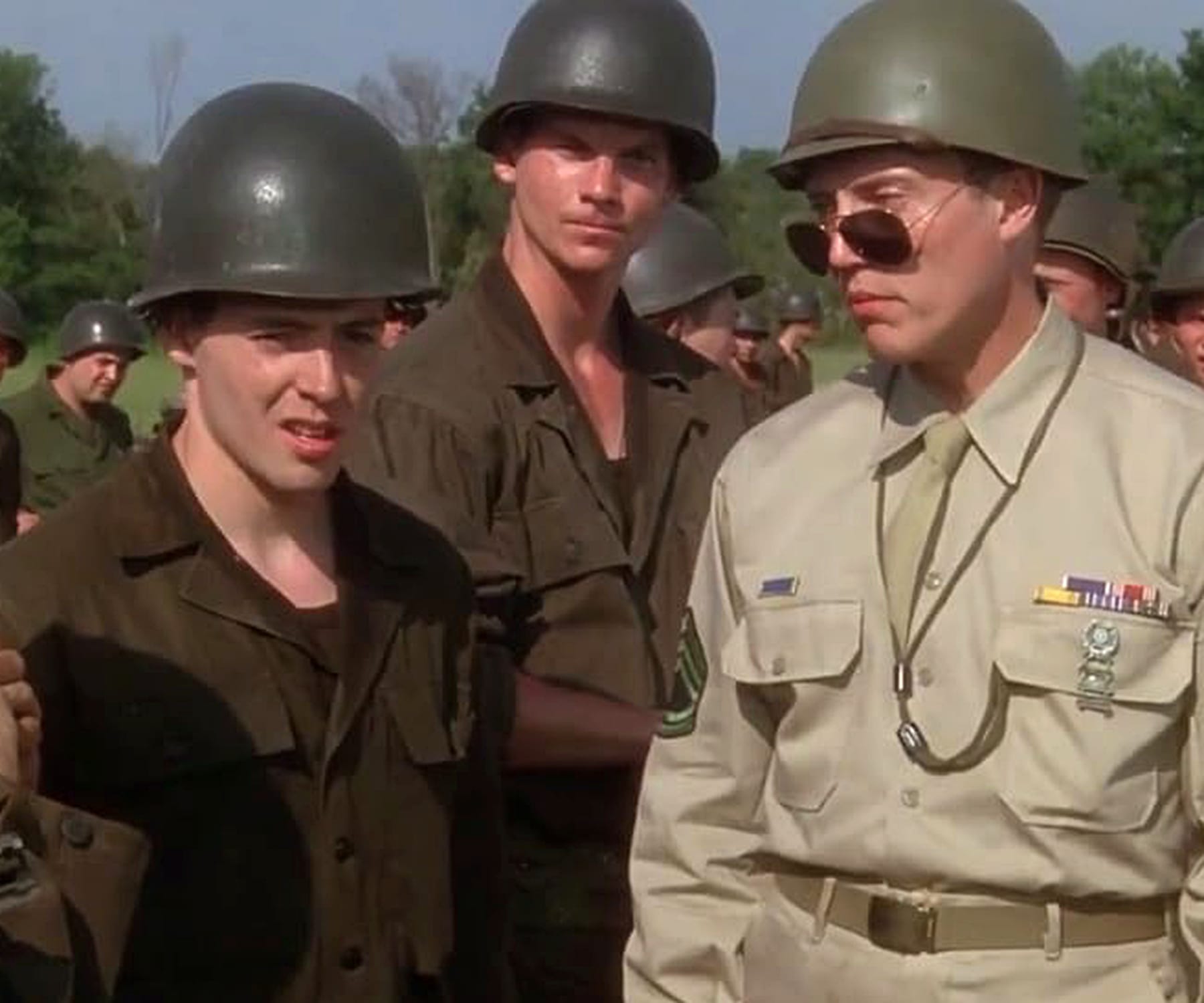
He's watching the other guys. He's watching Sgt. Toomey (Christopher Walken, who's fantastic). He's watching this strange new world he's been dropped into and trying to make sense of it.
And that's really where Biloxi Blues starts becoming something other than the basic-training comedy you thought you were watching.
Basic Training Gets Complicated
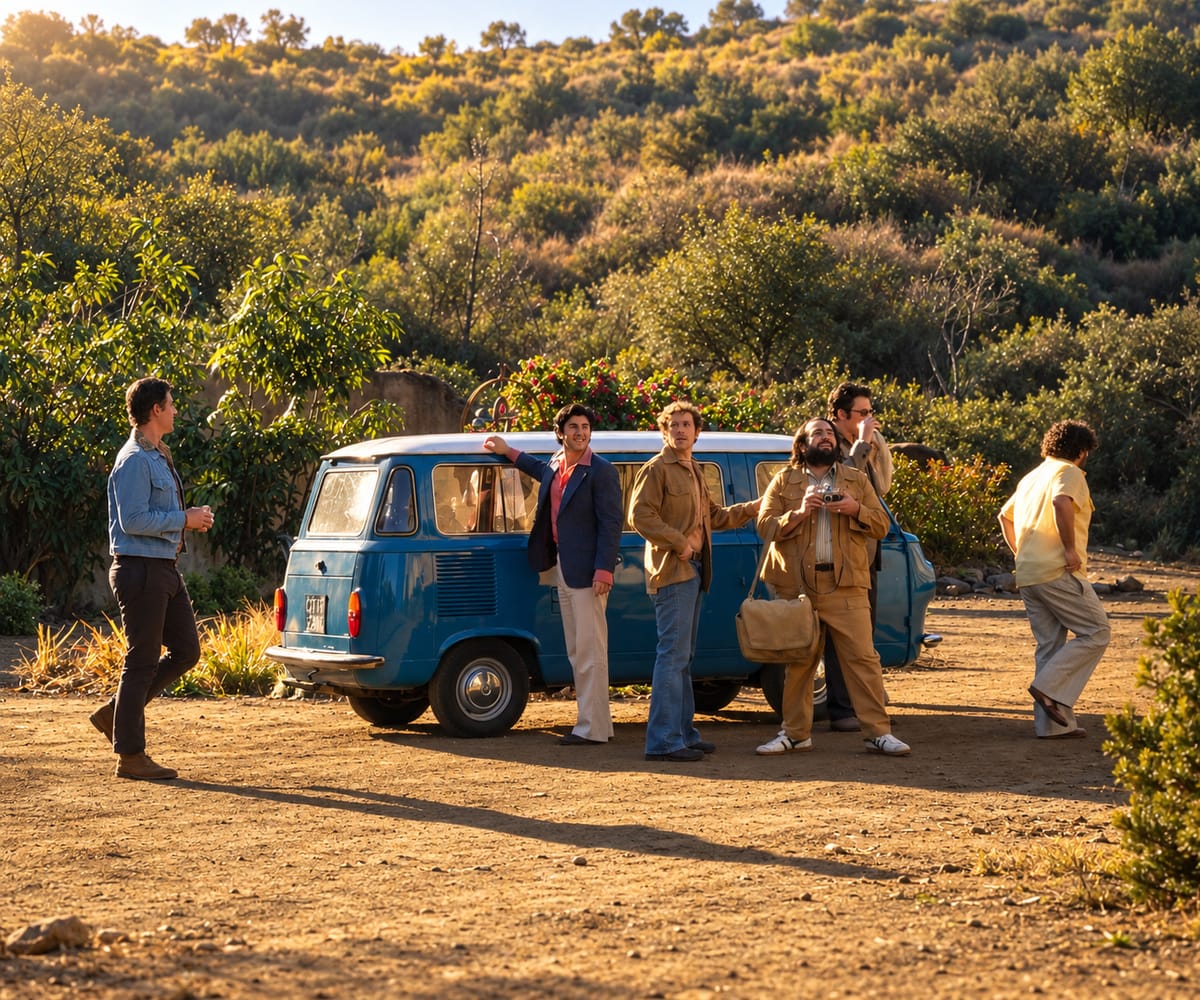
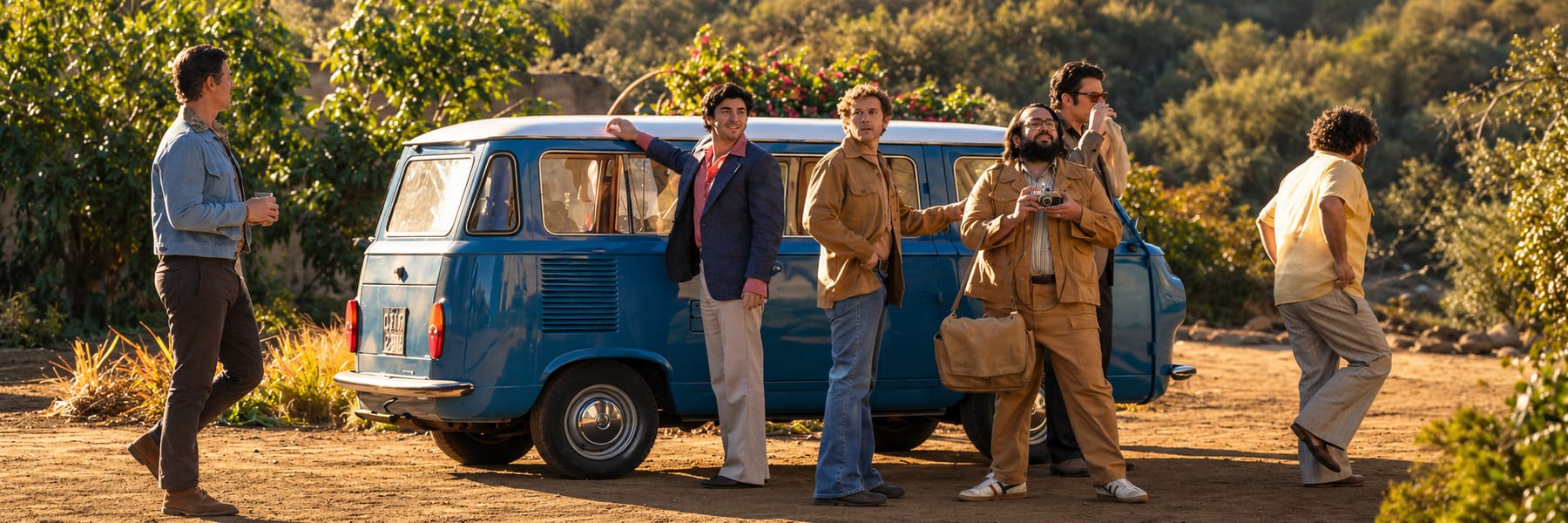
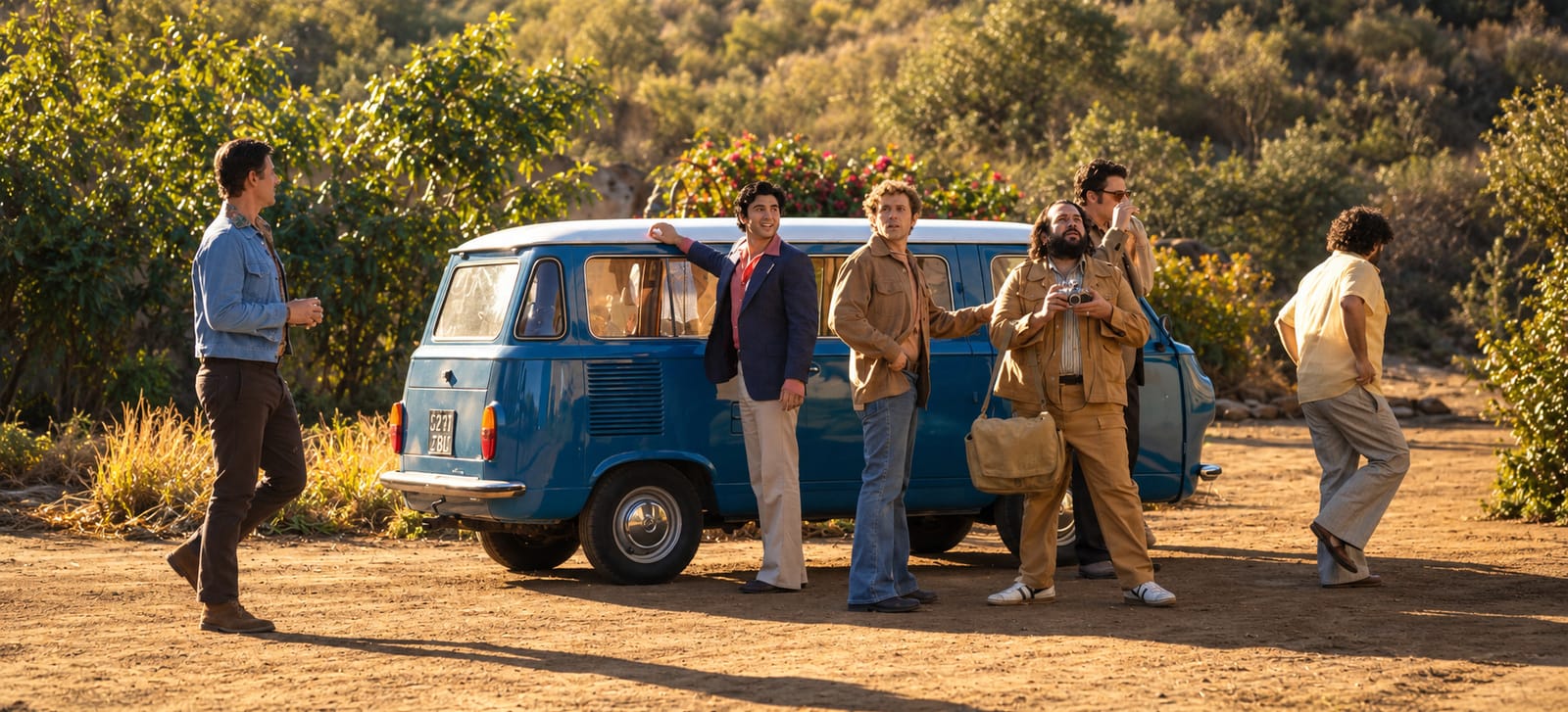
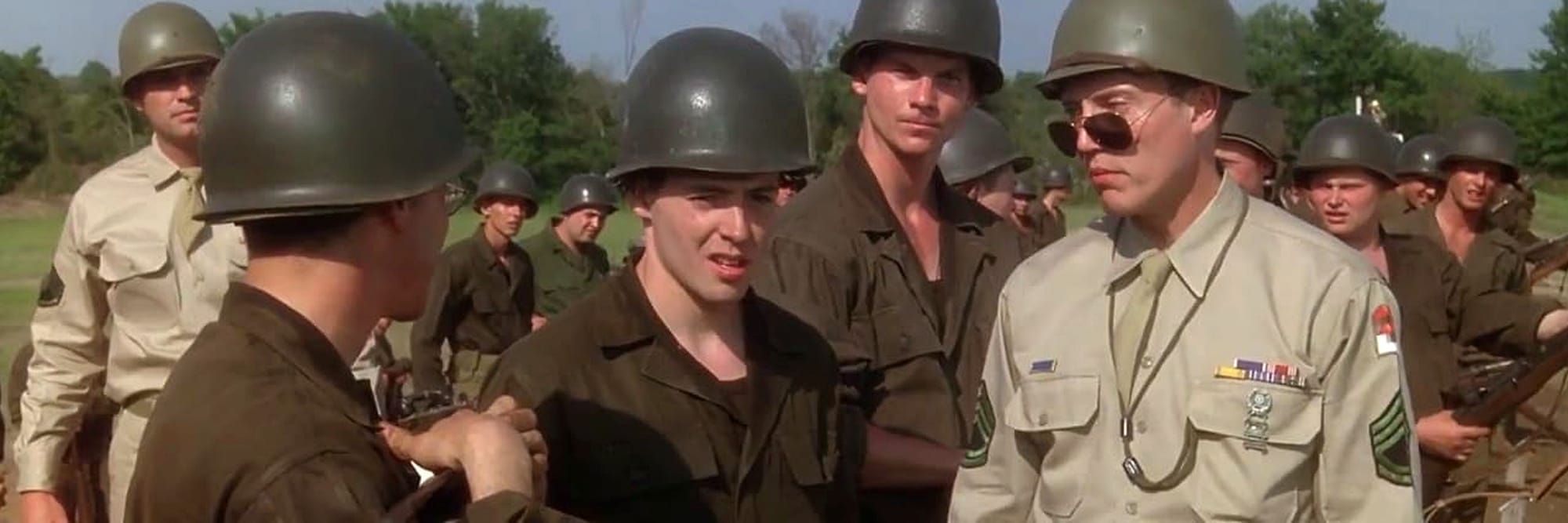
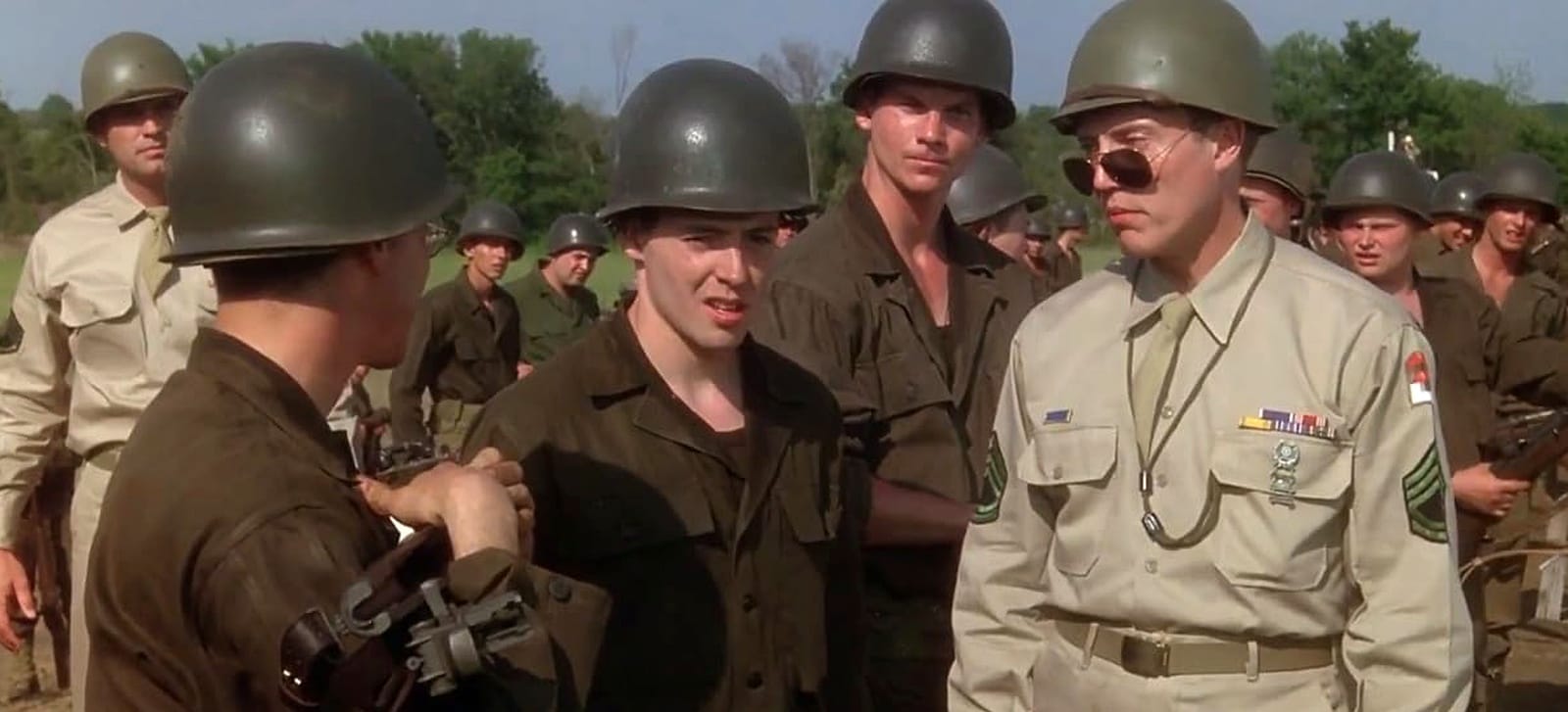
The guys in Eugene's platoon initially look like the assortment of characters you'd expect in a military comedy. They're tired, hungry, uncomfortable, obsessed with women and doing everything they can to avoid attracting the attention of Toomey.
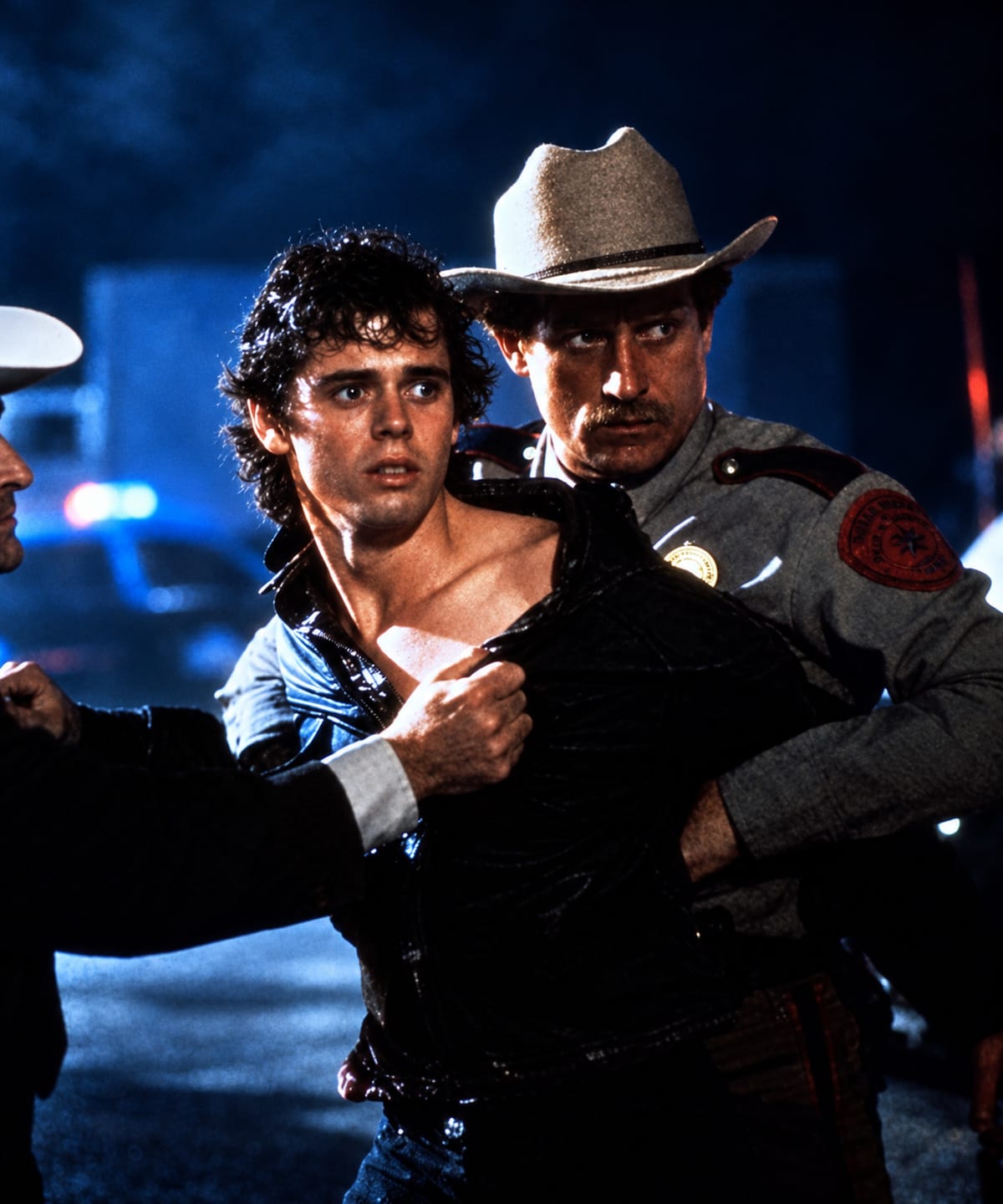
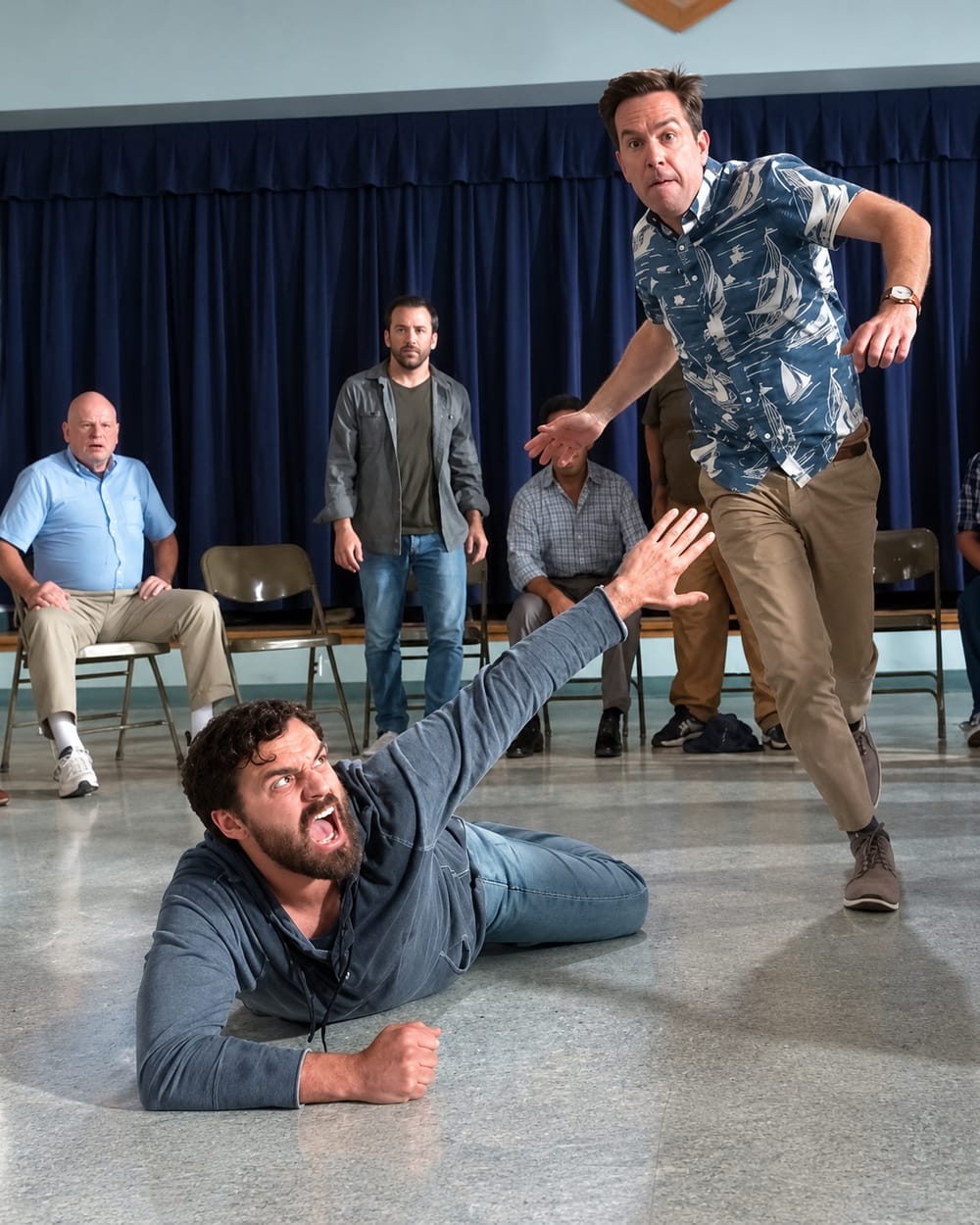
Then there's Arnold Epstein, played by Michael Dolan, who seems almost determined to make basic training harder on himself. And he succeeds.
He questions orders, argues with authority and refuses to accept that putting on a uniform means shutting off his brain.
Naturally, that puts him directly in Toomey's path.
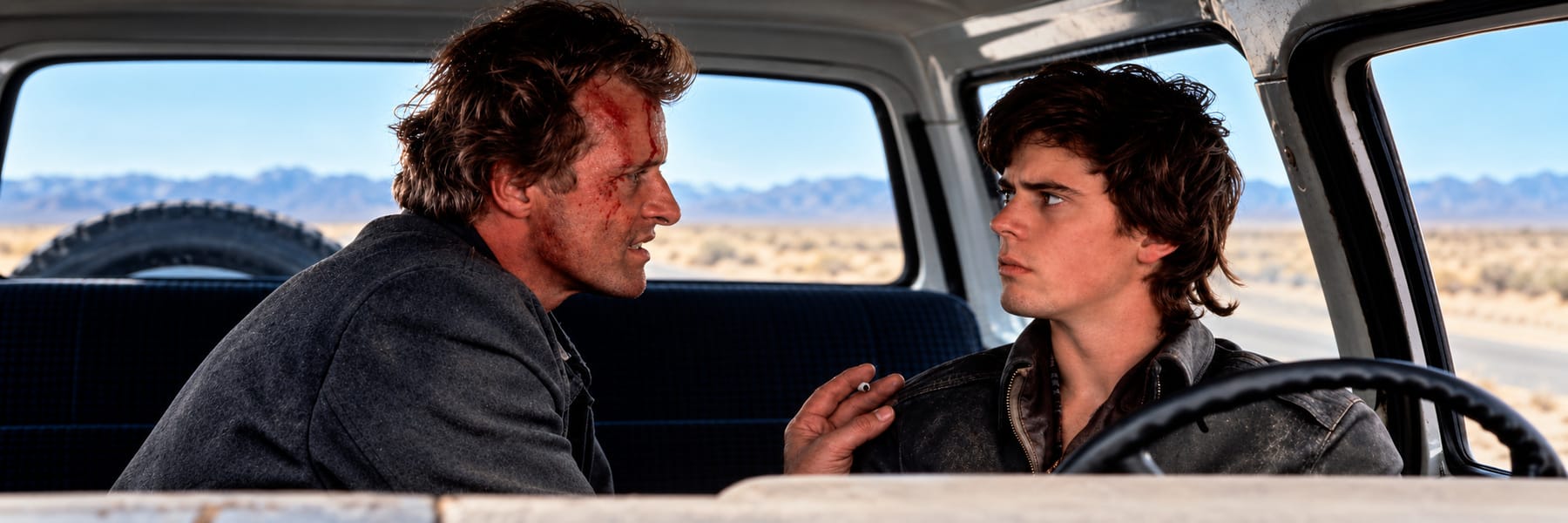
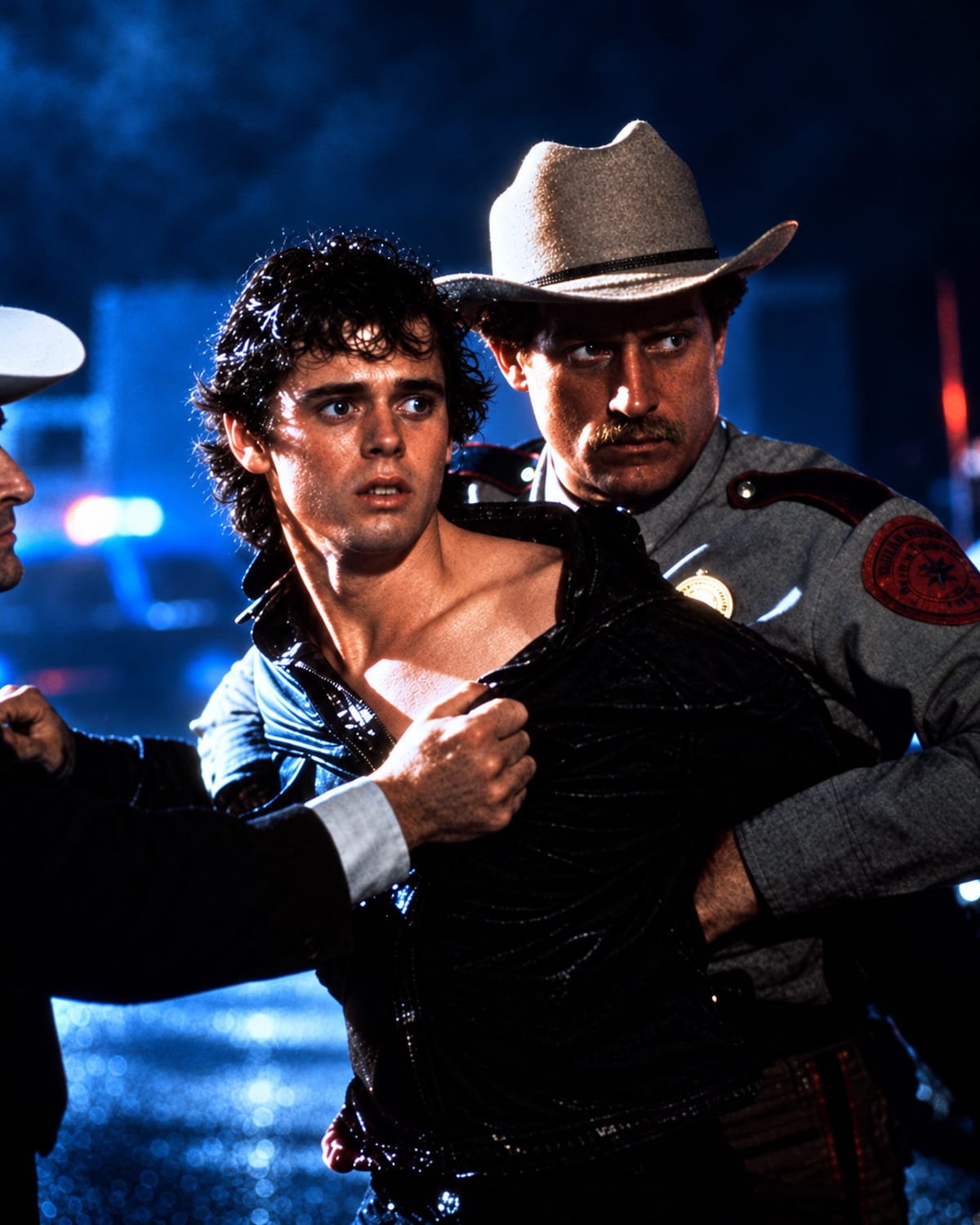
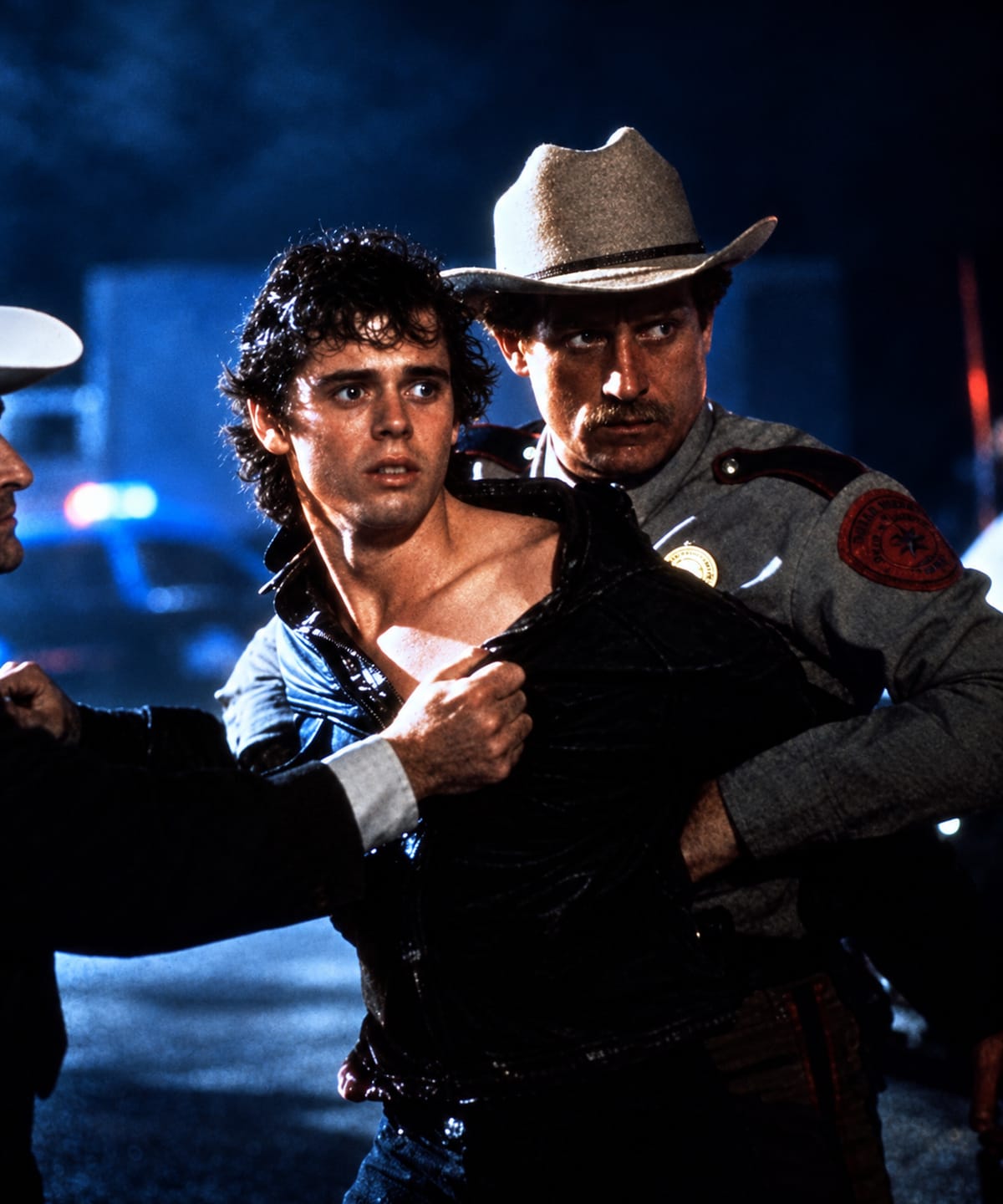
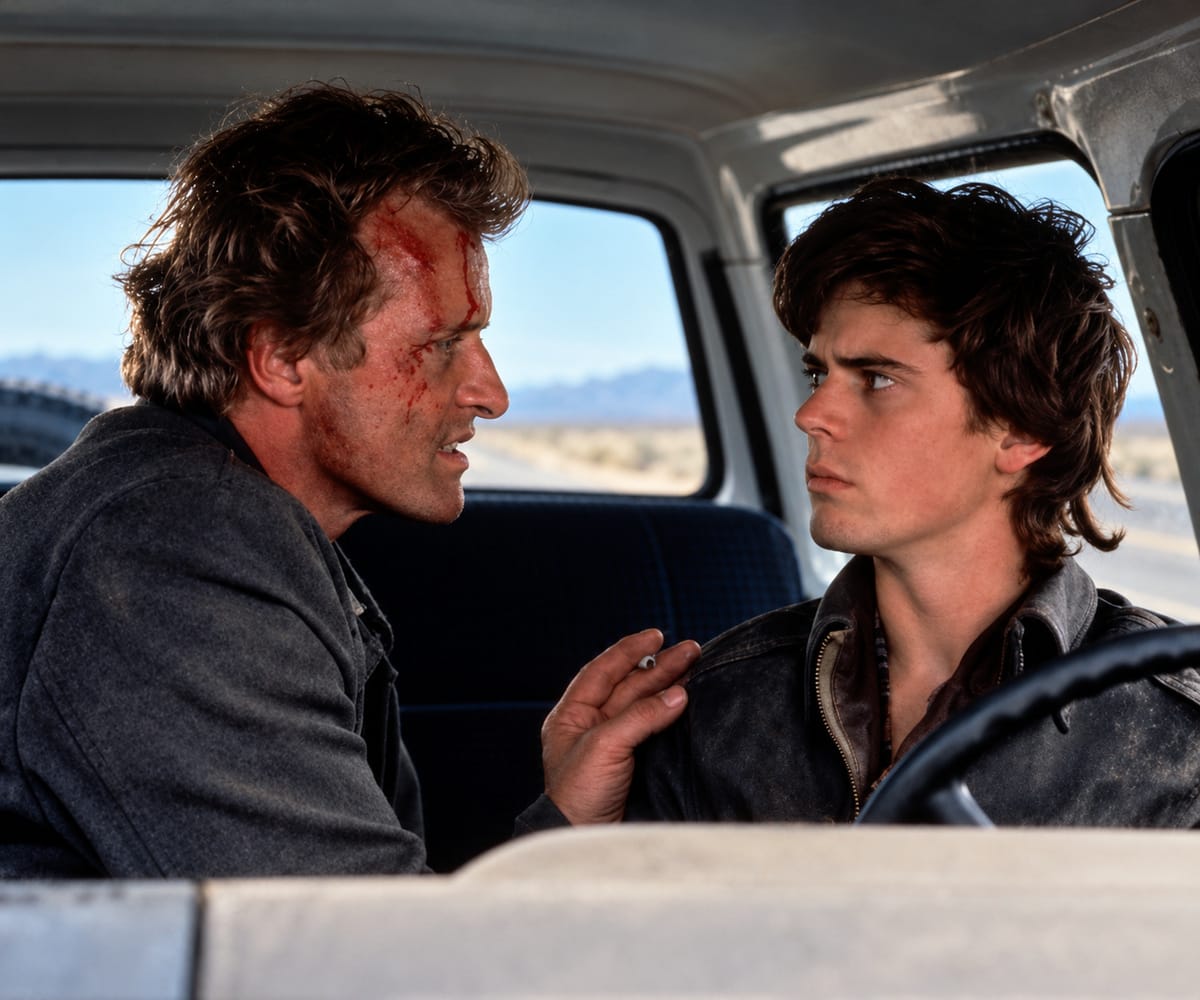
Walken doesn't play Toomey as the standard screaming drill sergeant we've seen a hundred times. He's quieter, stranger and much harder to read. Sometimes he's funny. Sometimes he's genuinely unsettling.
The relationship between Epstein and Toomey is where the movie starts gaining some real weight. What begins as the usual recruit-versus-drill-sergeant conflict turns into something more interesting about authority, dignity and how much of yourself you're supposed to surrender simply because someone outranks you.
Eugene Is Growing Up Too
Eugene has his own concerns. He wants to become a writer, he wants to fall in love, and he would very much like to stop being a virgin.
Neil Simon gets plenty of comedy out of that, but Eugene is also discovering that adulthood is a lot messier than the checklist he has in his head.
He's exposed to prejudice, sex, friendship, humiliation and parts of other people's lives that he doesn't completely understand. Even his writing becomes part of that. Eugene is constantly watching people and writing things down, but he eventually learns that there's a difference between observing somebody and turning their life into material.
That's what Biloxi Blues does so well.
It never stops being a comedy in order to become something deeper. The comedy and the heavier stuff simply exist together.
Calling it a basic-training comedy is technically accurate. Calling it a coming-of-age story is accurate too.
But Biloxi Blues works because it's both at the same time...done brilliantly.