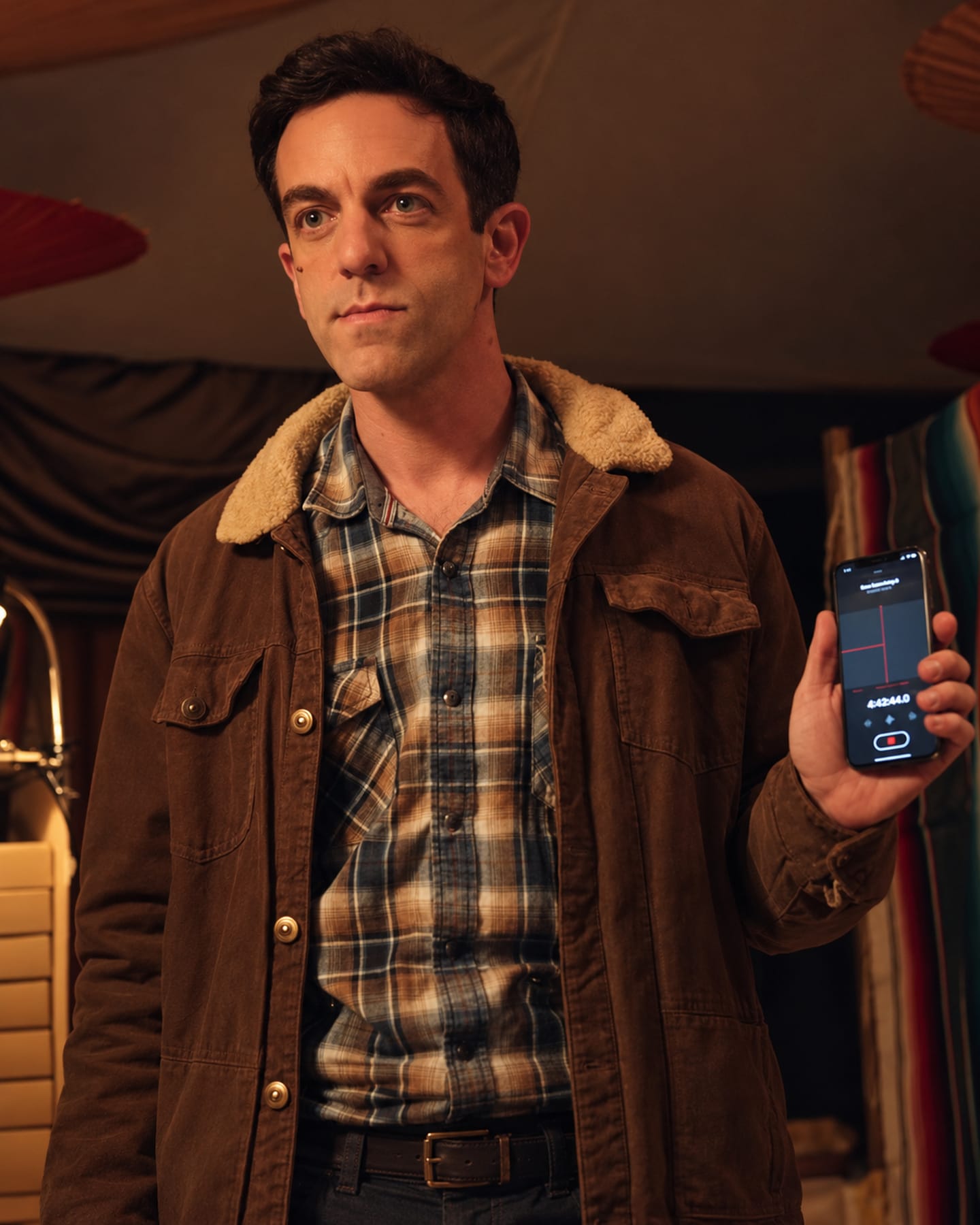
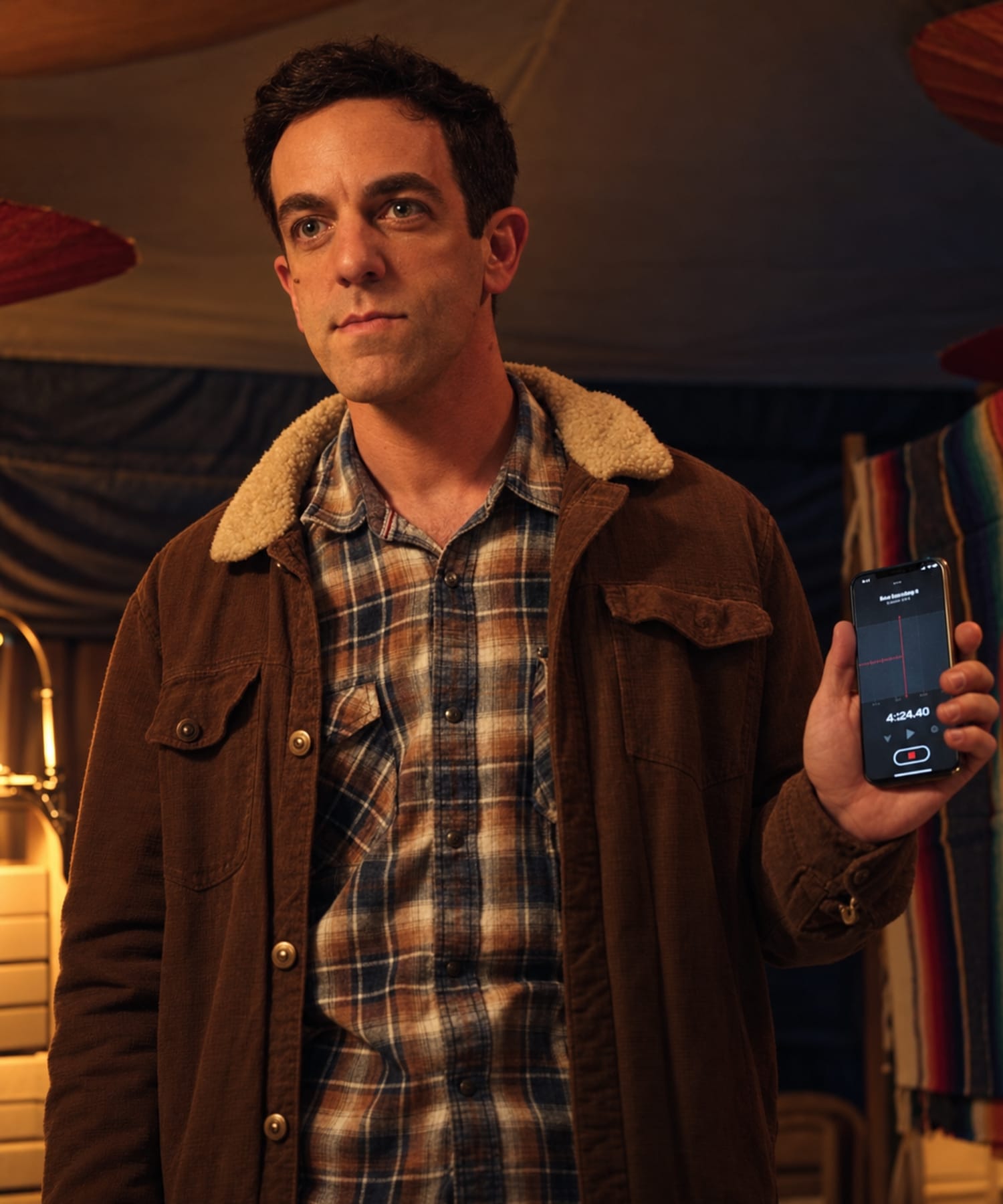
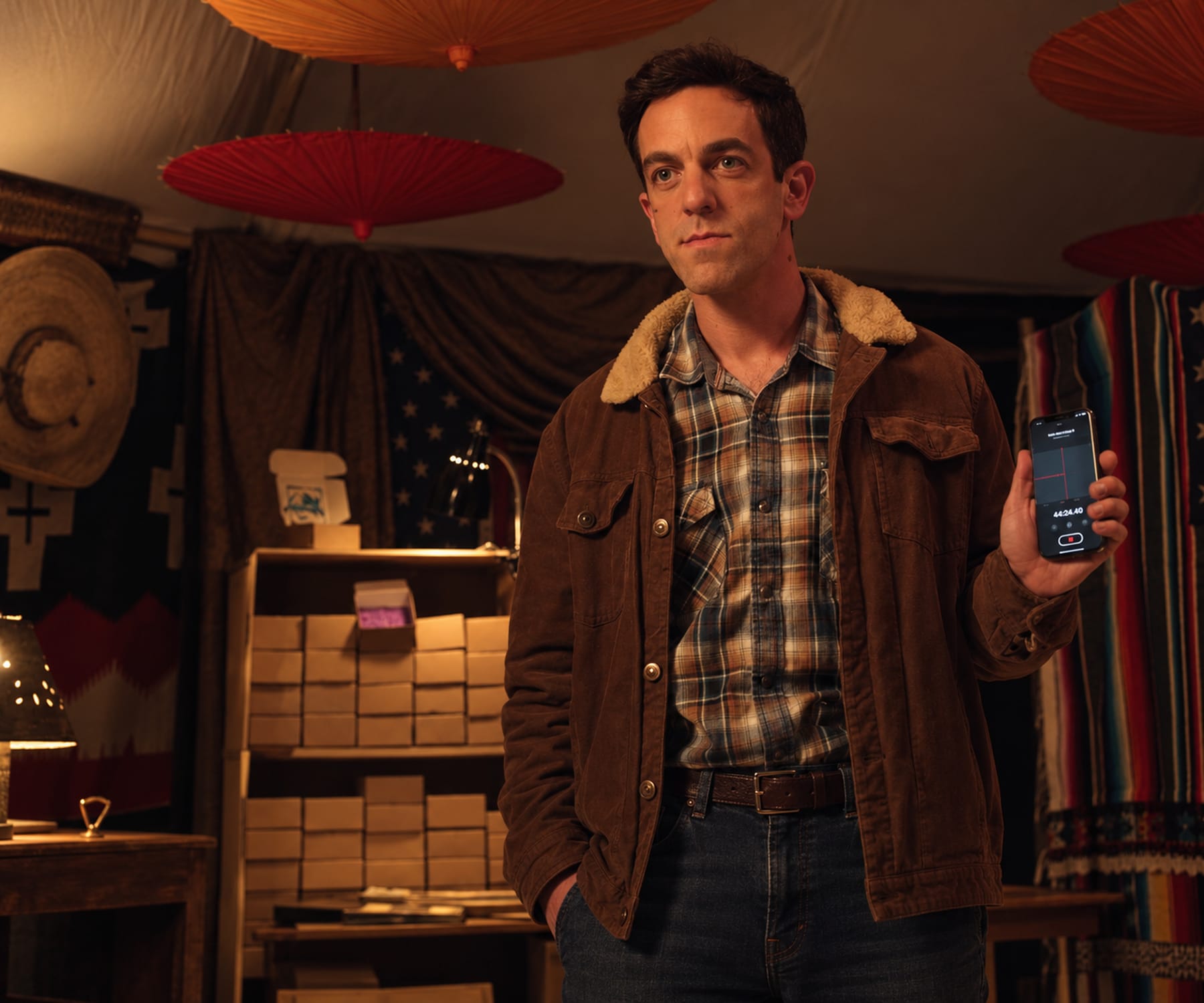
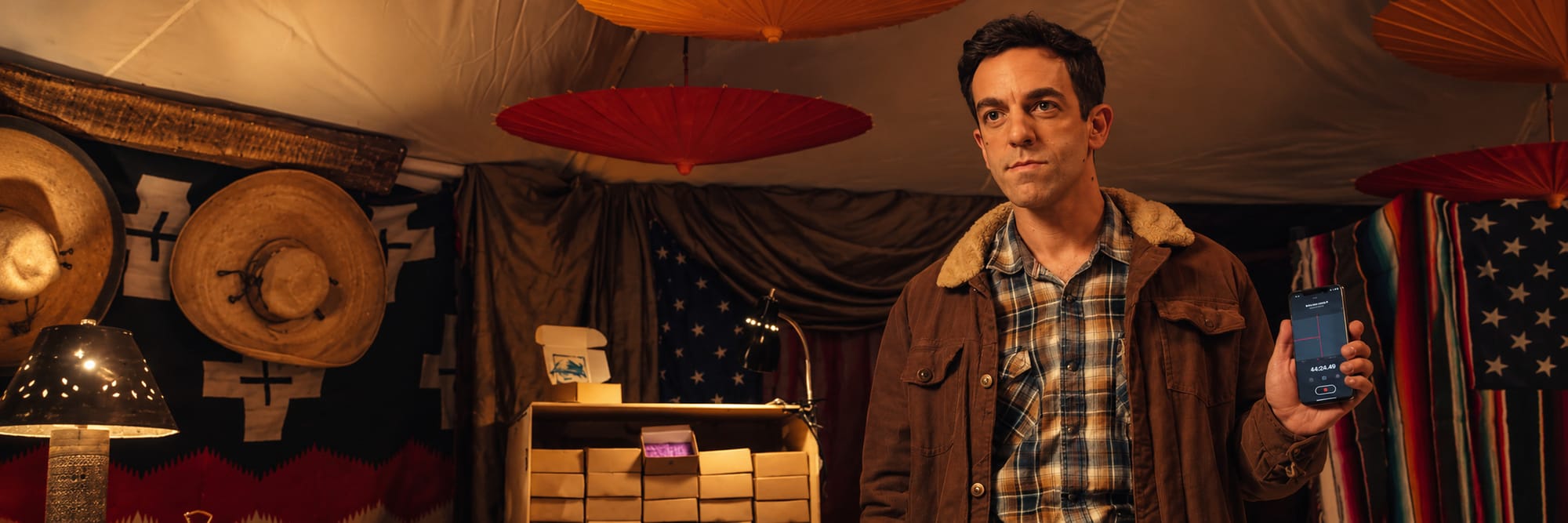
If you make your living picking pockets, you probably spend a fair amount of time worrying about getting caught. Somebody grabs your wrist. A cop sees something. An otherwise productive afternoon ends in handcuffs.
Those are reasonable occupational concerns. But there’s another question worth considering before you reach into a stranger’s pocket.
What if this particular person is considerably more dangerous than you are?
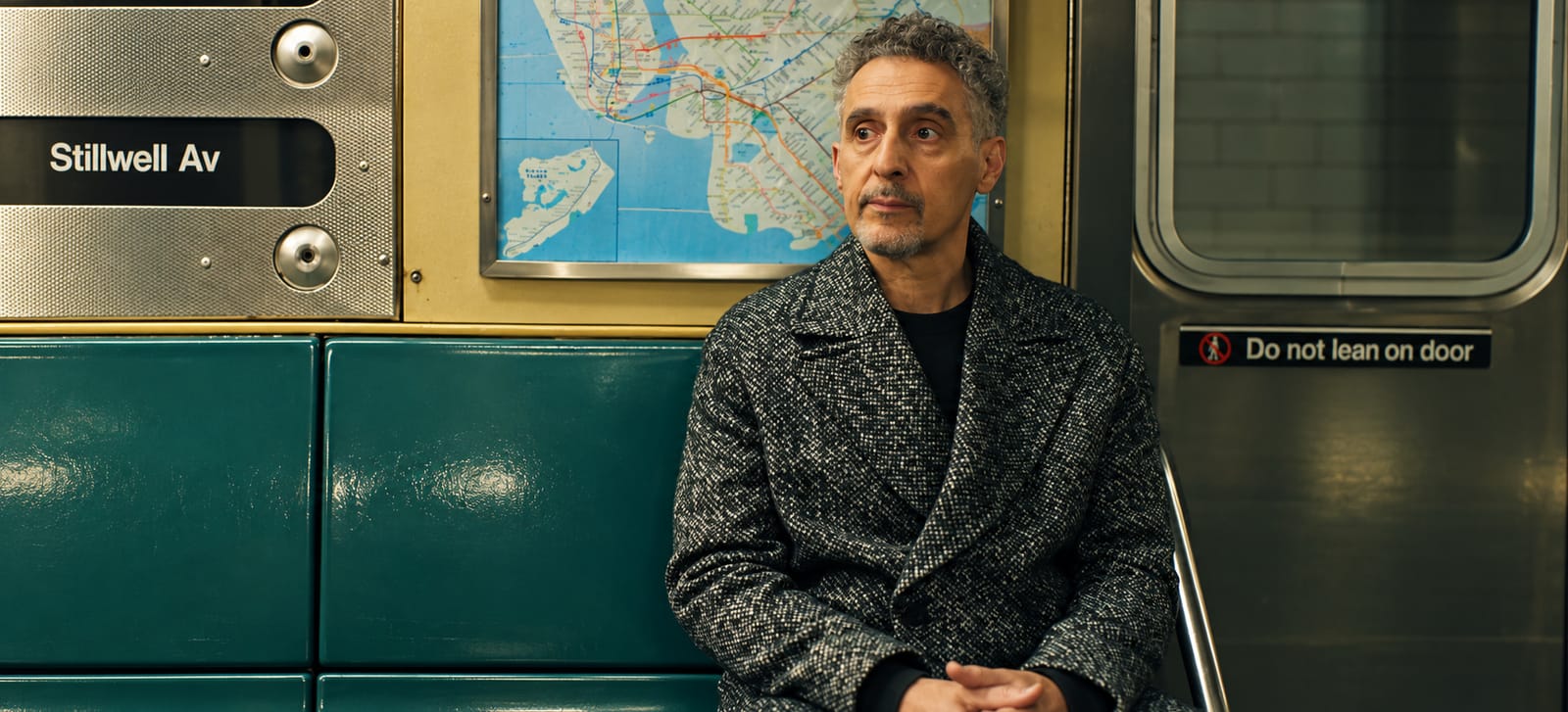
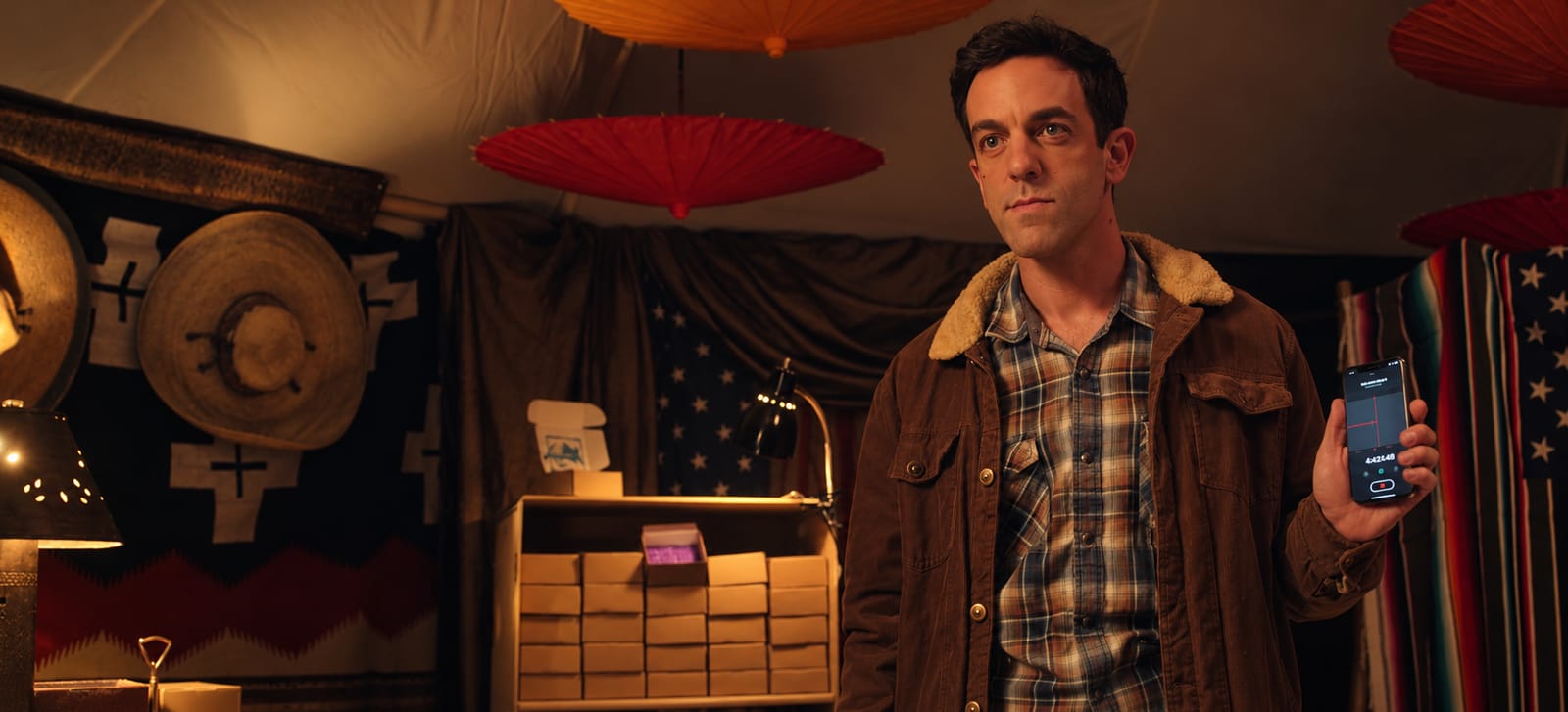
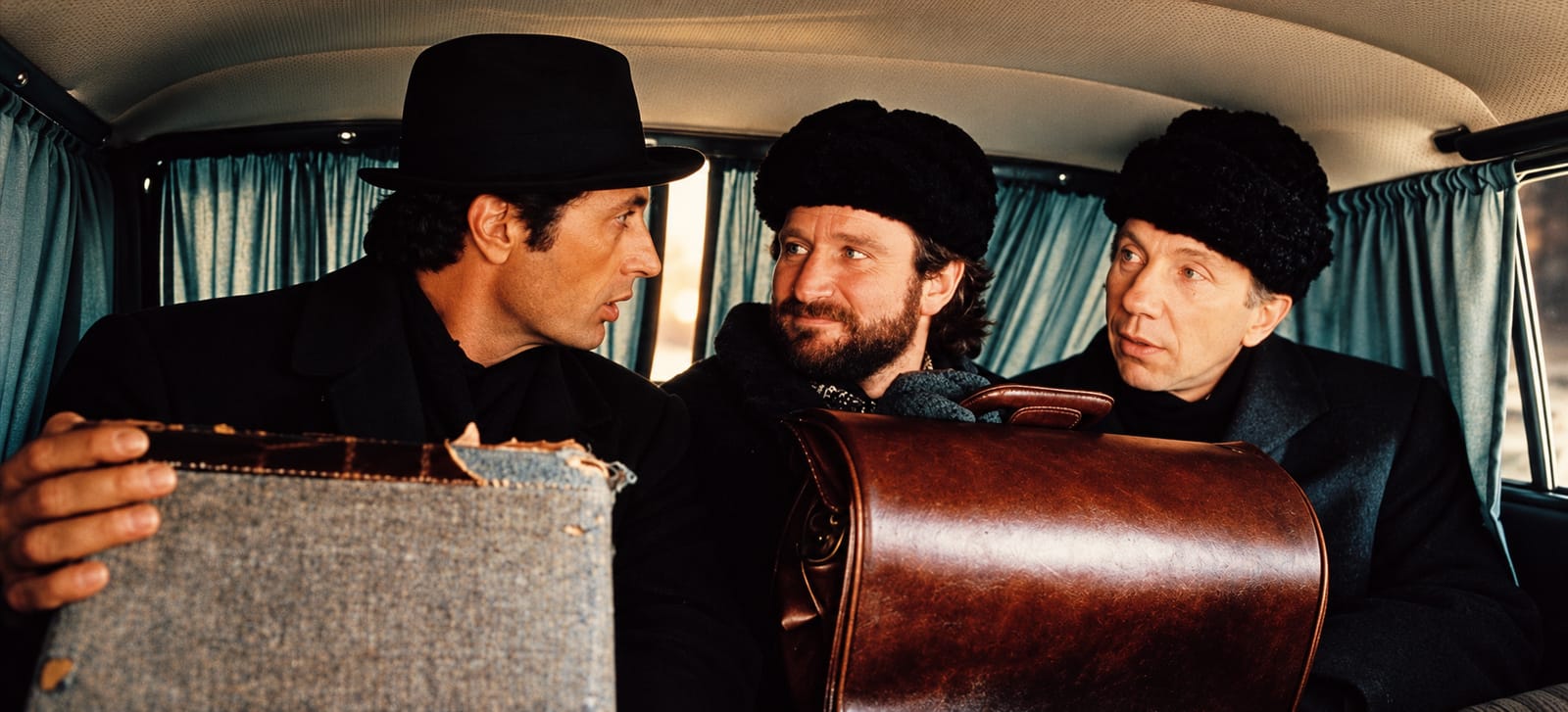
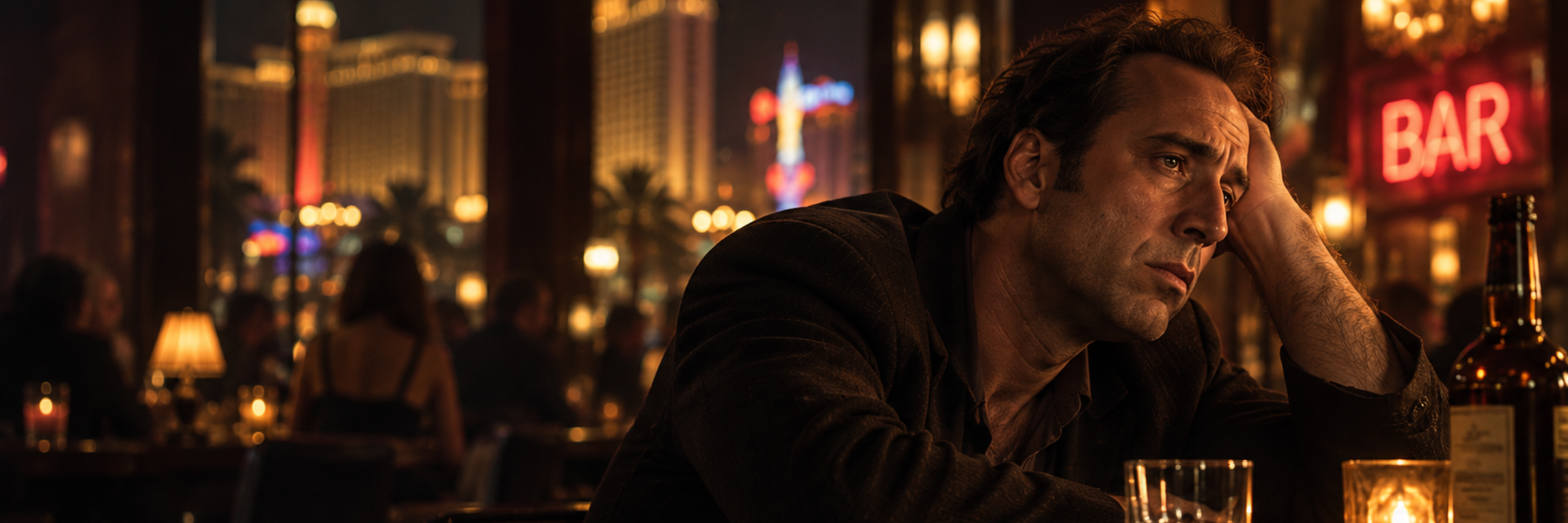
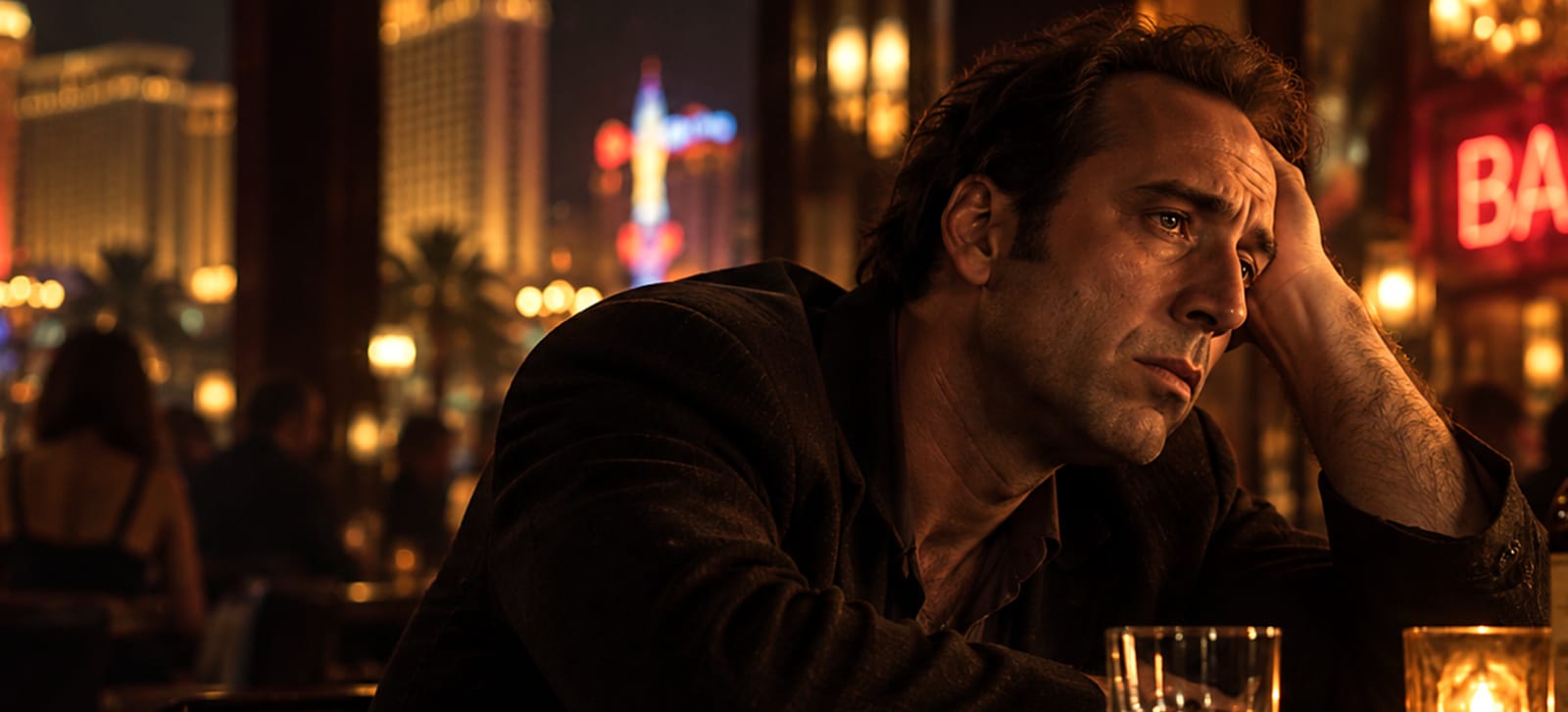
That’s the problem facing Harry Lehman in The Only Living Pickpocket in New York. He steals something valuable, sells it, and then discovers that its owners expect him to get it back. They aren’t interested in having him arrested. They’re interested in having their property returned, and Harry would be wise to understand the difference.
Business Was Already Bad
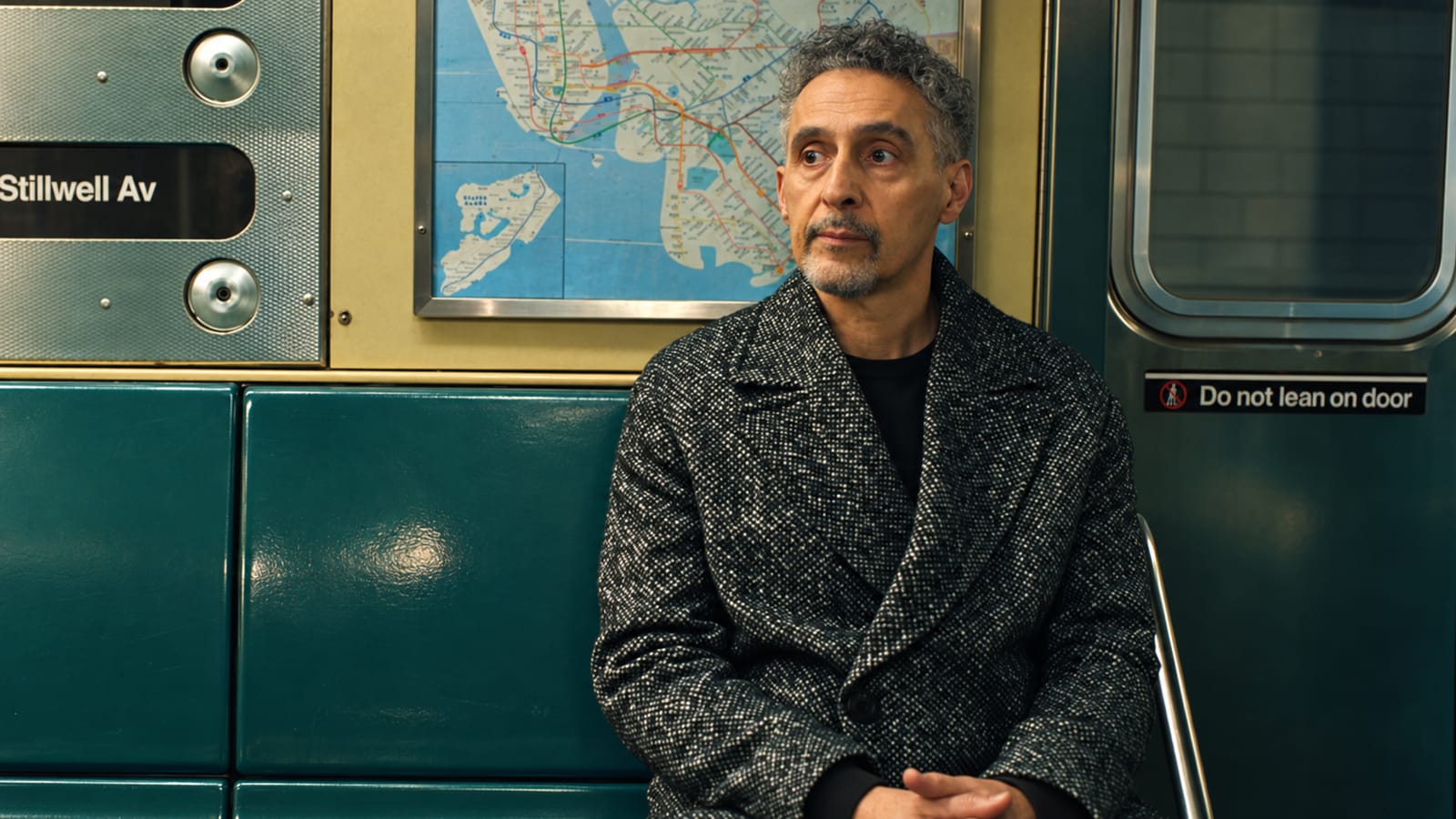
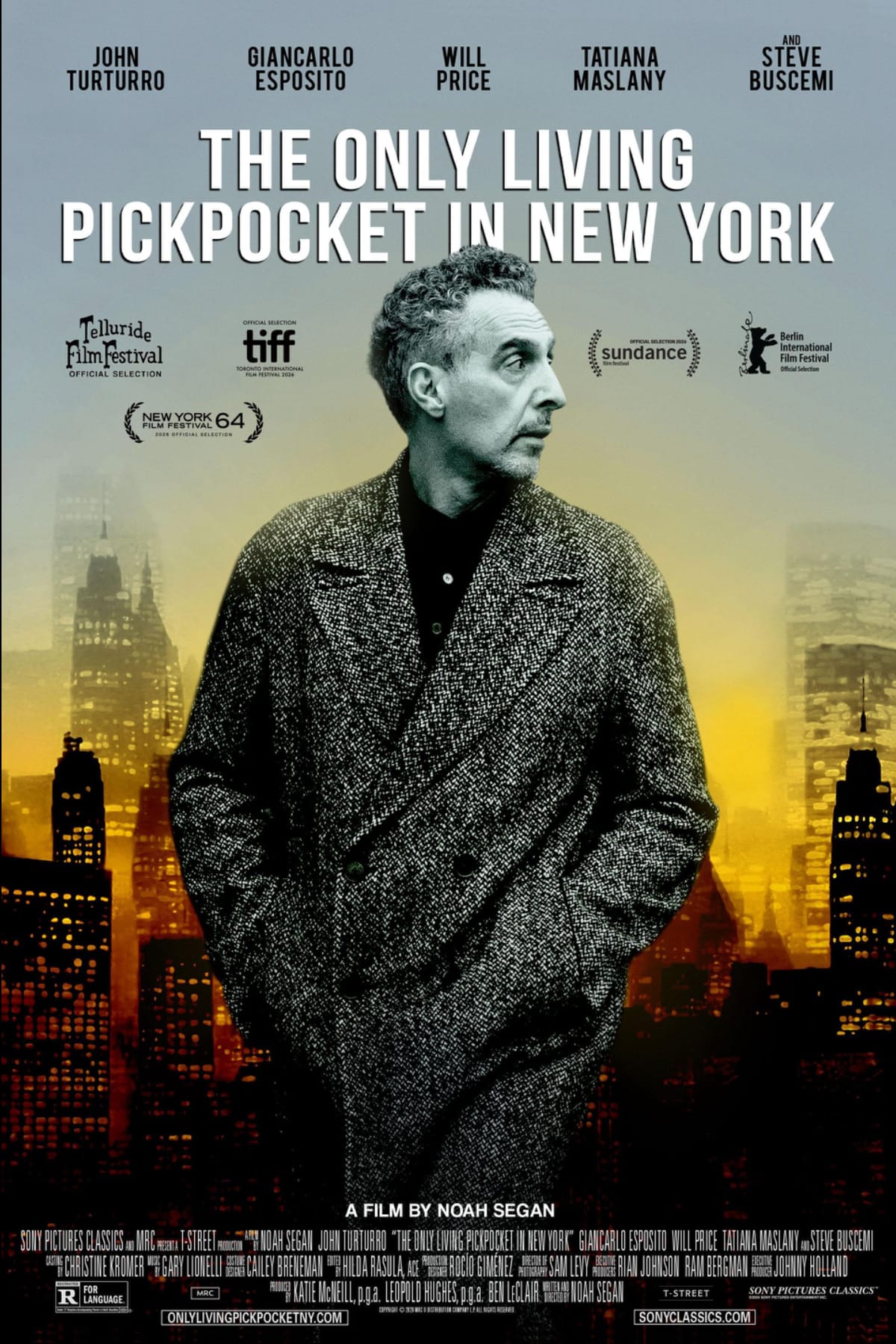
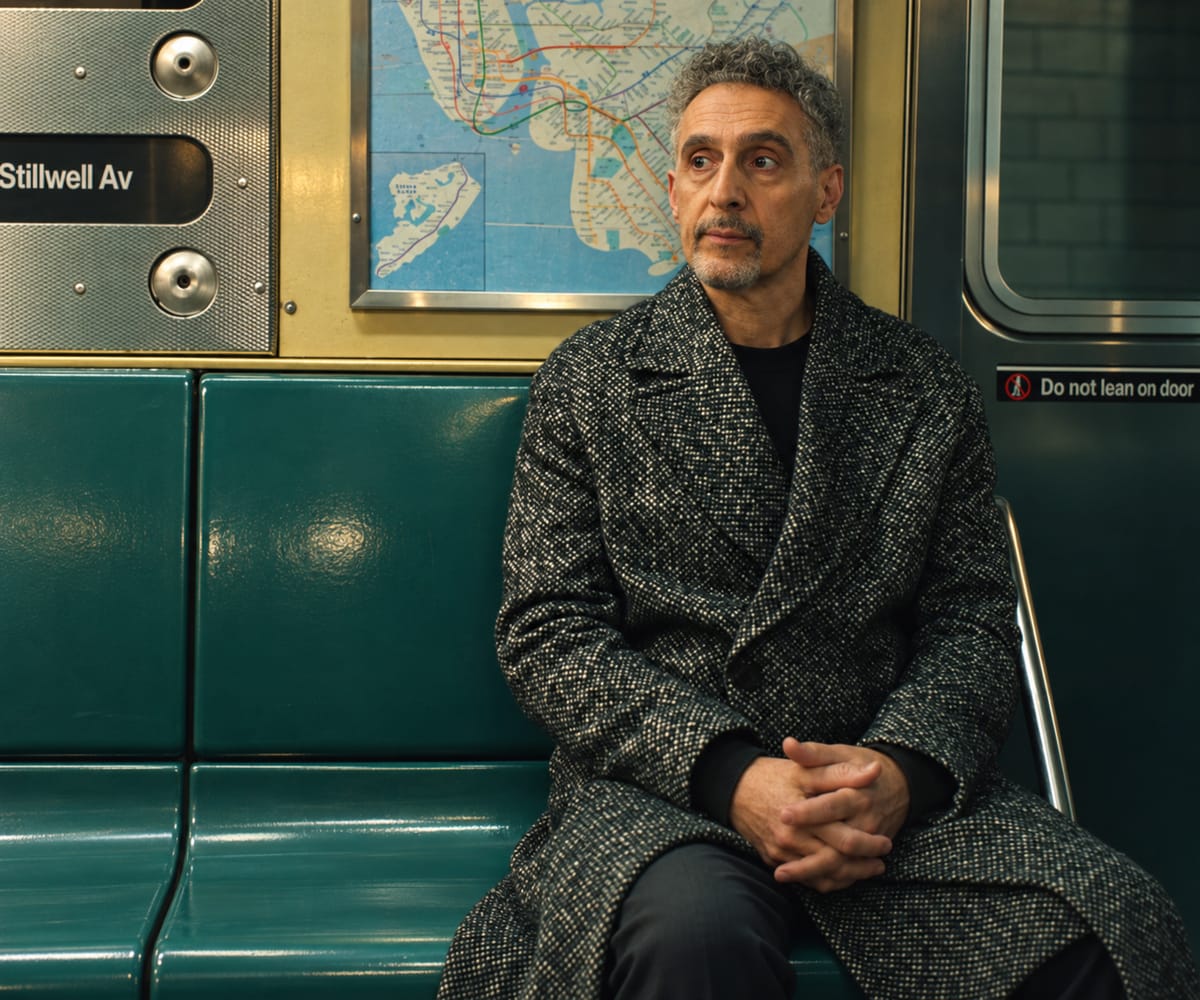
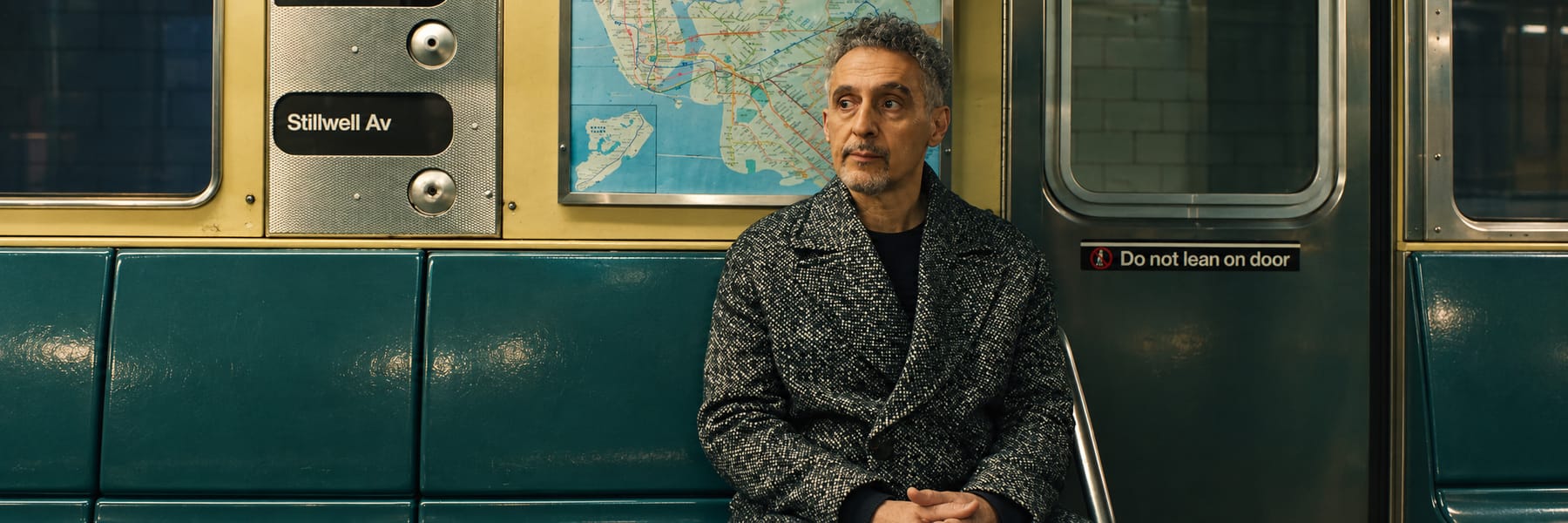
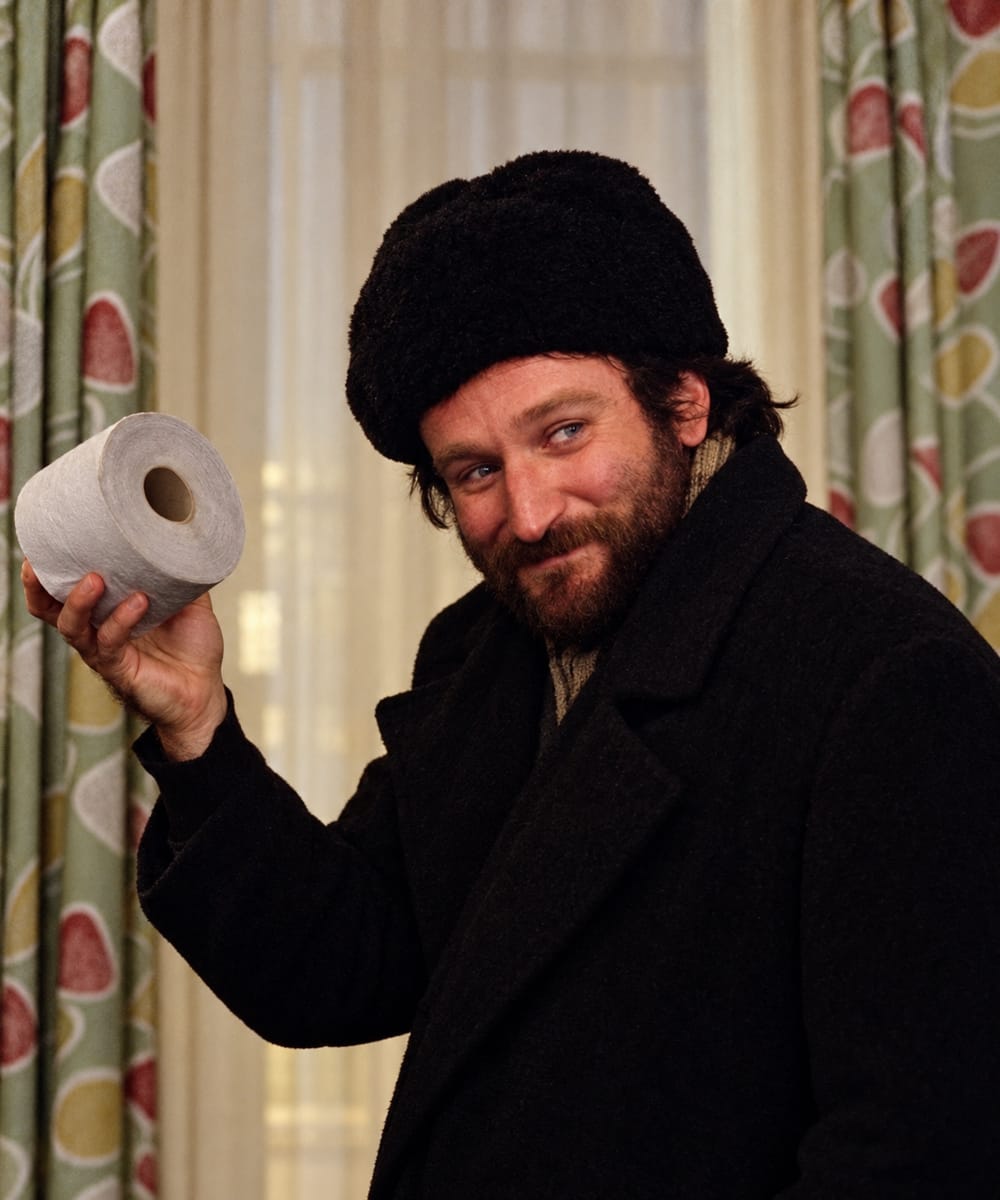
John Turturro plays Harry, an aging thief trying to earn a living in a city that has made his particular skill considerably less useful. People still carry wallets. Unfortunately for Harry, those wallets increasingly contain cards their owners can cancel.
You can appreciate the inconvenience without feeling especially sorry for his business model.
But Harry also cares for his disabled wife, Rosie, and that gives his financial problems weight beyond his own comfort. He has someone depending on him. Whatever judgment you make about how he earns his money, the responsibilities waiting at home are real.
Then he makes a mistake that turns all those existing problems into background concerns.
The Wrong Person to Rob
The item causing the trouble is a valuable USB stick Harry unwittingly steals and fences. What he treats as something to sell turns out to belong to people with considerably more power than the average pickpocket. A crime family wants it returned.
Unfortunately, returning stolen property becomes complicated once you’ve already sold it.
That’s the part of the setup I like. Harry has successfully done what he normally does, and doing it successfully has created the problem. He got away with the theft. He found a buyer. Under ordinary circumstances, that would qualify as a decent day at work.
Now he has to undo it.
He Has Something to Get Home To
The danger matters more because Harry’s life extends beyond the stolen goods. Getting himself into trouble also threatens his ability to care for Rosie. He can’t consider what happens next as though he’s the only person affected.
That gives the premise somewhere to go beyond watching a criminal try to escape the consequences of being a criminal. We can recognize that Harry created this mess and still want him to find a way through it. Having someone depend on you doesn’t excuse a bad decision. It can make that decision considerably more painful.
For years, his success has depended on walking away before somebody realizes what’s missing.
This time, walking away was only the beginning of his trouble.