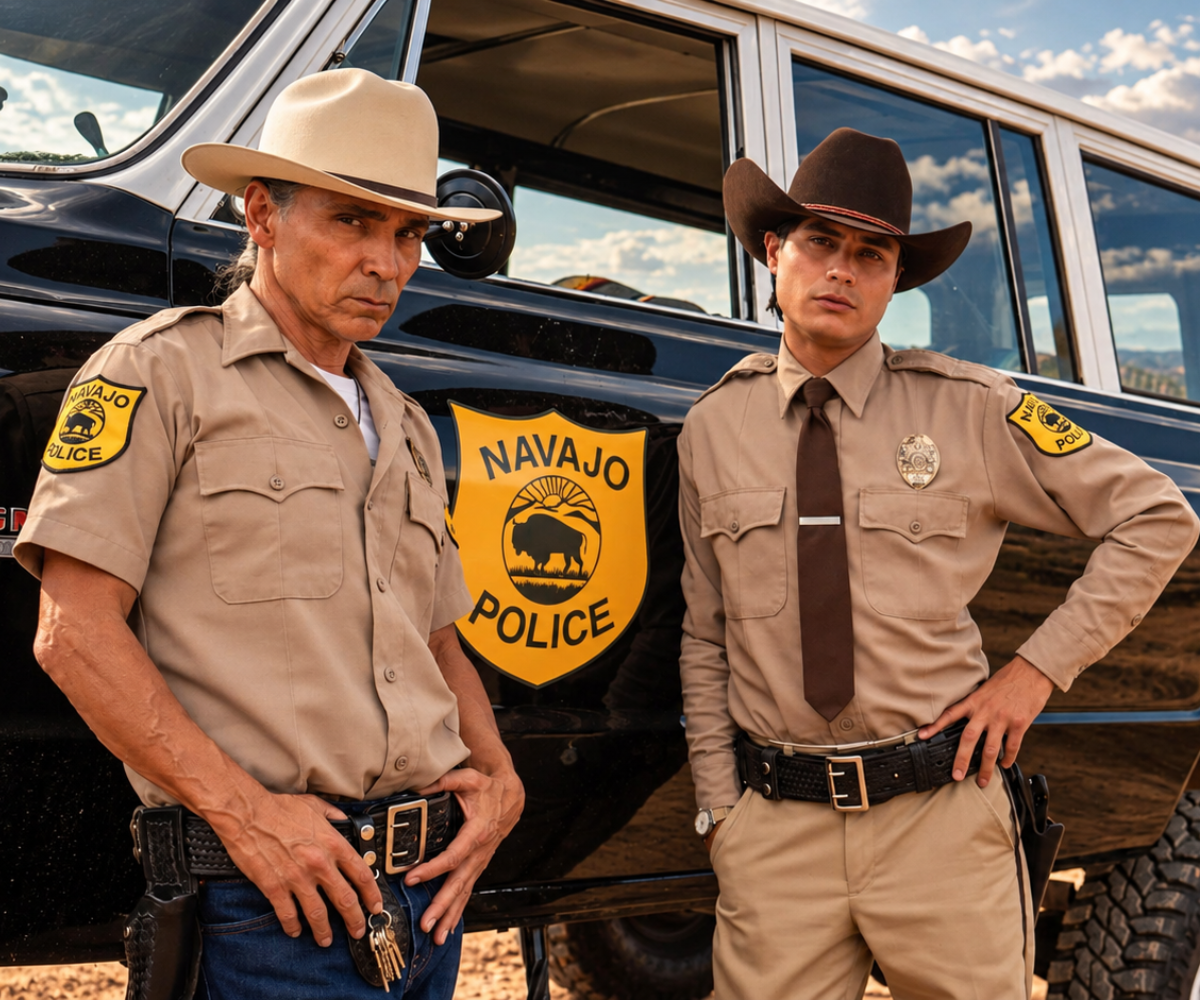
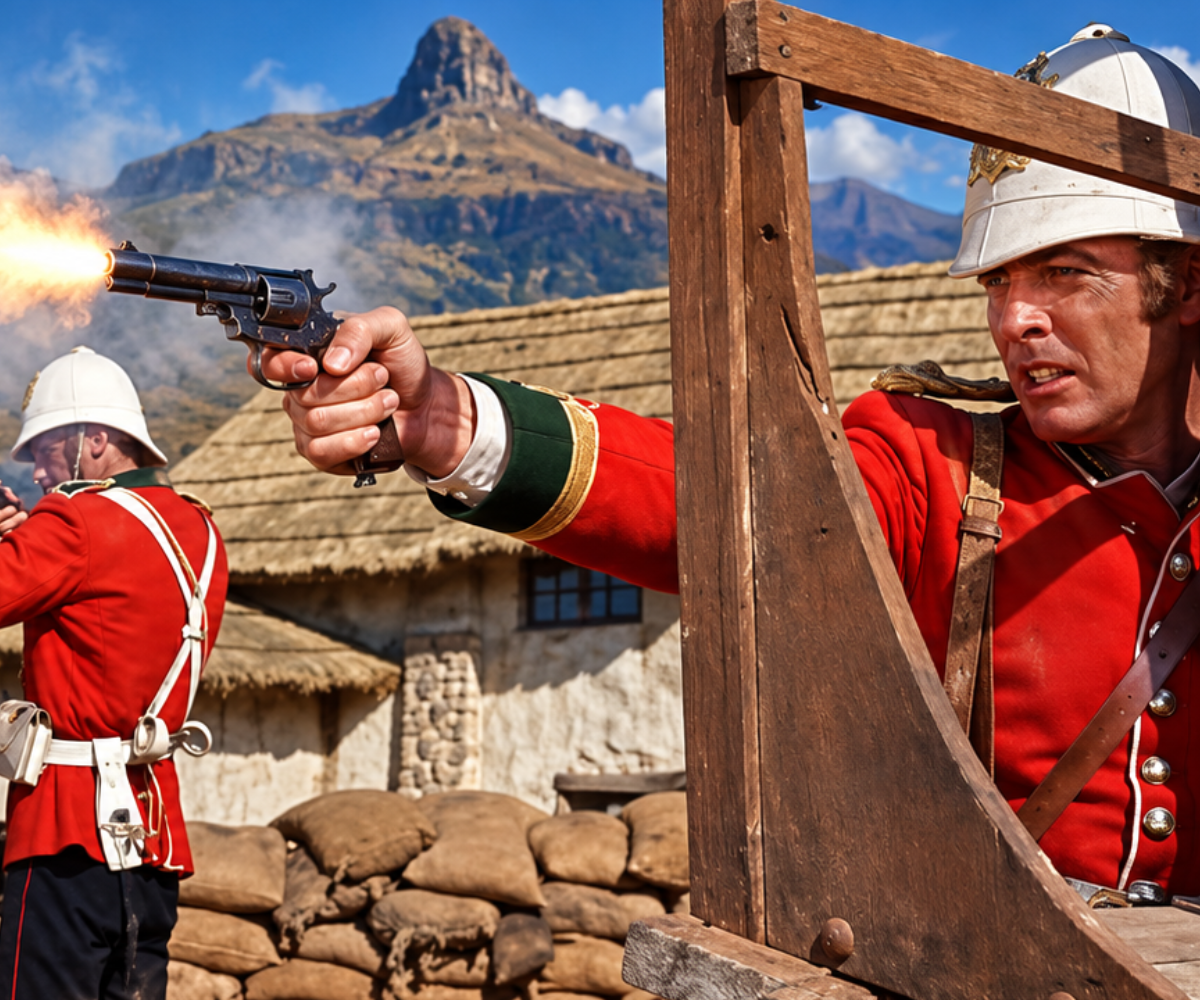
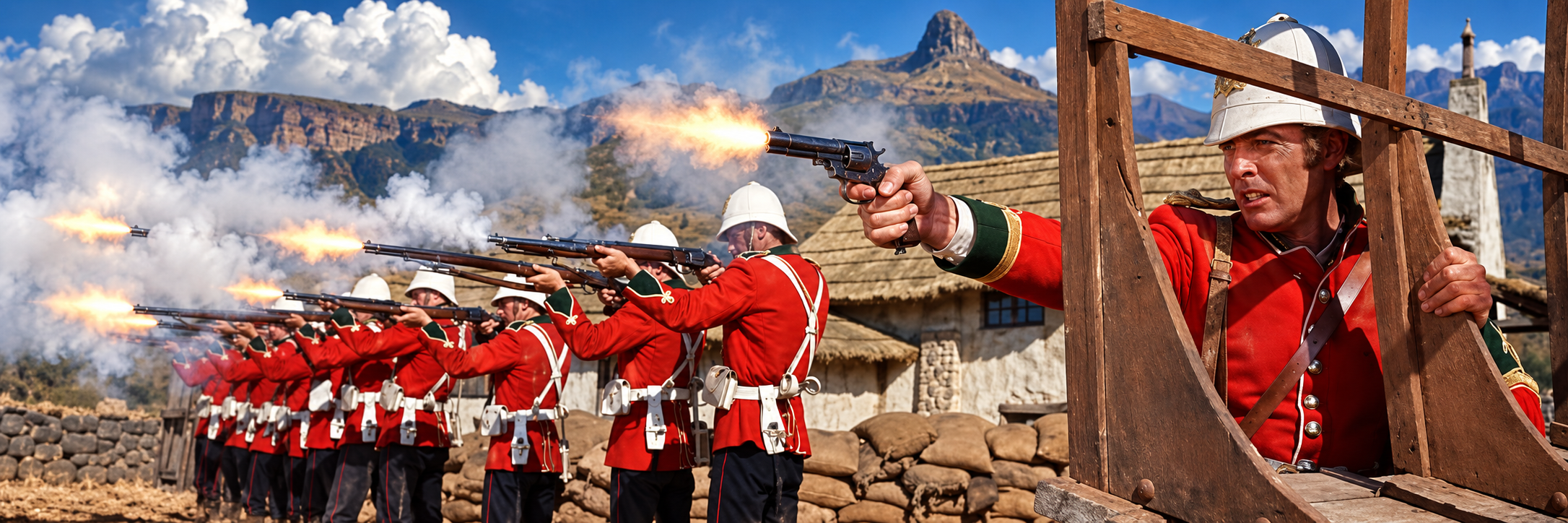
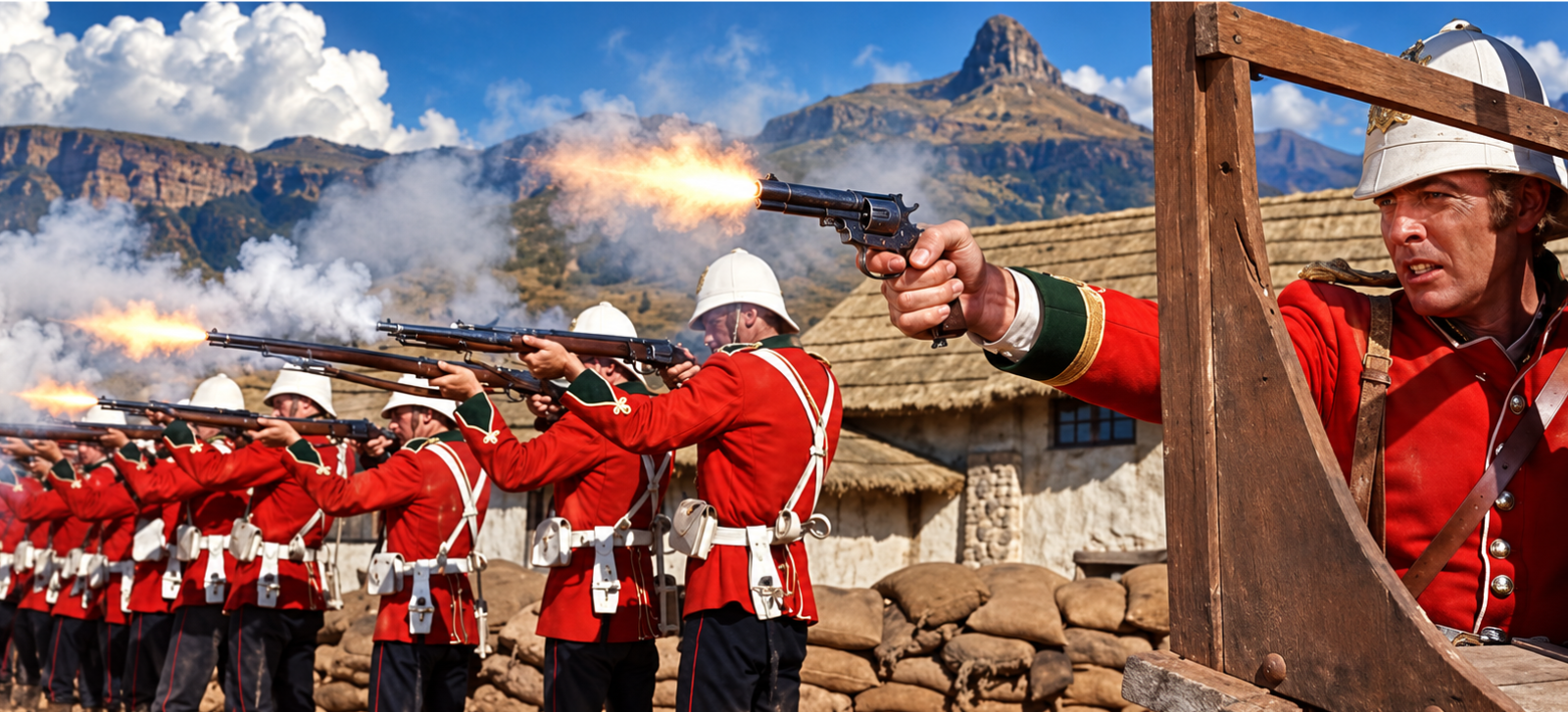
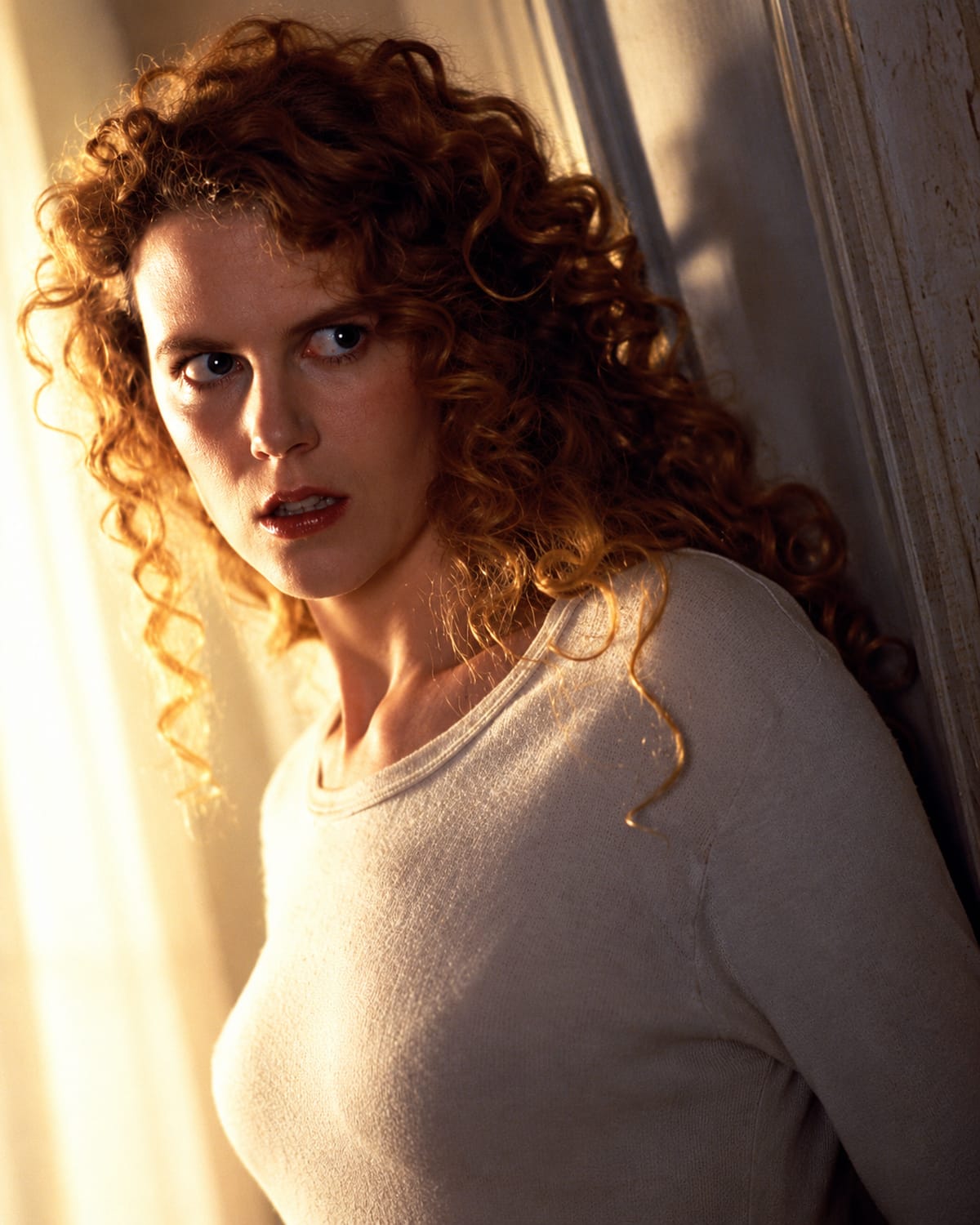
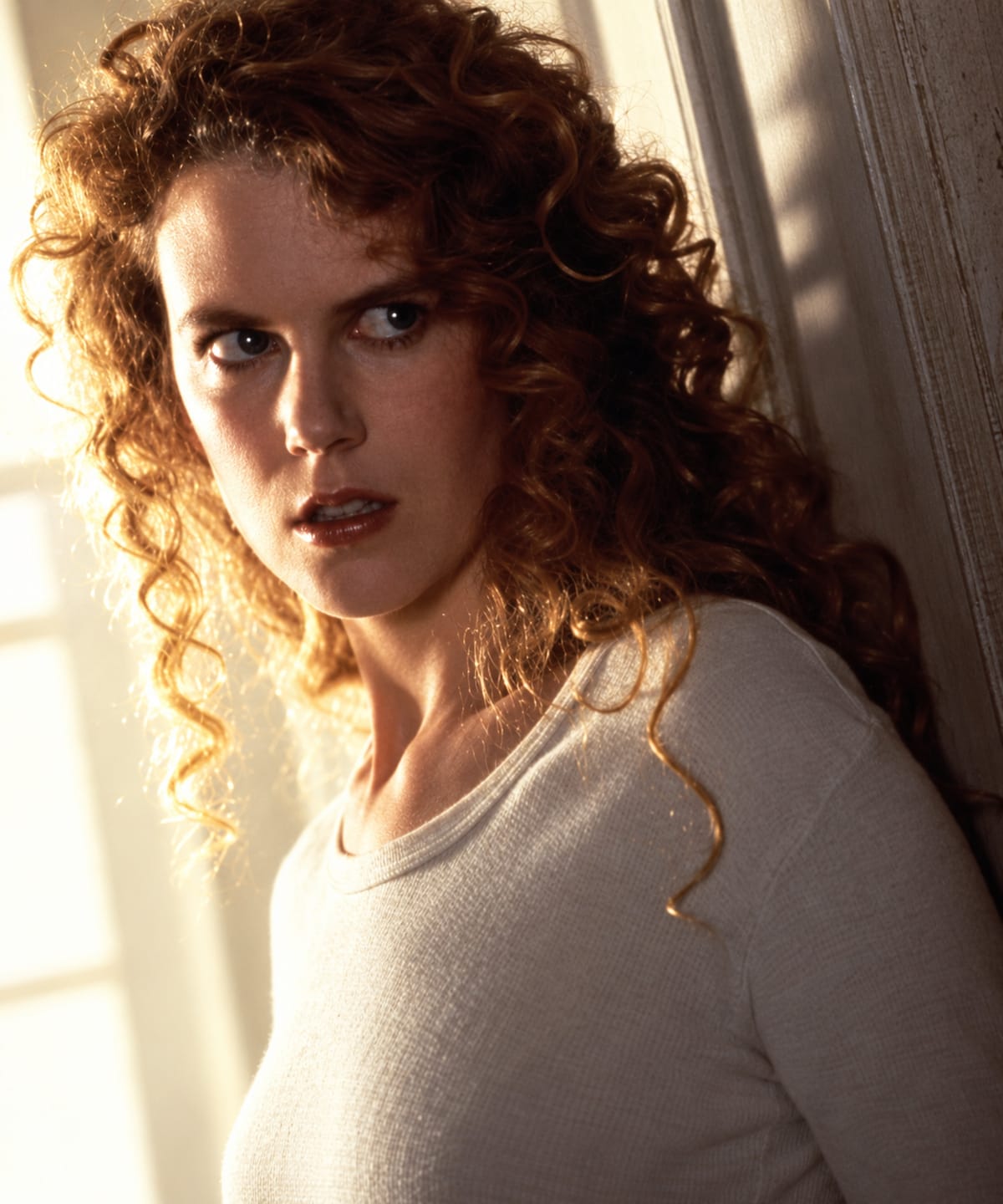
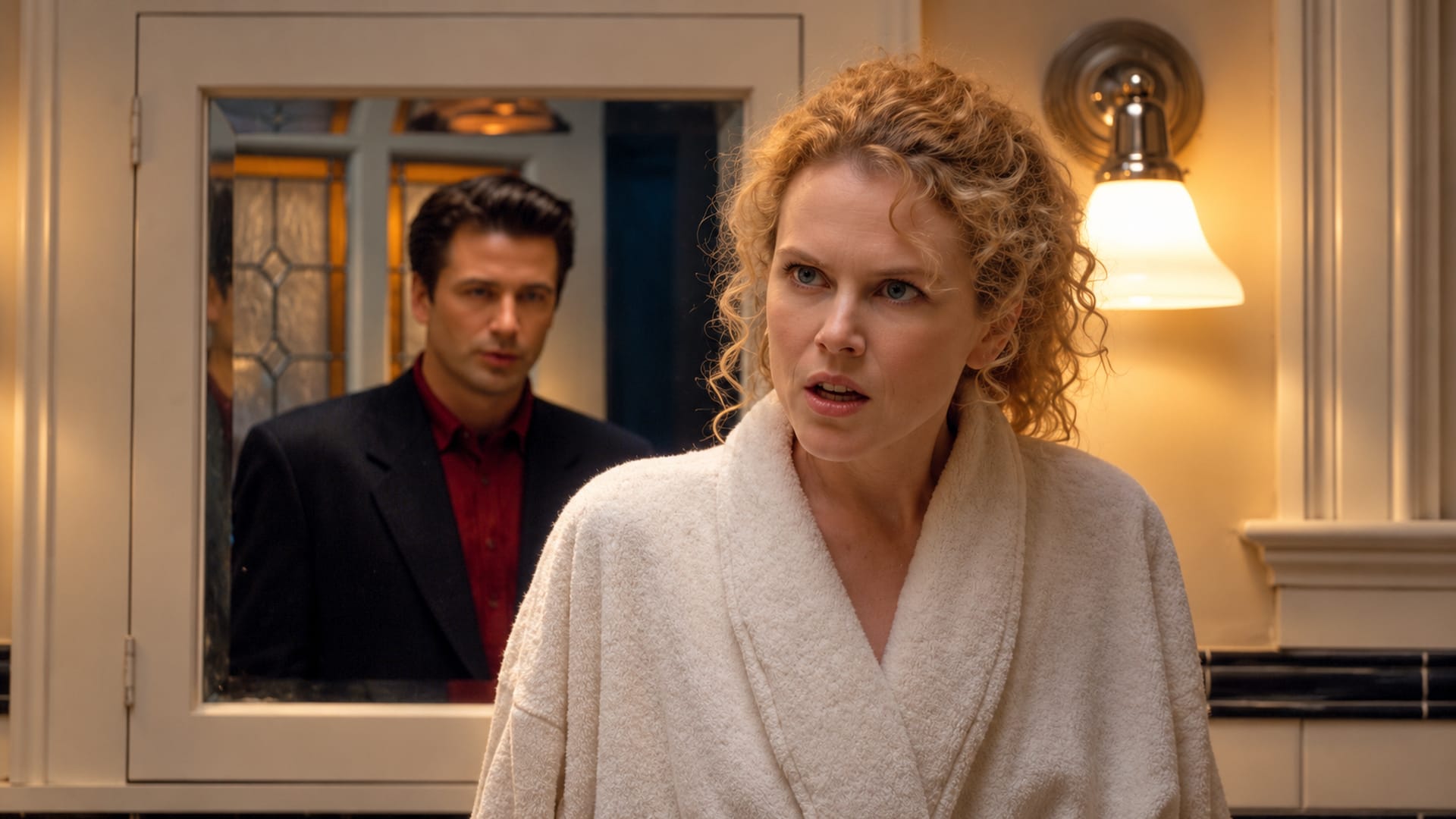
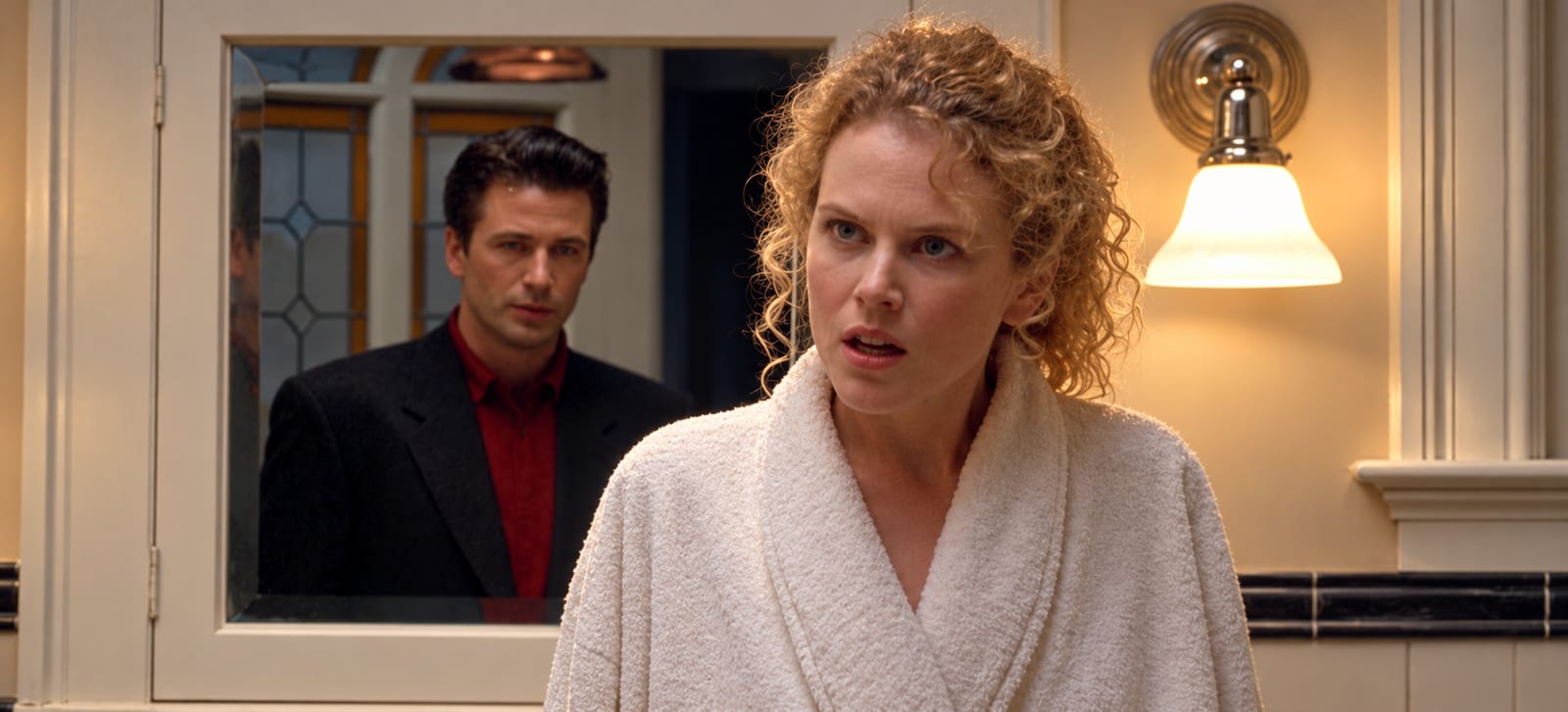
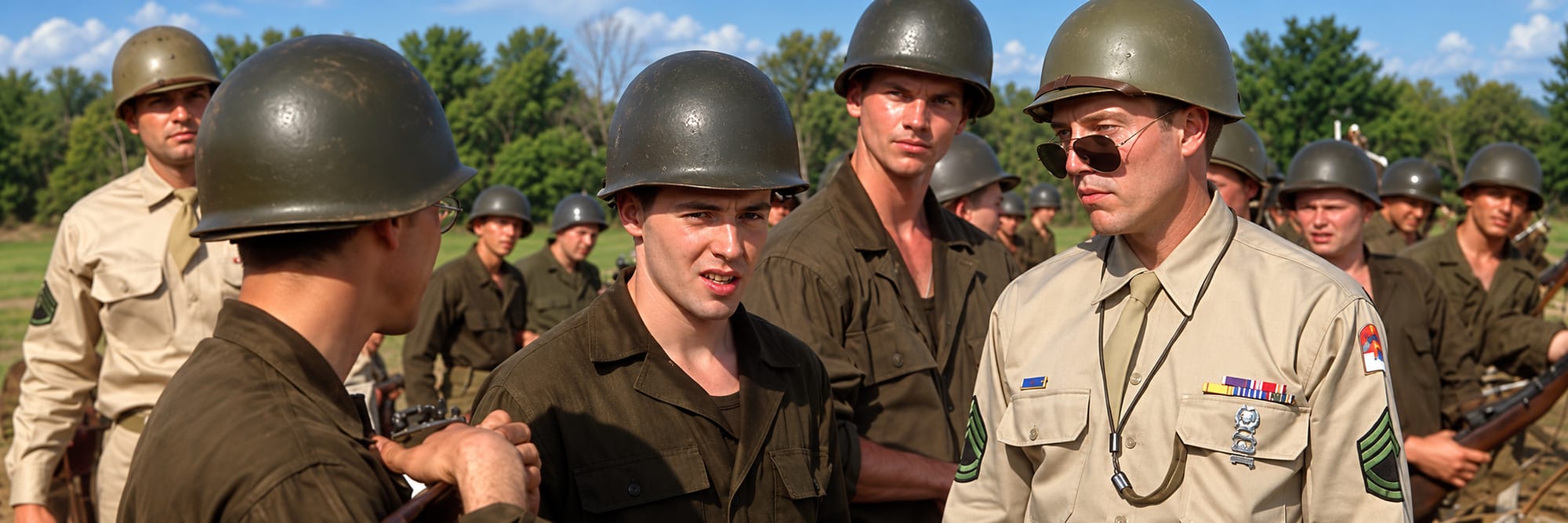
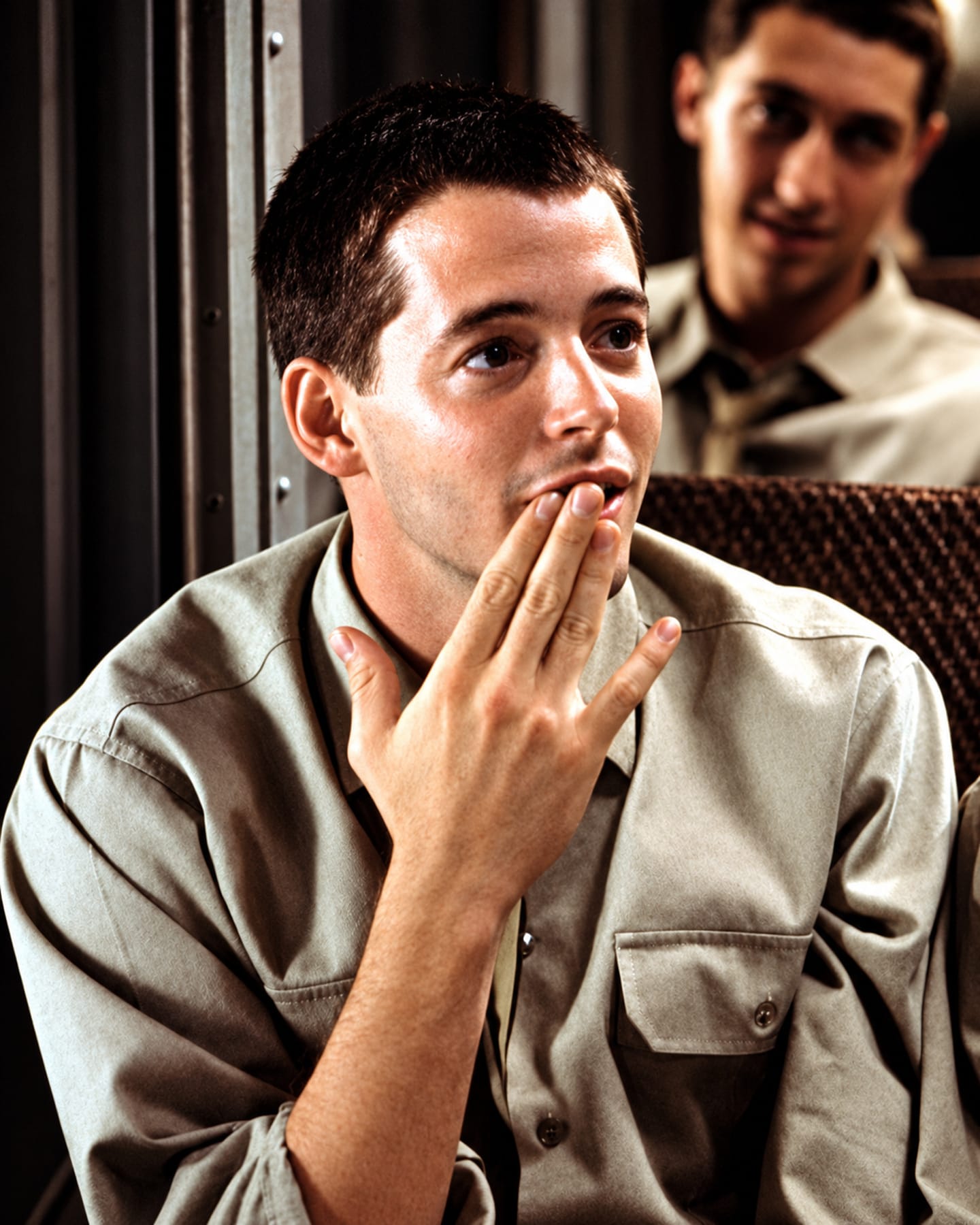
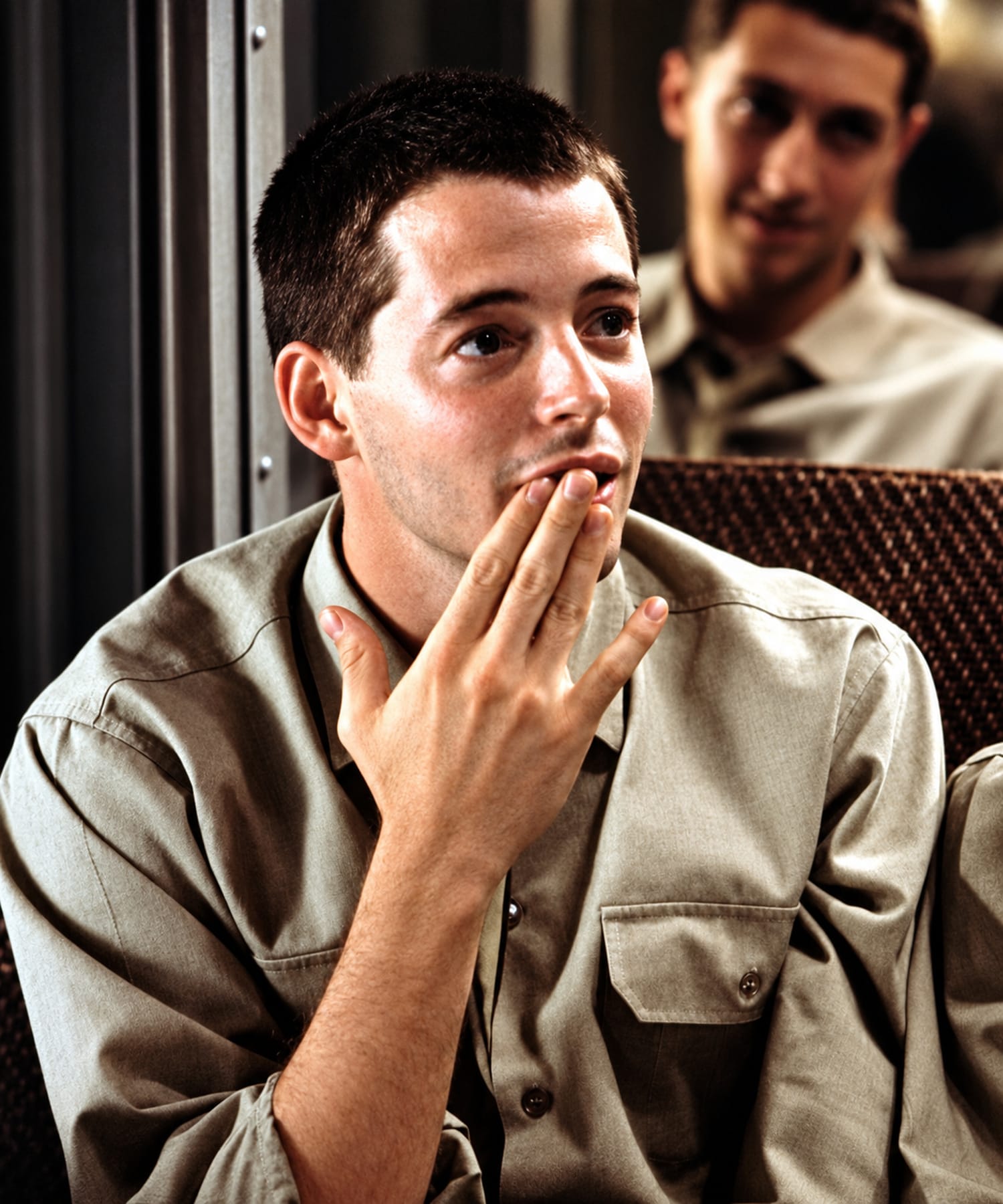
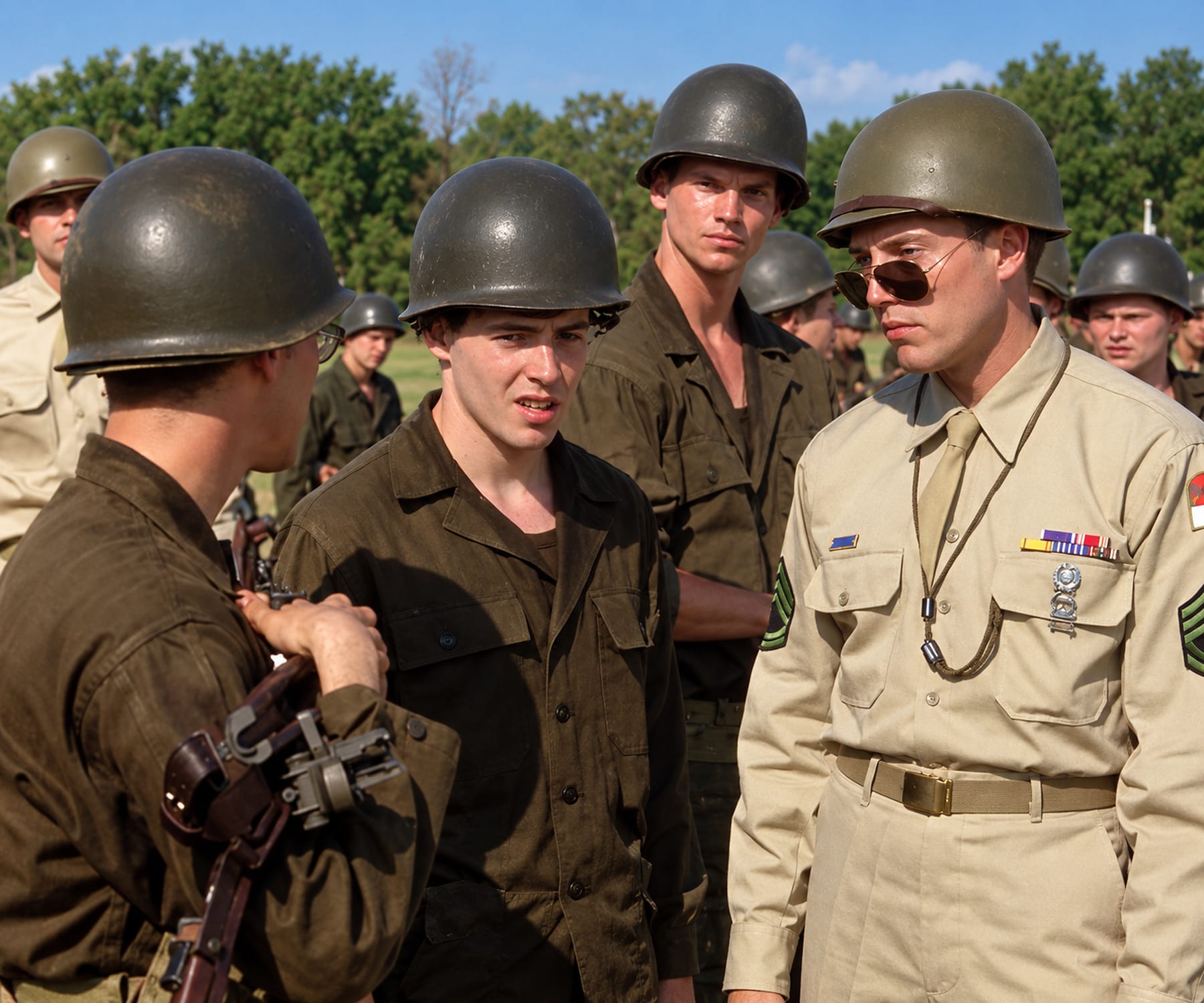
There’s something appealing about a Western that doesn’t feel obligated to reinvent the Western. Give me a gunslinger with a questionable past, a few dangerous men looking for trouble, and somebody worth changing for.
You’ve already got the makings of a decent movie.
Knowing the Setup Isn’t the Same as Watching the Movie
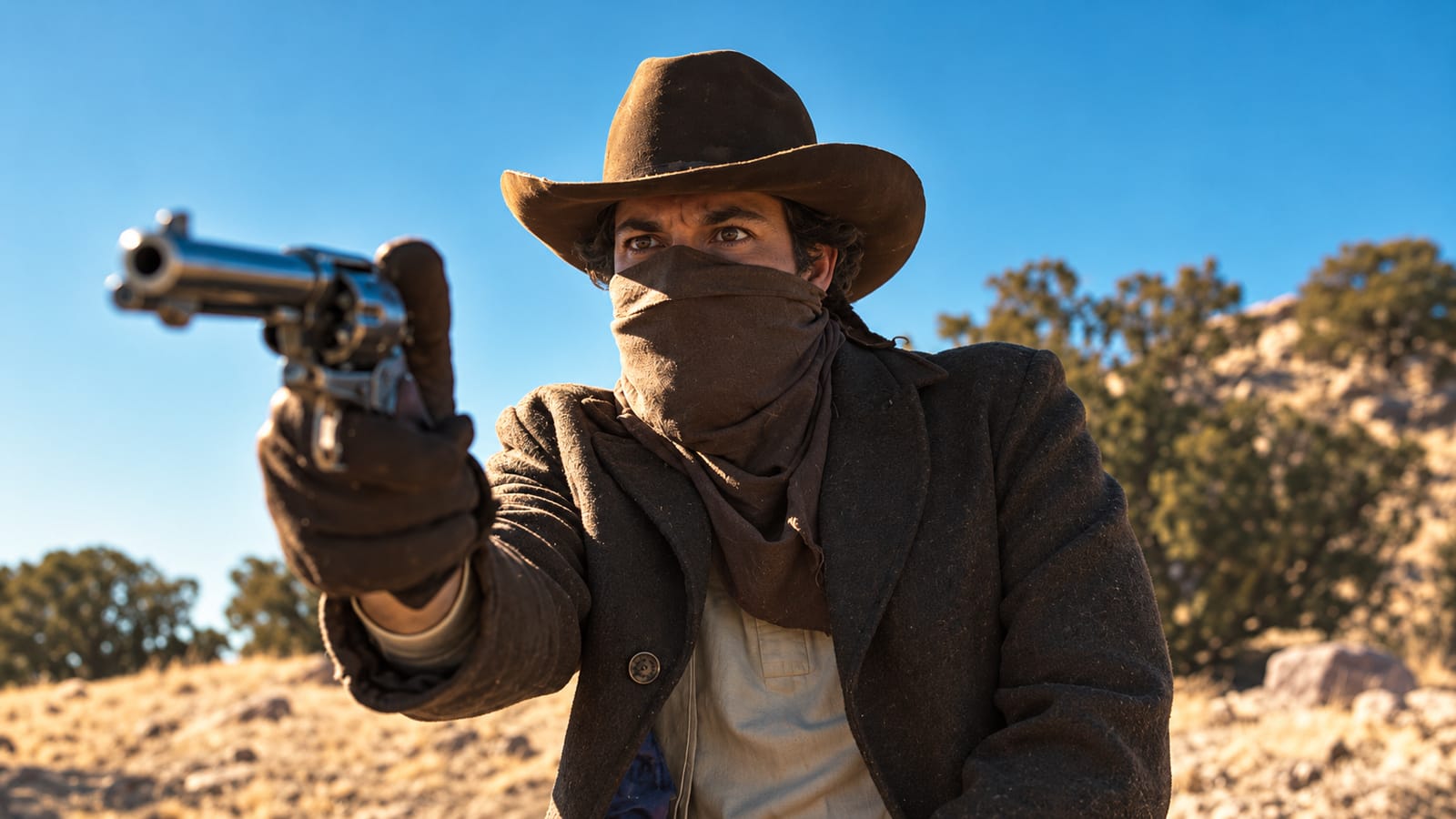
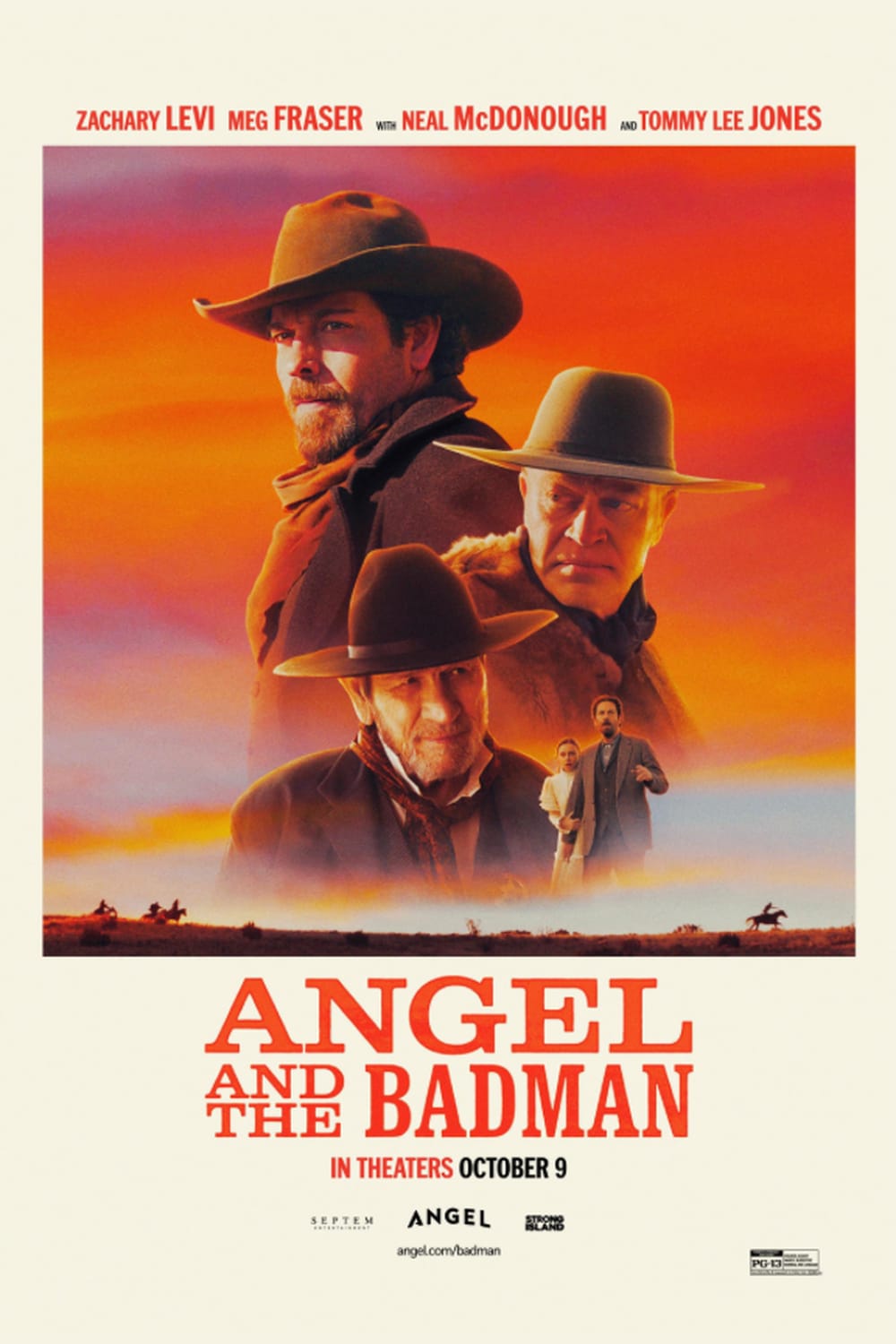
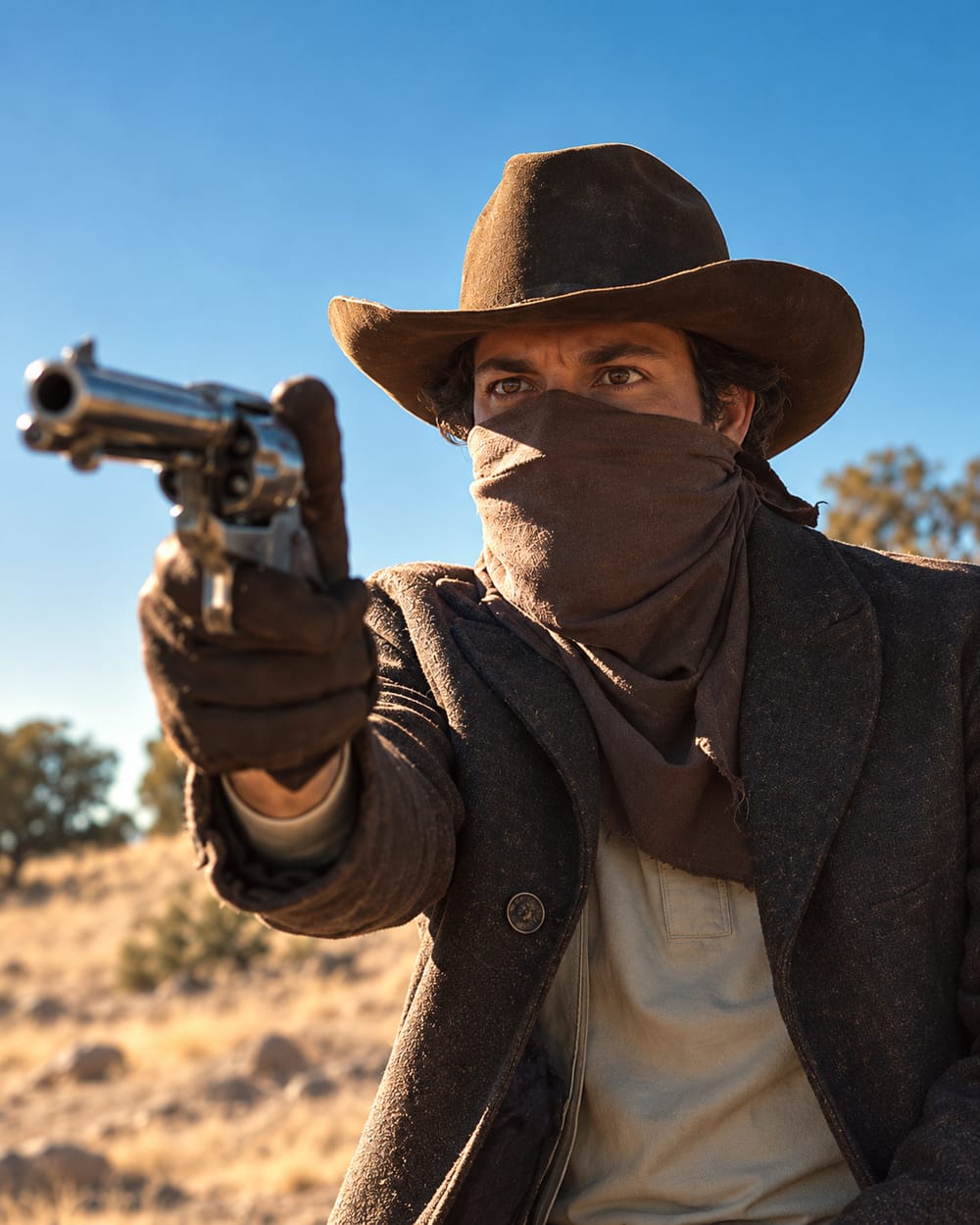
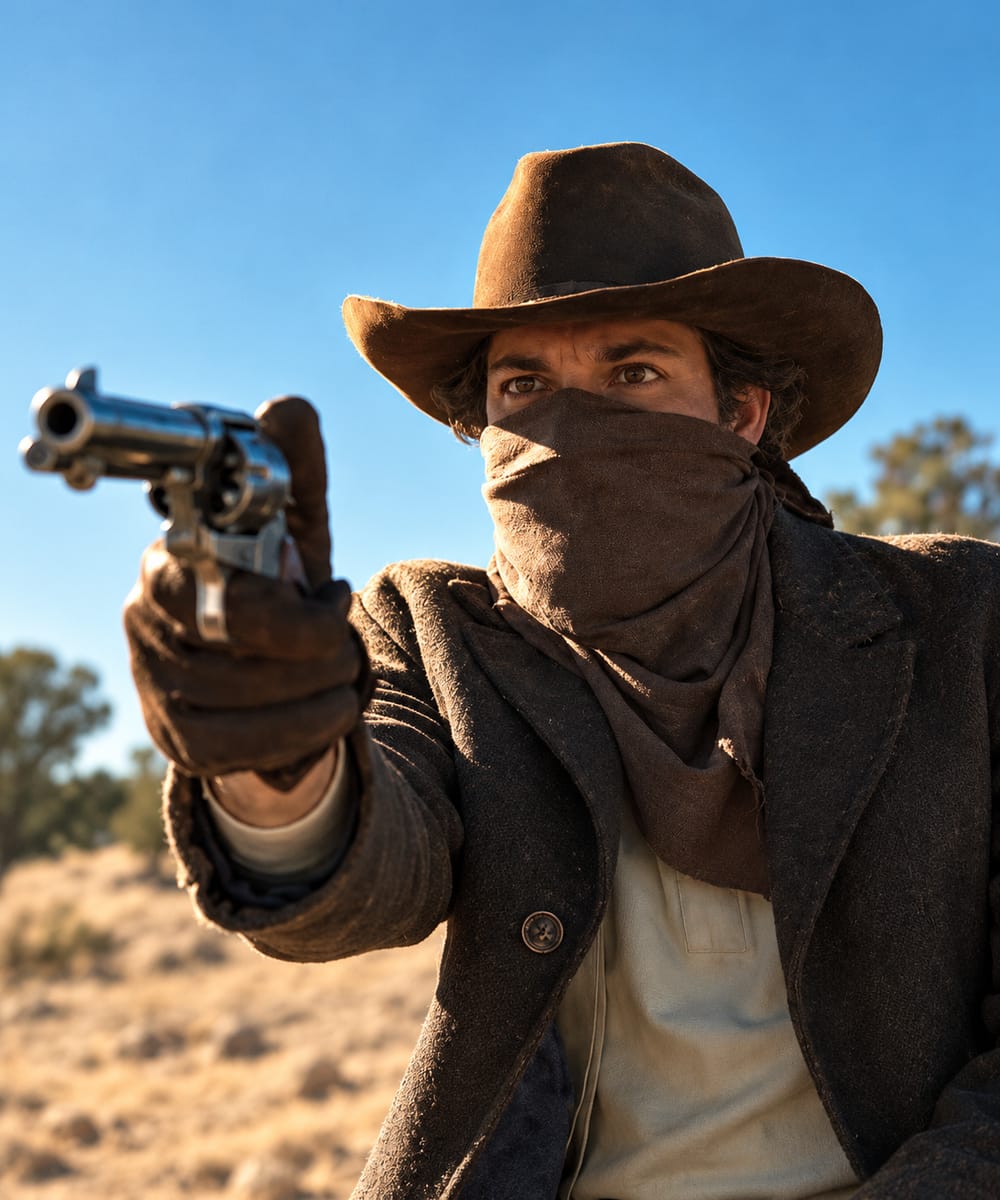
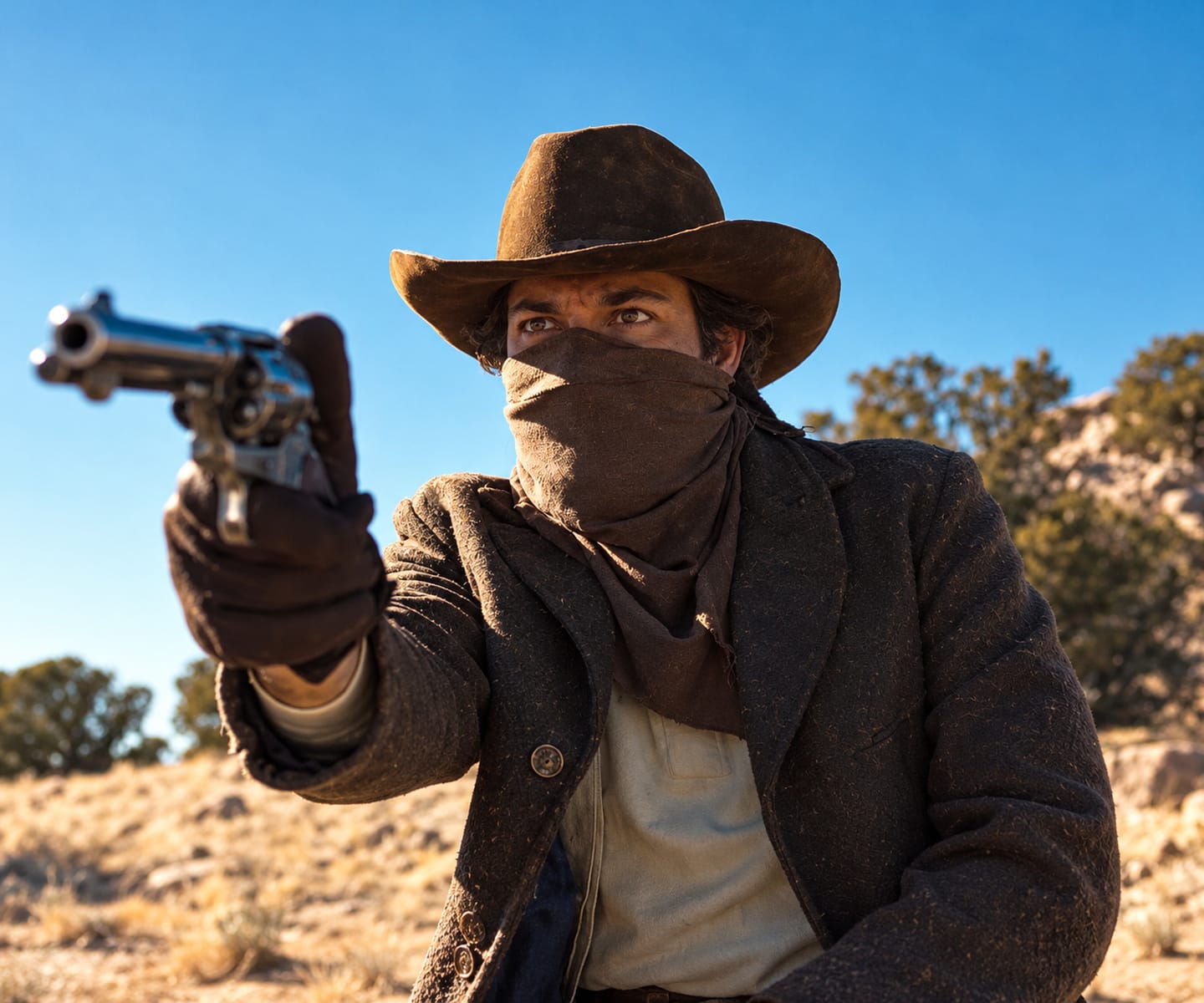
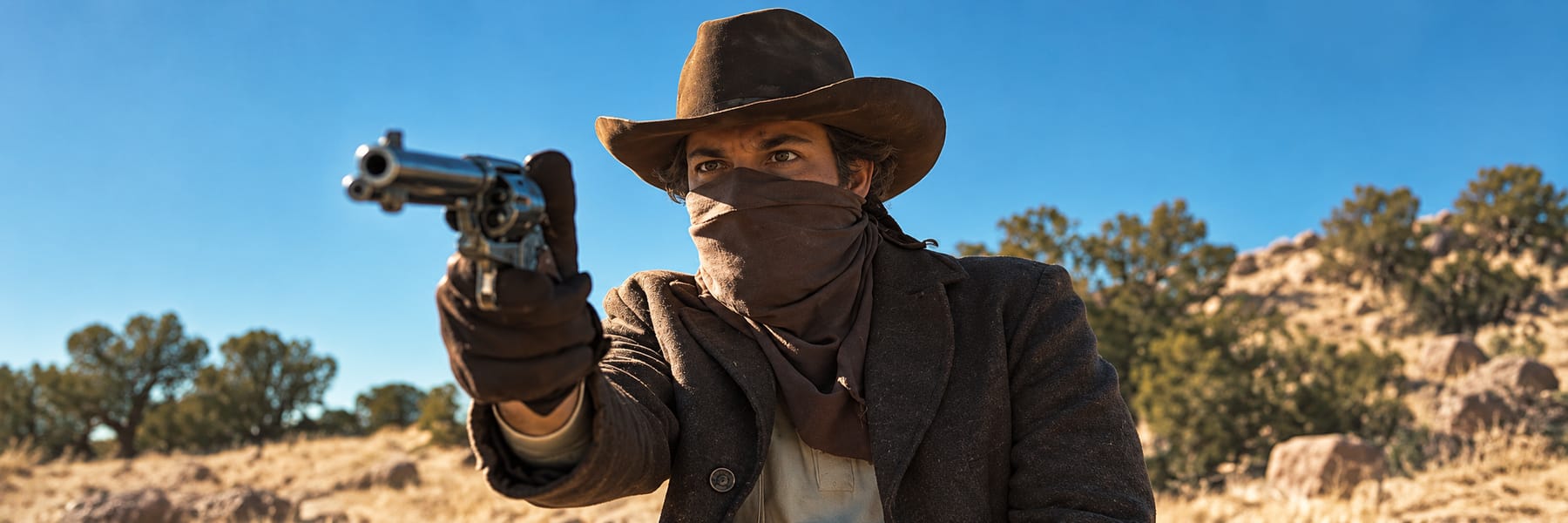
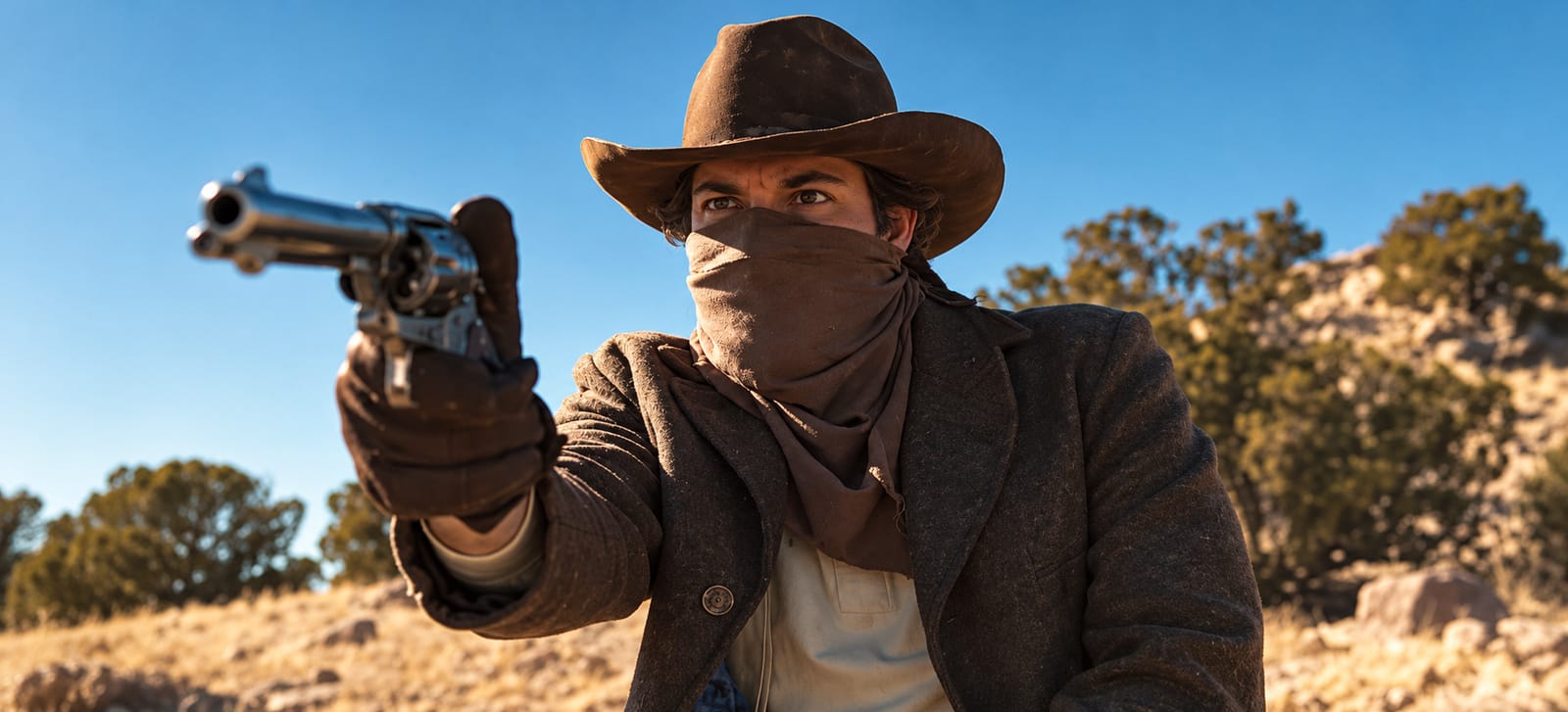
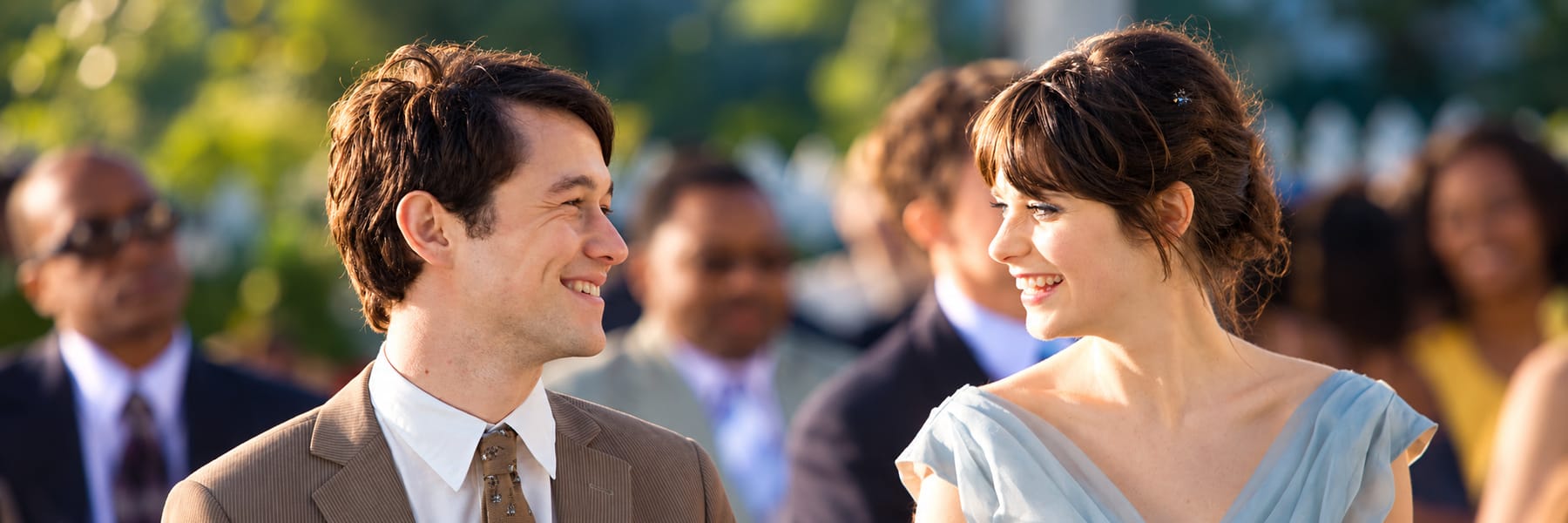
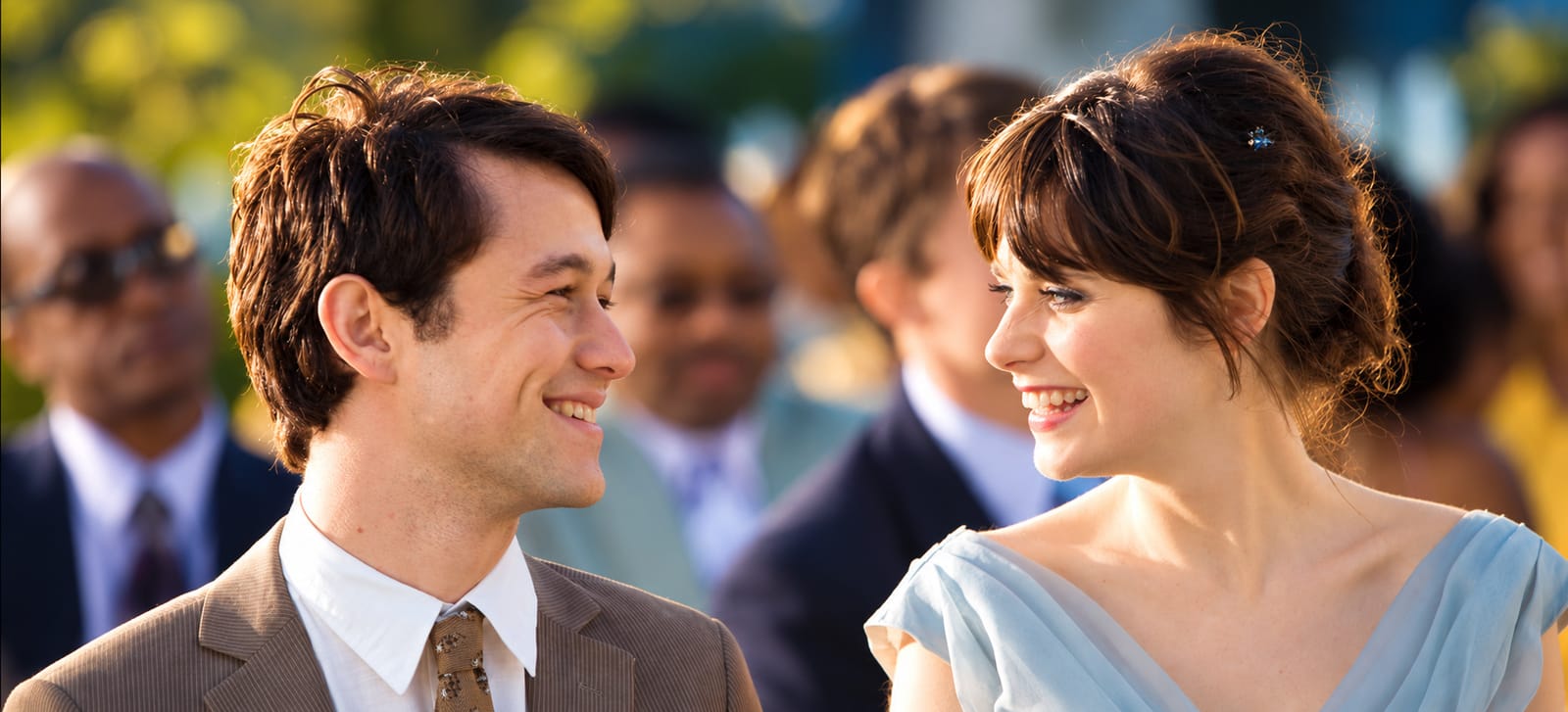
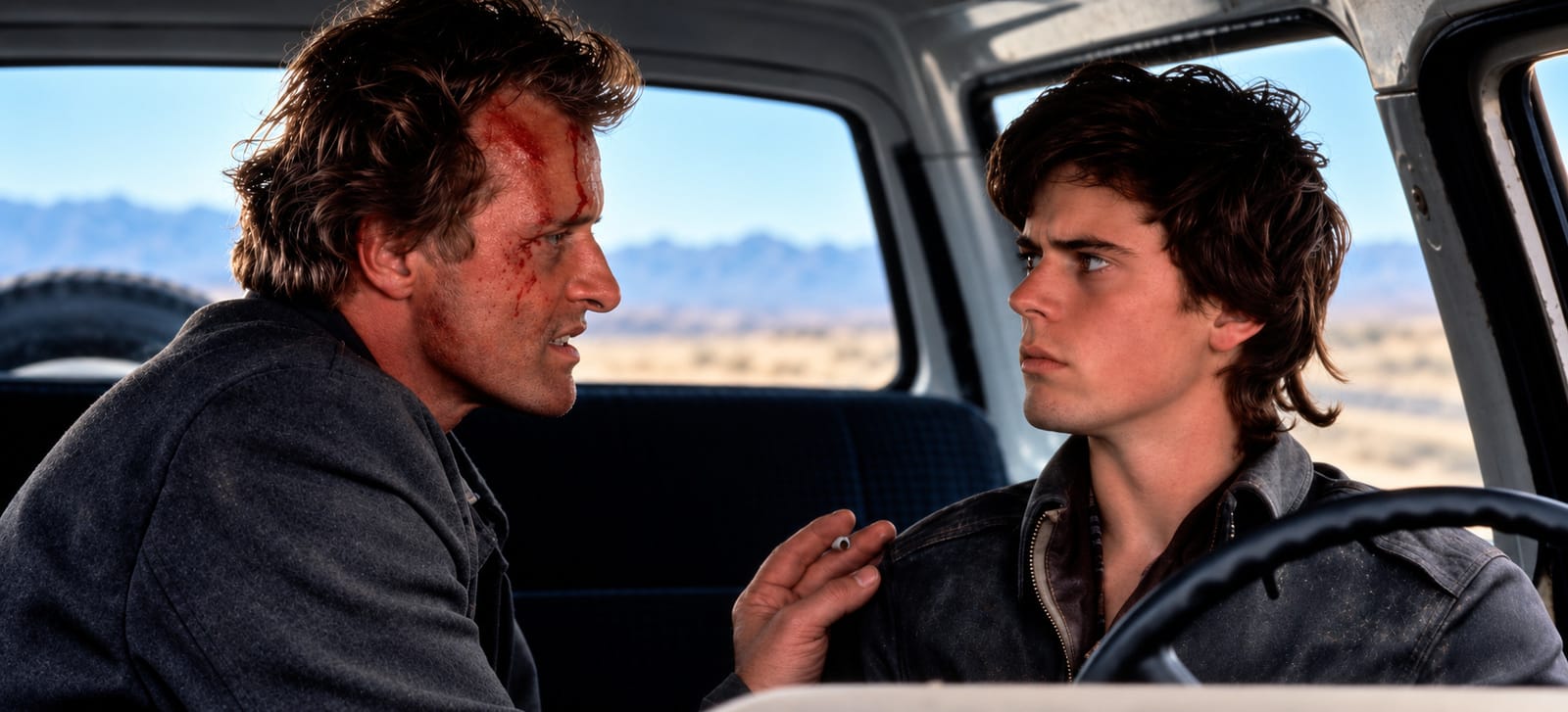
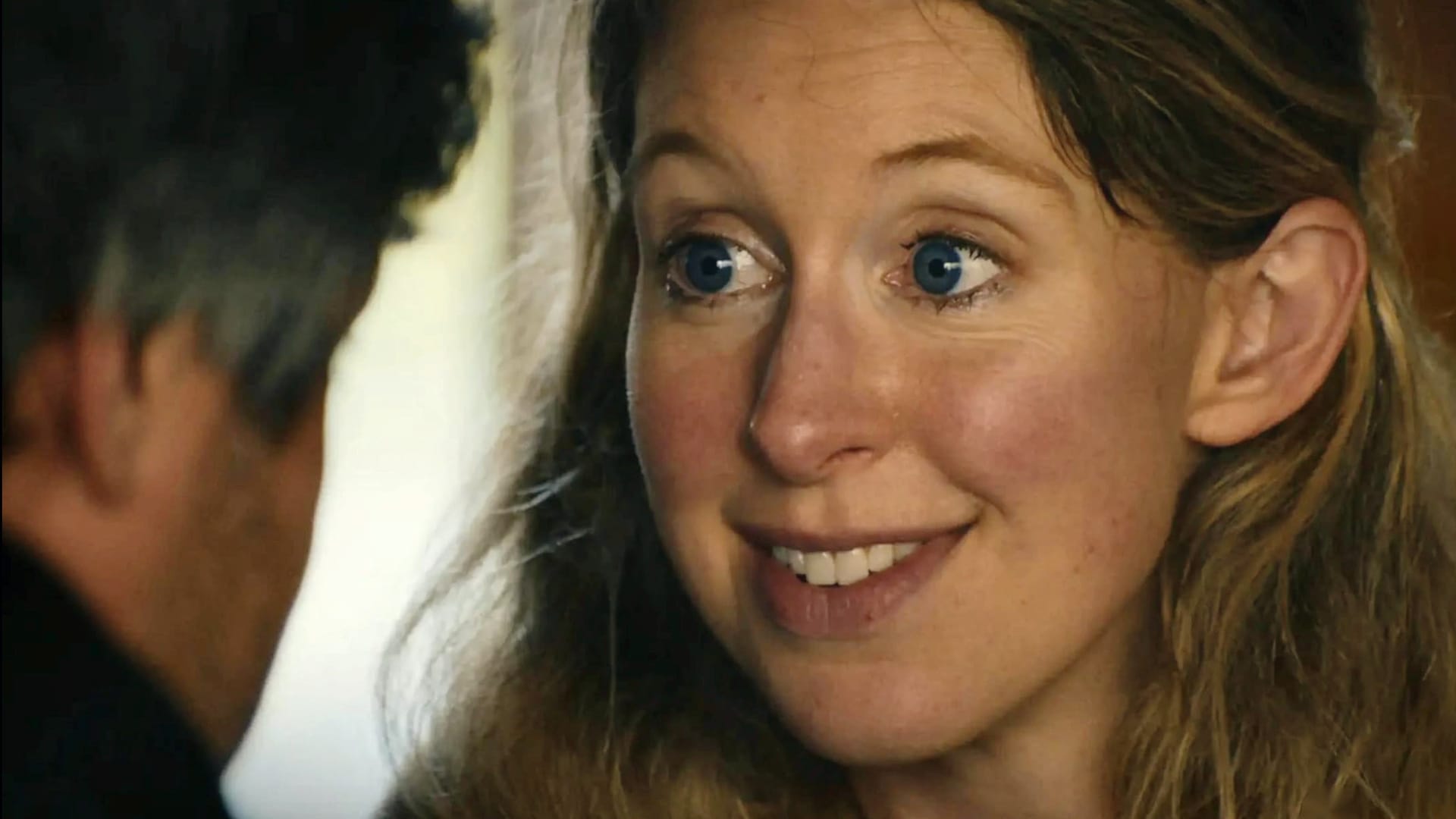
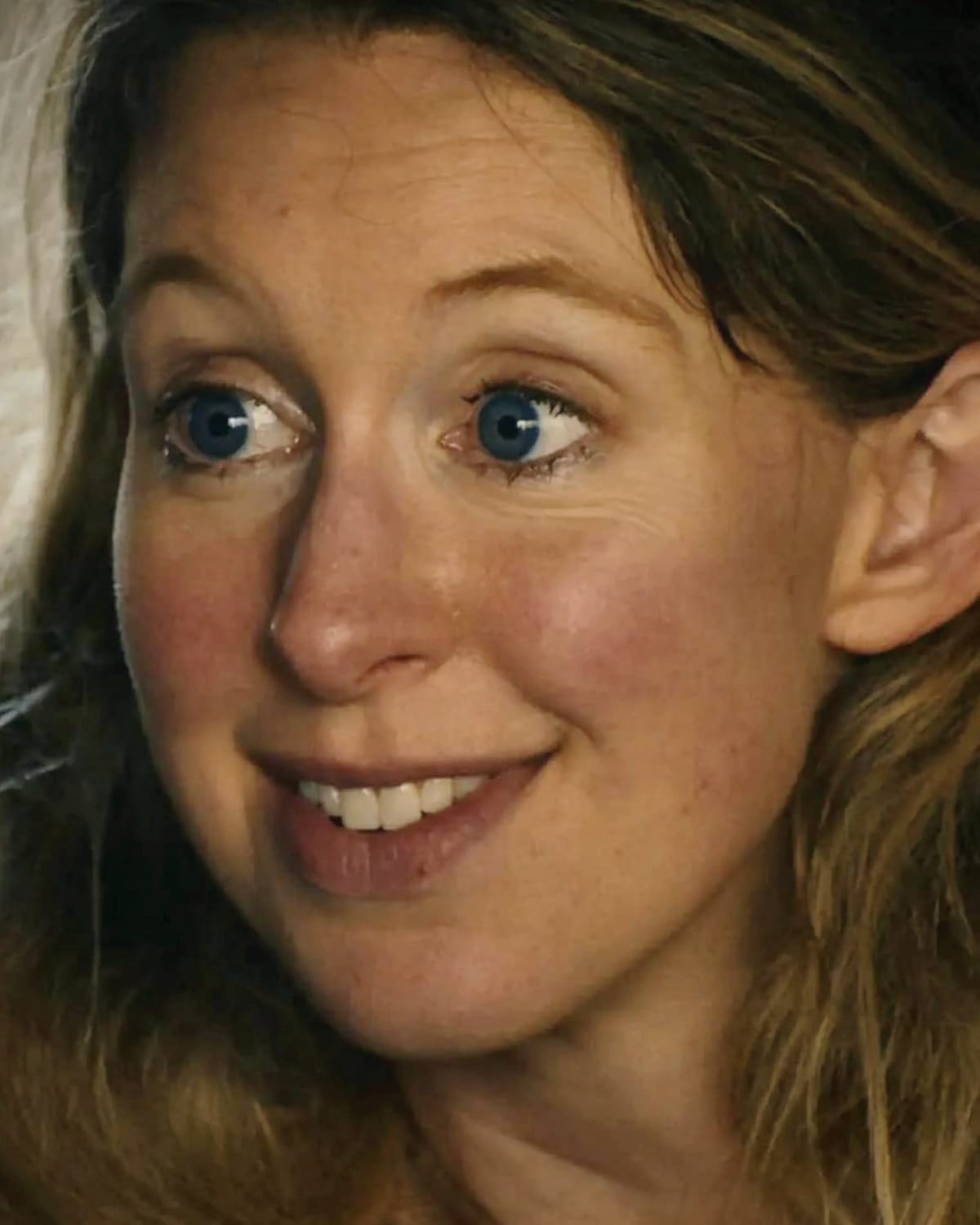
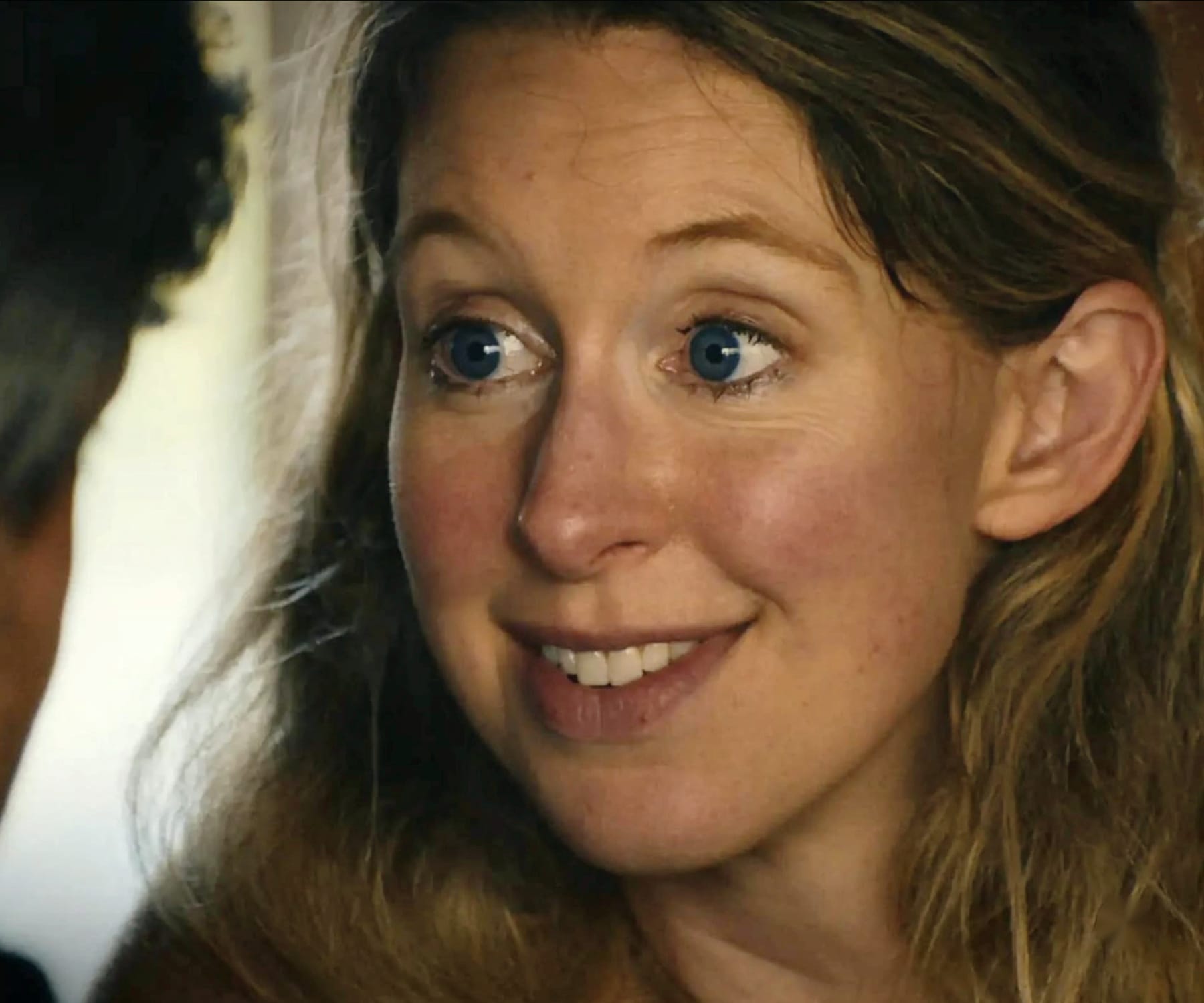
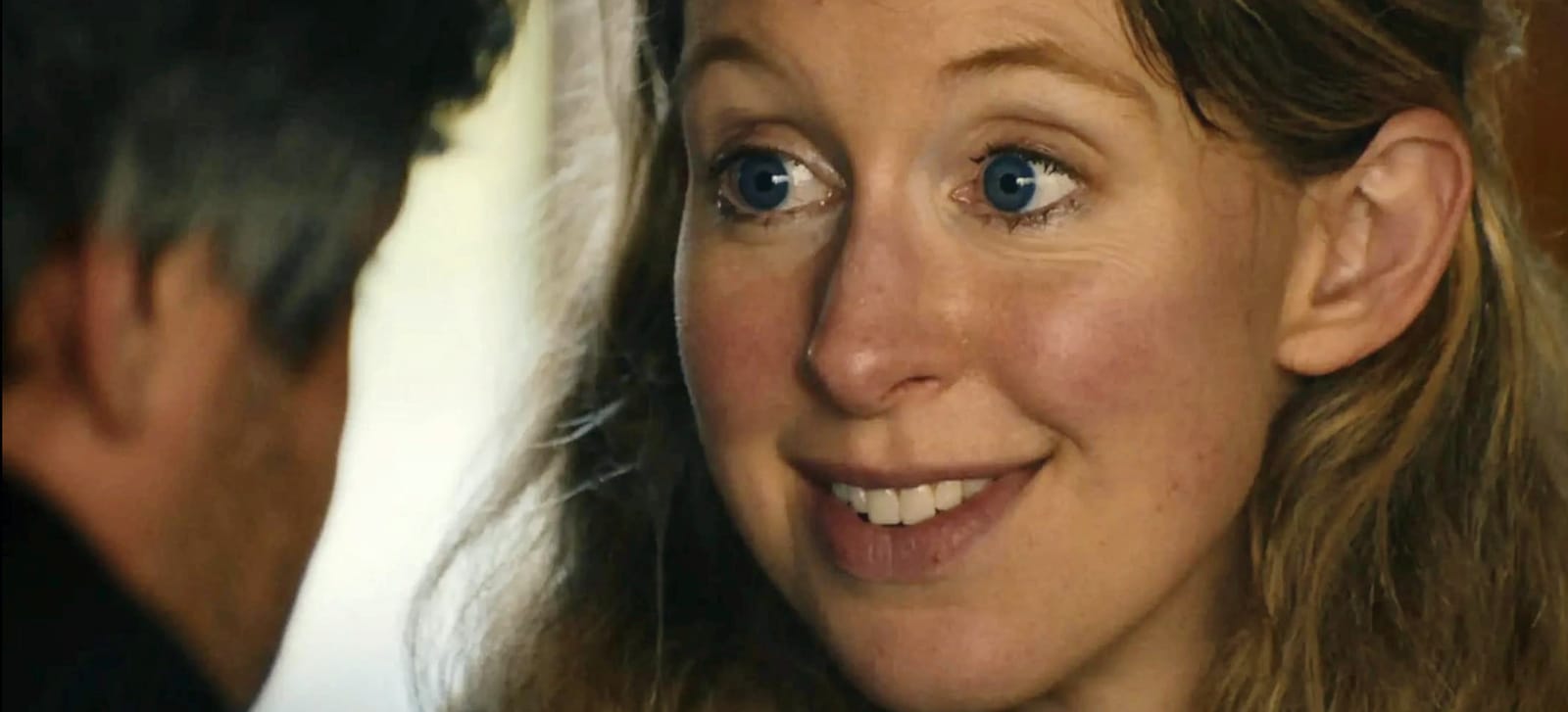
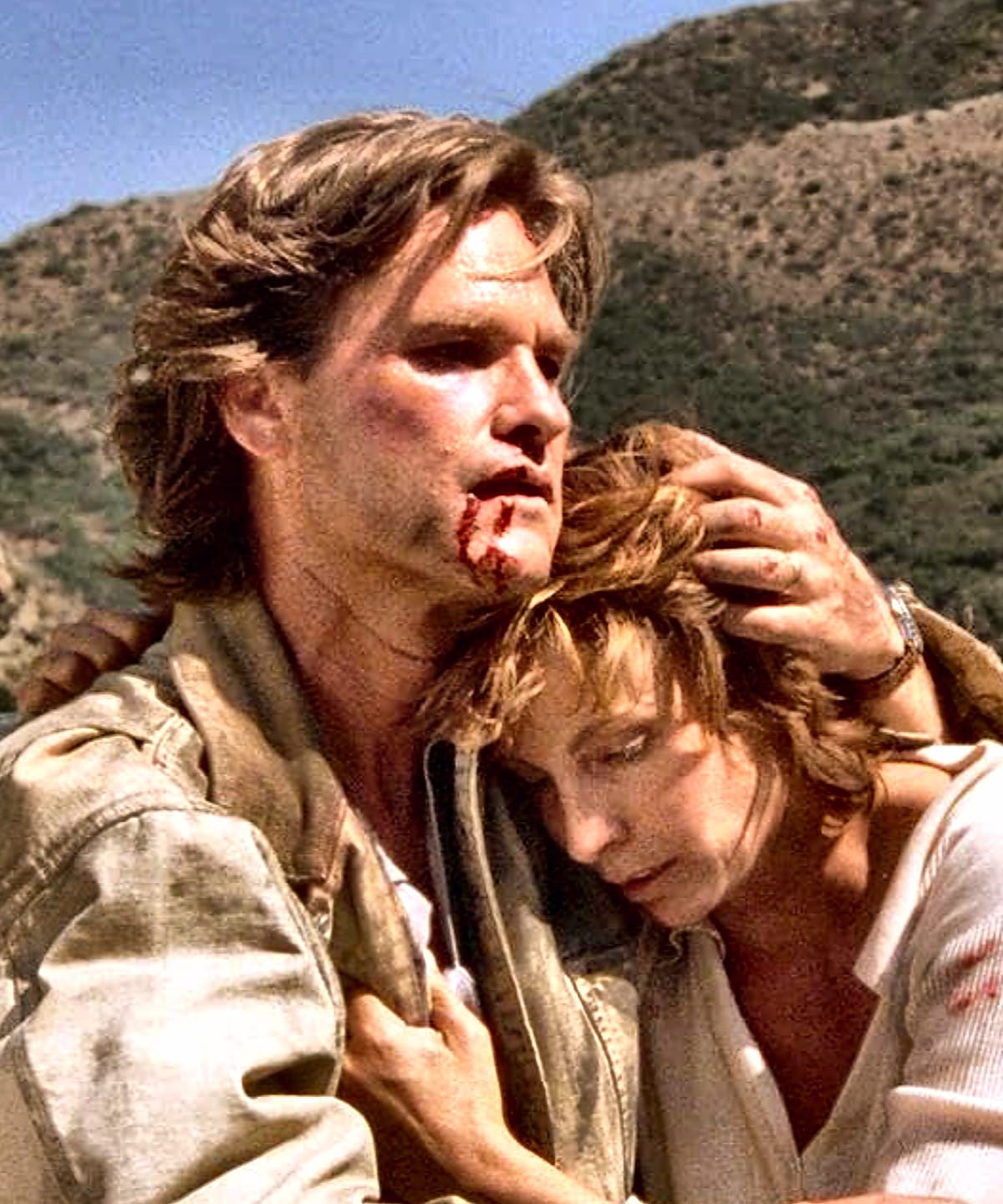
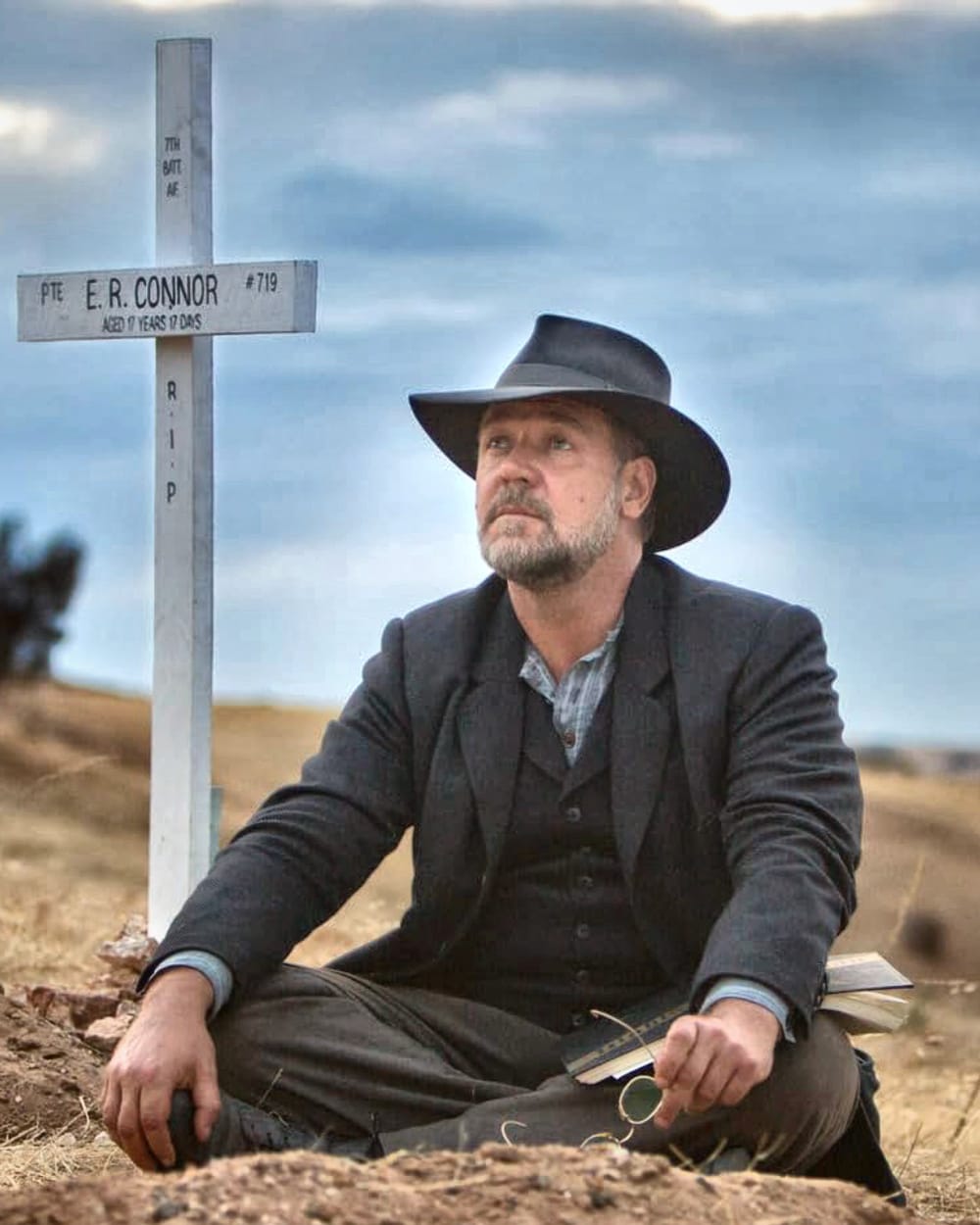
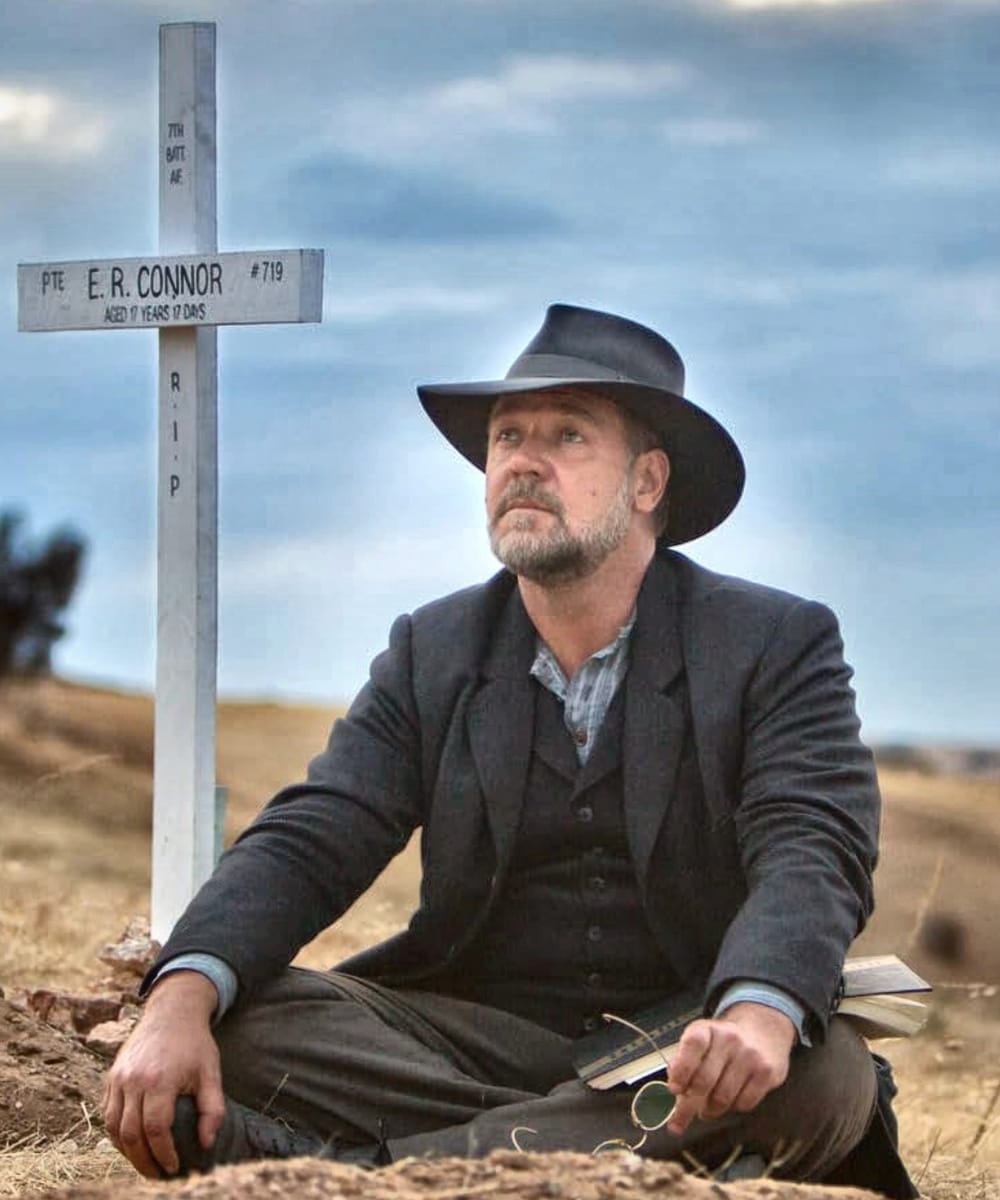
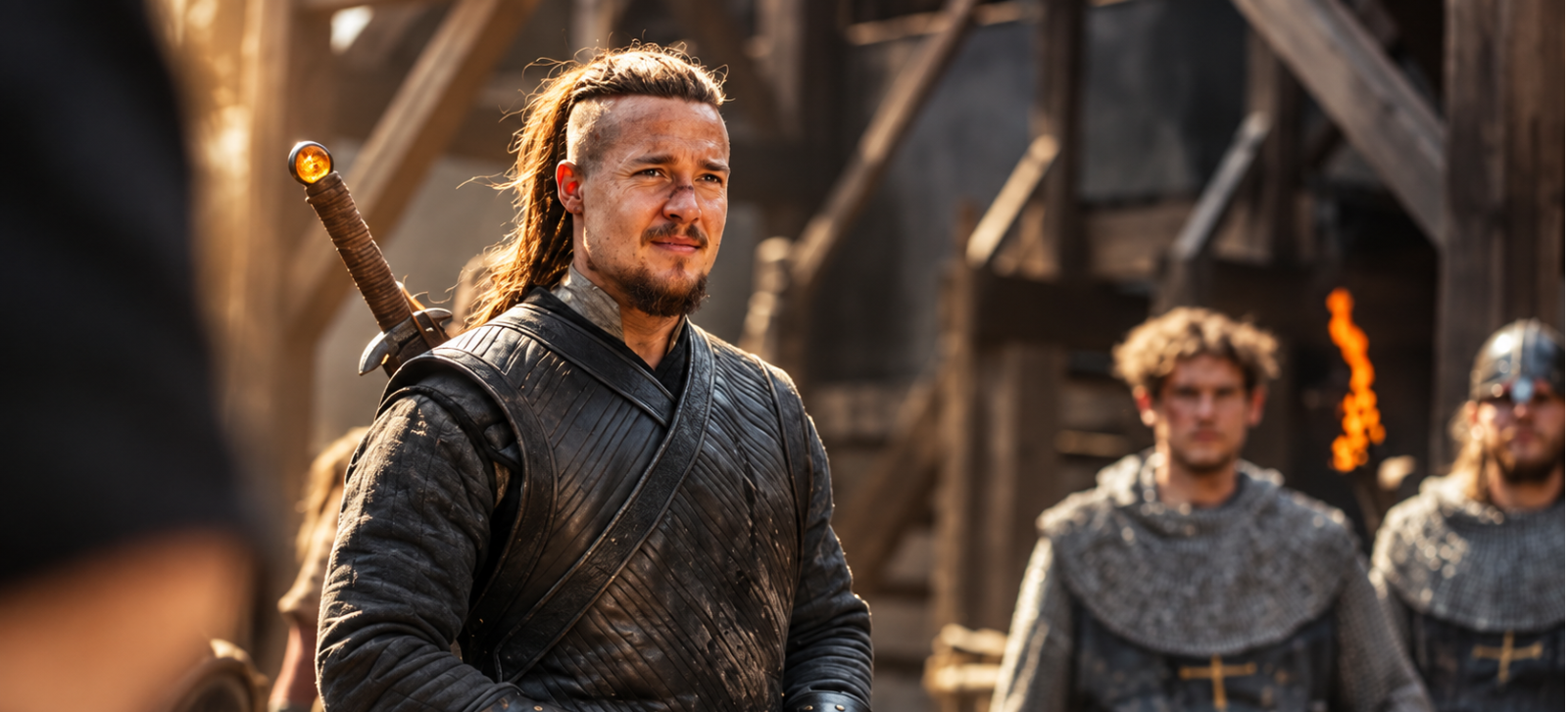
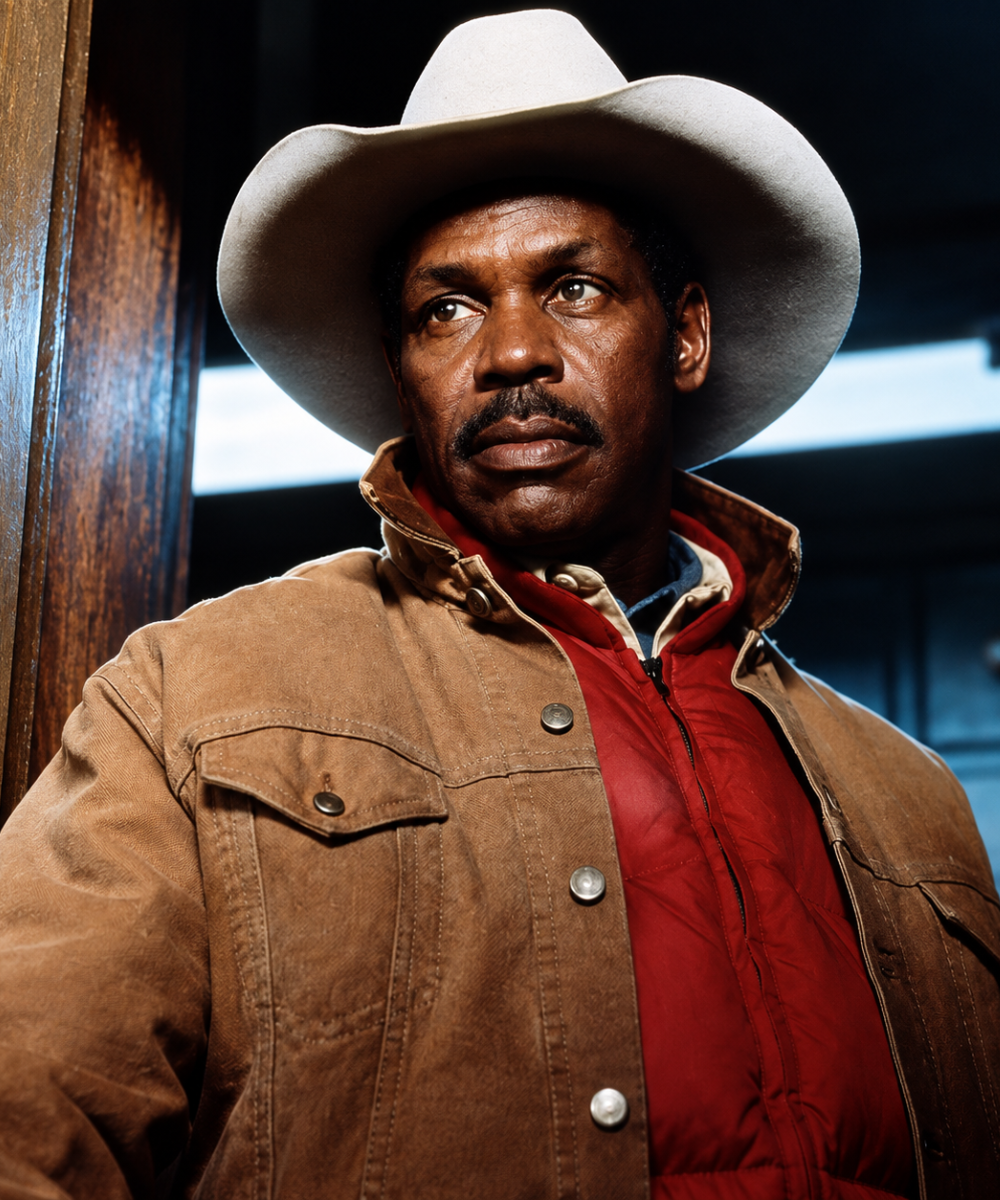
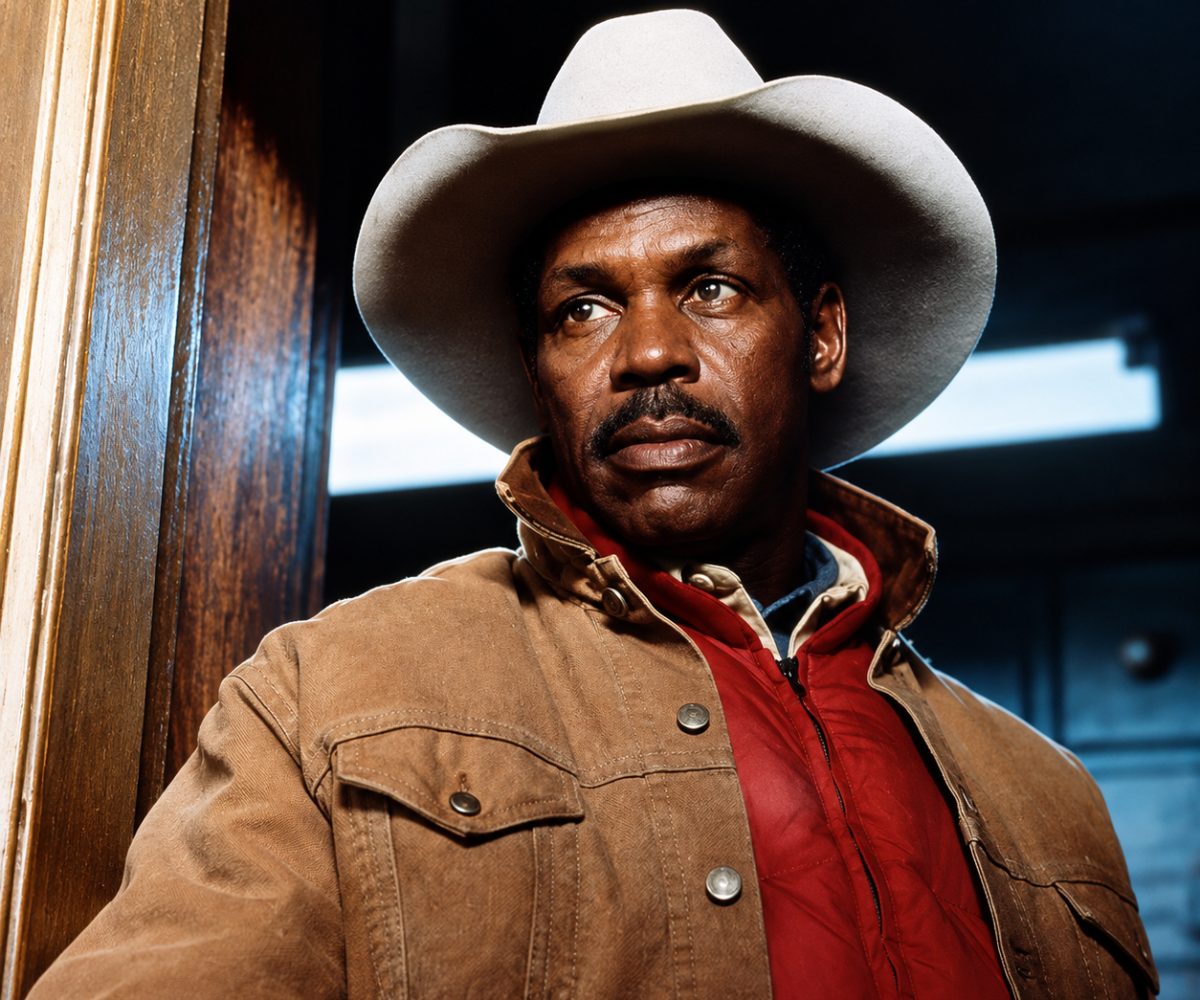
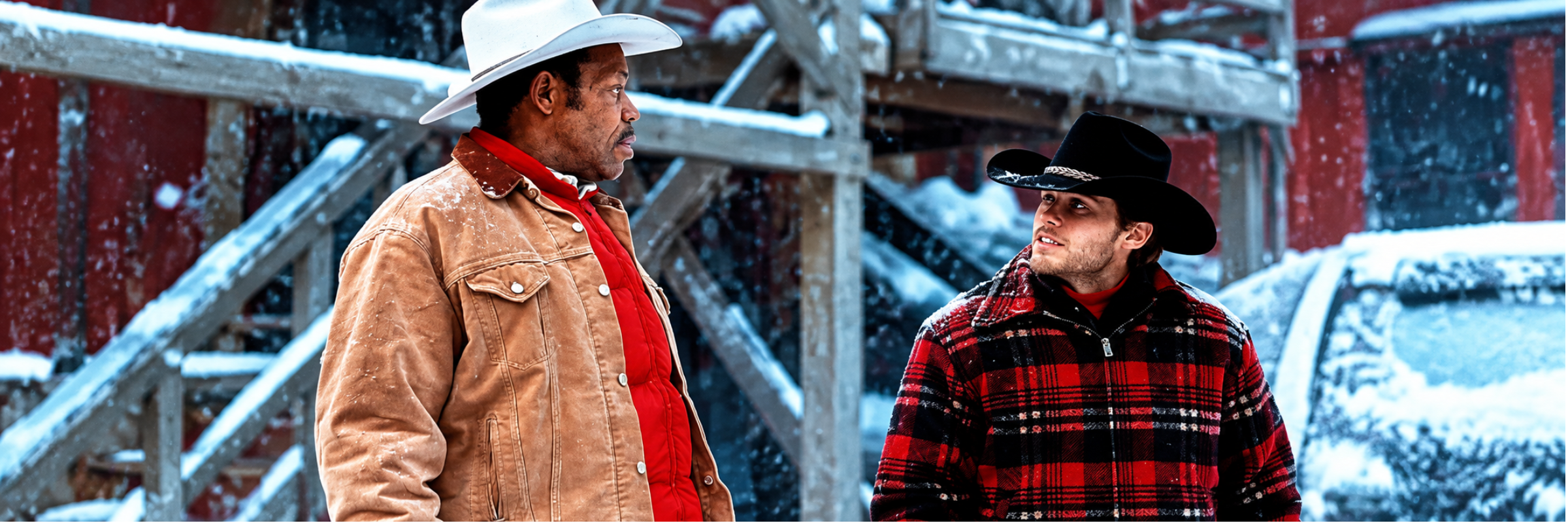
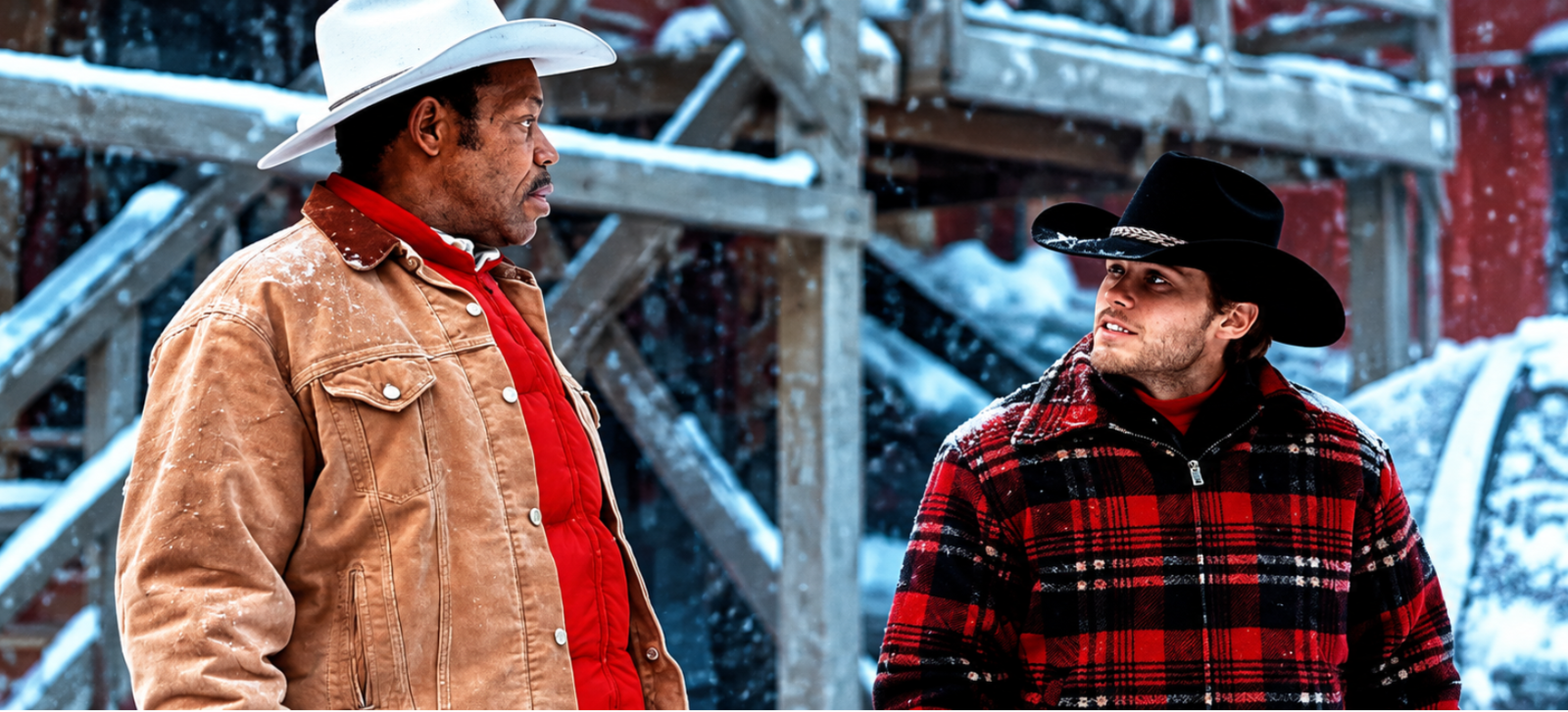
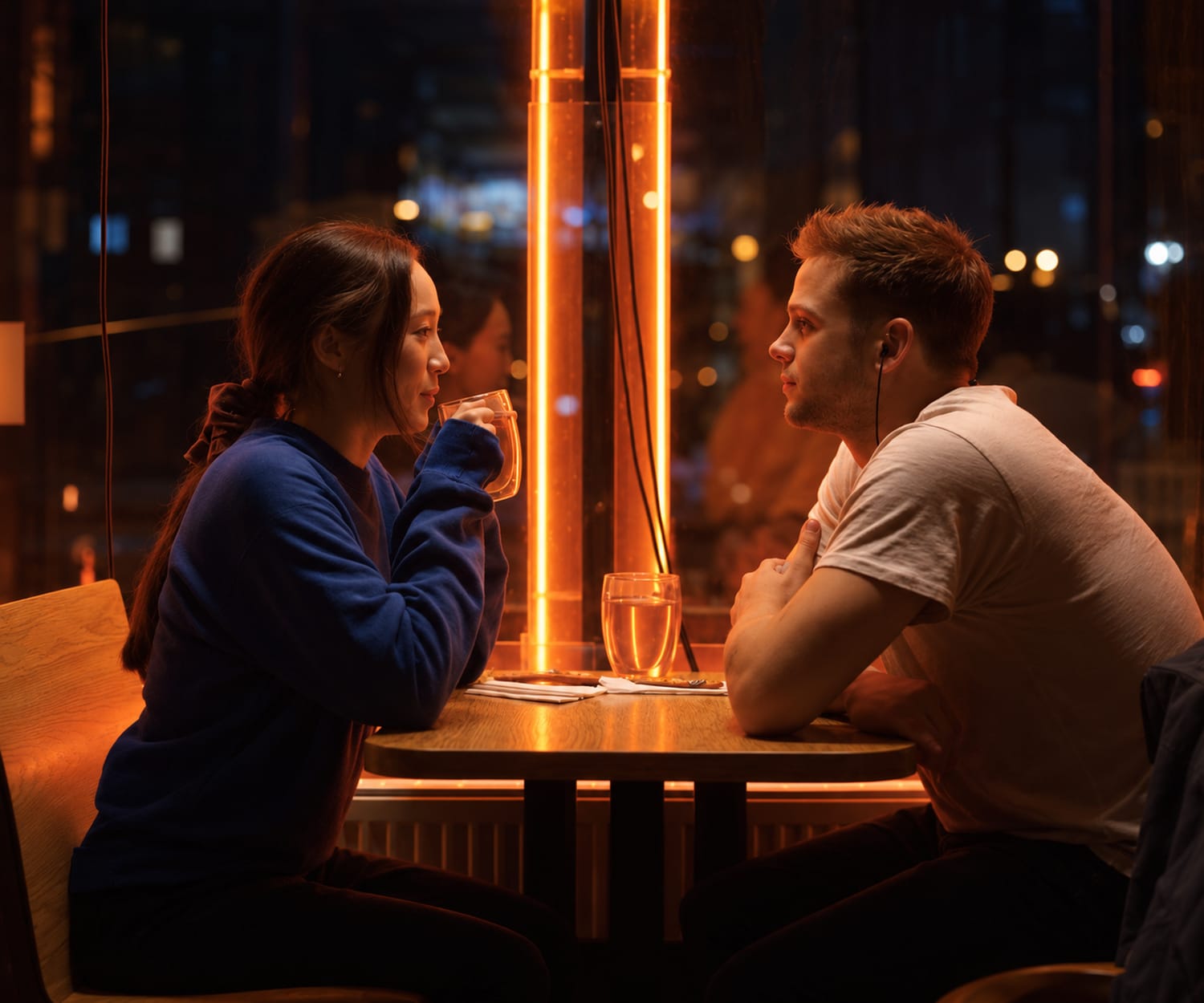
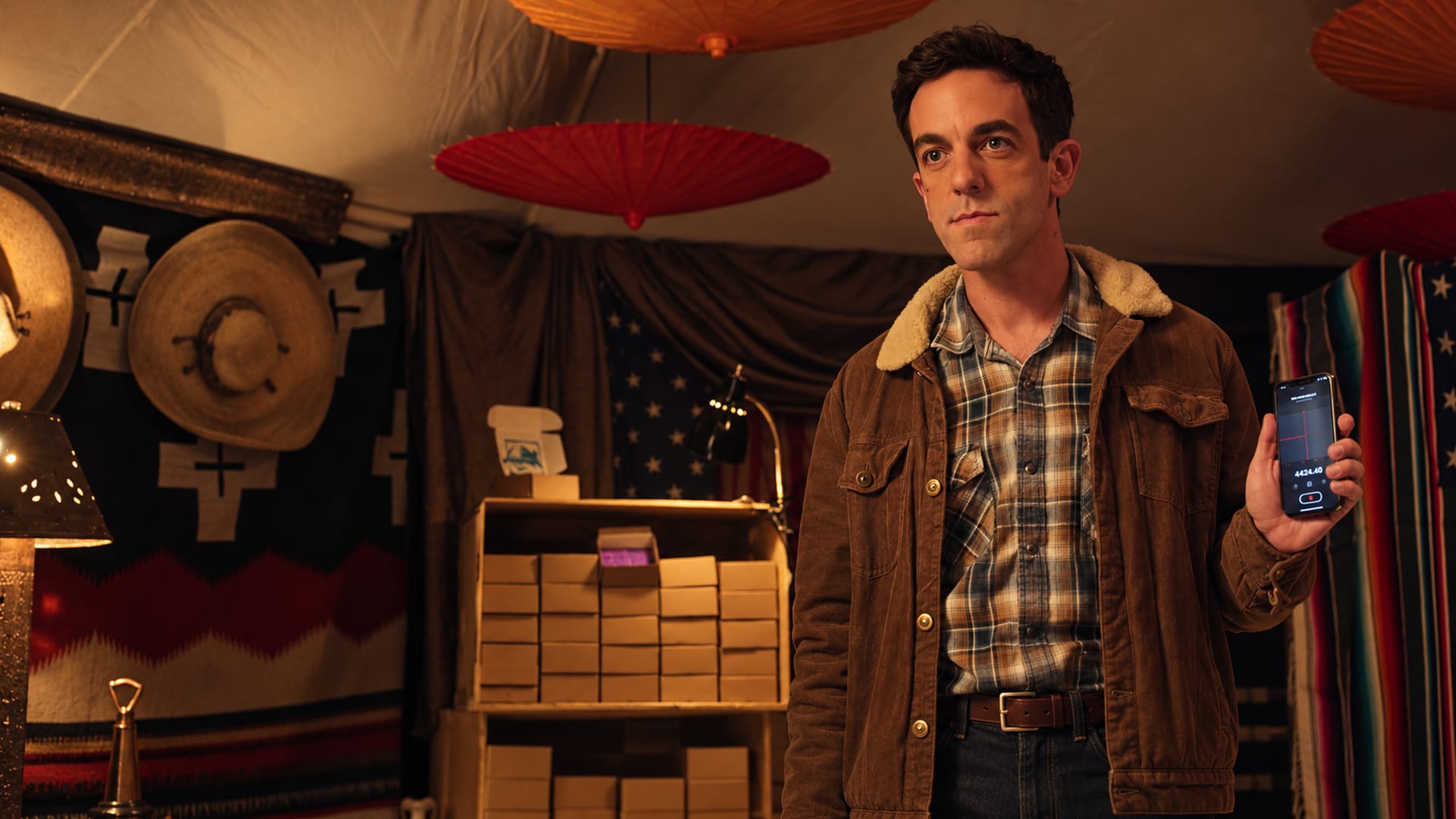
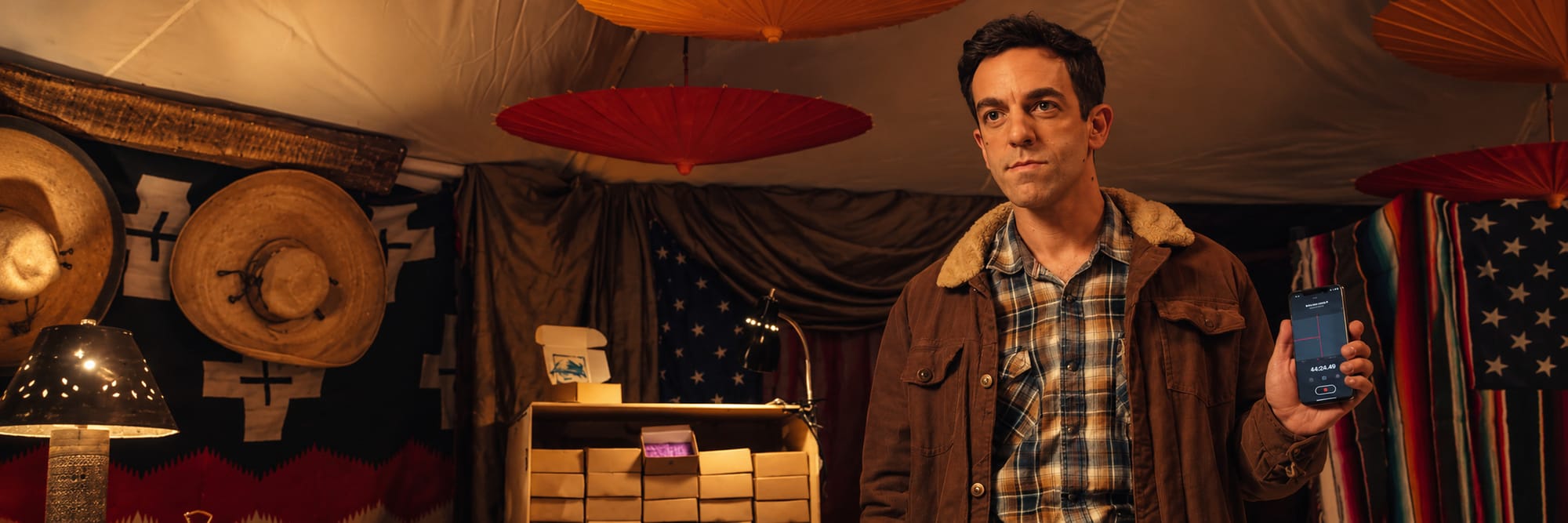
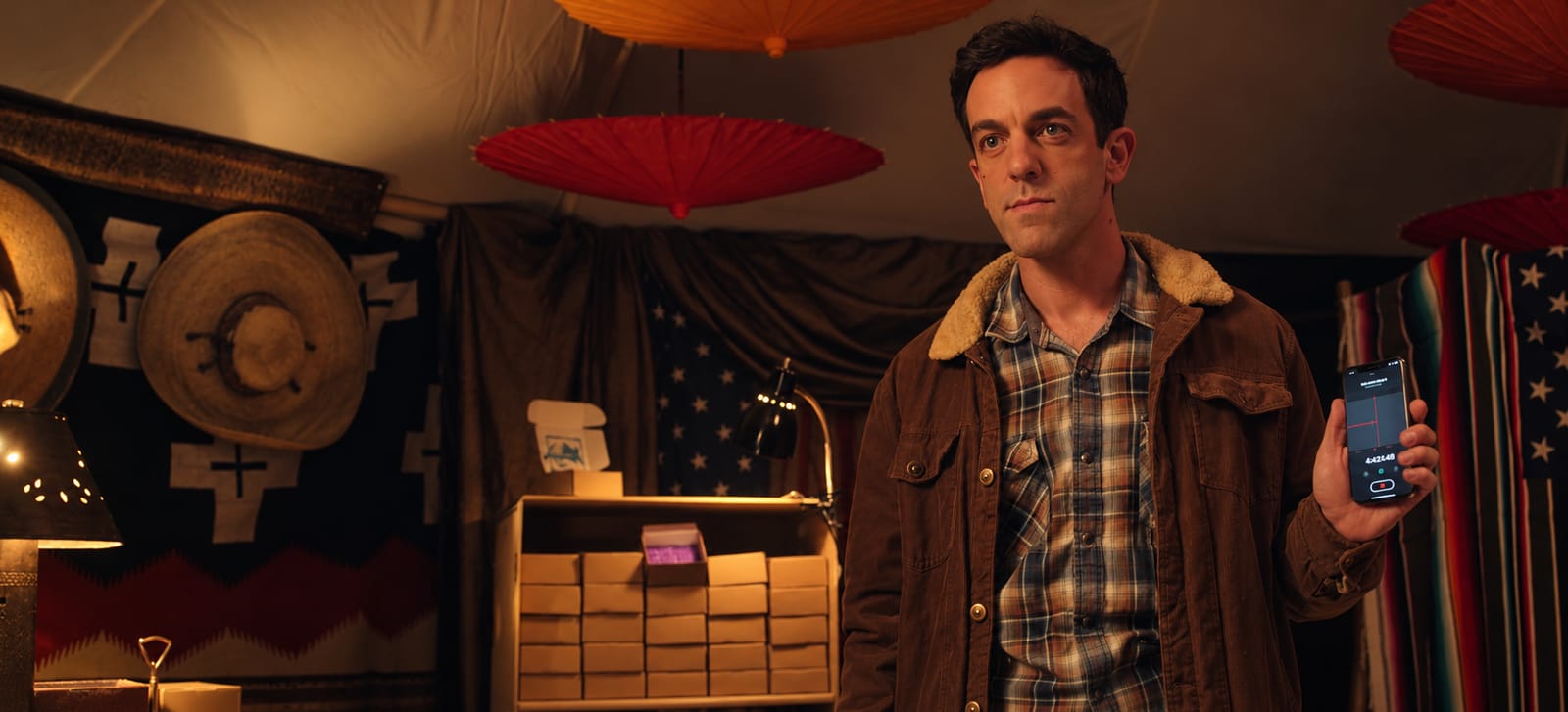
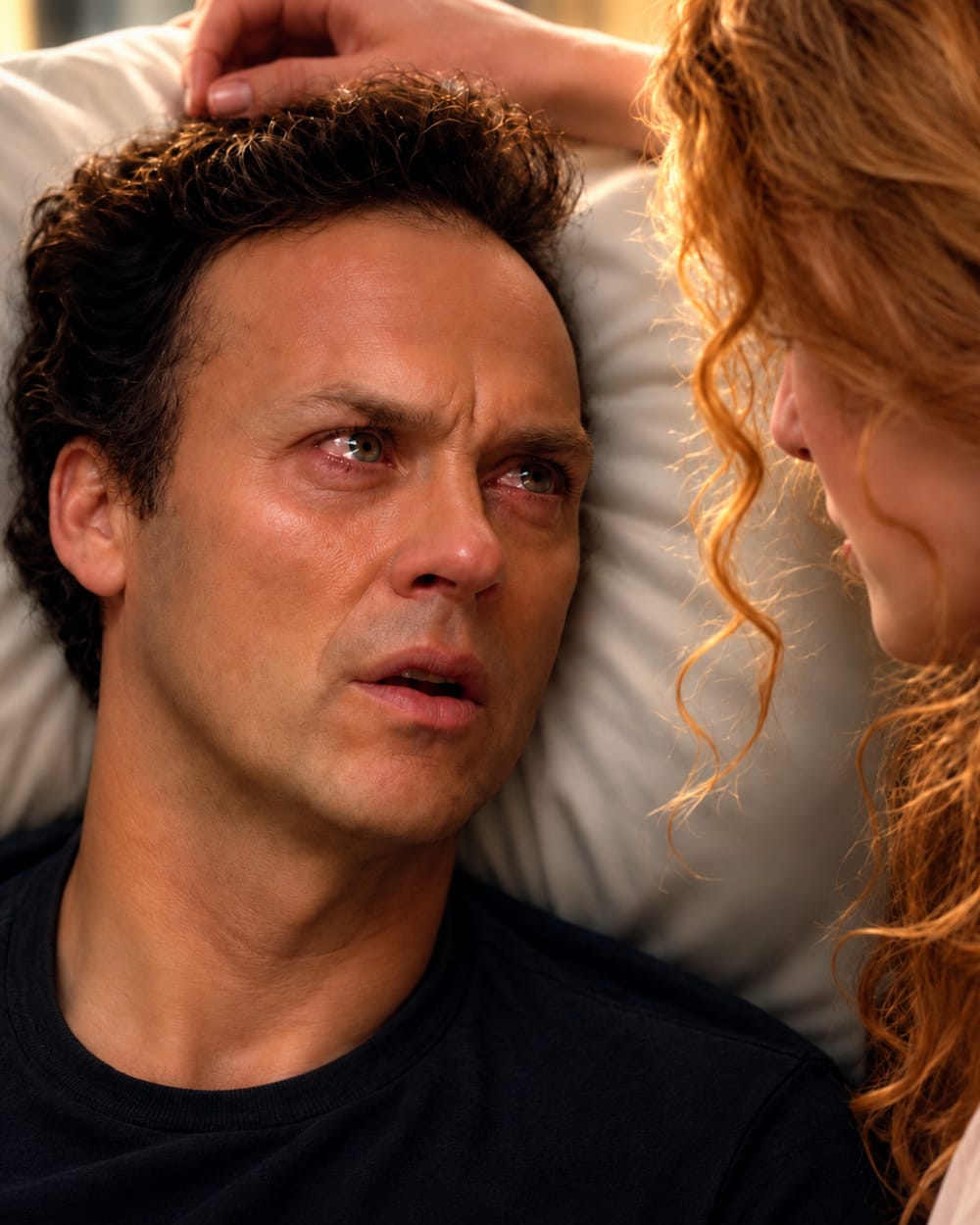
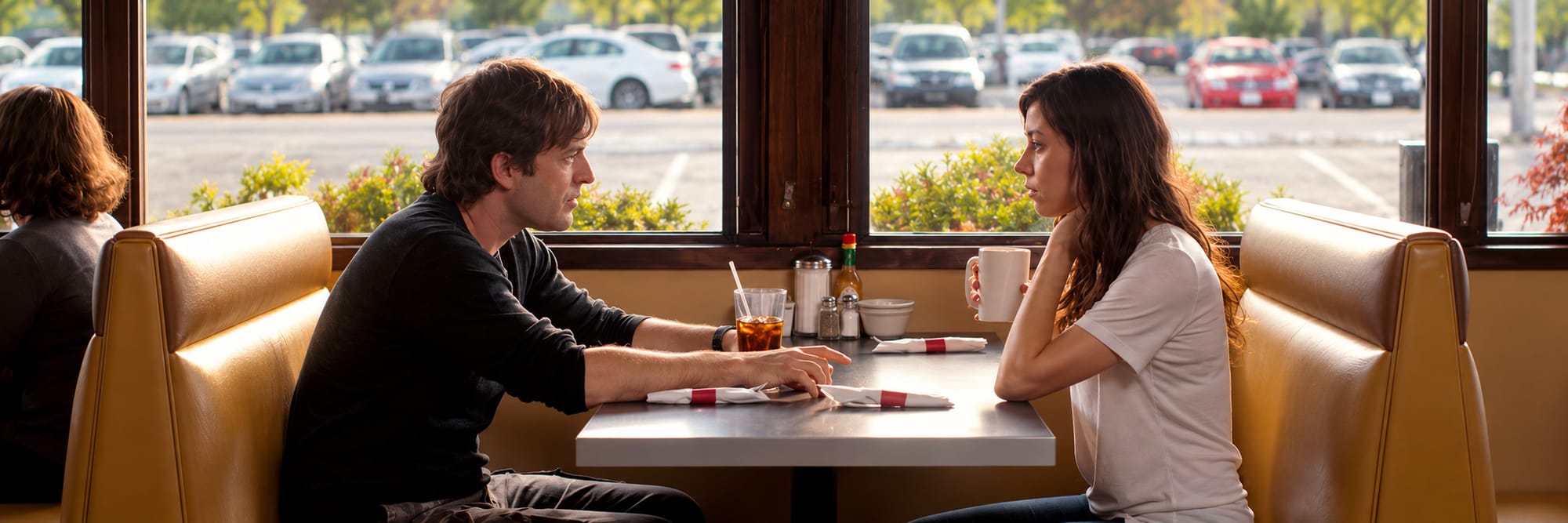
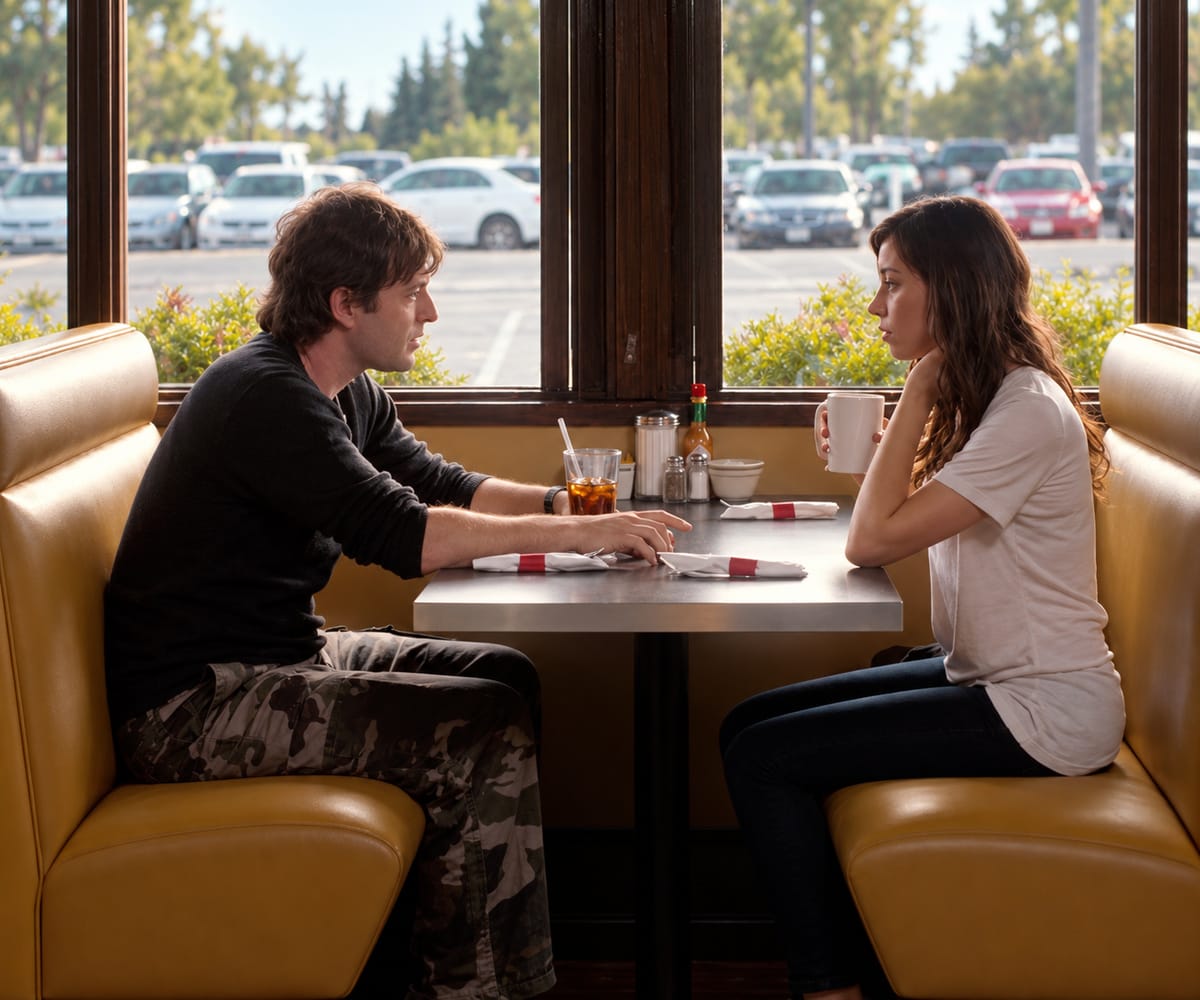
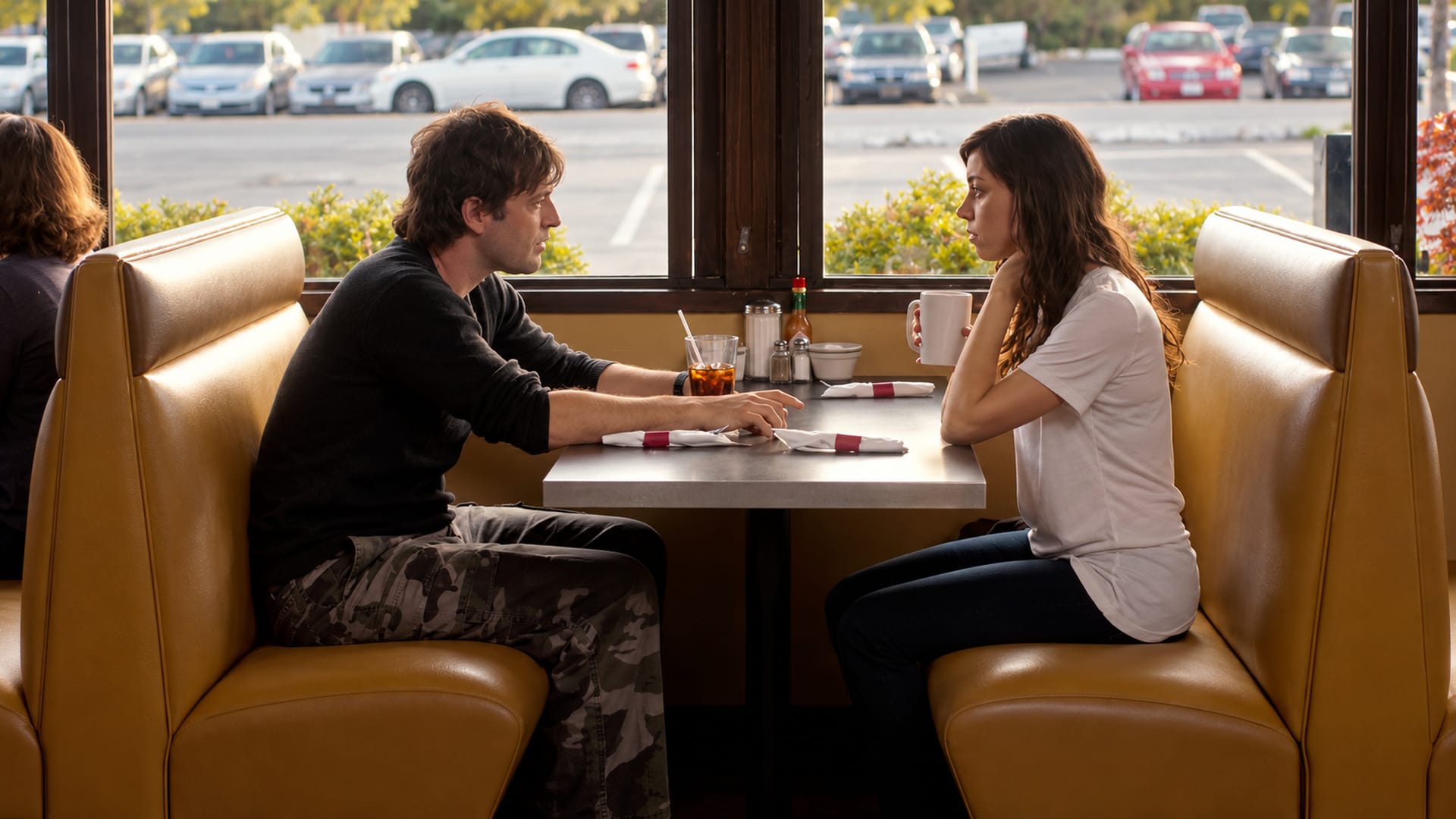
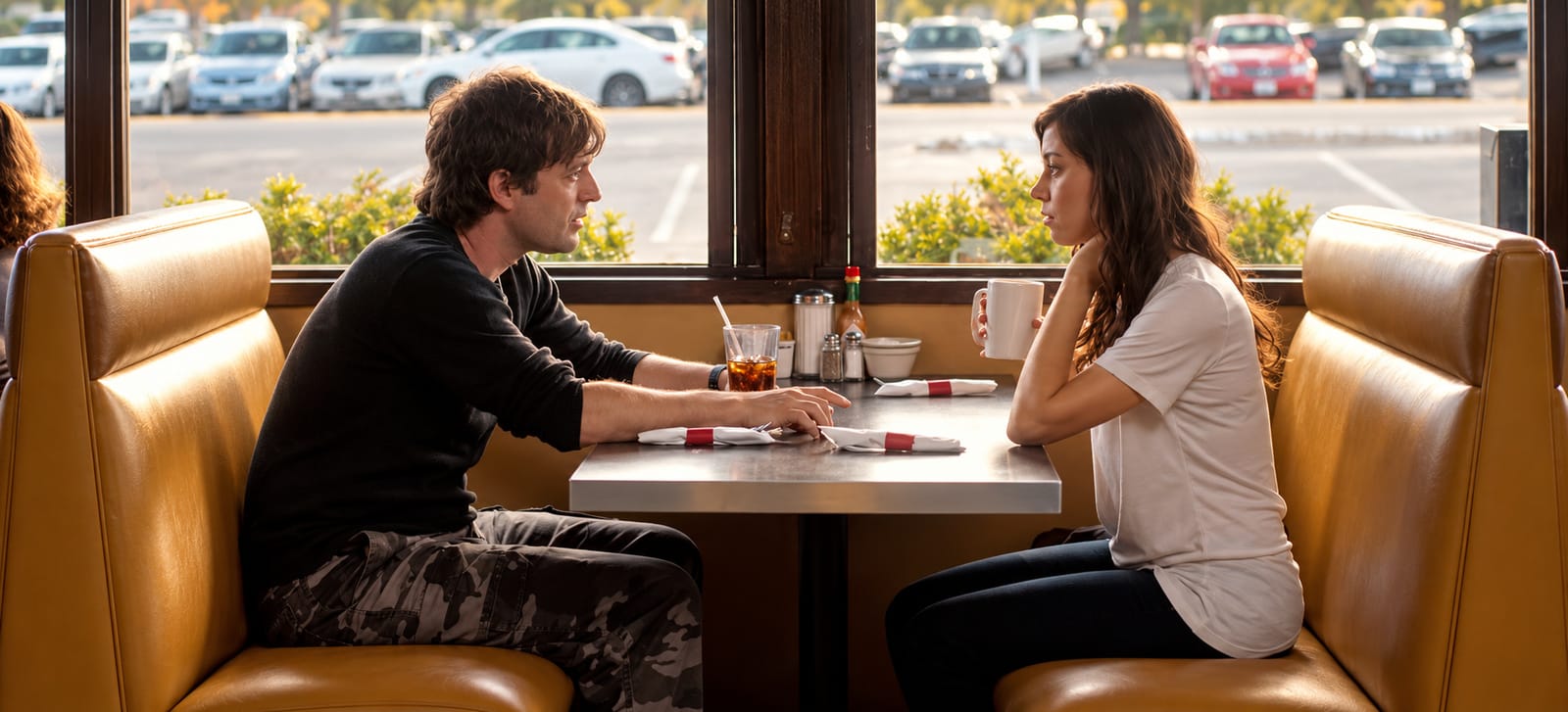
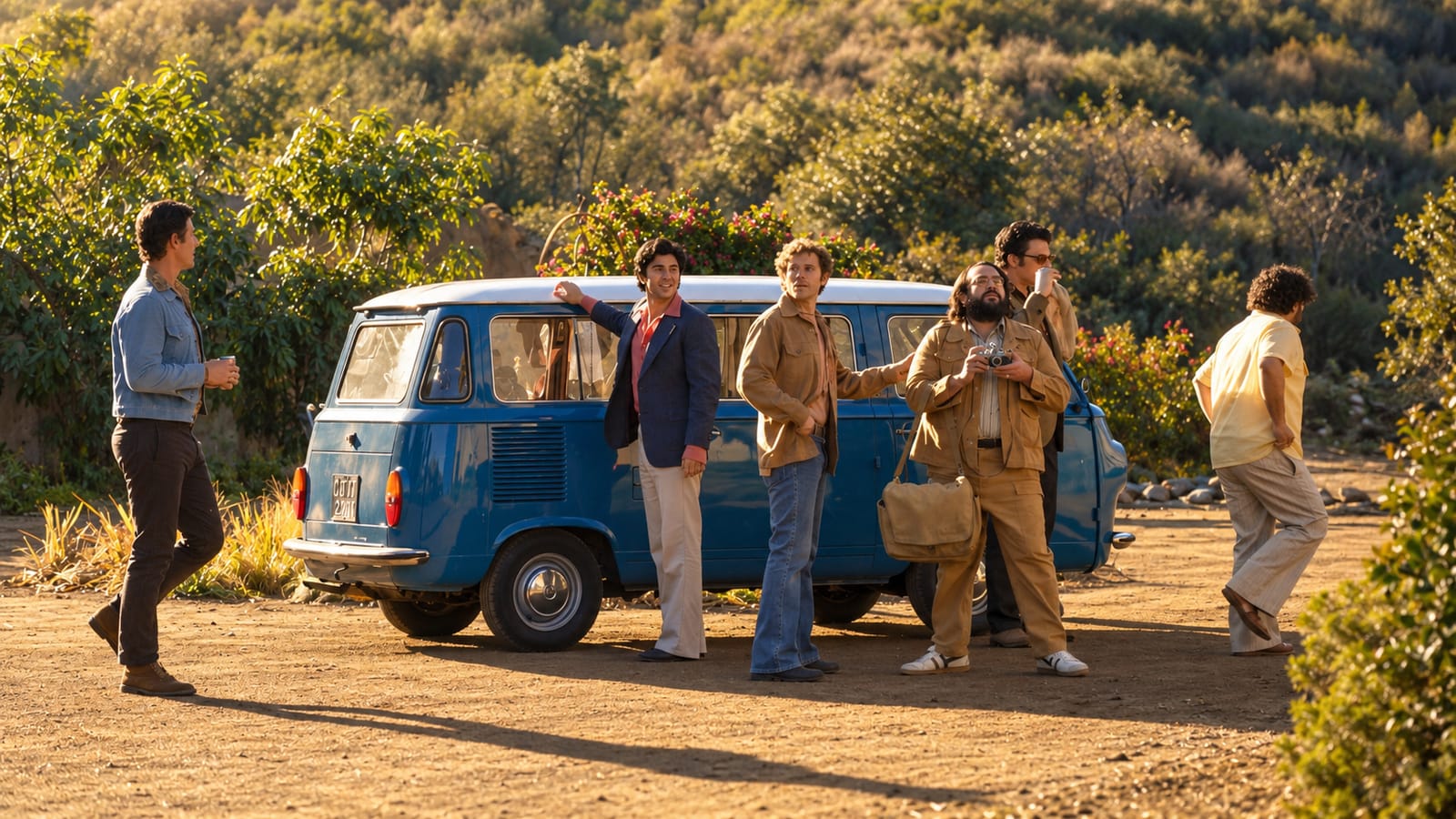
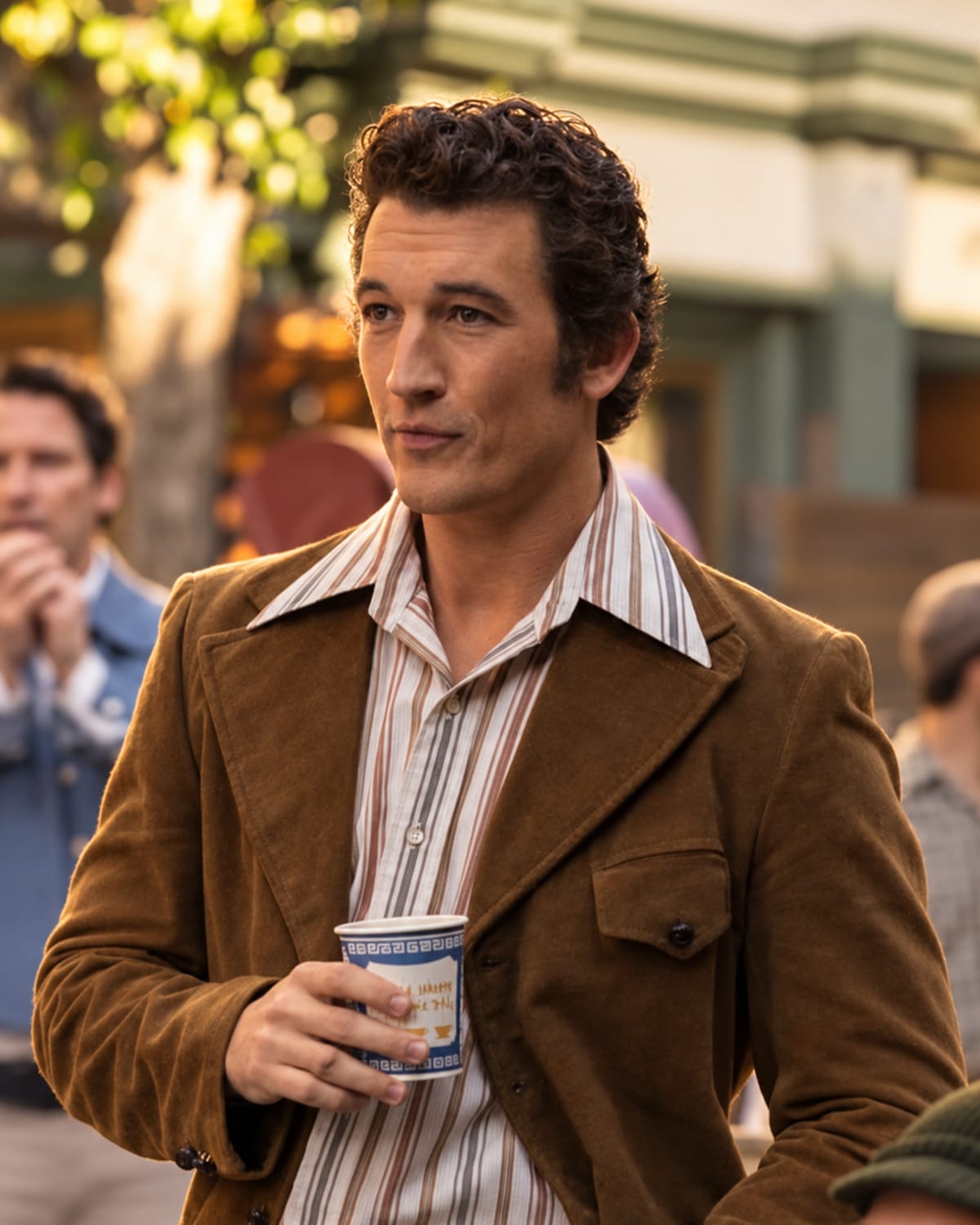
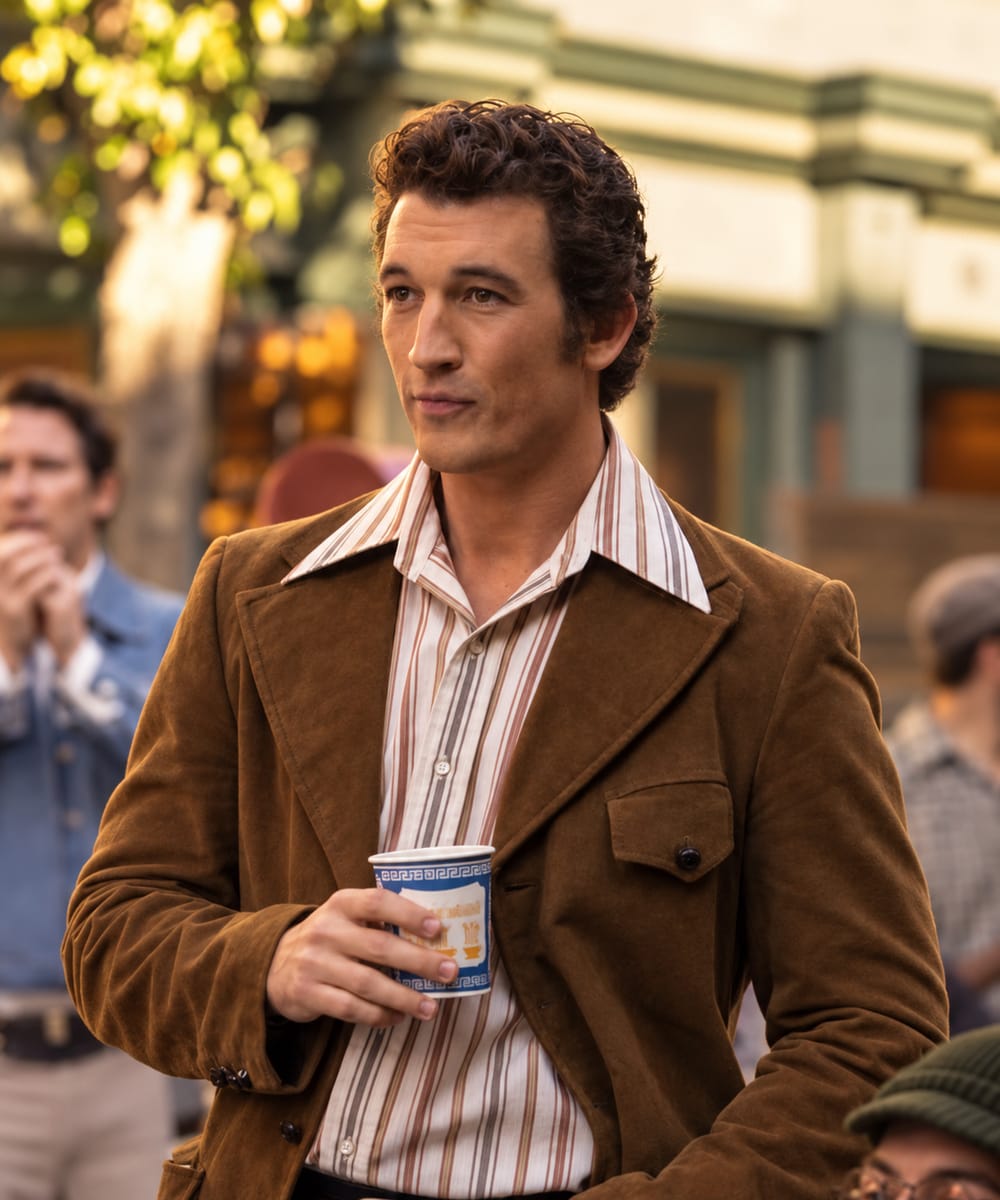
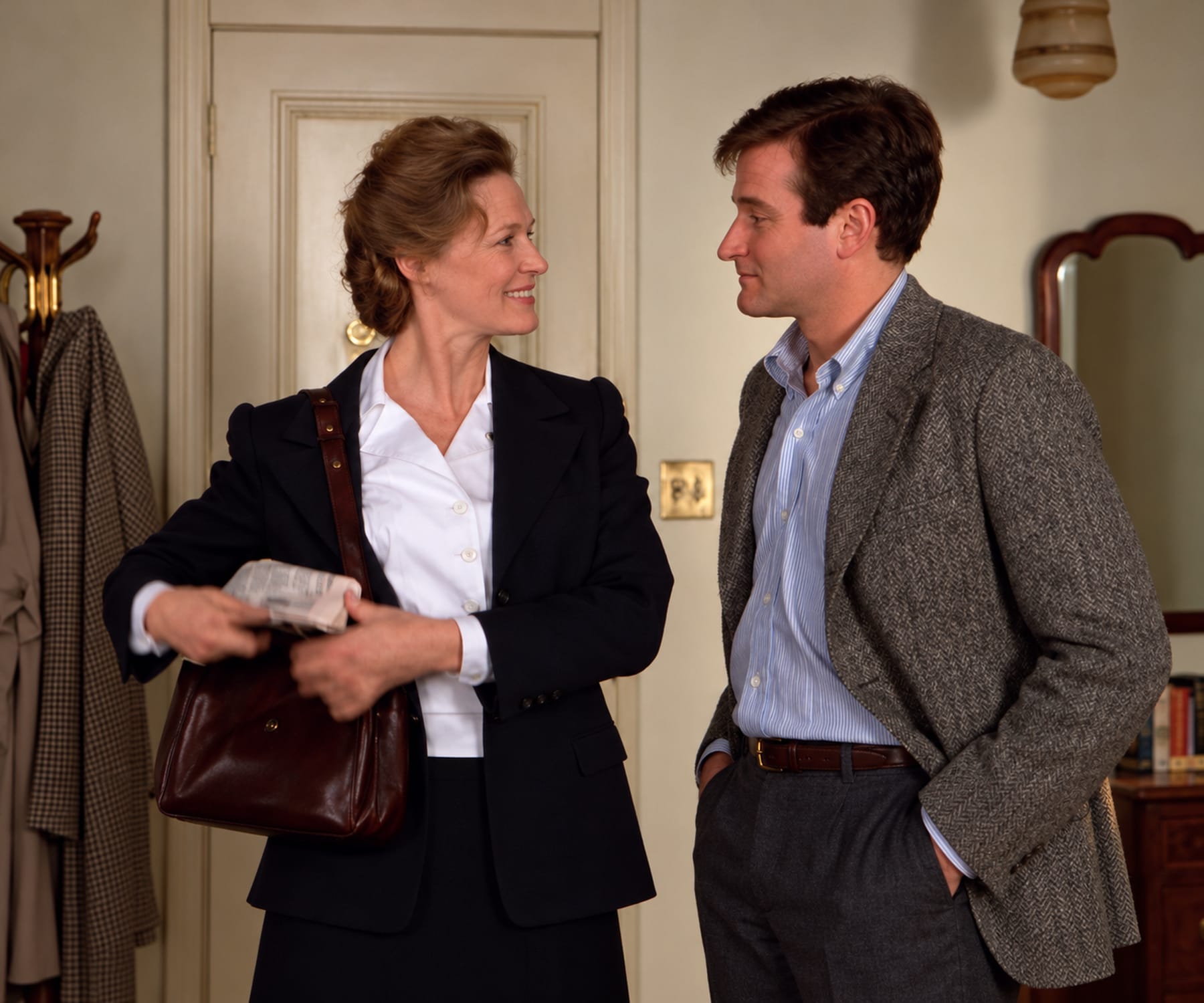
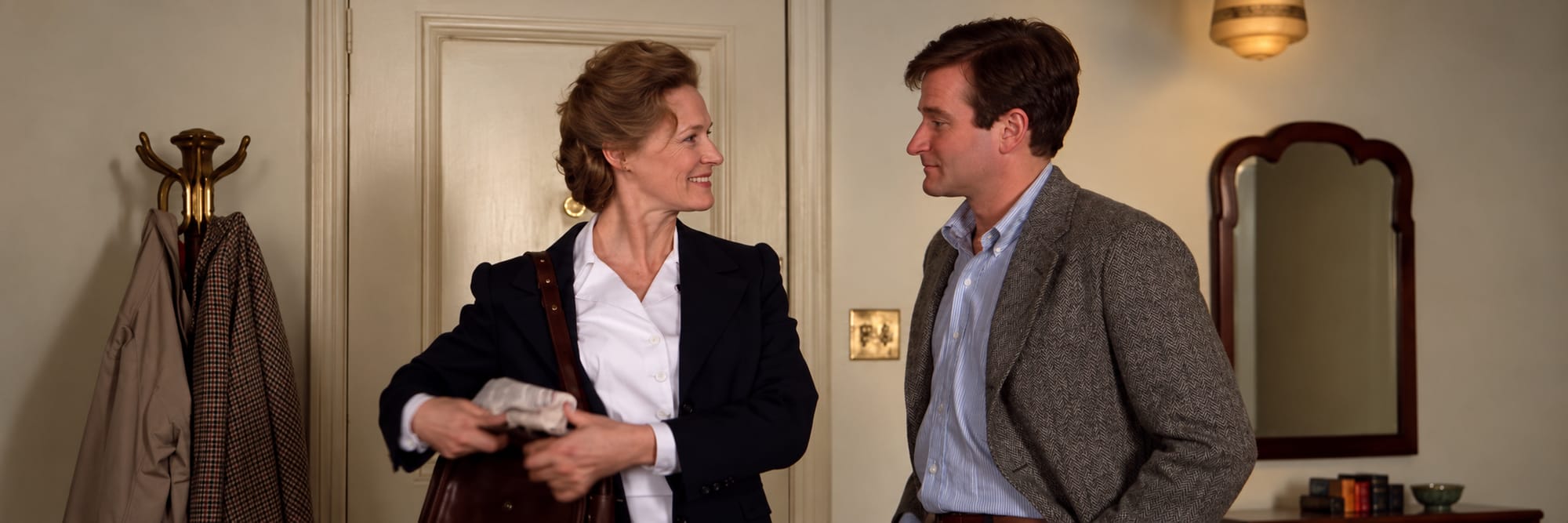
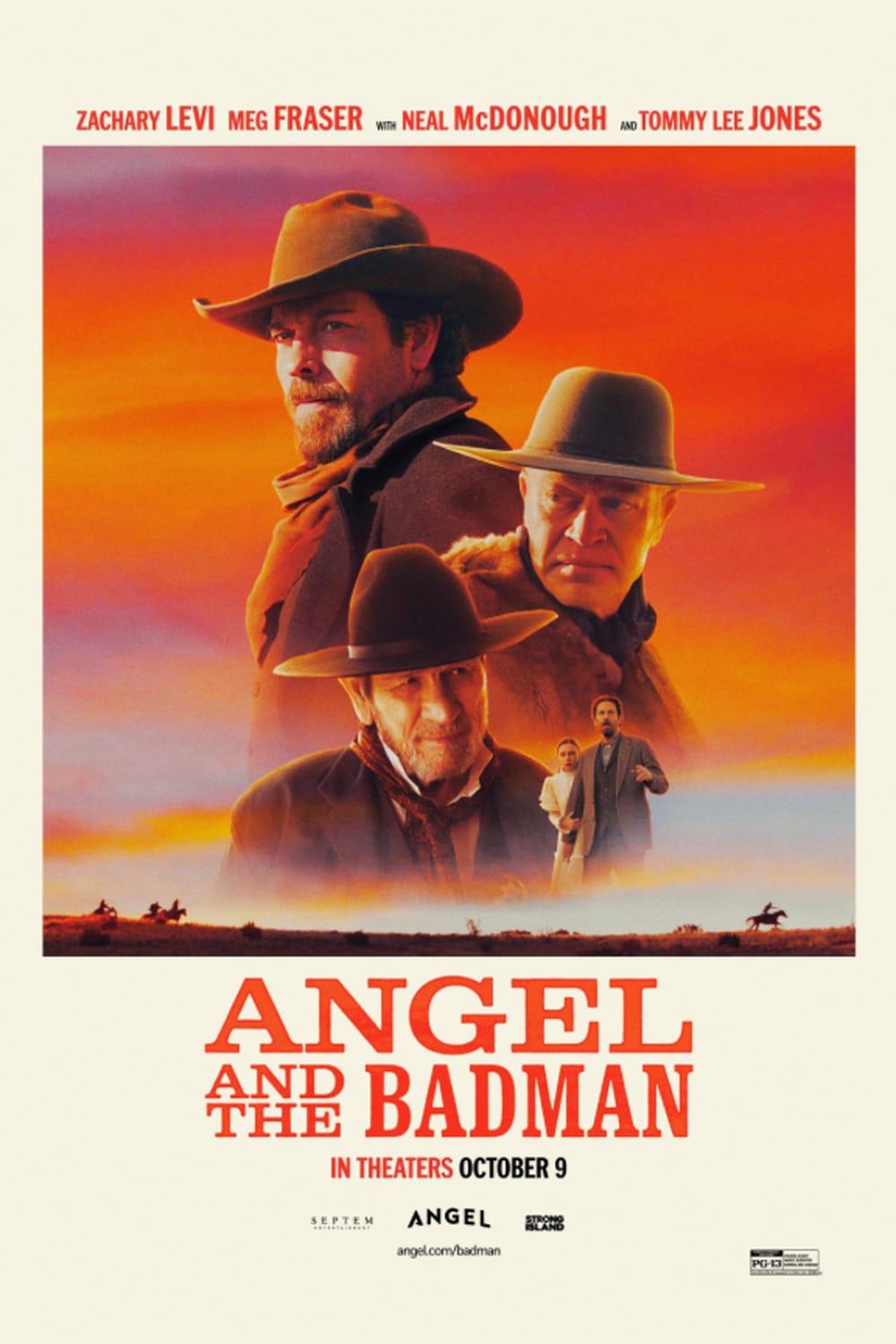
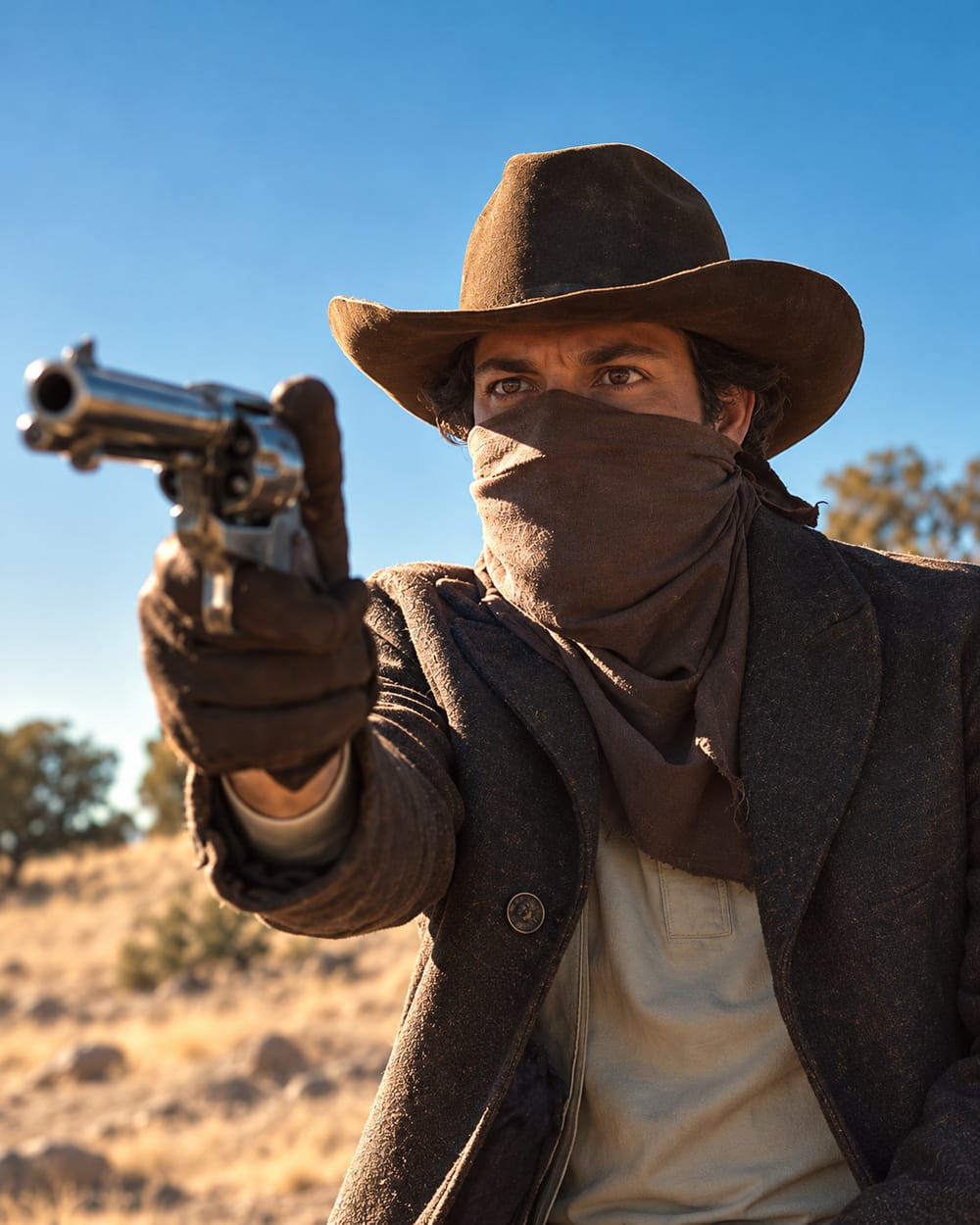
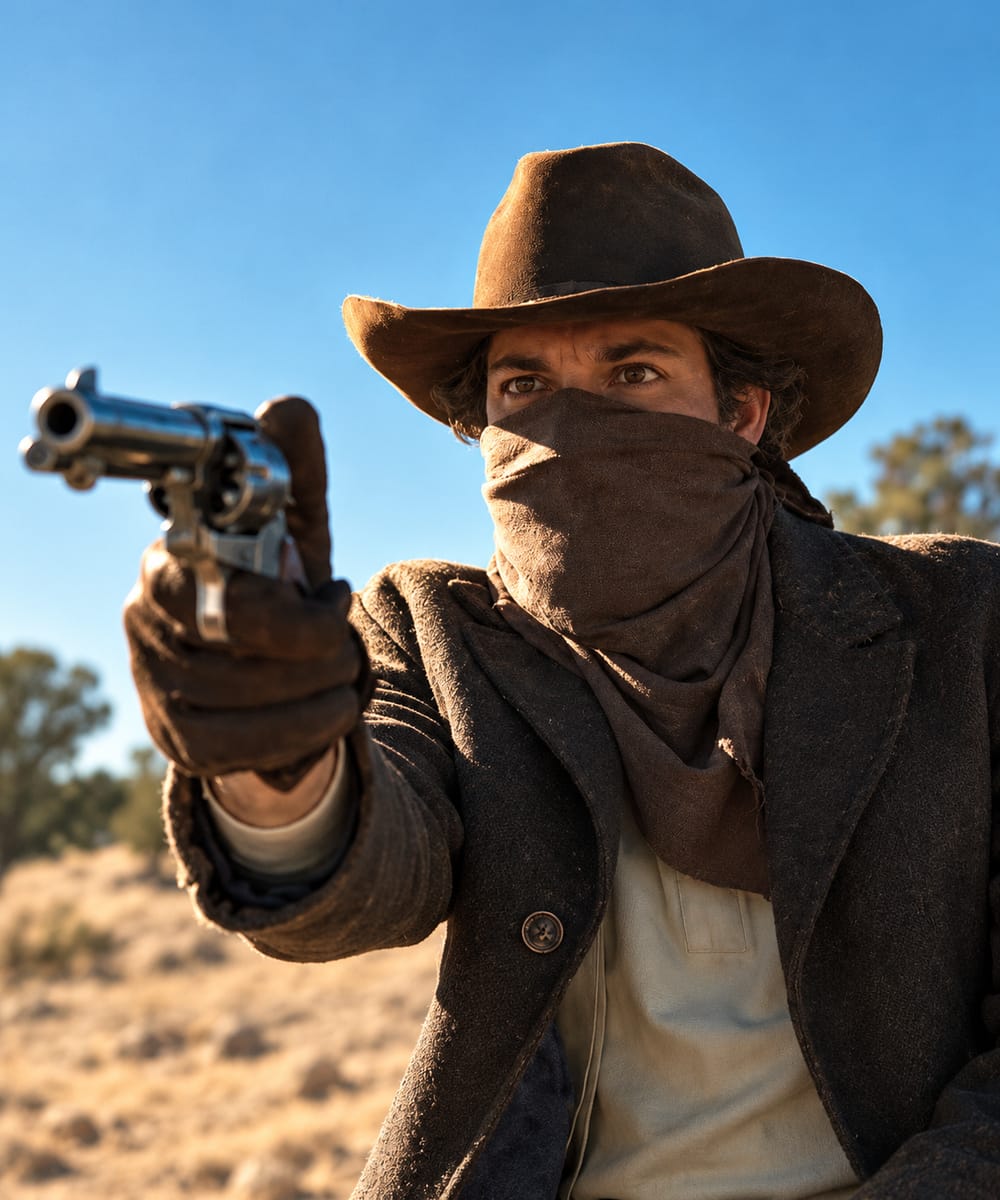
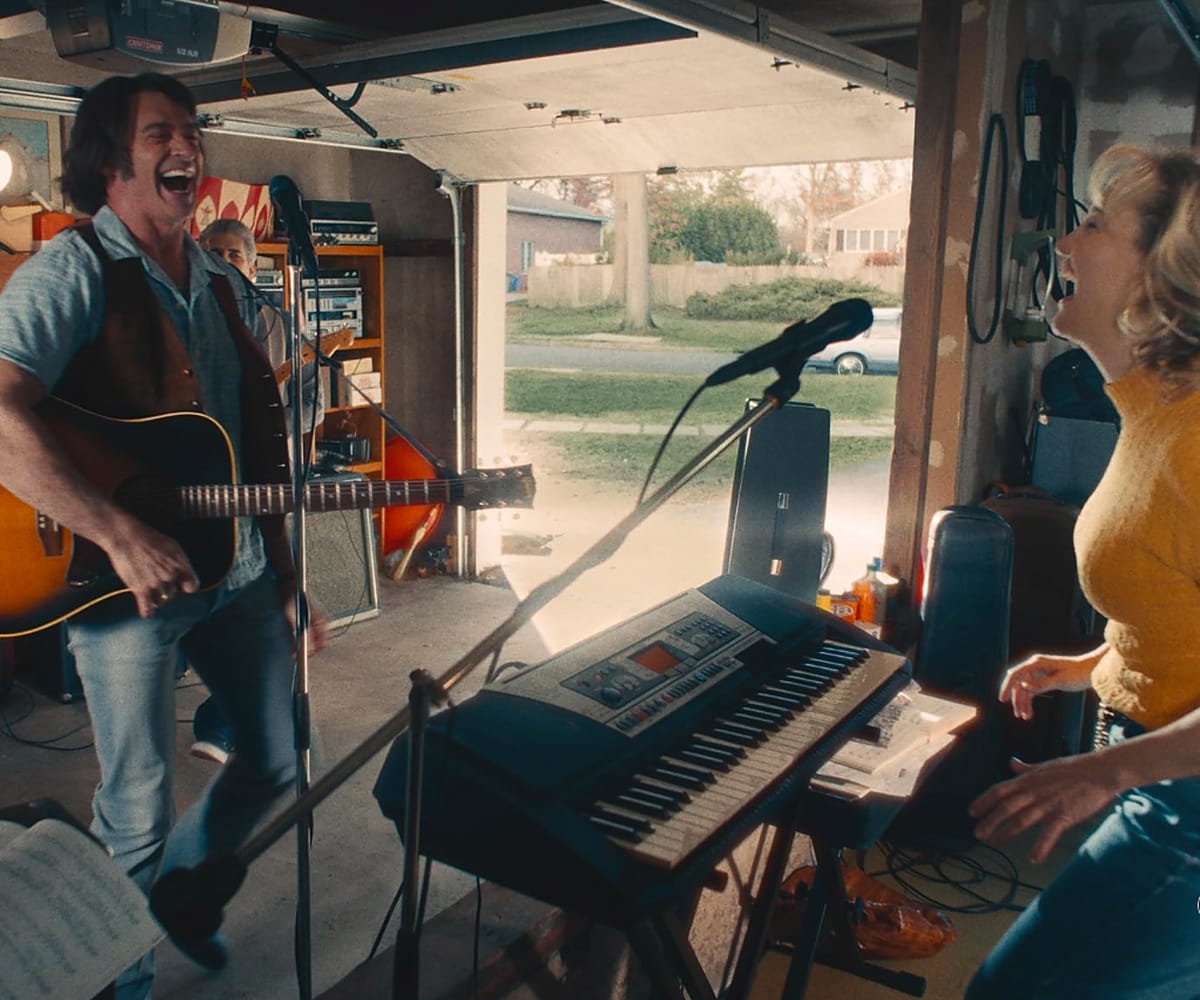
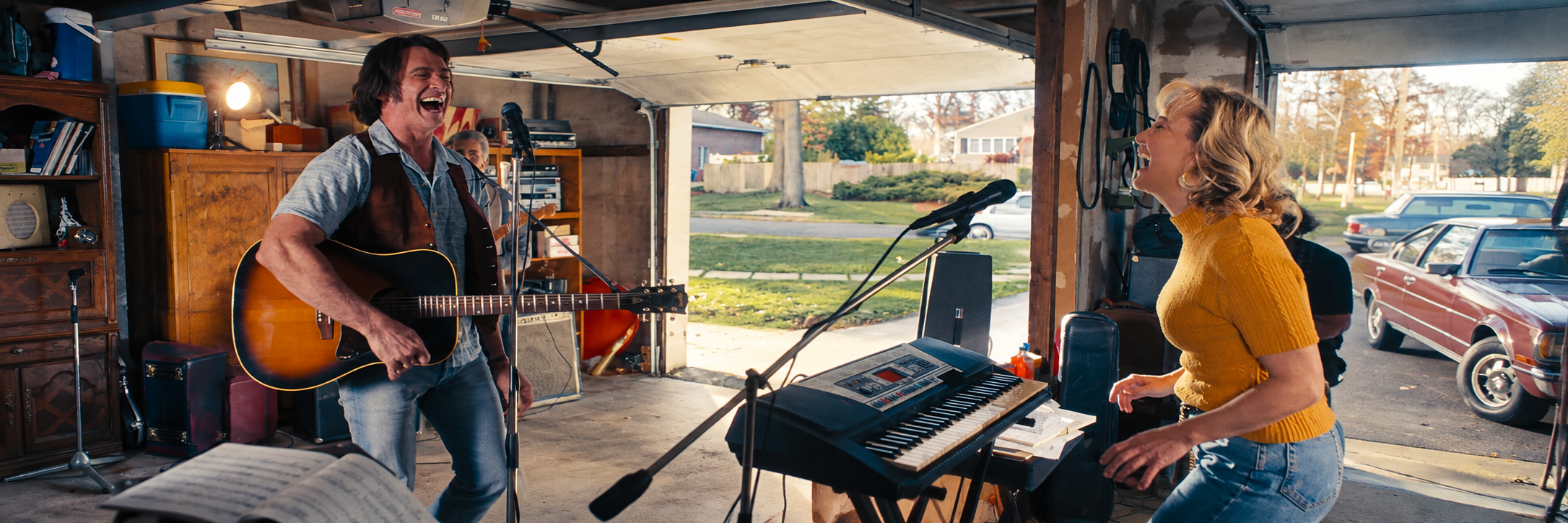
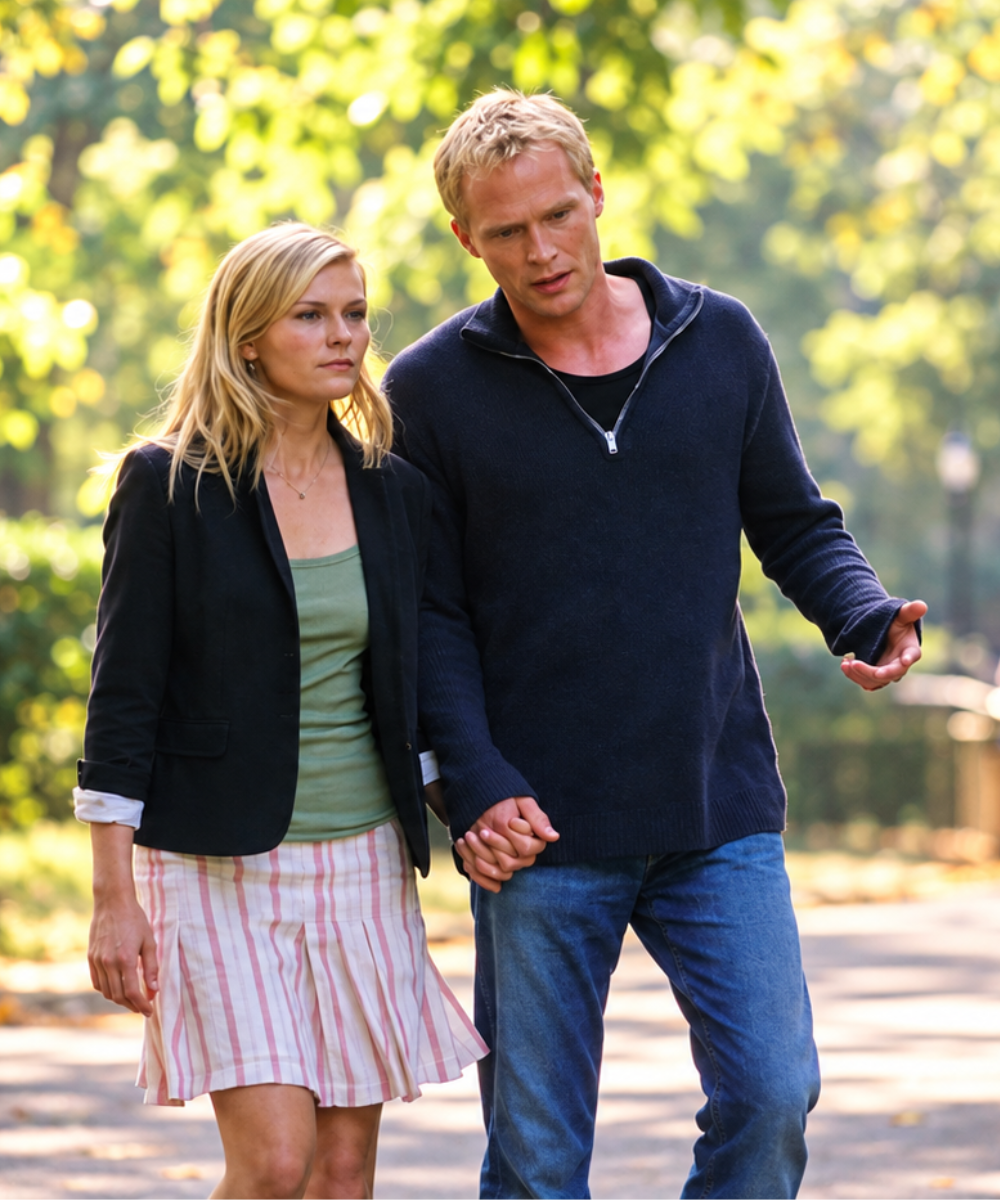
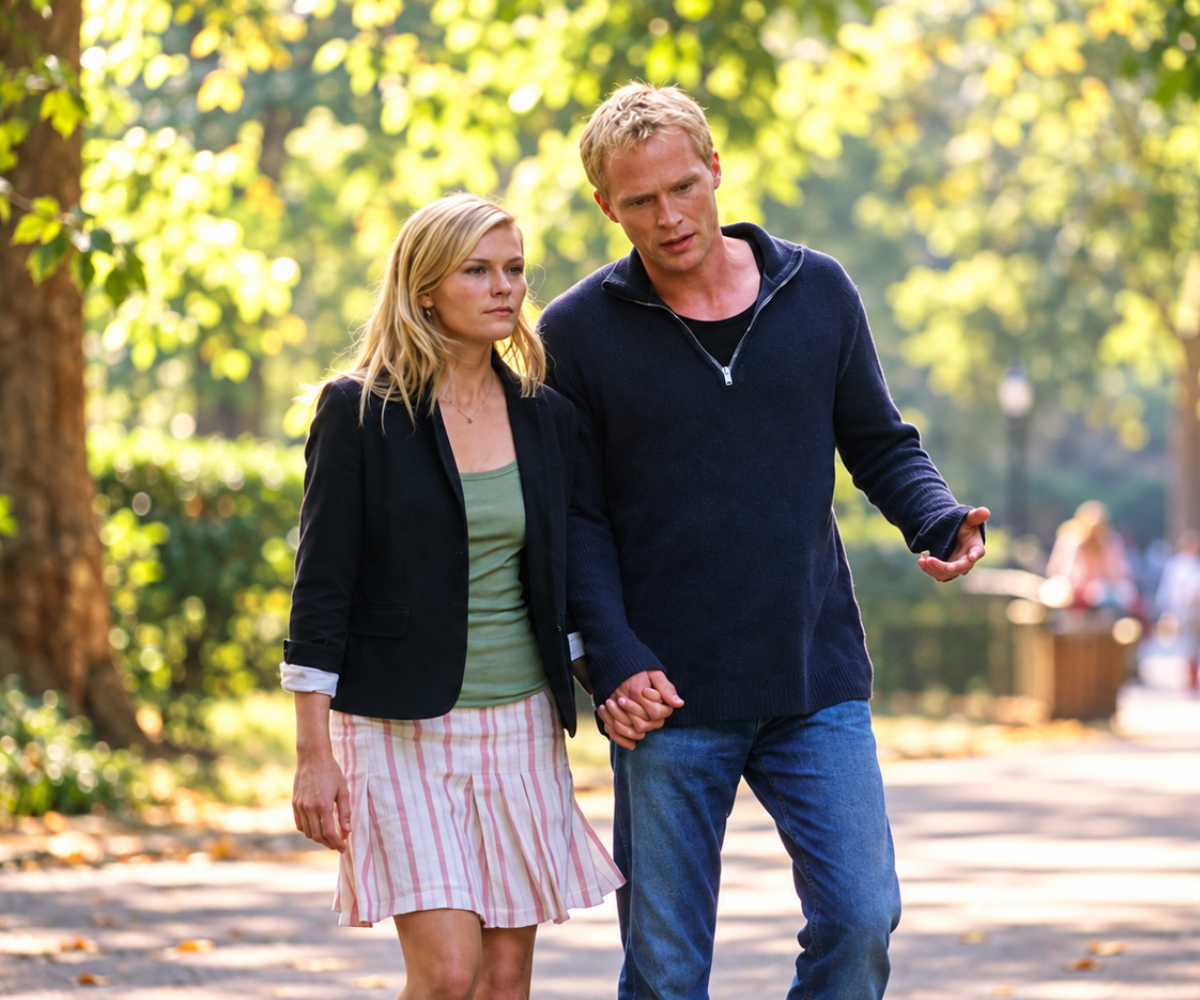
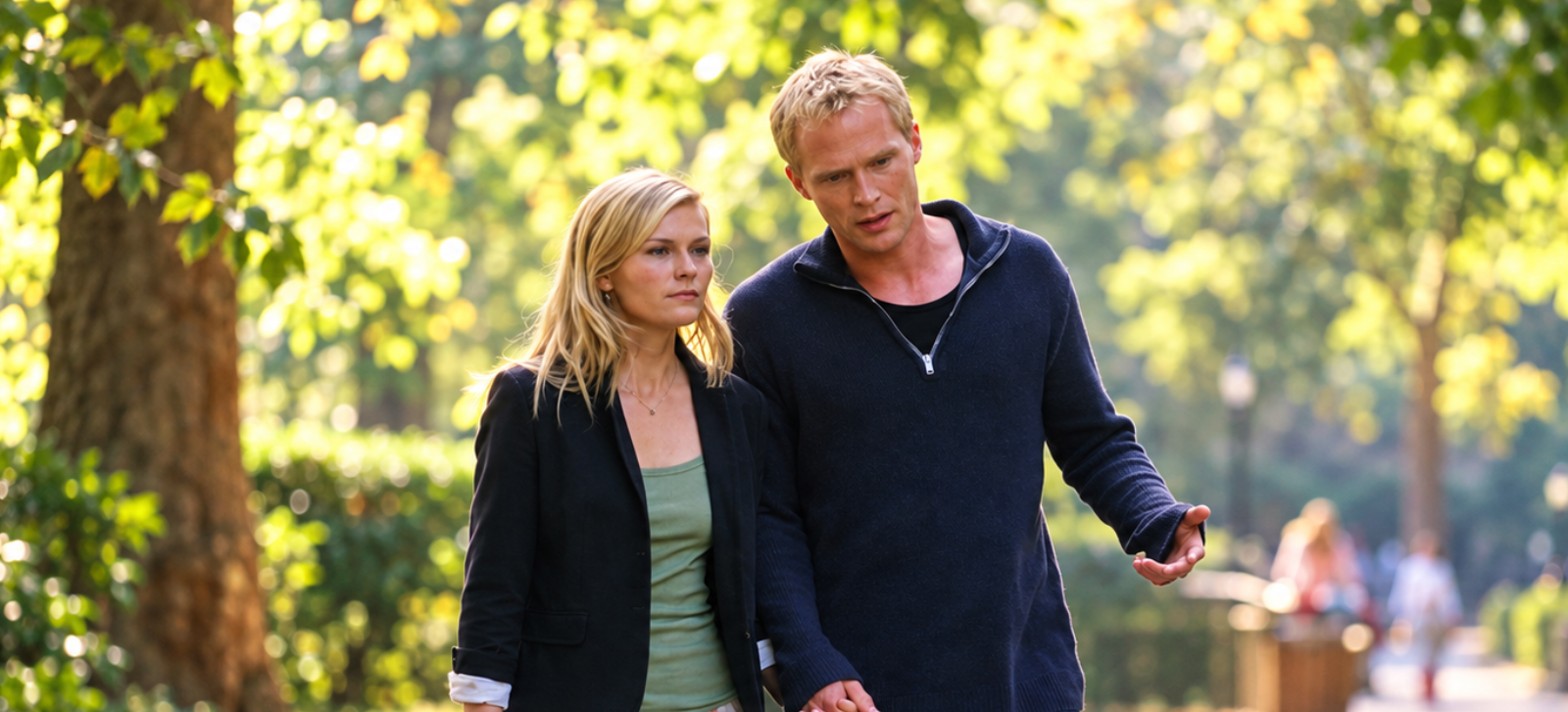
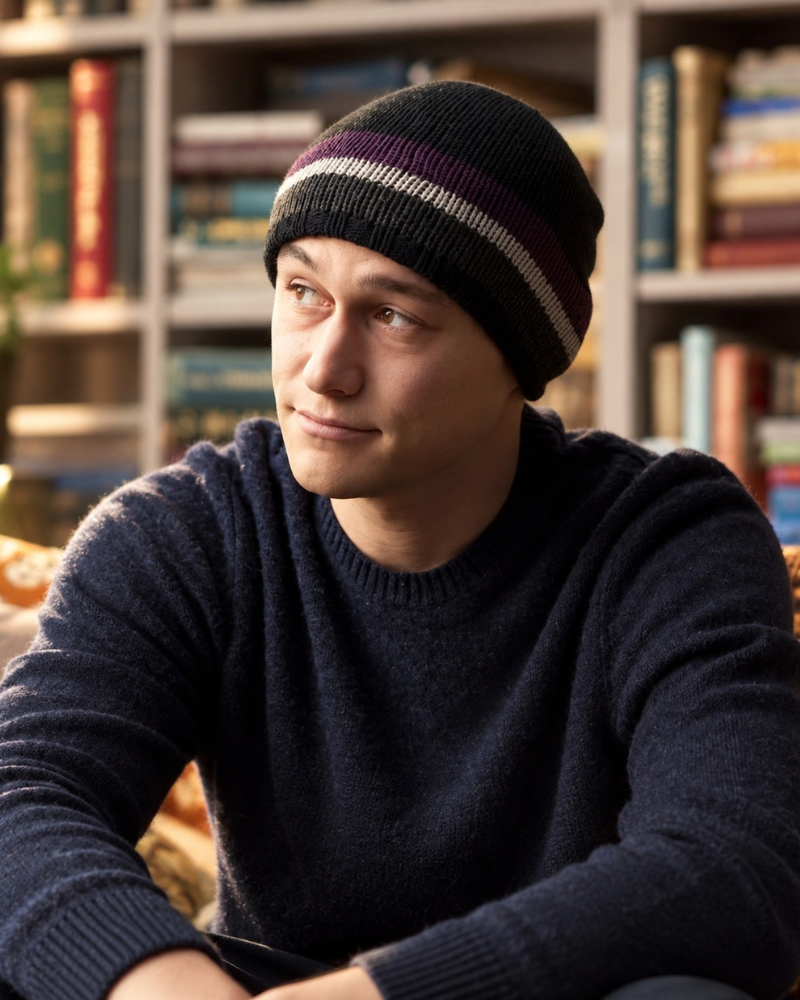
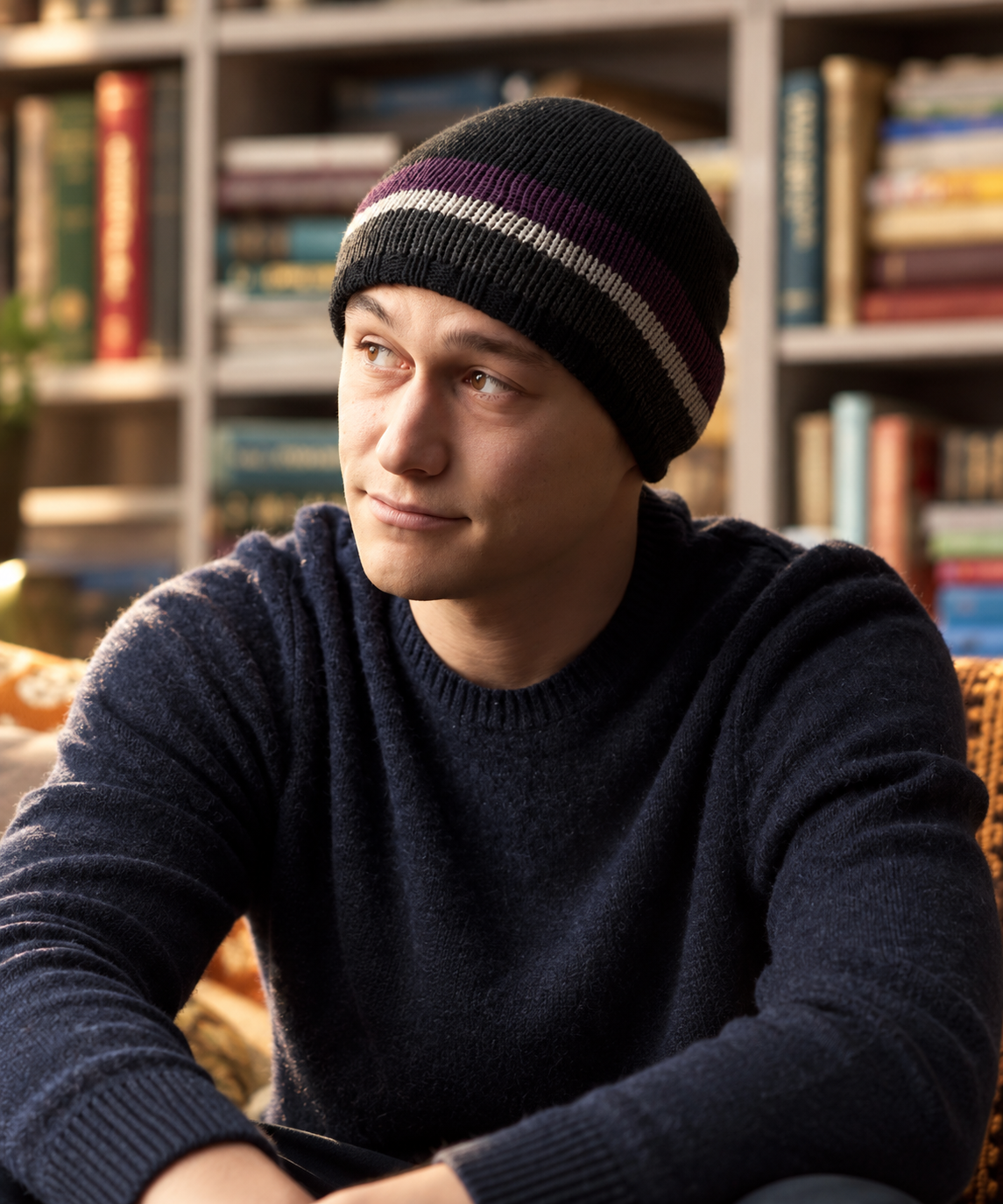
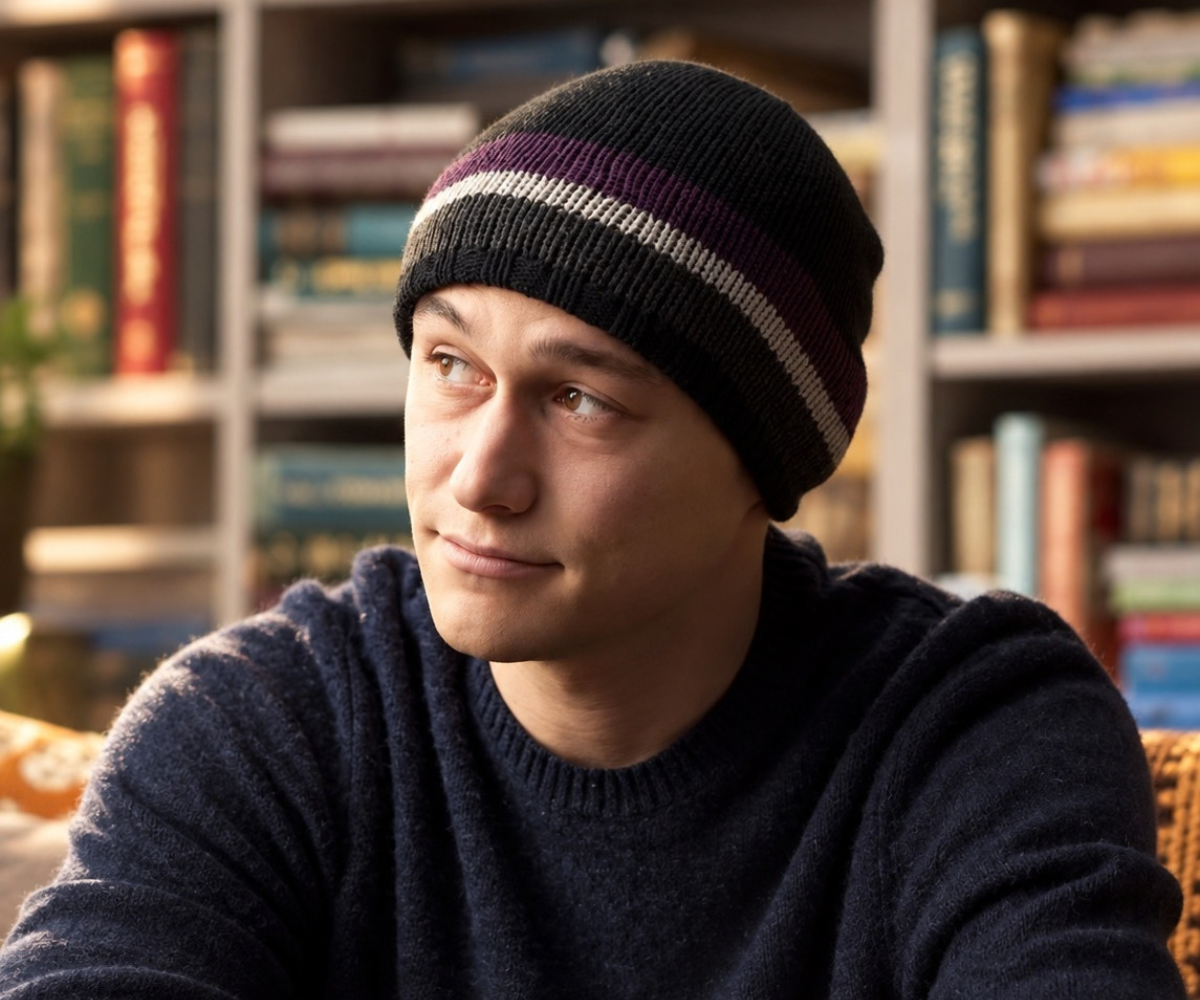
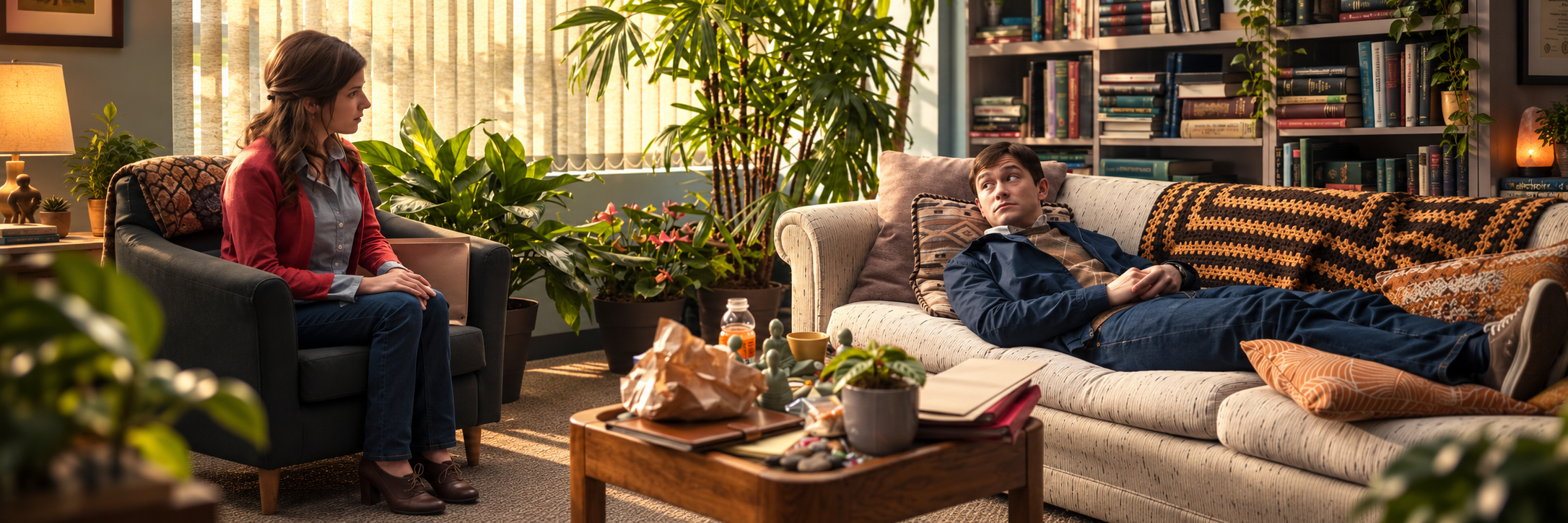
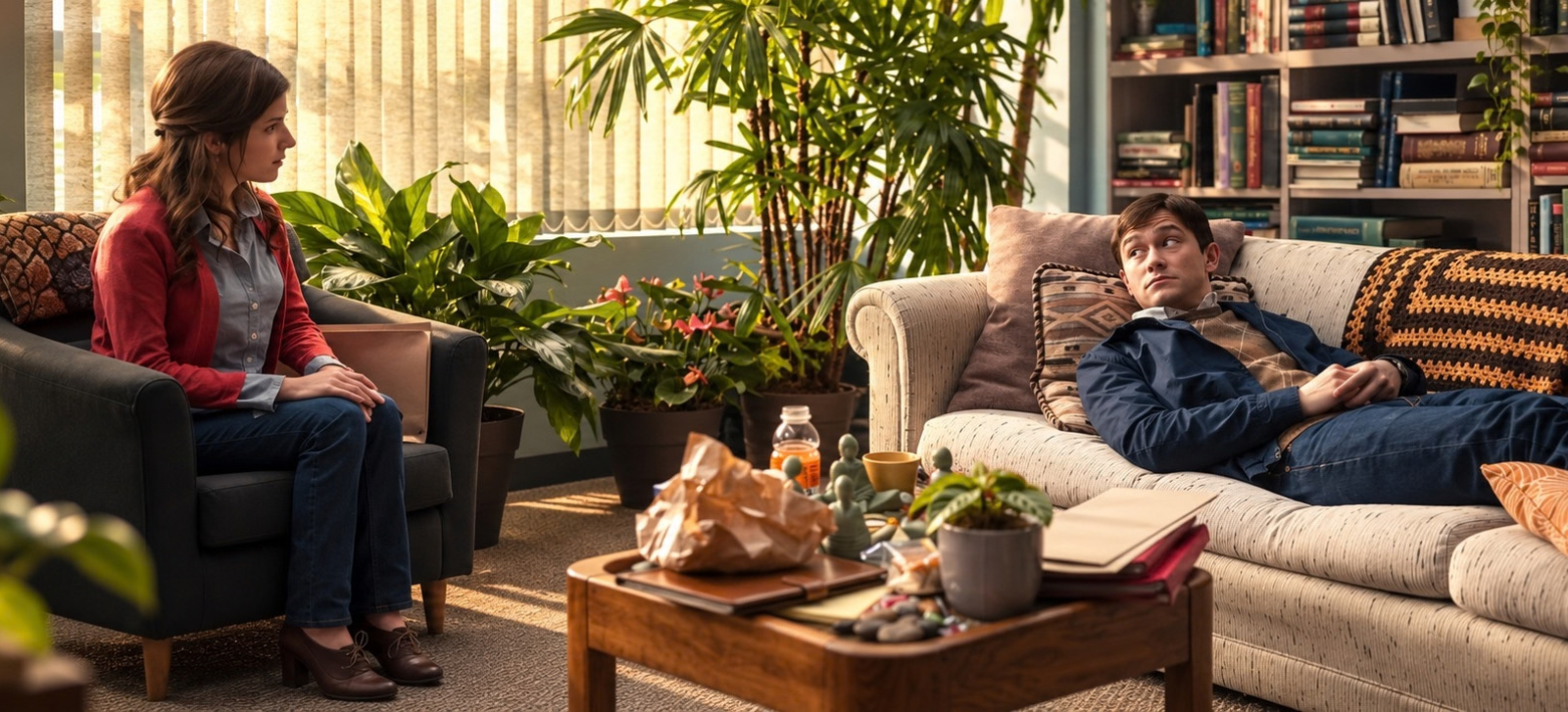
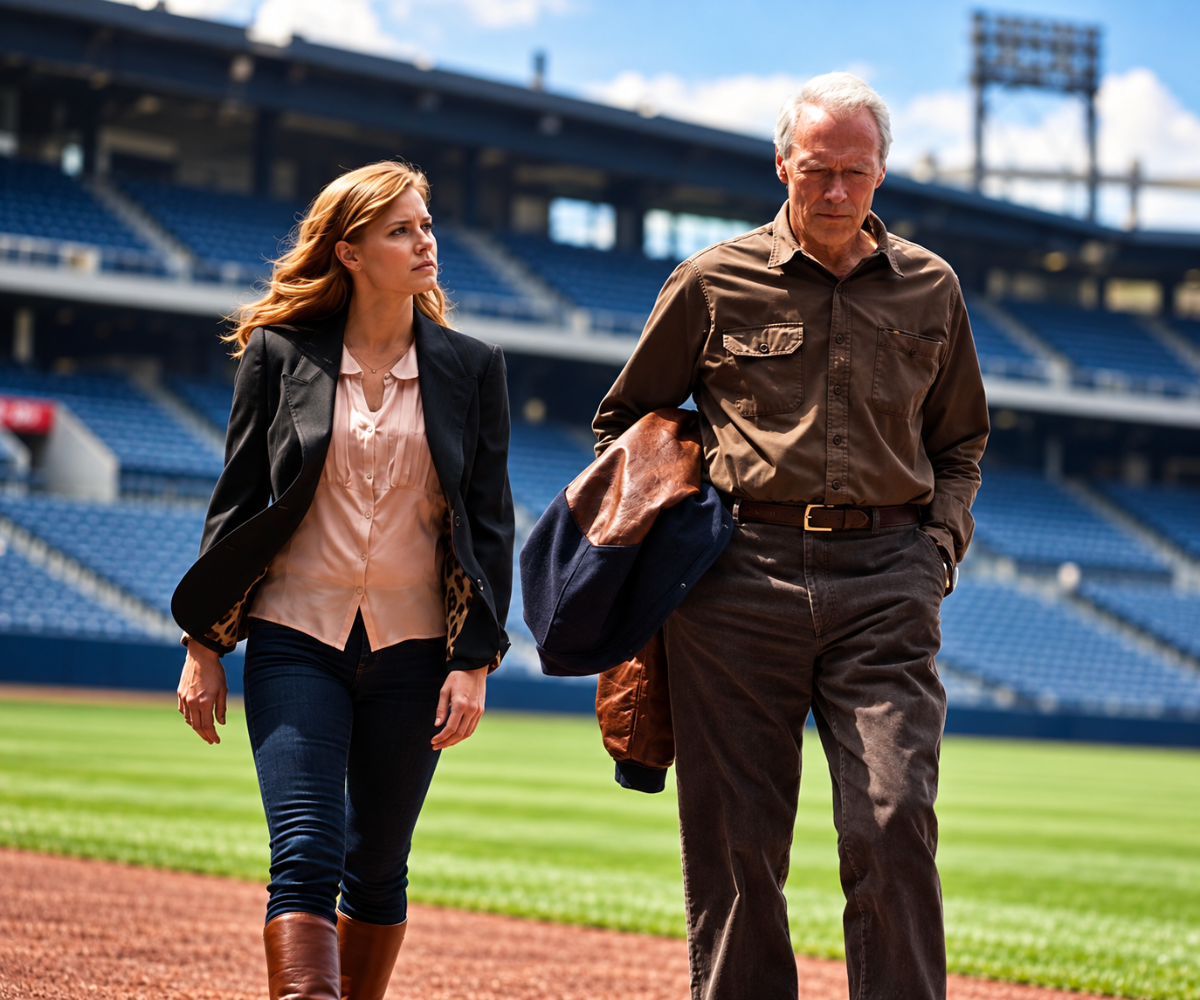
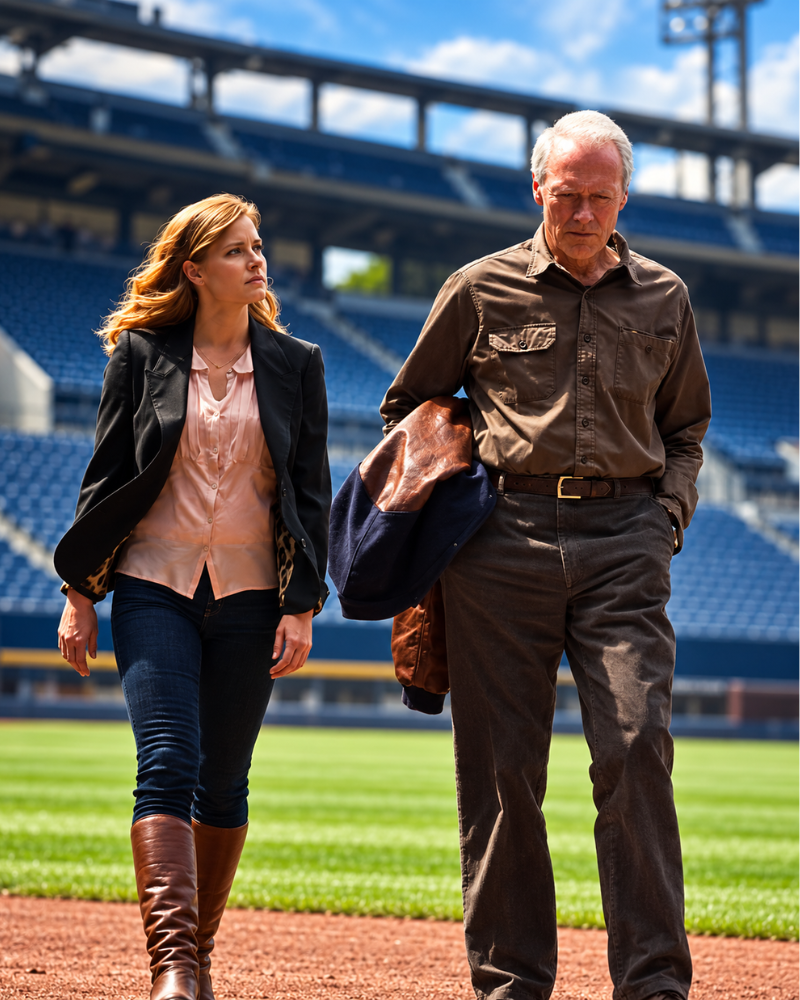
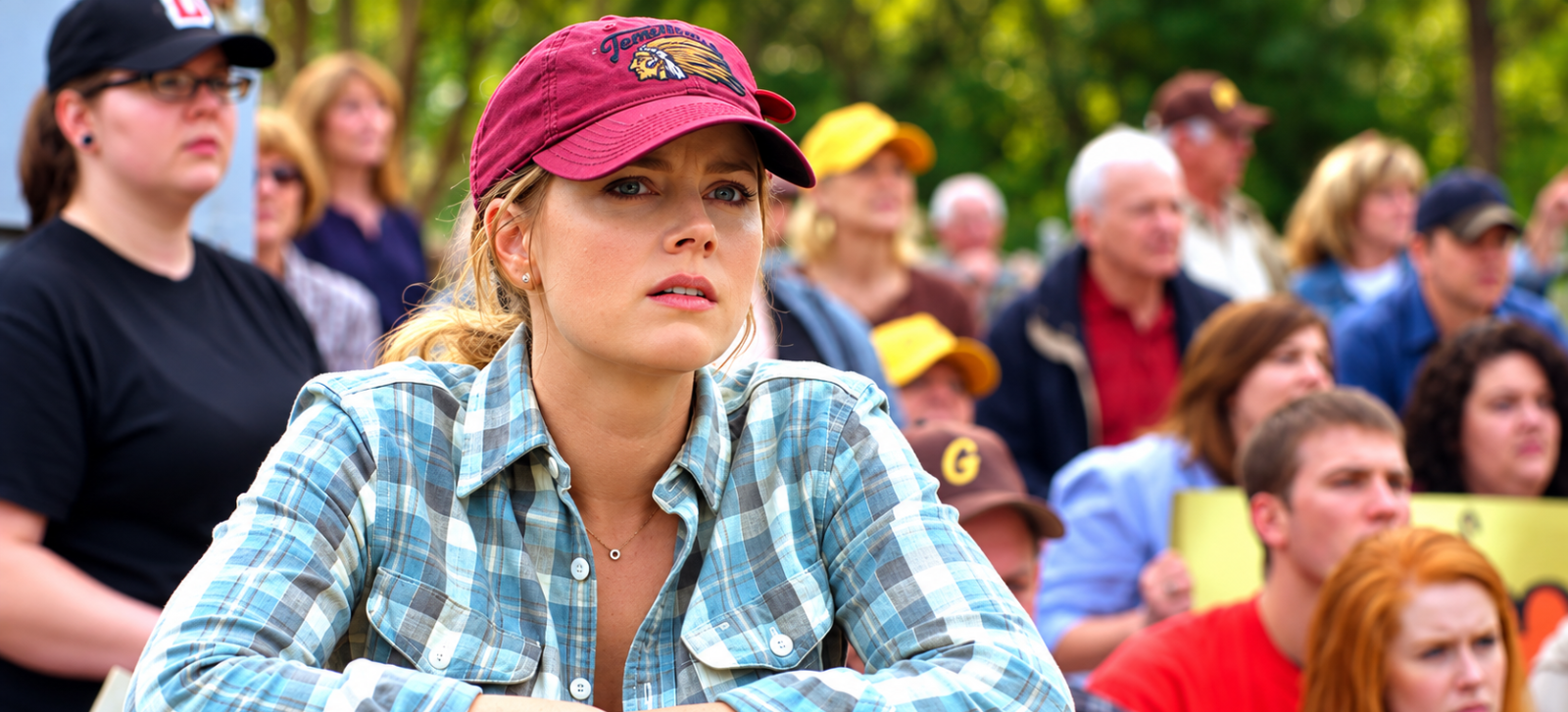
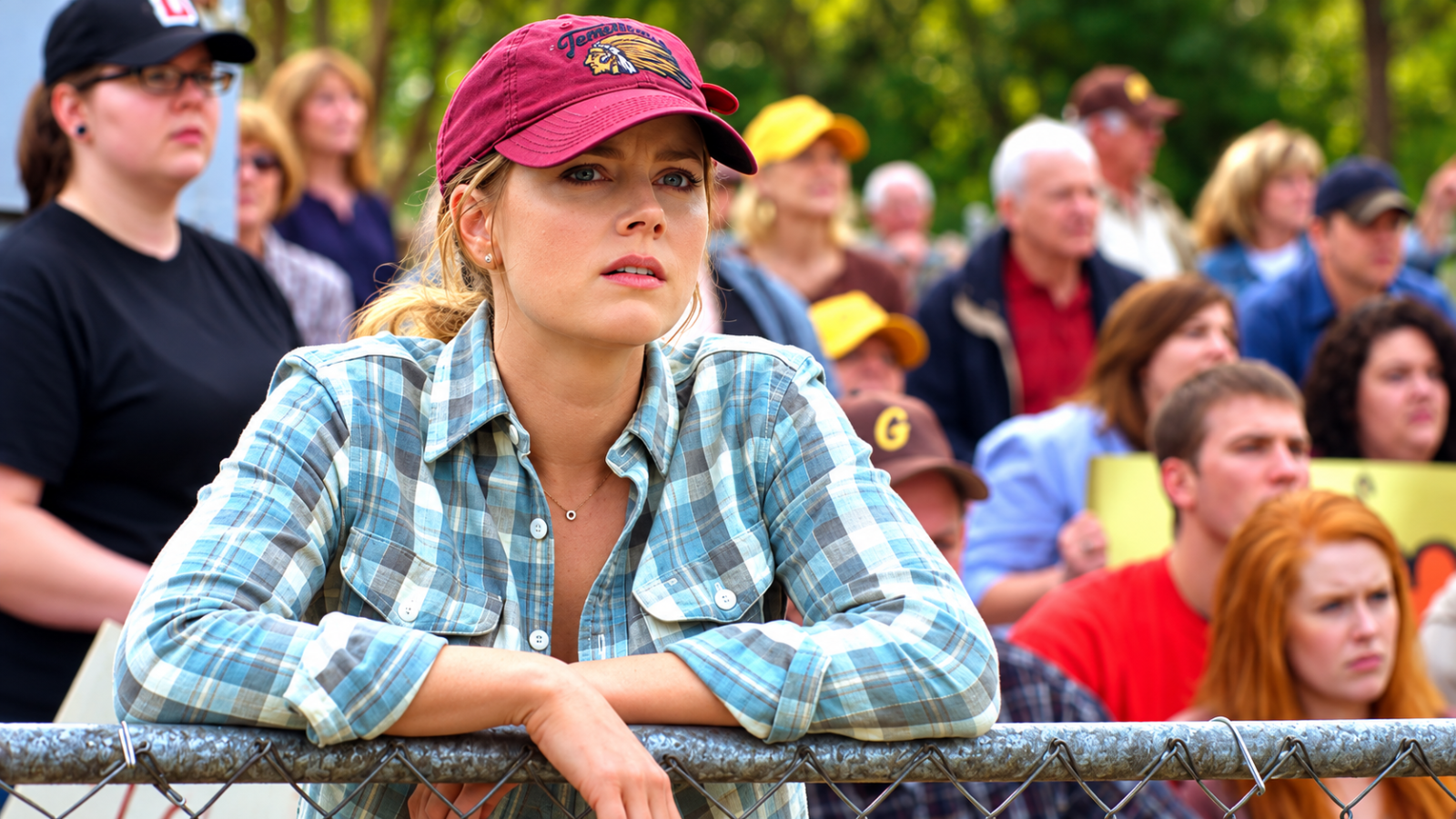
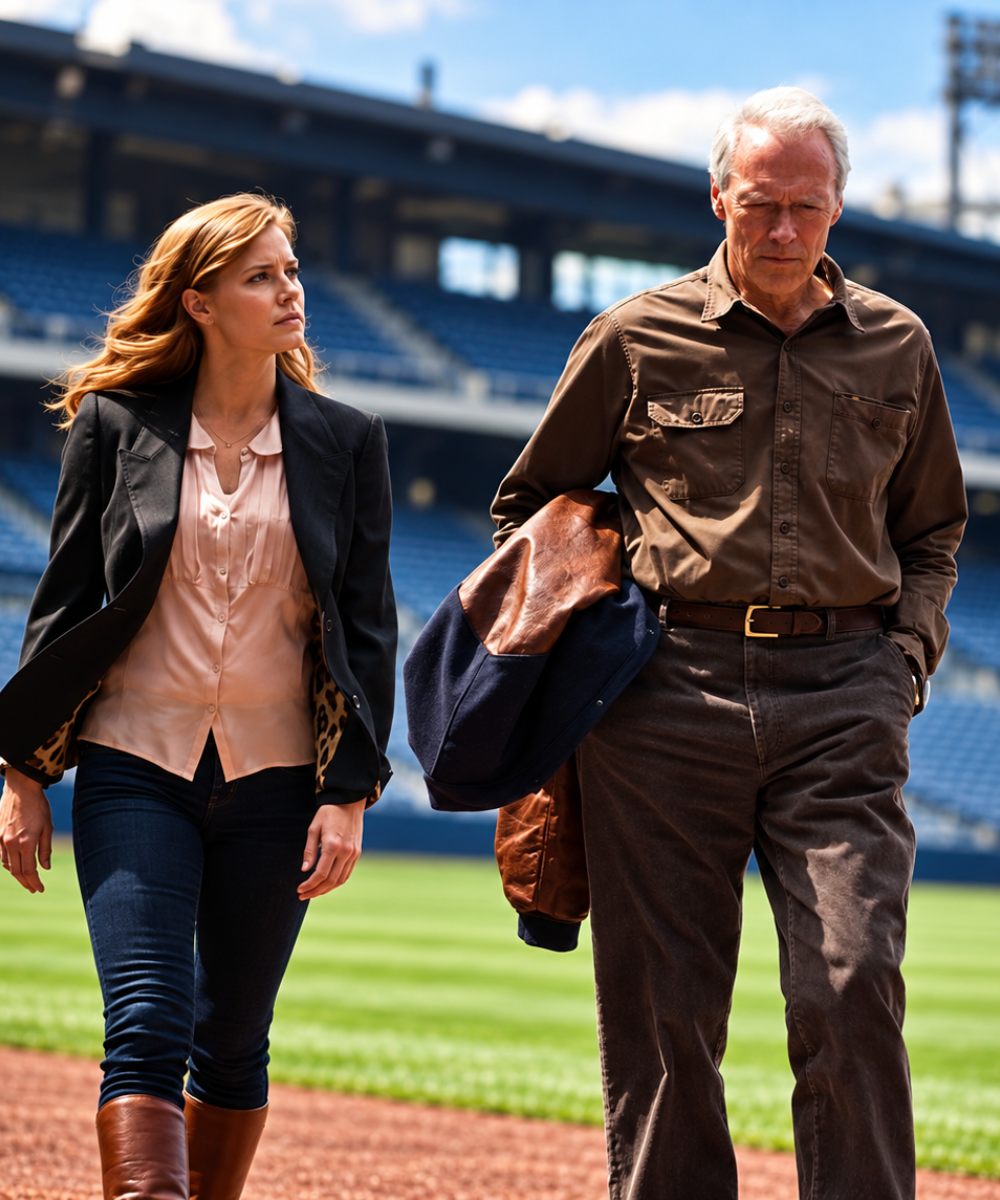
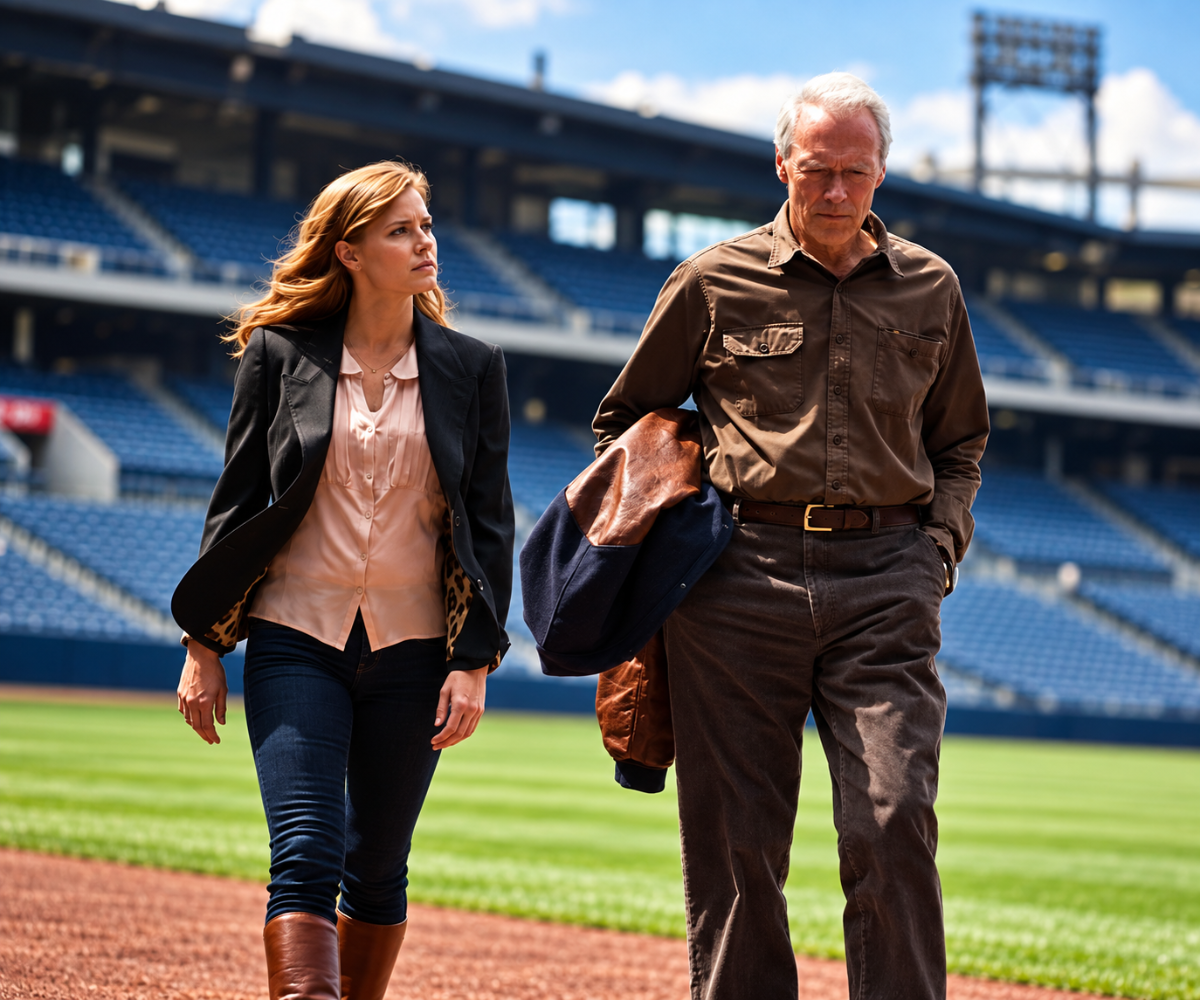
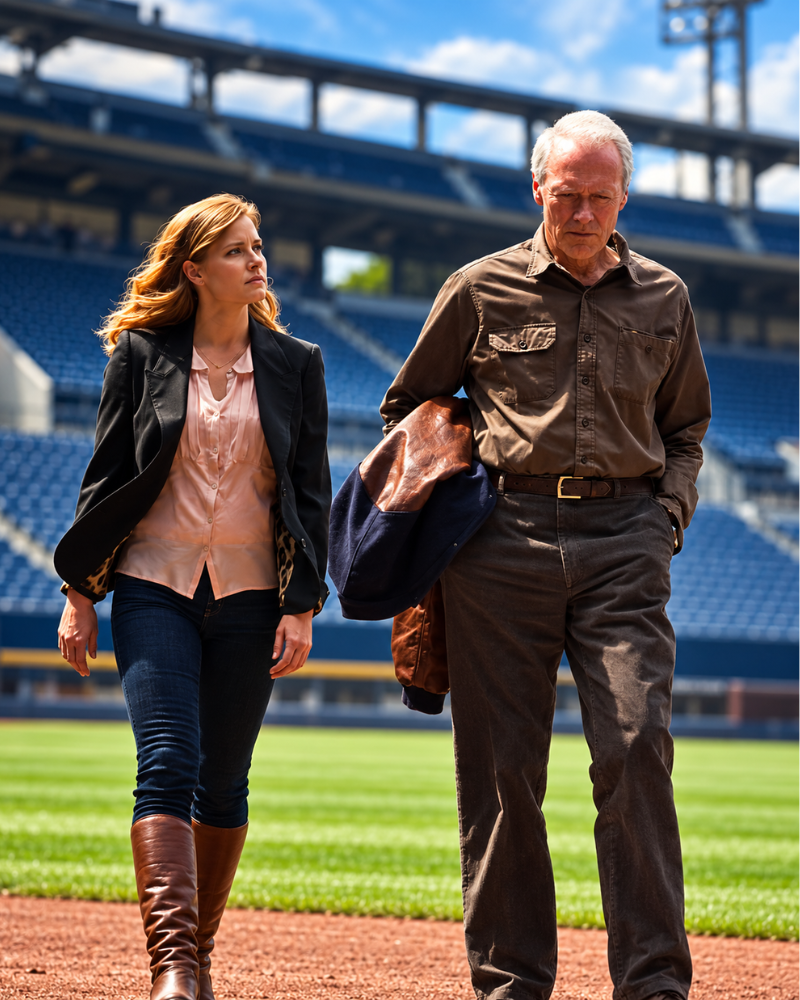
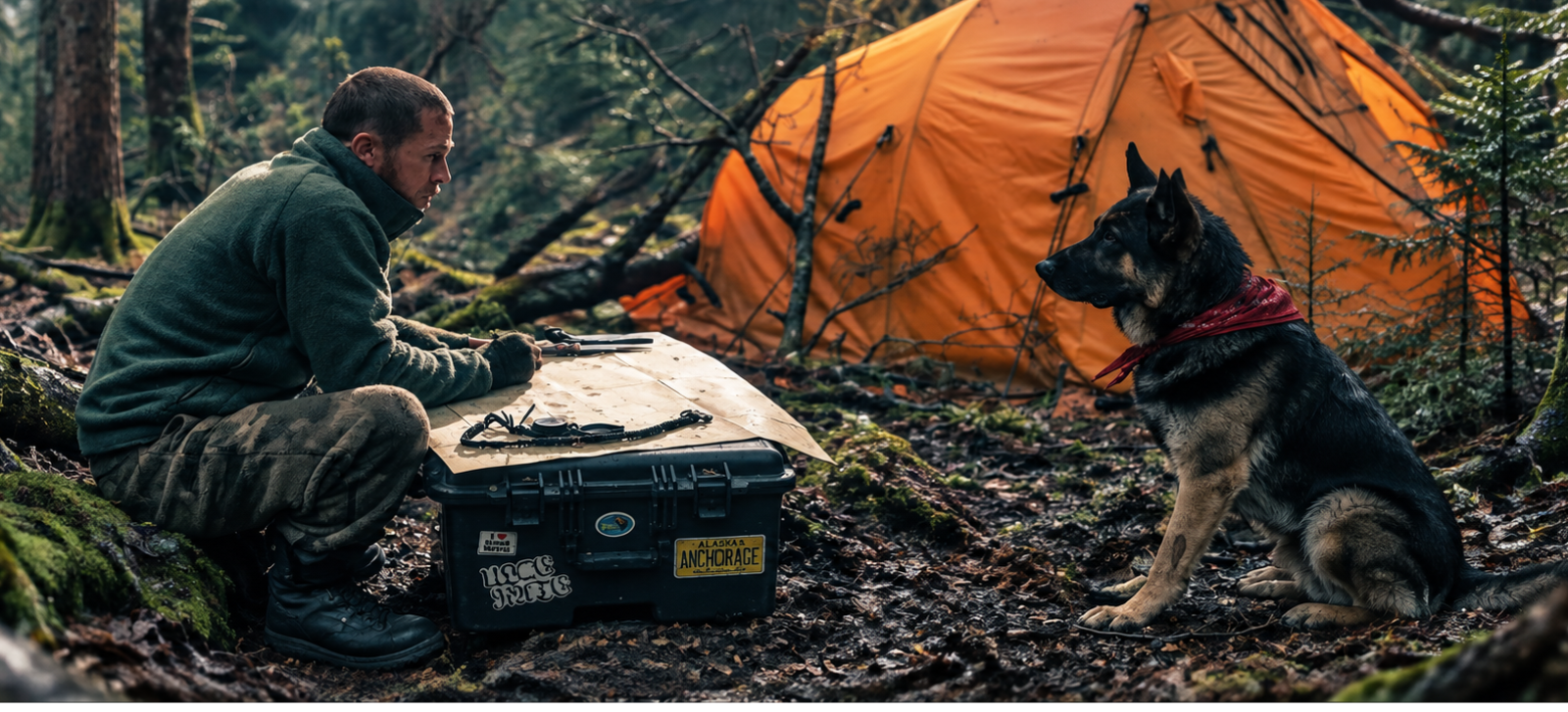
In Angel and the Badman, Zachary Levi plays Quirt Evans, a wounded outlaw who finds unexpected kindness when a rancher’s daughter, Penny (Meg Fraser), takes him into her care. Her family’s beliefs put him in unfamiliar territory: among people whose response to trouble is very different from his own.
Now, when an outlaw meets a kindhearted woman who sees something good in him, nobody needs to draw us a diagram. We understand the possibilities. There might be some romance. He might begin reconsidering a few things. And those dangerous men probably aren’t going to disappear just because he’s developed an interest in settling down.
But knowing the setup doesn’t tell you whether you’ll enjoy spending time with these people. That’s what the movie still has to earn.
A Good Woman Can Only Do So Much
What interests me about the romance is that Penny represents a life Quirt hasn’t been living. She offers kindness without requiring him to earn it first. For a man accustomed to dealing with threats, that creates a different sort of challenge.
What do you do with people who expect something better from you?
You can dismiss them as naive. You can decide their way of living would never work in your world. Or you can start wondering whether your world is the problem.
That gives the familiar romance something worth following. Being attracted to Penny is one thing. Accepting what a life with her would require is considerably more complicated. He can’t simply announce that he’s a changed man and expect everyone else to cooperate.
His past has people in it.
And people tend to be less accommodating than a fresh start requires.
I’m Fine With Familiar
I don’t need every movie to leave me stunned by its originality. Sometimes I want the pleasure of watching a story take shape, getting invested in the people, and hoping things work out even when the odds suggest they won’t.
That doesn’t mean familiar stories get a free pass. You still need a reason to care. A romance doesn’t work just because two attractive people occupy the same frame, and putting a hat on an actor doesn’t automatically make him an interesting cowboy.
But familiarity itself has never been the problem for me. I’ve watched enough movies to recognize a setup. I’d rather enjoy where a story is taking me than spend two hours waiting for a surprise that turns out to be the only thing it had going for it.
Angel and the Badman gives me a wounded outlaw, a woman who sees a possibility he hasn’t quite seen himself, and a reason to hope he figures it out before his old life catches up with him.
I could see where it was going. I still wanted him to get there.