When a war ends, governments have a pretty straightforward way of announcing it. The fighting stops, agreements are signed, soldiers come home, and everybody starts talking about rebuilding.
But what if your three sons went off to fight and not one of them came home?
For Joshua Connor, the war isn't over. Not even close.
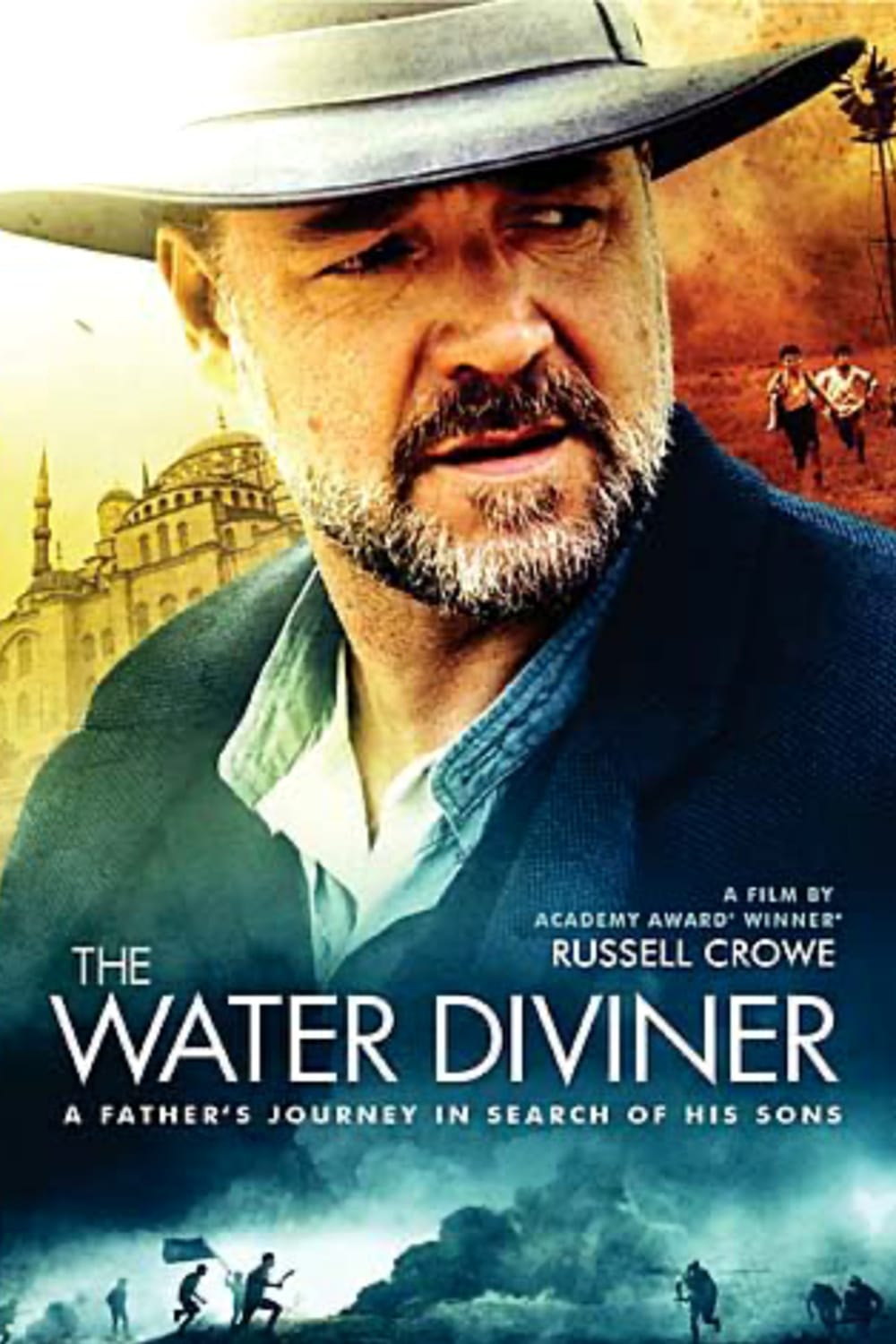
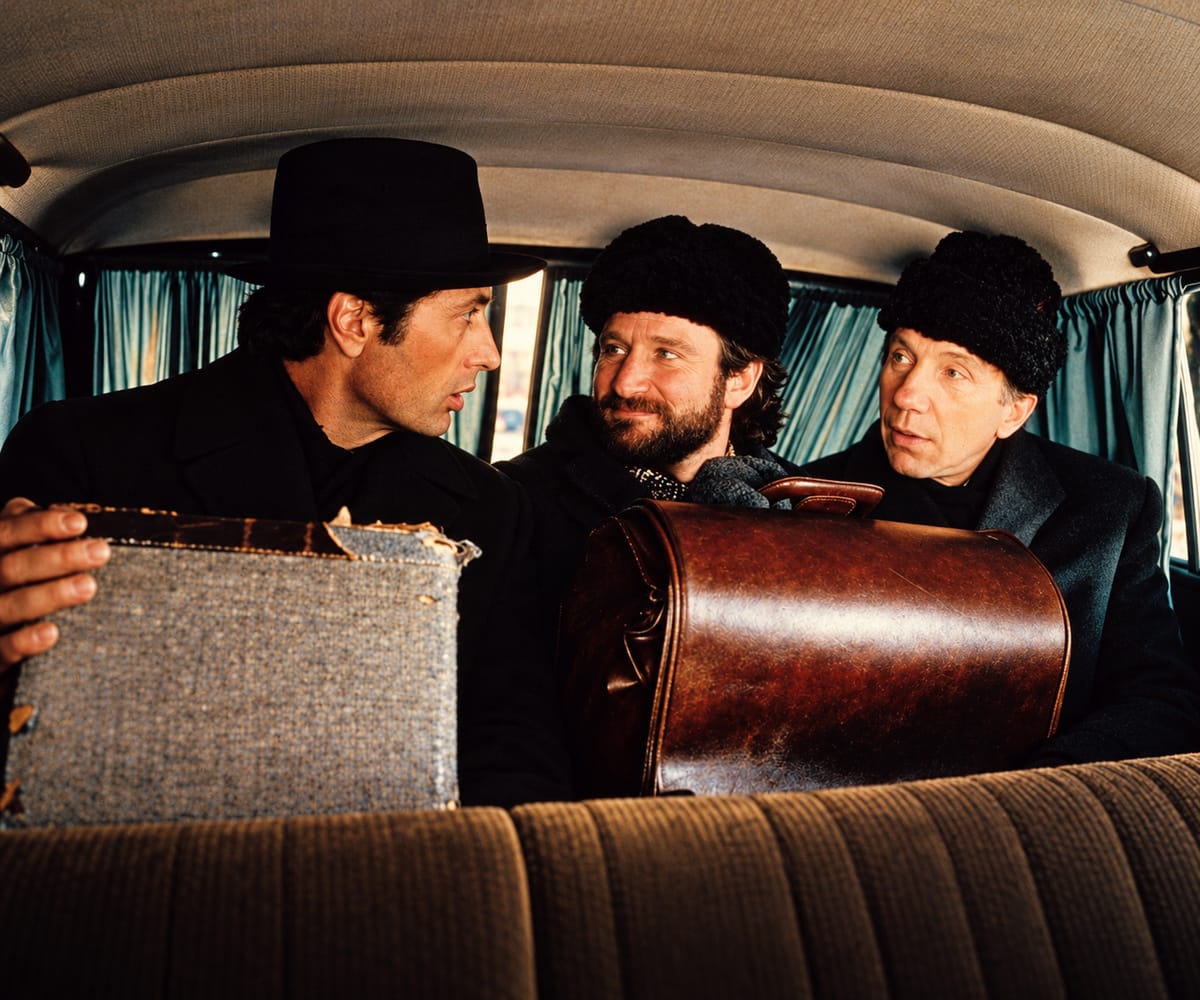
Russell Crowe plays an Australian father whose three sons disappeared during the Battle of Gallipoli in World War I. Four years later, he still doesn't know exactly what happened to them.
Some Questions Won't Leave You Alone
Connor is a farmer who has spent much of his life finding underground water. It's an unusual skill, locating something buried beneath the earth that nobody else can see.
Now he's determined to find something considerably more important.
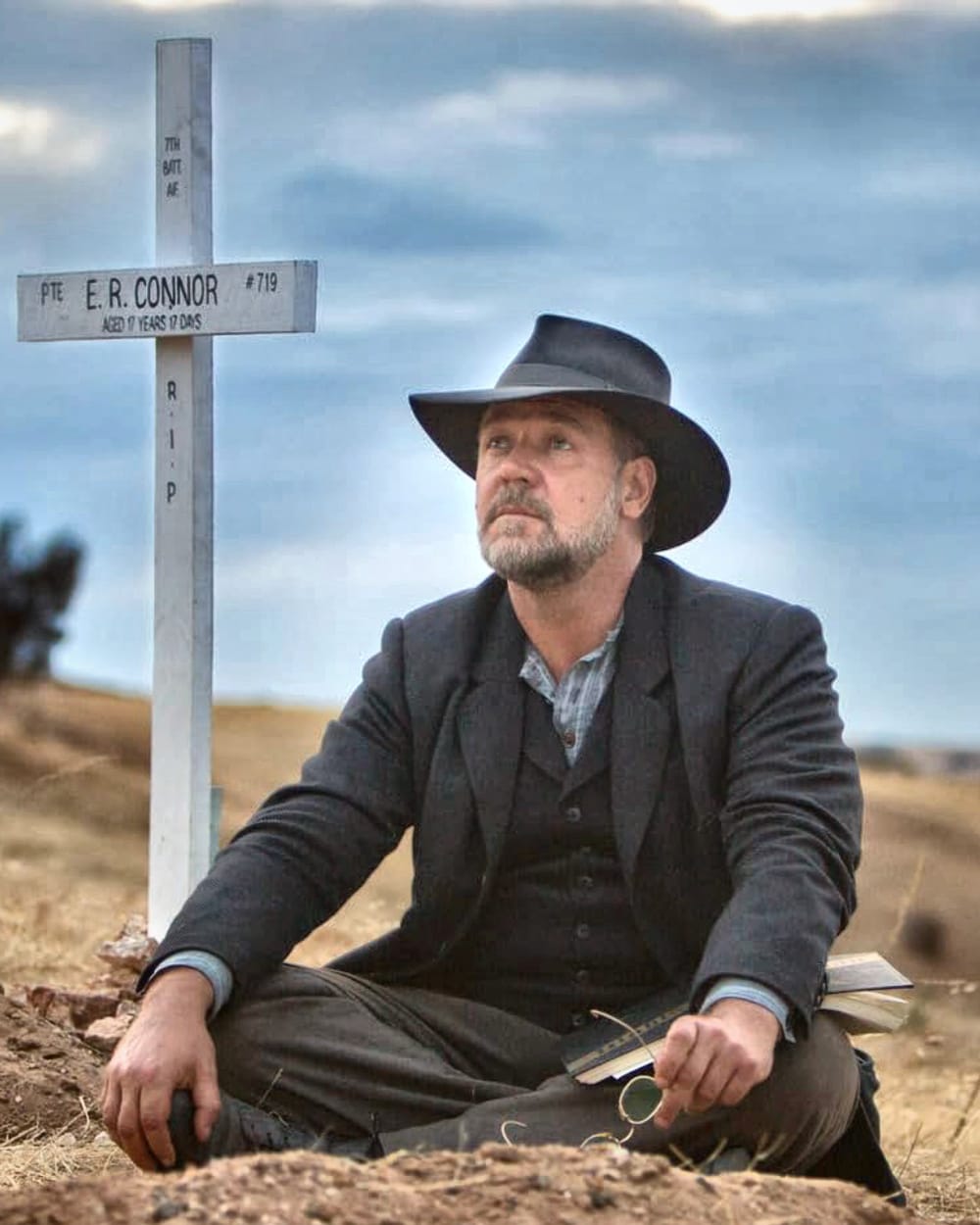
He travels from Australia to Turkey in 1919, hoping to locate his sons' remains and bring them home. His wife has also died, and he wants to reunite his family in the only way he believes is still possible.
It's a remarkably simple motivation for a movie. He isn't trying to win a battle, stop another war, or accomplish something heroic. He just wants to find his boys.
But when he reaches Gallipoli, he discovers that wanting to find somebody and actually being allowed to look for them are two very different things.
The War Didn't End for the Other Side, Either
One of the more interesting developments comes when Connor receives help from Major Hasan, a Turkish officer played by Yılmaz Erdoğan.
Here's a man who fought on the opposite side of the same battle that took Connor's sons. Under different circumstances, these two men would have regarded each other as enemies.
But the fighting is over, and Hasan understands something that Connor's own military authorities seem to have difficulty appreciating.
This isn't really about the war anymore. It's about a father.
Connor also meets Ayshe, played by Olga Kurylenko, a Turkish woman who has suffered losses of her own. Through these encounters, the movie reminds us that ending a war doesn't magically put families back together, regardless of which side they were on.
And that's where The Water Diviner has something worthwhile to say.
We tend to measure wars in victories, defeats, territories won or lost, and numbers of casualties. Those are the things that make it into history books. They're also the things governments can count.
But how do you measure what happens afterward?
A Father's Refusal to Give Up
Crowe, who also directed the movie, gives Connor the kind of quiet determination that makes the character believable. He's not a particularly talkative man, and he doesn't spend much time explaining himself.
He doesn't need to.
A father arriving in a foreign country, standing on the ground where his children disappeared, and refusing to leave until somebody helps him. There's plenty of drama in that.
We know exactly when World War I ended. November 11, 1918. It's a date commemorated around the world.
But history books can't tell us when the war ended for Joshua Connor.
Or for the countless real families who waited for someone who never came home.