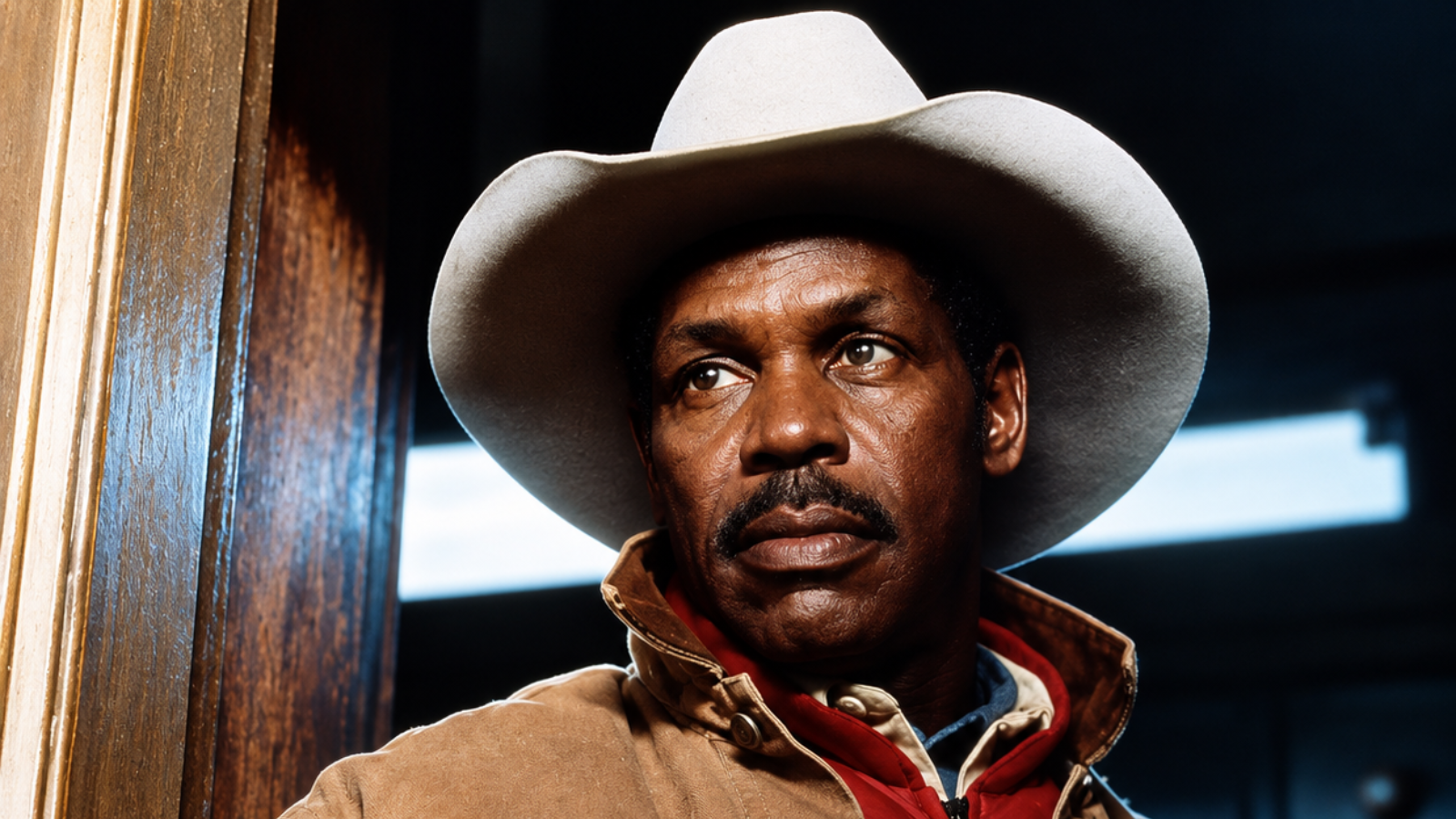
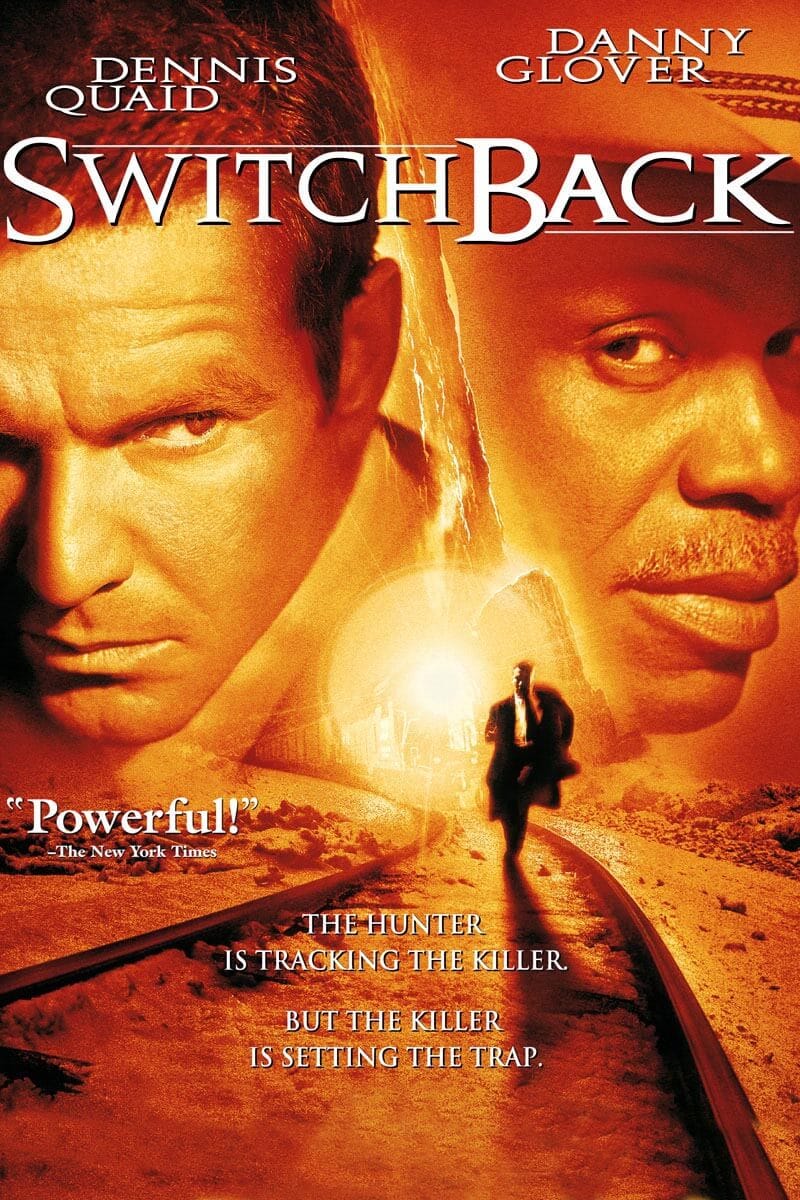
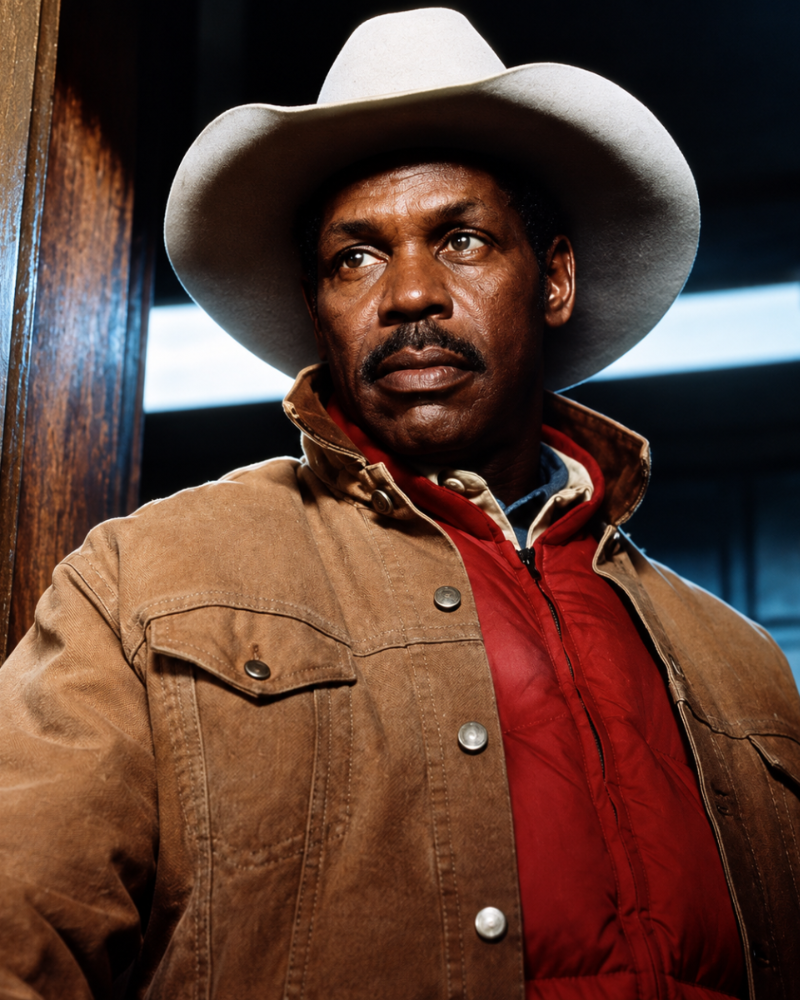
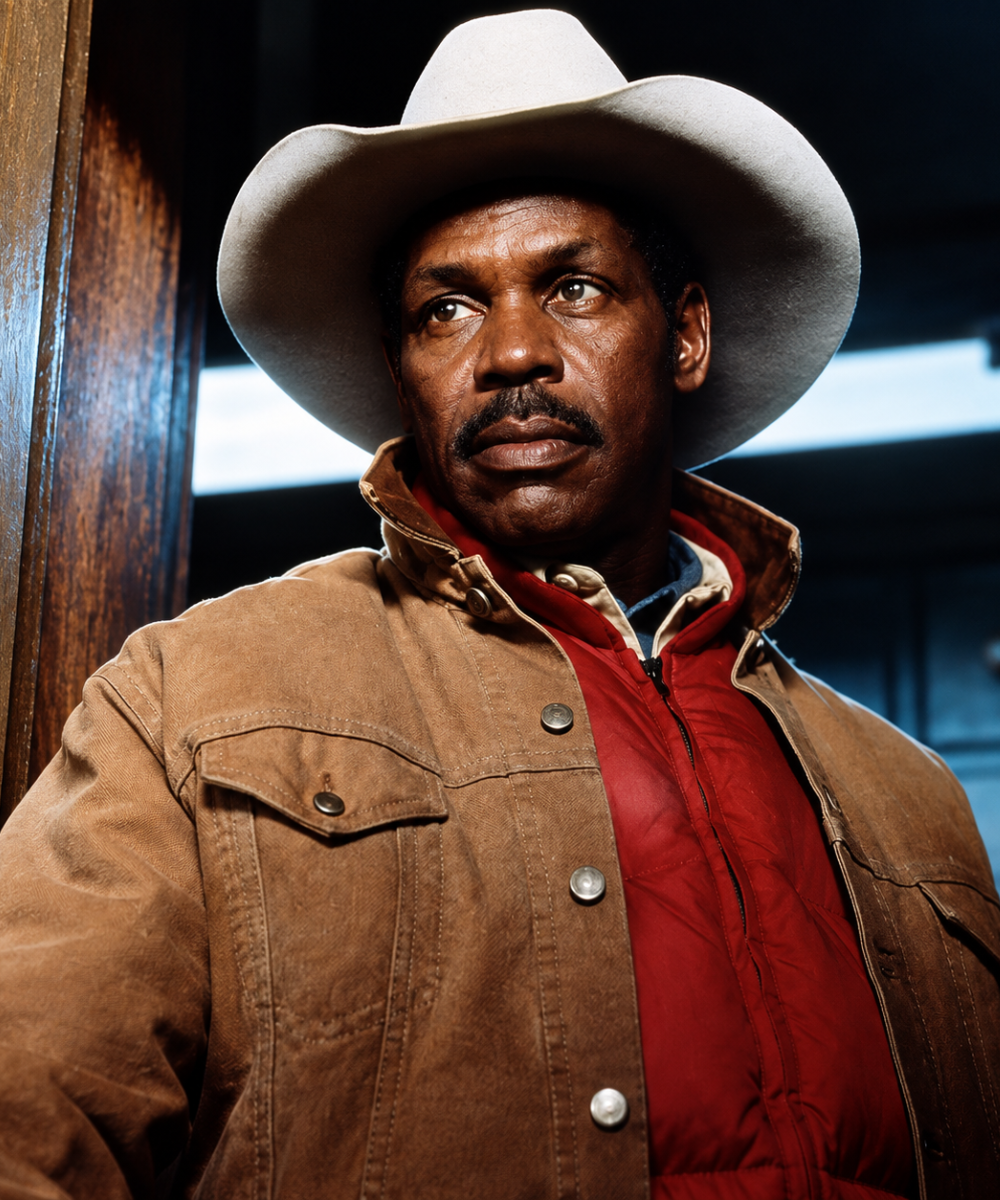
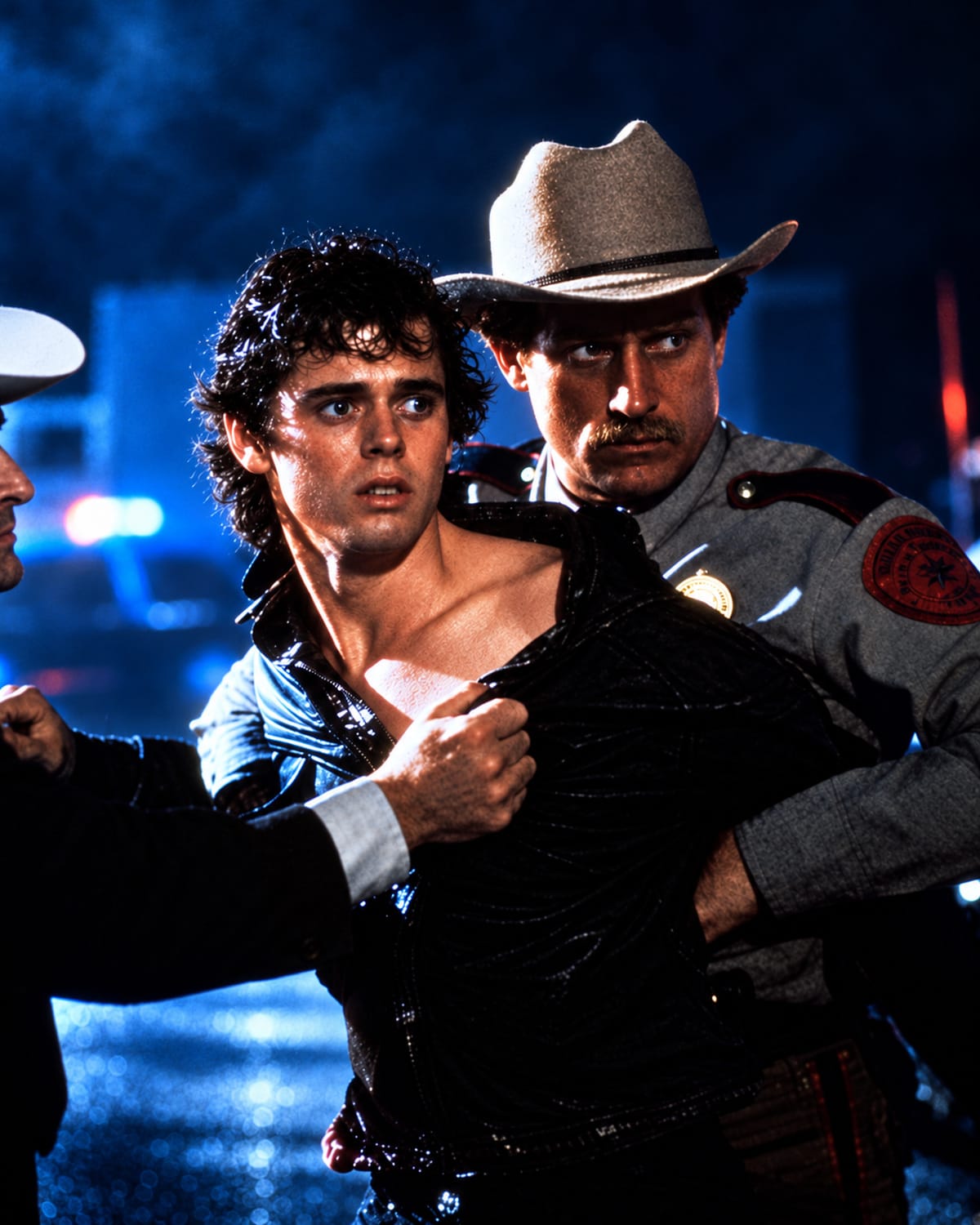
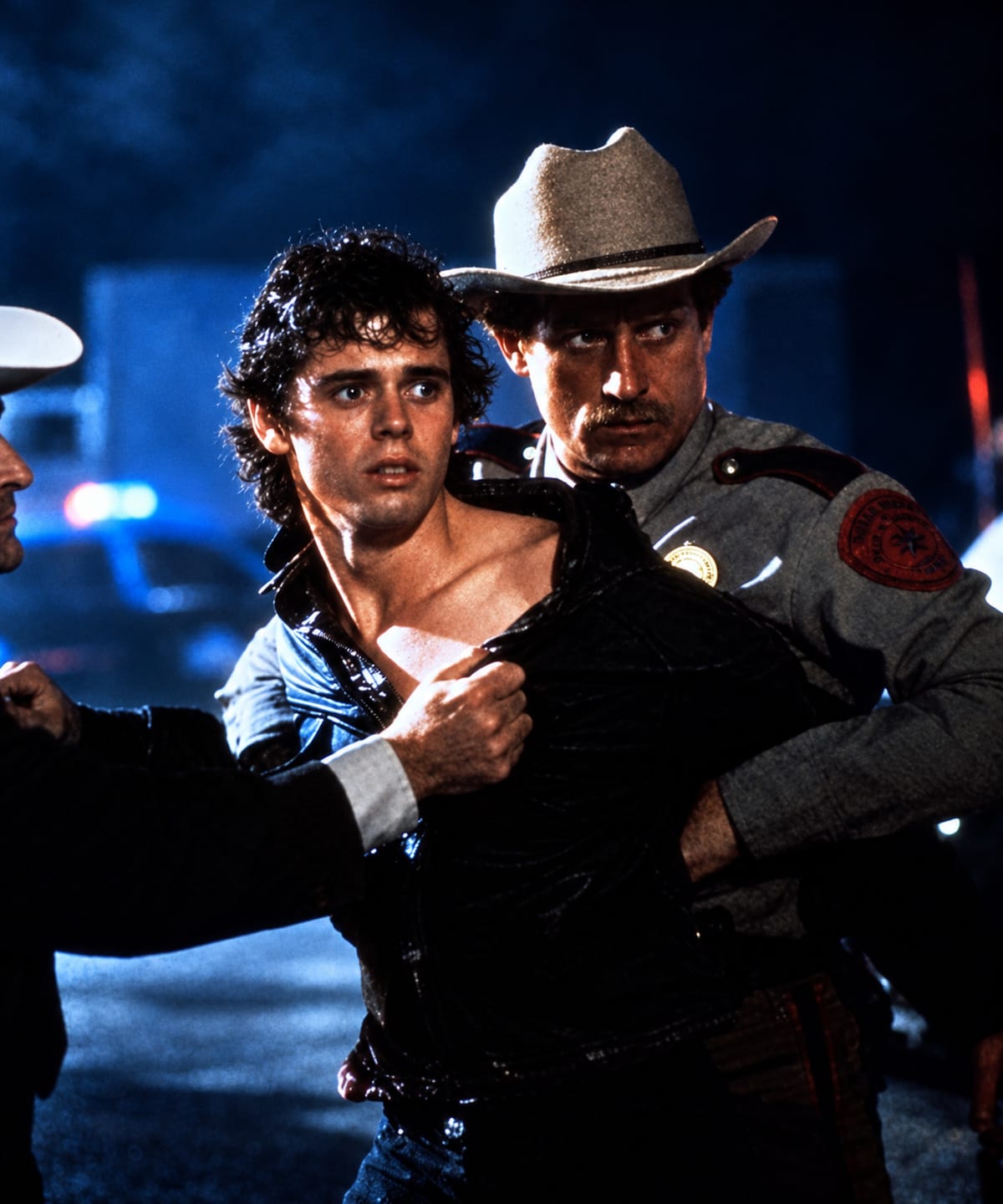
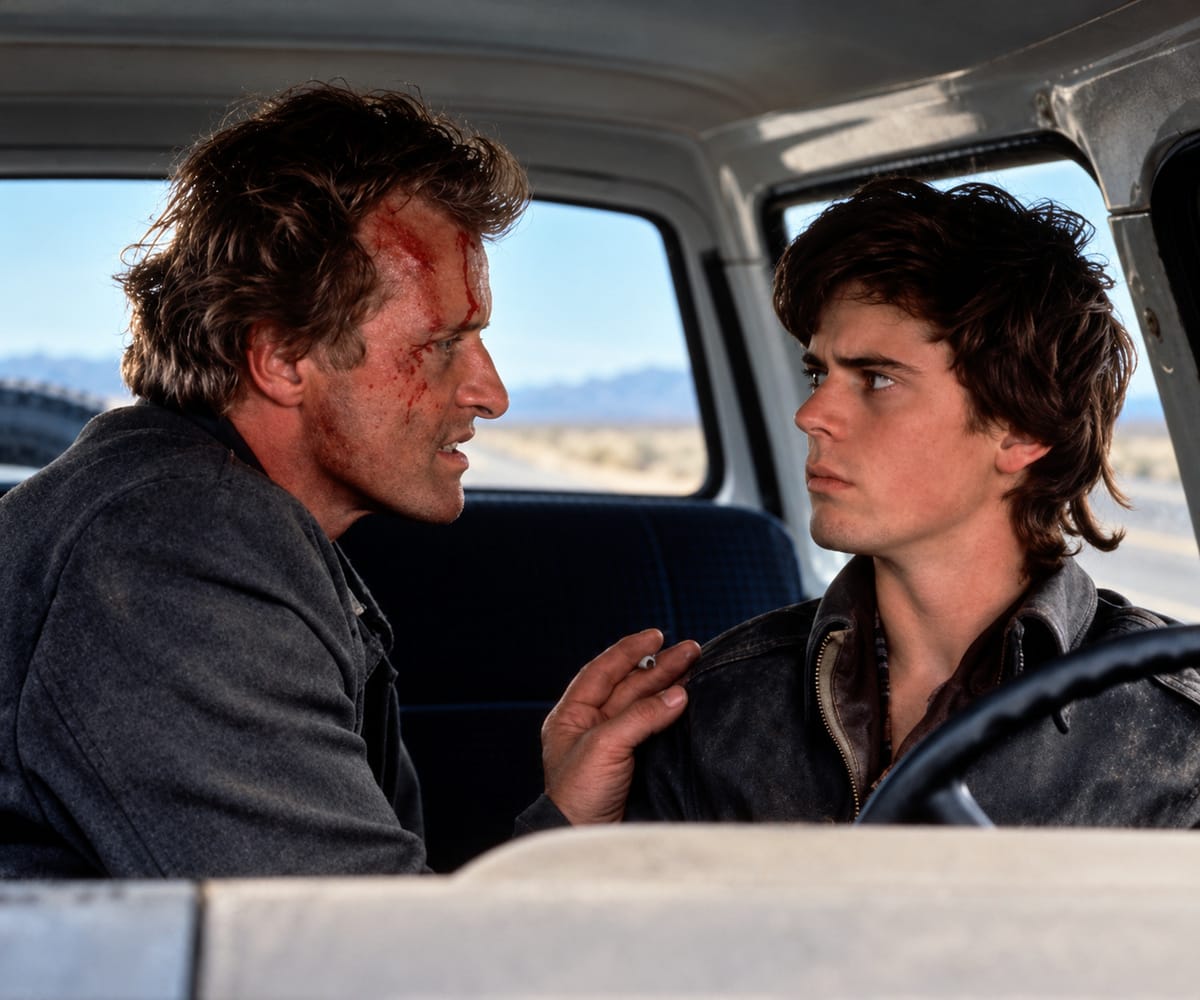
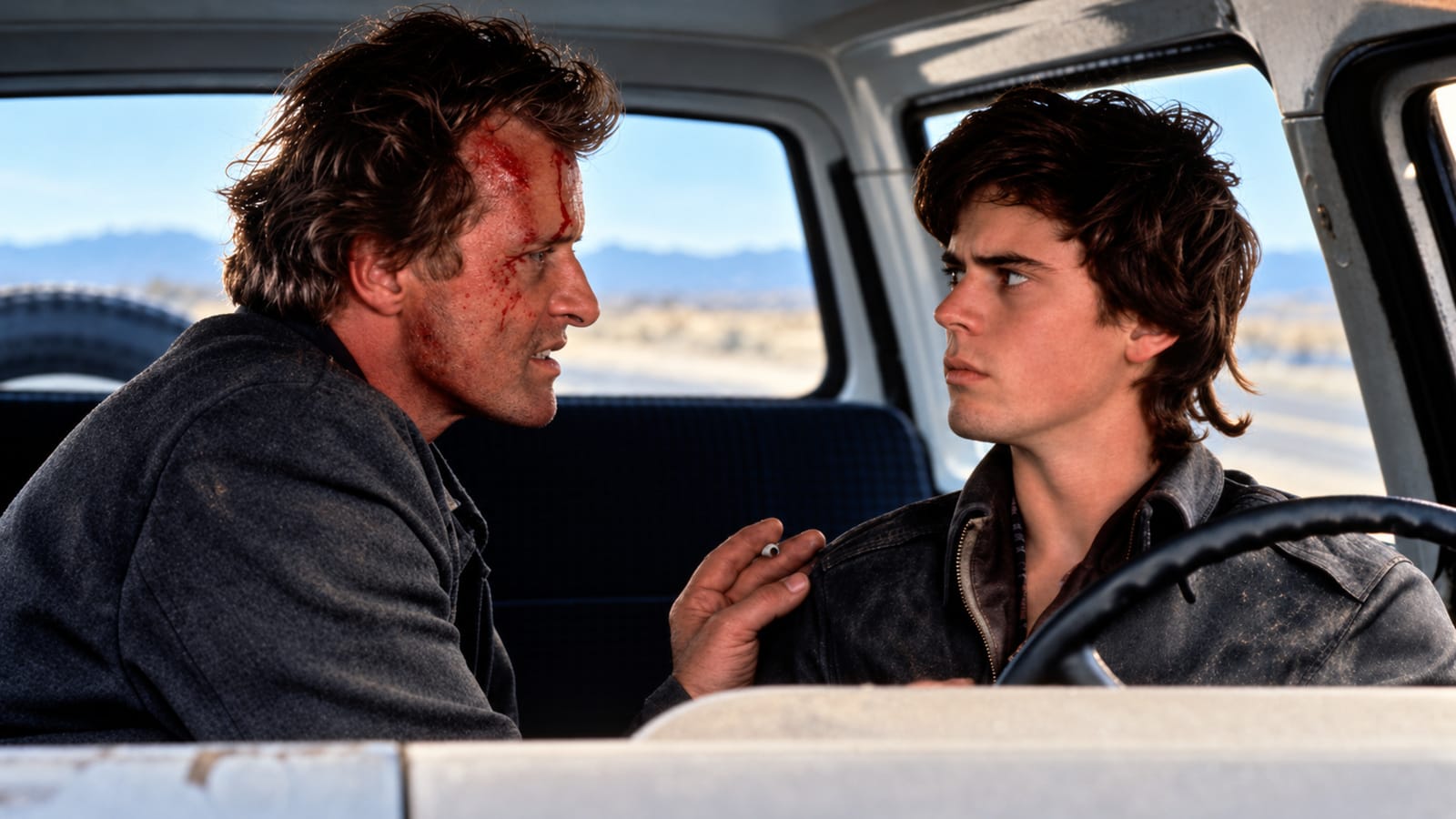
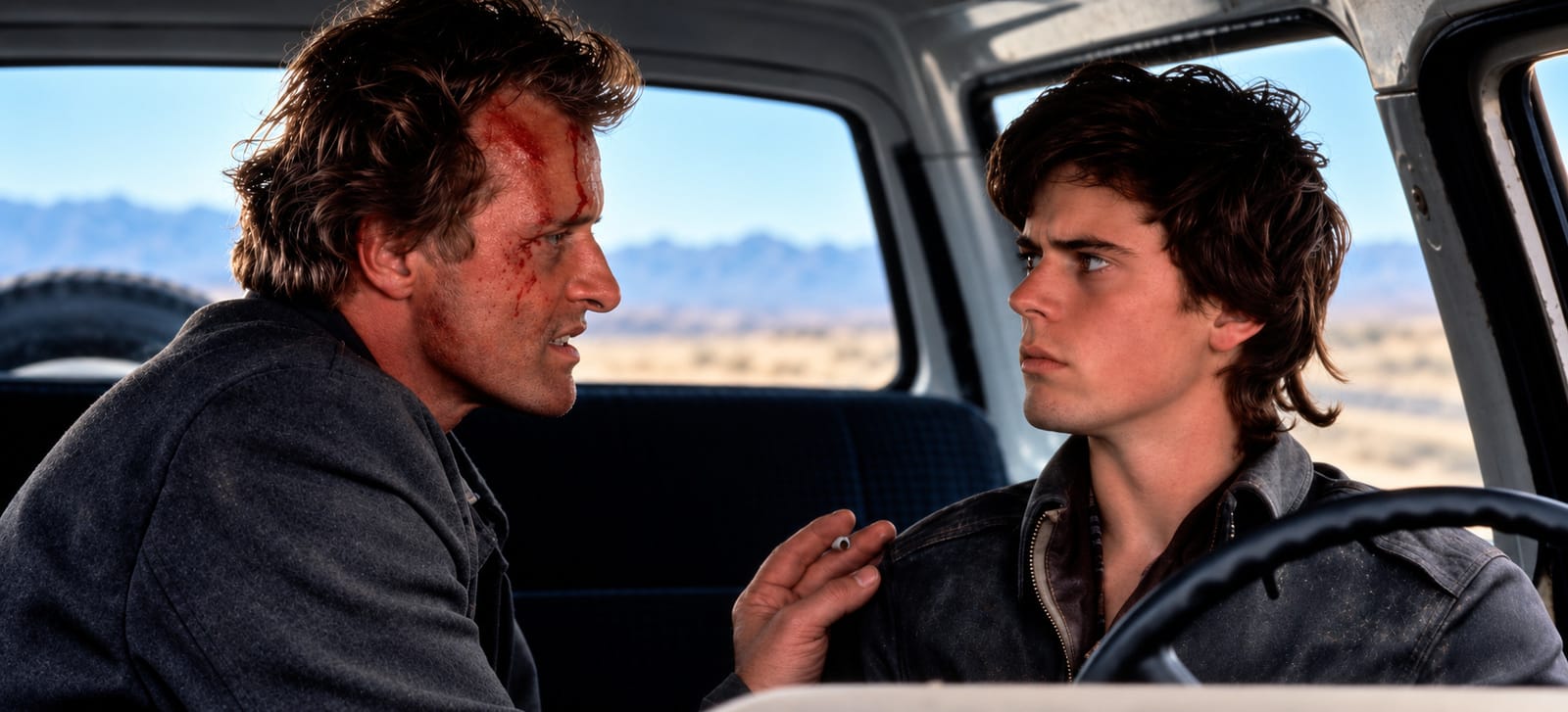
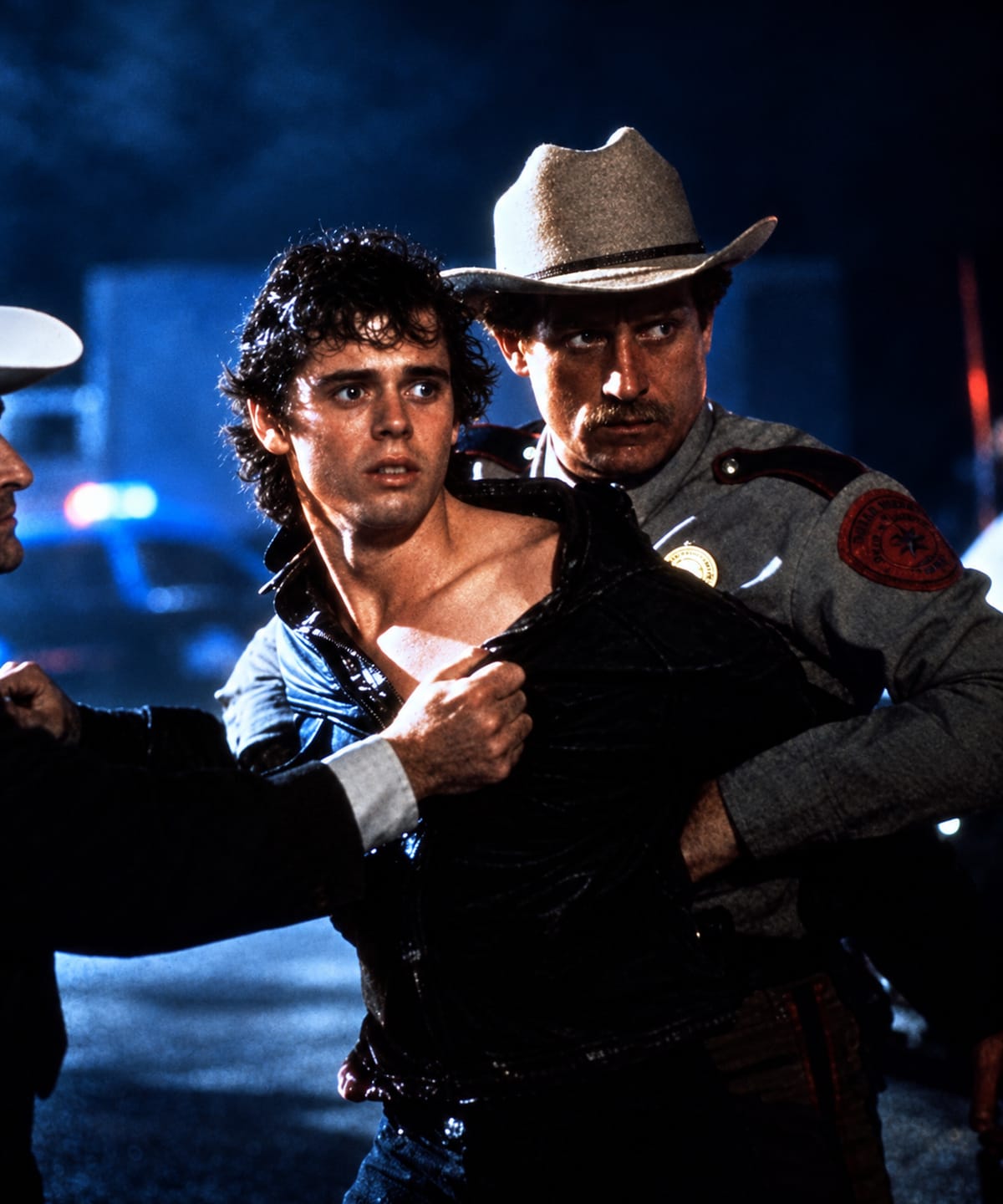
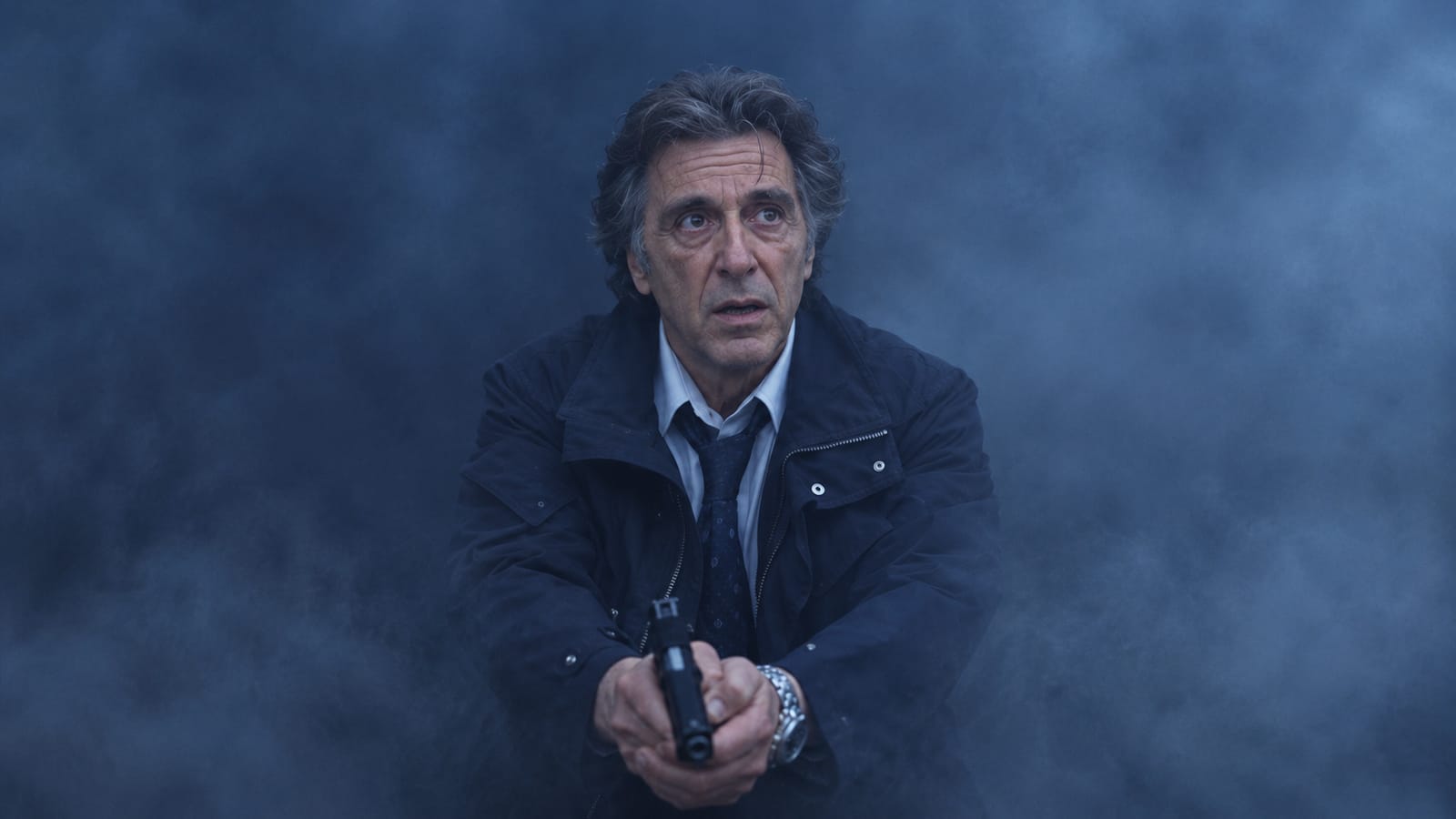
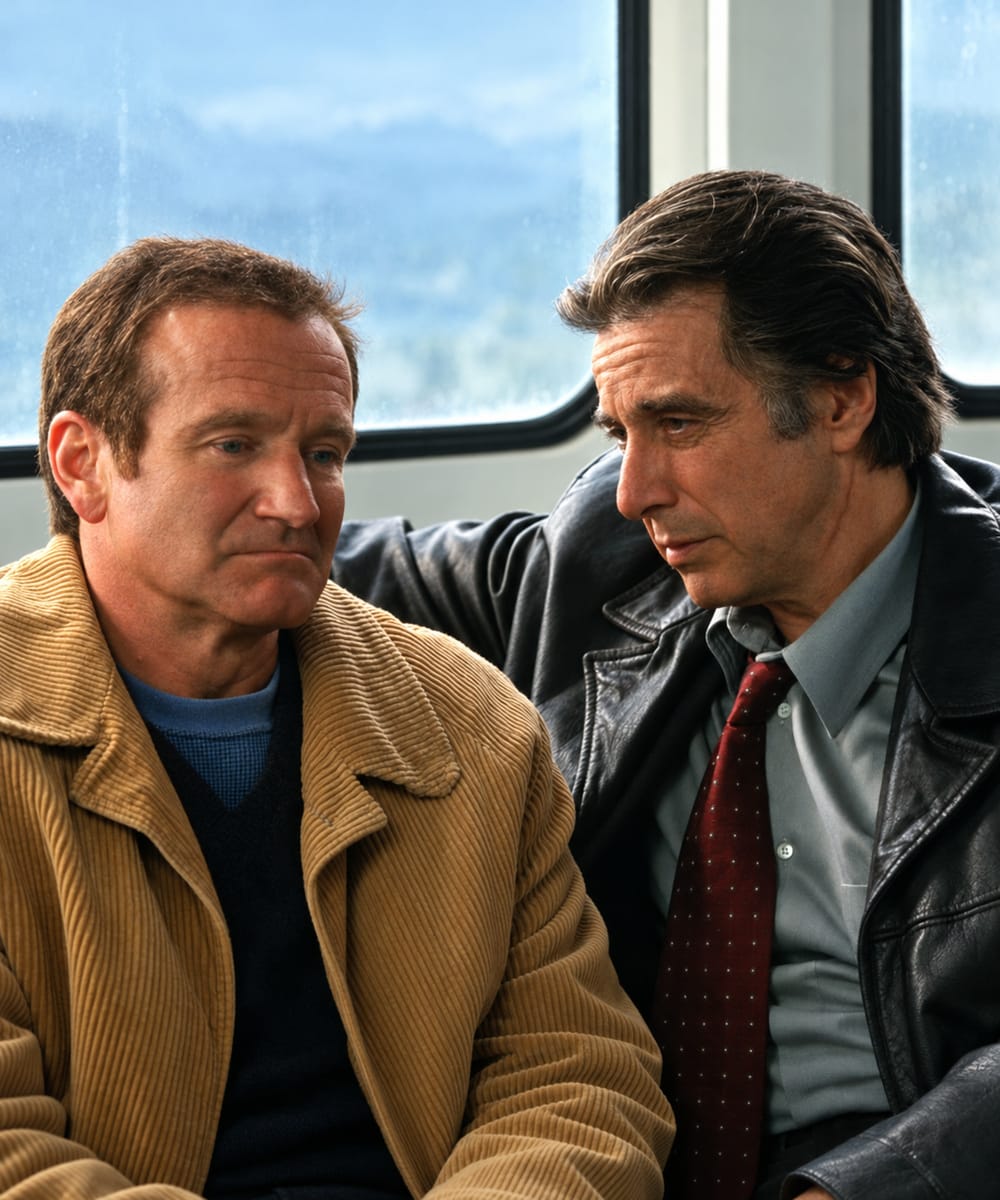
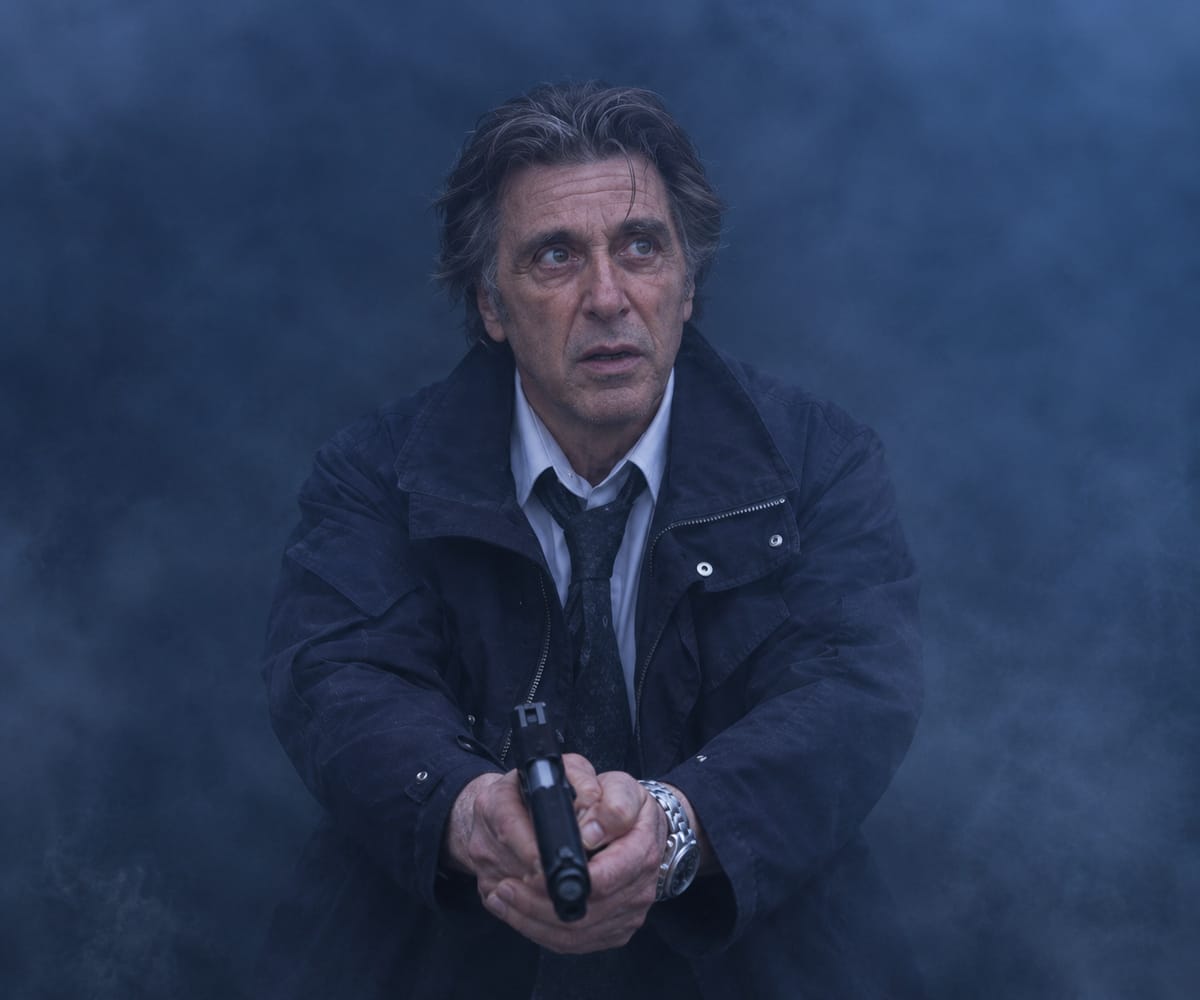
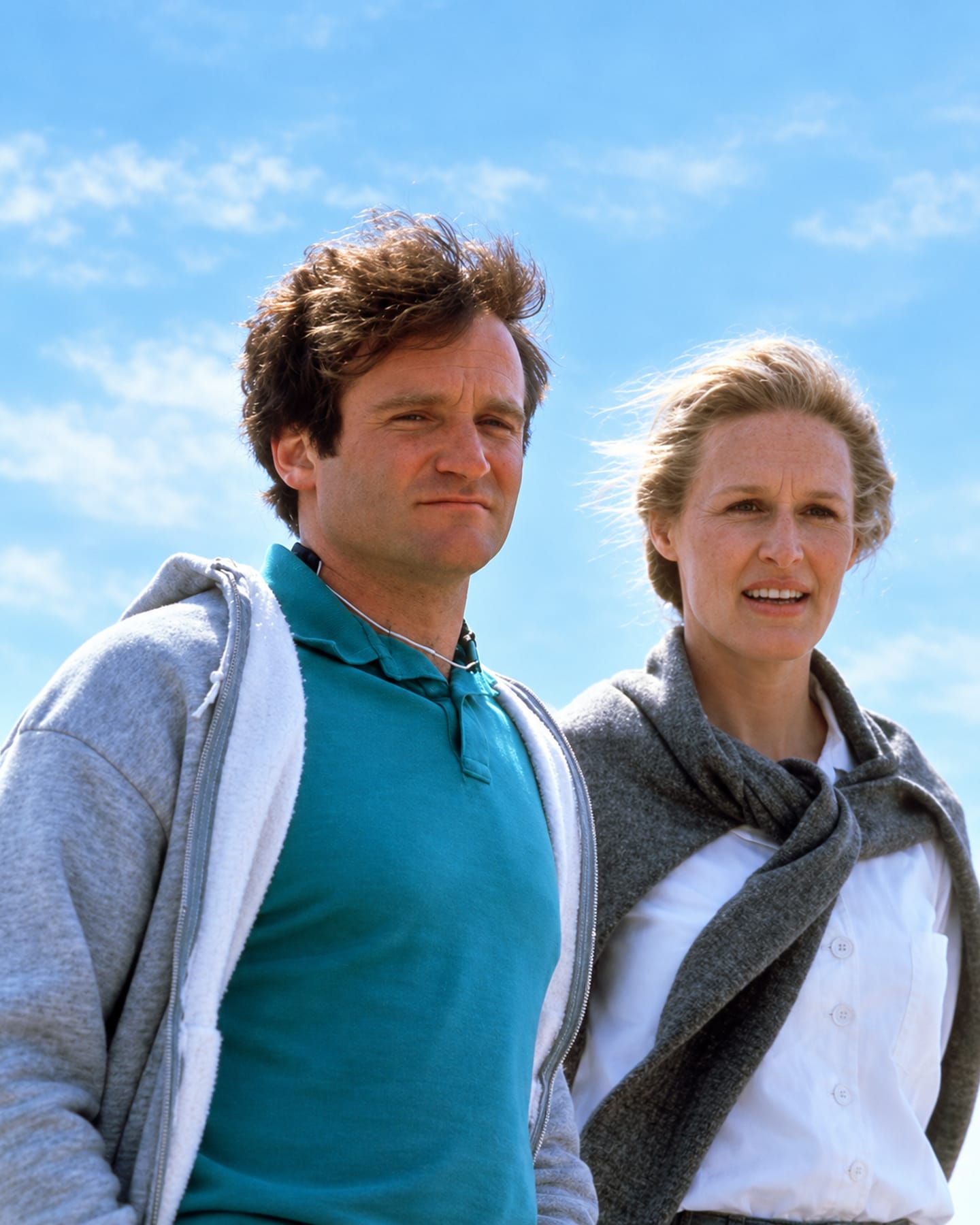
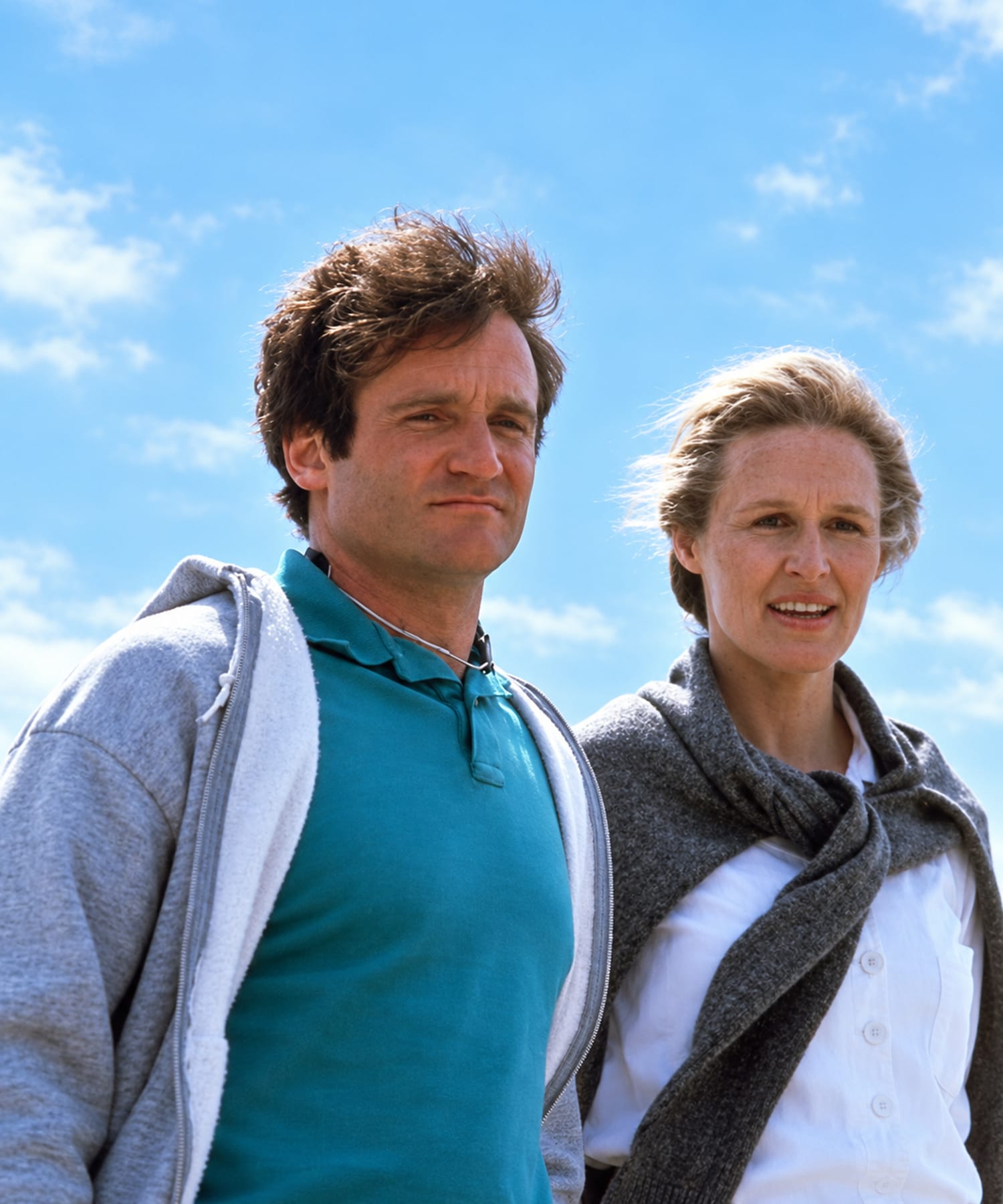
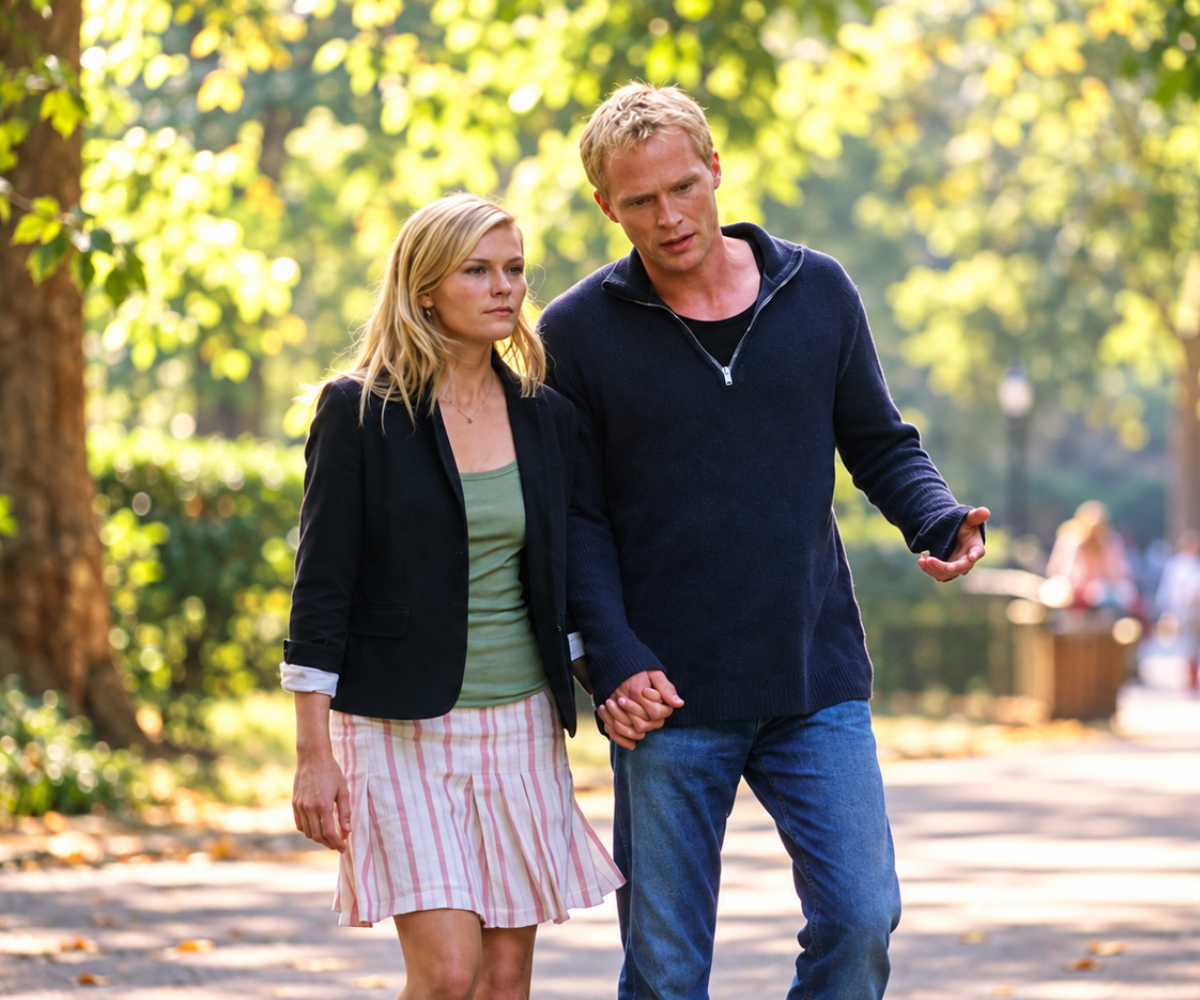
If you've seen Switchback (1997), you probably remember the scenery almost as well as the story. Dennis Quaid spends much of the movie pursuing a serial killer through some spectacular mountain country, and by the time the action moves onto a freight train winding through snowy canyons, you might find yourself paying as much attention to the landscape as the chase.
The good news is that those mountains are real. And if you're wondering where the filmmakers found them, most of the answer is Colorado.
Where Was Switchback Filmed?
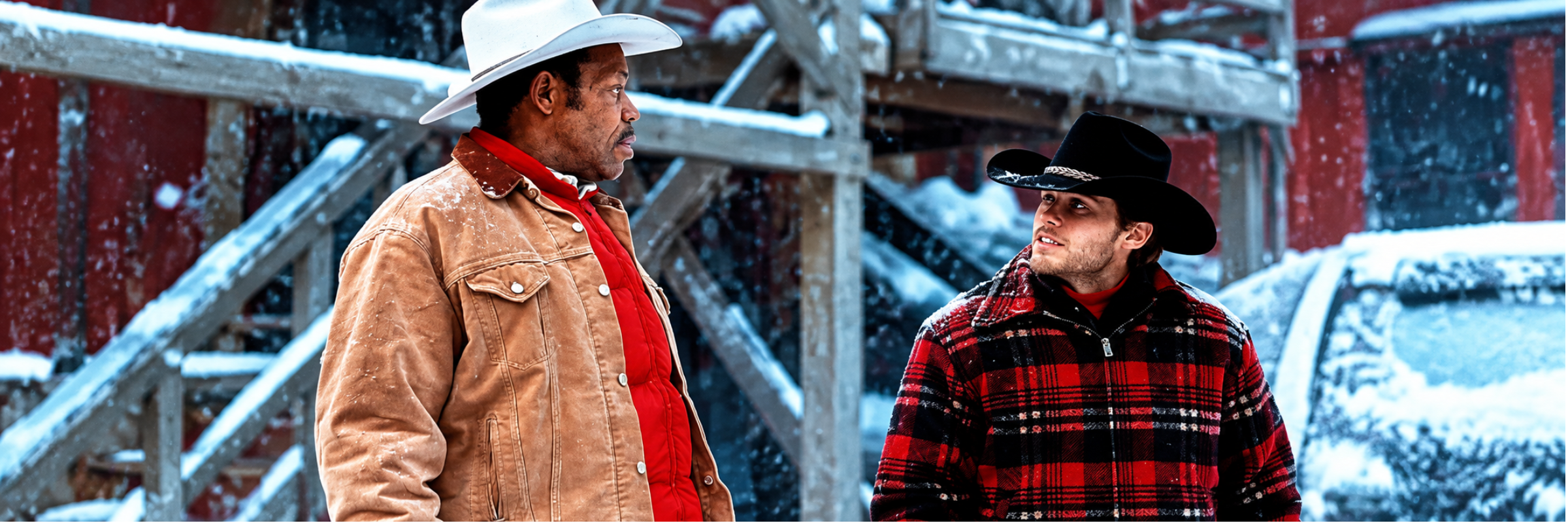
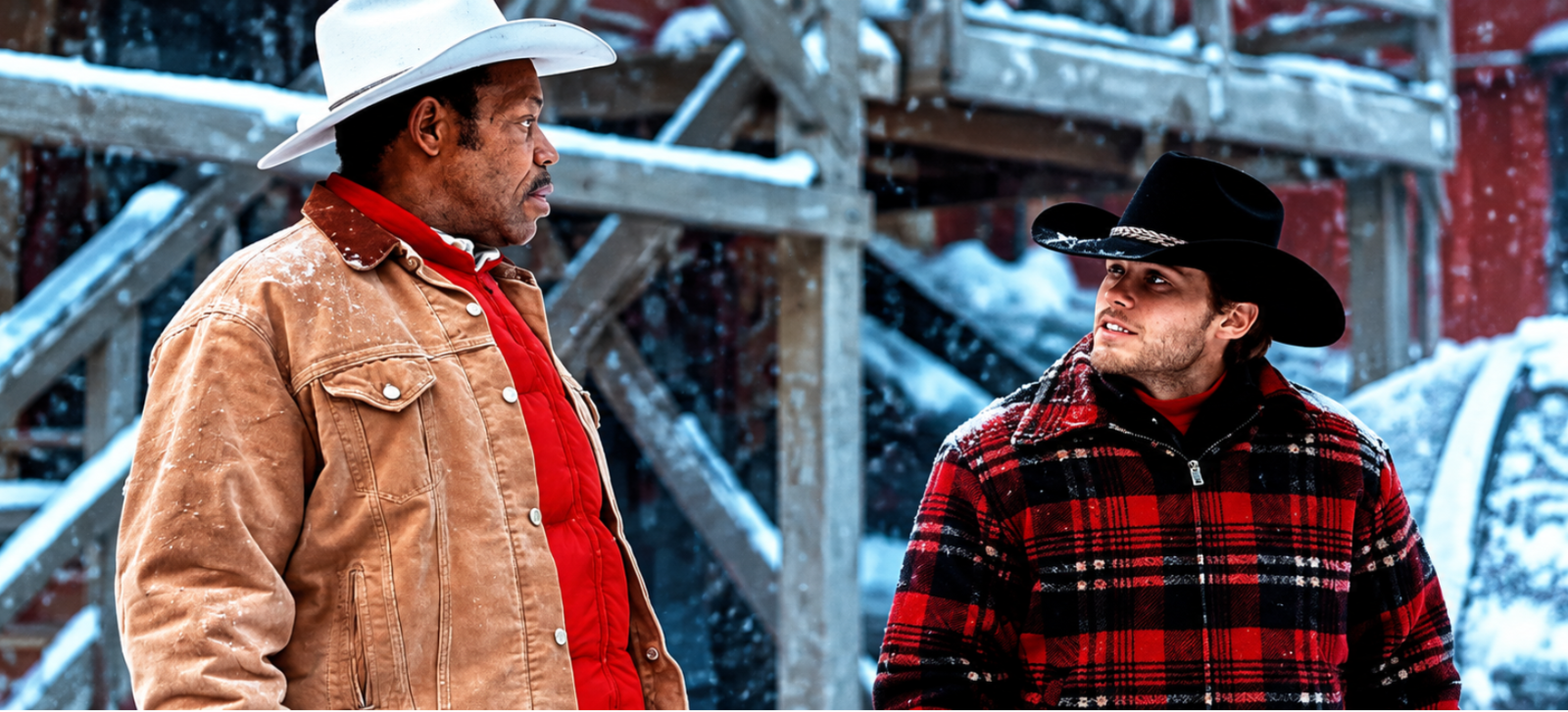
Much of Switchback was filmed in Colorado, including locations around Leadville, Red Cliff, Pinecliffe, and Colorado Springs. The production made extensive use of the Rocky Mountains, with some filming taking place at elevations around 10,000 feet.
Leadville, one of America's highest incorporated cities, sits among some of Colorado's most impressive peaks, including Mount Elbert and Mount Massive. It's the sort of setting that makes a movie look considerably more expensive without requiring the filmmakers to build anything.
Red Cliff provided another memorable location. The area is known for its steep mountain terrain and dramatic highway bridges, and the filmmakers used those surroundings for some of the movie's driving sequences.
Colorado Springs also appears in the film, including a location used for courthouse exteriors.
The production wasn't confined entirely to Colorado, however. Oakland, California, was also used for a scene near the end.
Where Were the Train Scenes Filmed?
The railroad sequences are among the movie's most distinctive features, and they were filmed using sections of Colorado's historic Rio Grande rail system.
Locations associated with the railroad filming include La Veta Pass and portions of the rail routes west of Denver, where tracks run through mountain canyons and difficult terrain.
There's an interesting bit of Hollywood deception involved, too. The locomotives that appear to belong to the Denver & Rio Grande Western Railroad weren't actually Rio Grande locomotives. The production used two former Southern Pacific SD39 diesel locomotives, repainted to resemble Rio Grande equipment.
Apparently, even the trains needed a little help from the art department.
Railroad enthusiasts may also recognize the large snowplow-like piece of equipment used during the movie's climax. That's a real piece of Denver & Rio Grande Western railroad equipment, designated AX-044, which was repainted for the film.
Unlike a lot of Hollywood movie props, this one survived. It was preserved in Hot Sulphur Springs, Colorado, where it has been displayed as a piece of railroad history.
The Mountains Were Real. The Geography Wasn't Always.
One of the advantages of filming in Colorado is that spectacular scenery is never particularly difficult to find. The disadvantage, at least if you're interested in geographical accuracy, is that the best locations aren't necessarily anywhere near one another.
Switchback pieces together roads, towns, and railroad routes from different parts of the state to create what appears to be one continuous journey. The movie's train routes don't always correspond to the geography of the real railroad system, either.
Most viewers probably won't notice. If you're familiar with Colorado's mountains or its railroads, though, you might recognize somewhere you know and wonder how the characters managed to get there quite so quickly.
The Bottom Line
Switchback isn't the kind of movie that usually gets mentioned in conversations about great Colorado scenery, but perhaps it should be. Whatever you think of the story, the filmmakers made excellent use of the Rocky Mountains, particularly during the railroad sequences.
And if you happen to be a railroad enthusiast, there's an additional attraction: those trains, mountain routes, and much of the equipment were real.
Even if Hollywood rearranged a few things along the way.