Imagine being a parent who knows your child's school isn't doing a good job. You know your child is falling behind, and you're worried about what that means for their future.
Now imagine discovering there's a much better school nearby. Better teachers, better results, a genuine opportunity for your child to succeed.
There's just one problem. You can't simply enroll your child. You have to enter a lottery and hope their name gets picked.
Think about that for a second. Your child's future is determined randomly.
Meanwhile, the people running the school your child is trying to escape have jobs, contracts, administrators, unions and politicians looking out for their interests.
Who's looking out for your kid?
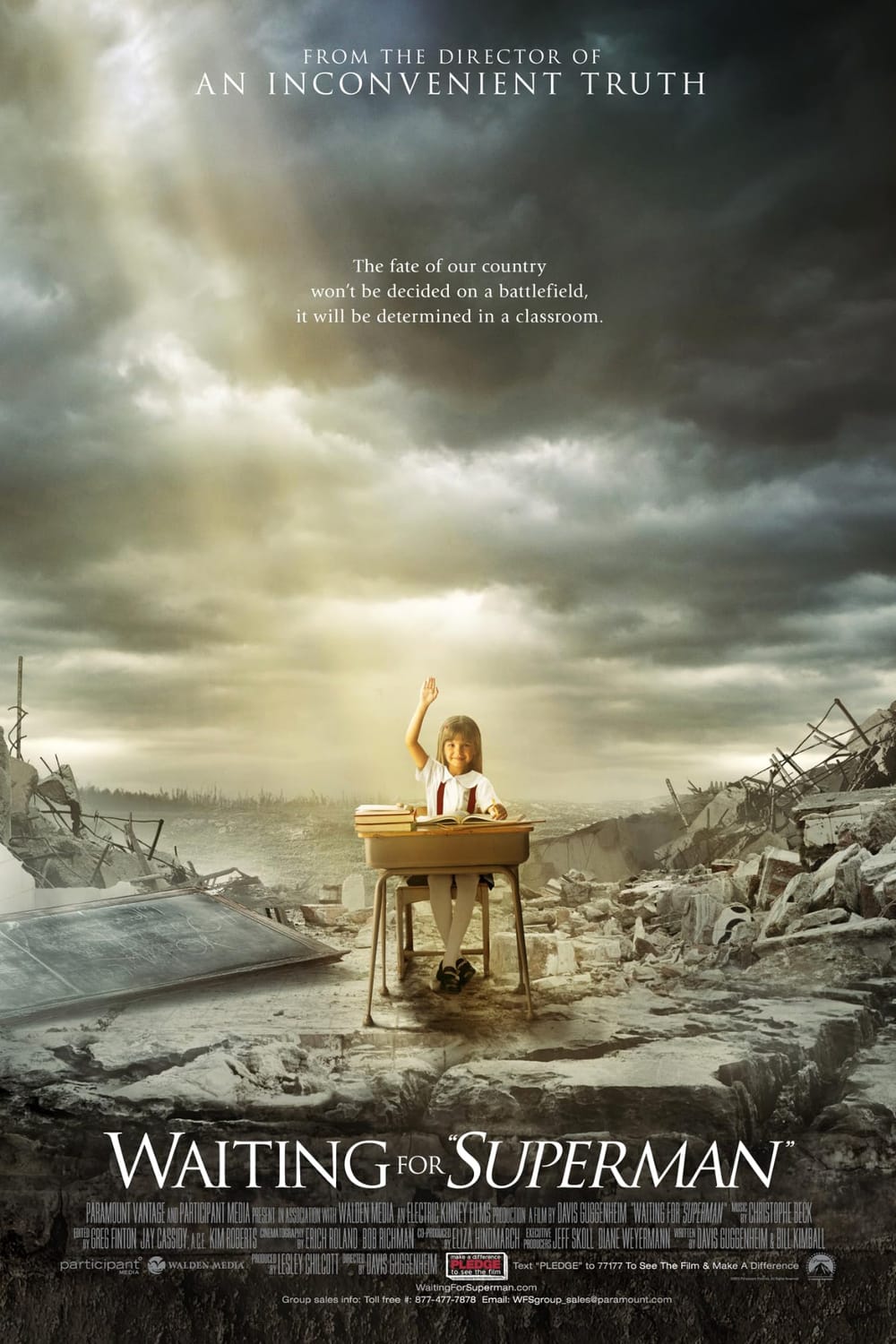
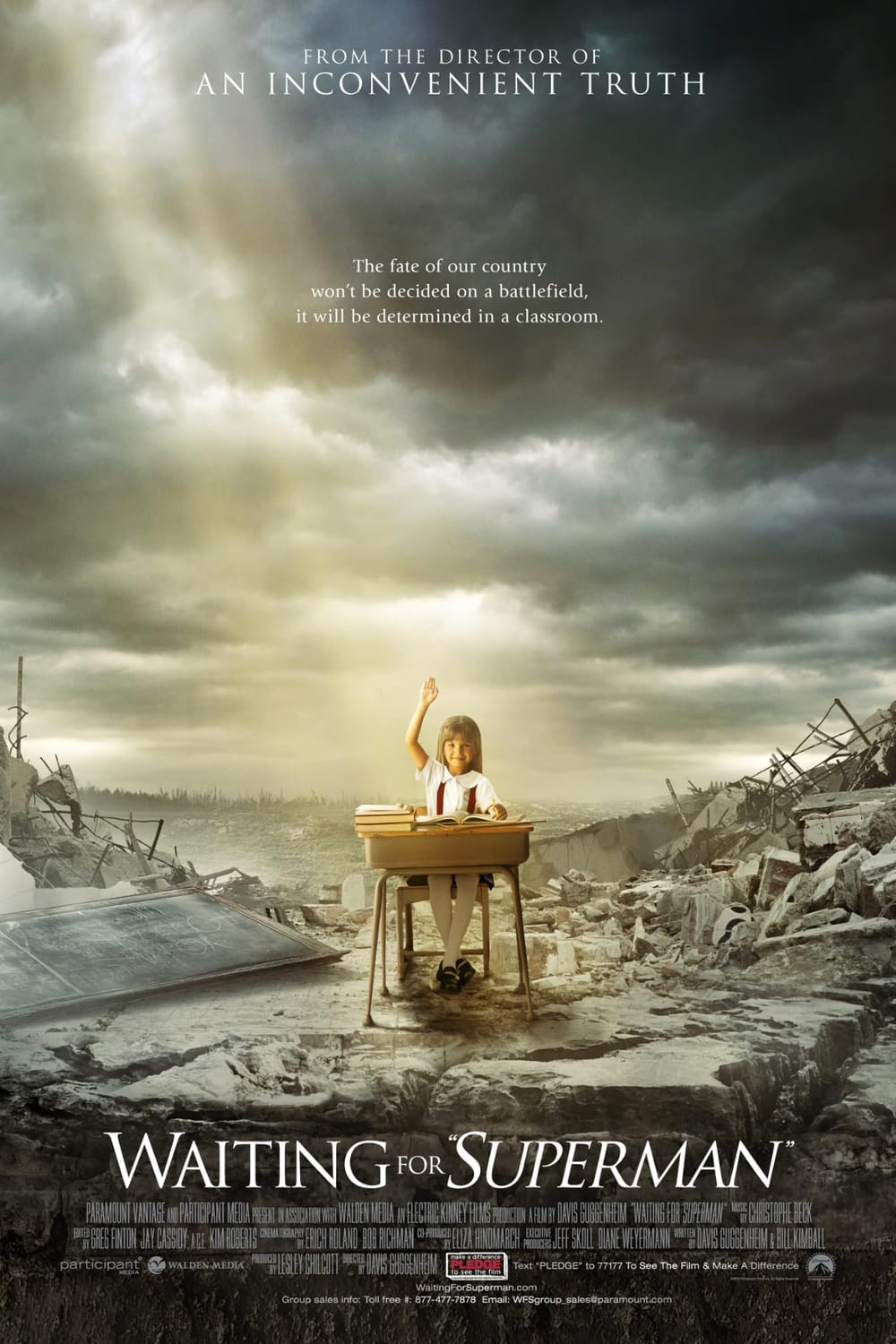
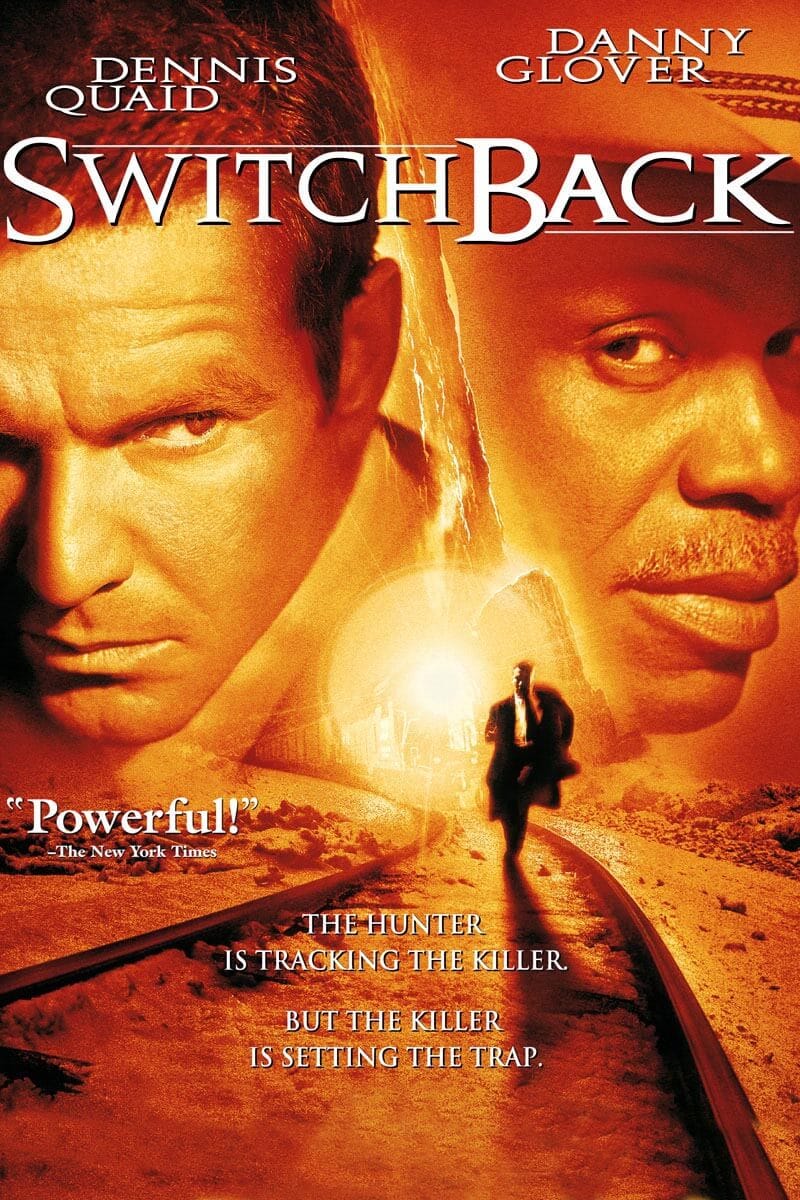
That's the uncomfortable question running through Waiting for "Superman", Davis Guggenheim's 2010 documentary about the failures of American public education.
A System Built to Protect Itself
The documentary follows five children and their families as they try to secure a better education. These aren't parents who don't care. They're doing exactly what we tell parents they should do: getting involved, paying attention and trying to give their children every possible advantage.
But the film spends just as much time examining the enormous educational bureaucracy standing between these families and the schools they want.
One of its biggest targets is teacher tenure and the extraordinary difficulty of removing ineffective teachers from classrooms.
Now, there's nothing wrong with teachers having job protections. Good teachers deserve fair treatment, reasonable security and protection from arbitrary decisions. Teaching isn't an easy profession, and plenty of teachers work extremely hard under difficult circumstances.
But there's a difference between protecting good teachers and creating a system that makes it nearly impossible to get rid of bad ones.
The film illustrates that problem with New York City's infamous "rubber rooms," where teachers removed from classrooms could spend extended periods collecting pay while their cases worked through the system.
Think about that for a moment. A school system could find itself paying teachers not to teach while children continued attending schools that desperately needed effective teachers.
How did we arrive at a point where that made sense?
Everybody Has Someone Fighting for Them
One of the documentary's most interesting figures is Michelle Rhee, then chancellor of Washington, D.C., public schools. She arrives determined to change a struggling system and encounters enormous resistance.
Rhee's approach was controversial, and it's reasonable to question some of her methods. But watching the institutional battles unfold raises a question that goes beyond whether she was right about every proposed reform.
Who is actually supposed to be in charge?
Teachers' unions exist to represent teachers. That's their job. They negotiate compensation, working conditions, job protections and other employment matters. There's nothing surprising about that.
But unions aren't the only adults with interests to protect. Administrators have careers, school boards have political considerations, and elected officials have constituencies they don't want to upset.
None of these groups necessarily has bad intentions. The problem is that their interests don't always align with what children need.
And children don't have a union.
They don't negotiate contracts. They don't vote in school board elections. They can't threaten to strike, and most can't simply transfer to a better school when things aren't working.
Their parents can complain, organize and advocate, but that doesn't necessarily give them the power to change anything.
The Lottery Says Everything
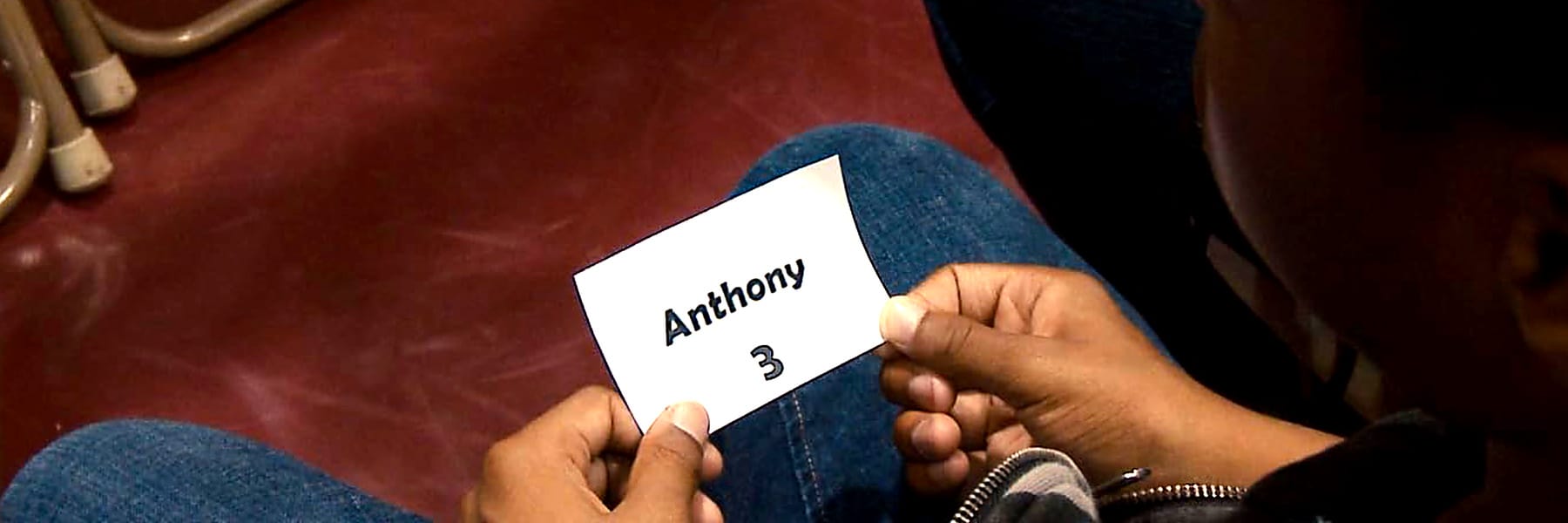
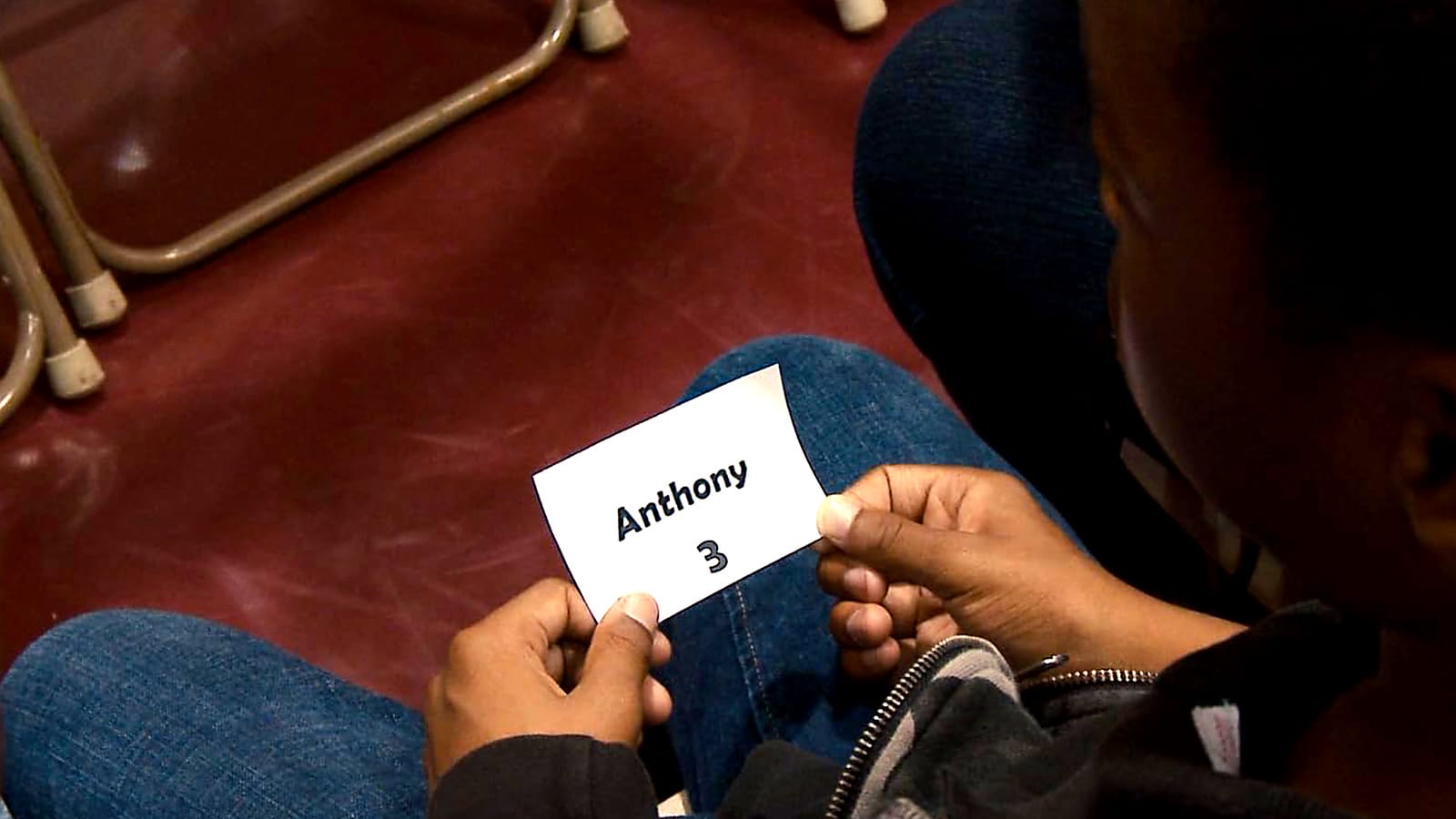
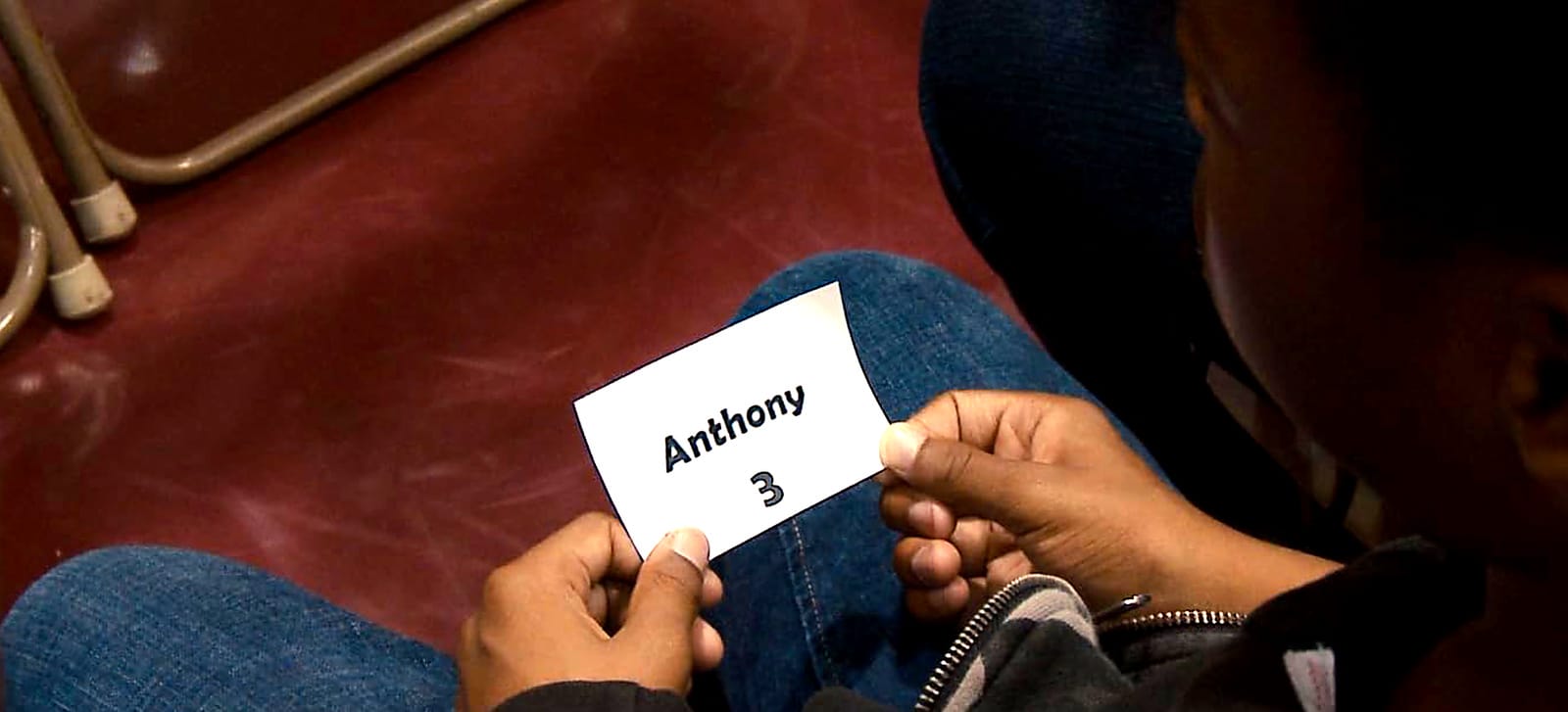
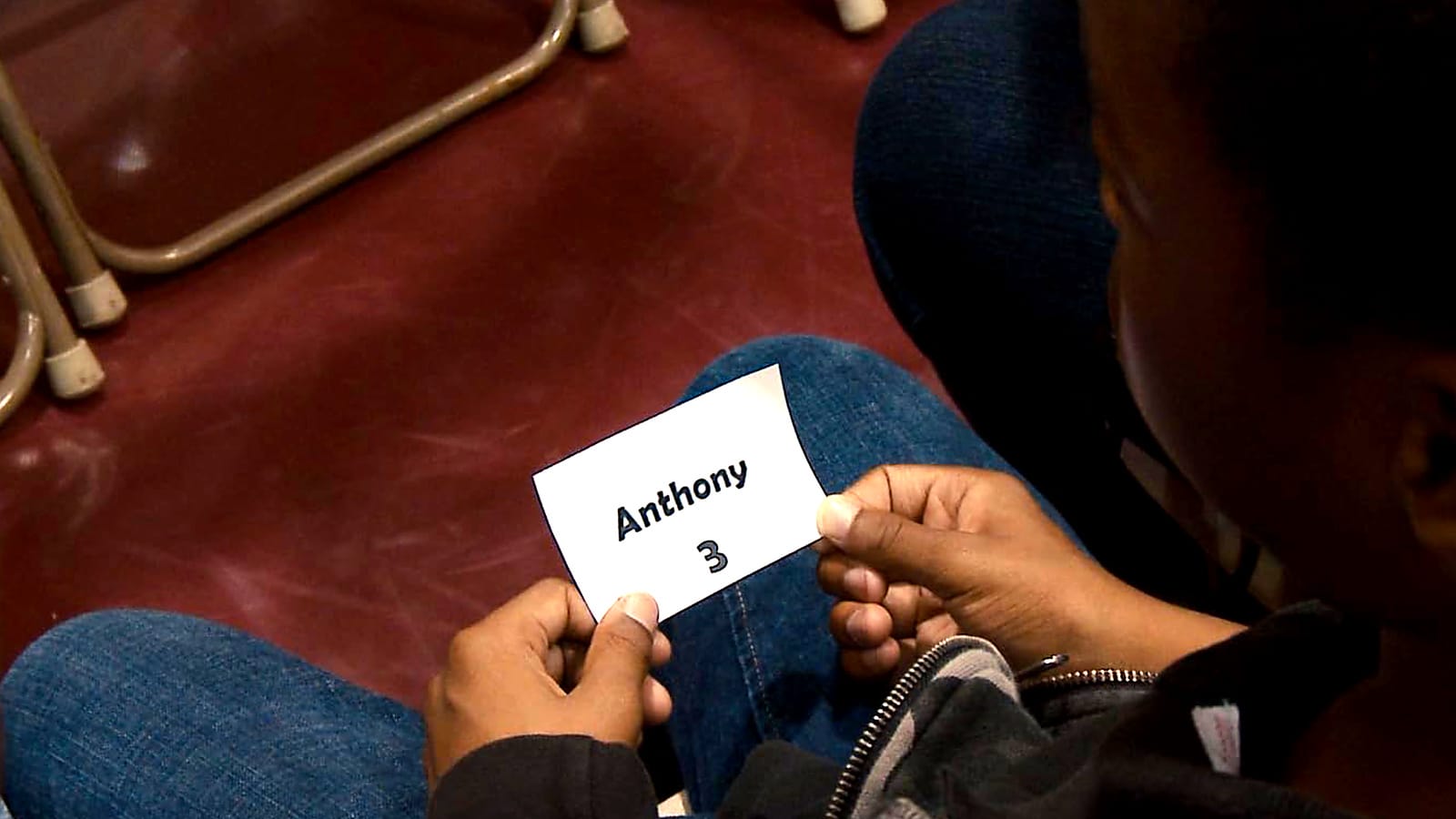
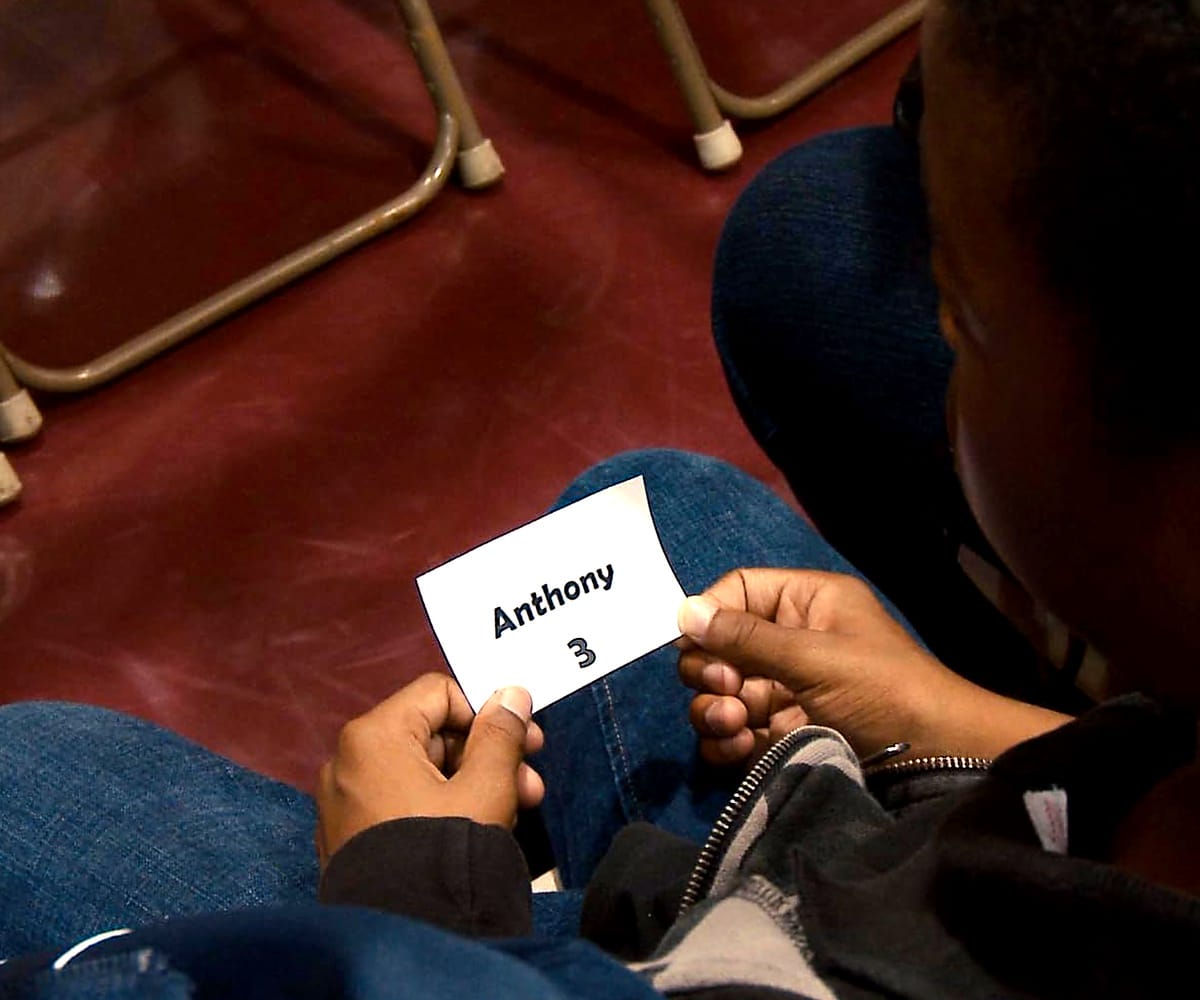
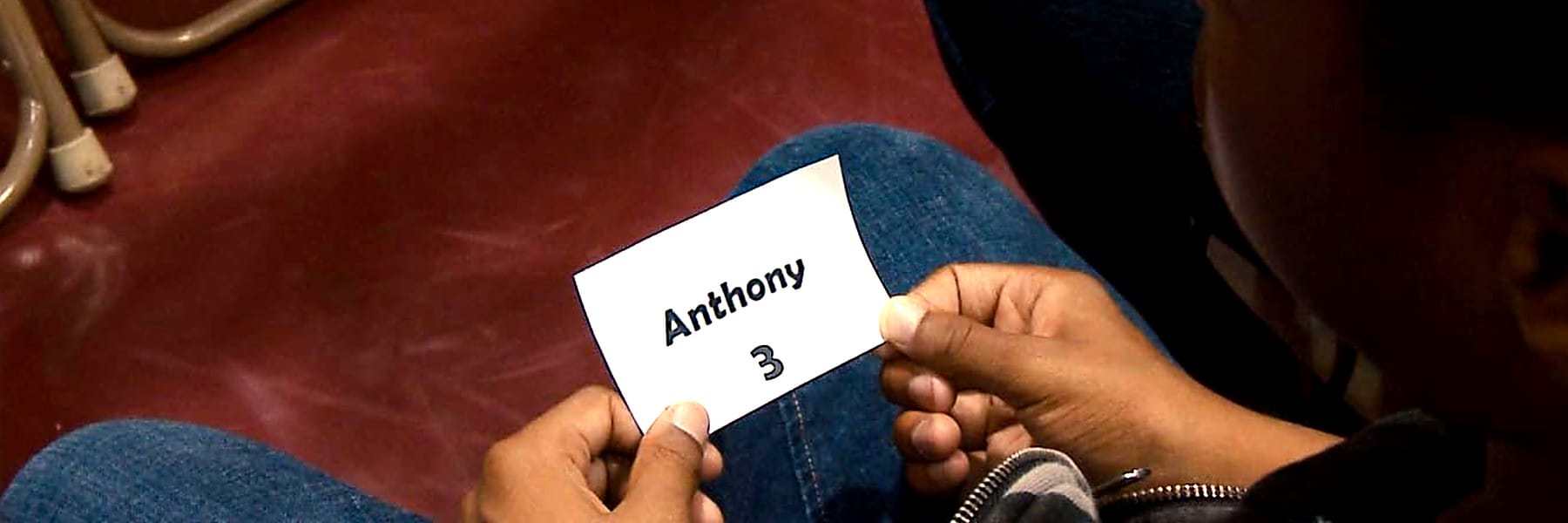
The documentary builds toward several school admission lotteries, and these scenes are difficult to watch.
By this point, we've gotten to know the children. We've heard their ambitions and watched their parents struggle to find opportunities for them.
Now their futures appear to depend on whether someone pulls the right number or calls the right name.
It's an absurd situation when you think about it.
These families aren't asking for special privileges. They're asking for a decent education, something public schools are supposed to provide every child.
The documentary clearly favors successful charter schools, and that's one area where its argument deserves some skepticism. Not every charter school is successful, and changing how a school is managed doesn't automatically make it better. Poverty, family circumstances, funding and countless other factors also affect educational outcomes.
But those complications don't erase the central problem.
When parents are desperate to get their children out of one publicly funded school and into another, something has gone seriously wrong.
And when the system makes it easier to defend its existing arrangements than to respond to those families, its priorities deserve to be questioned.
Waiting for "Superman" isn't a perfectly balanced examination of every problem in American education. It has an argument to make, and it isn't particularly shy about making it.
But it asks a question that shouldn't be controversial at all.
If public education exists for the benefit of children, shouldn't their interests come first?
The remarkable thing is that we apparently still need to ask.