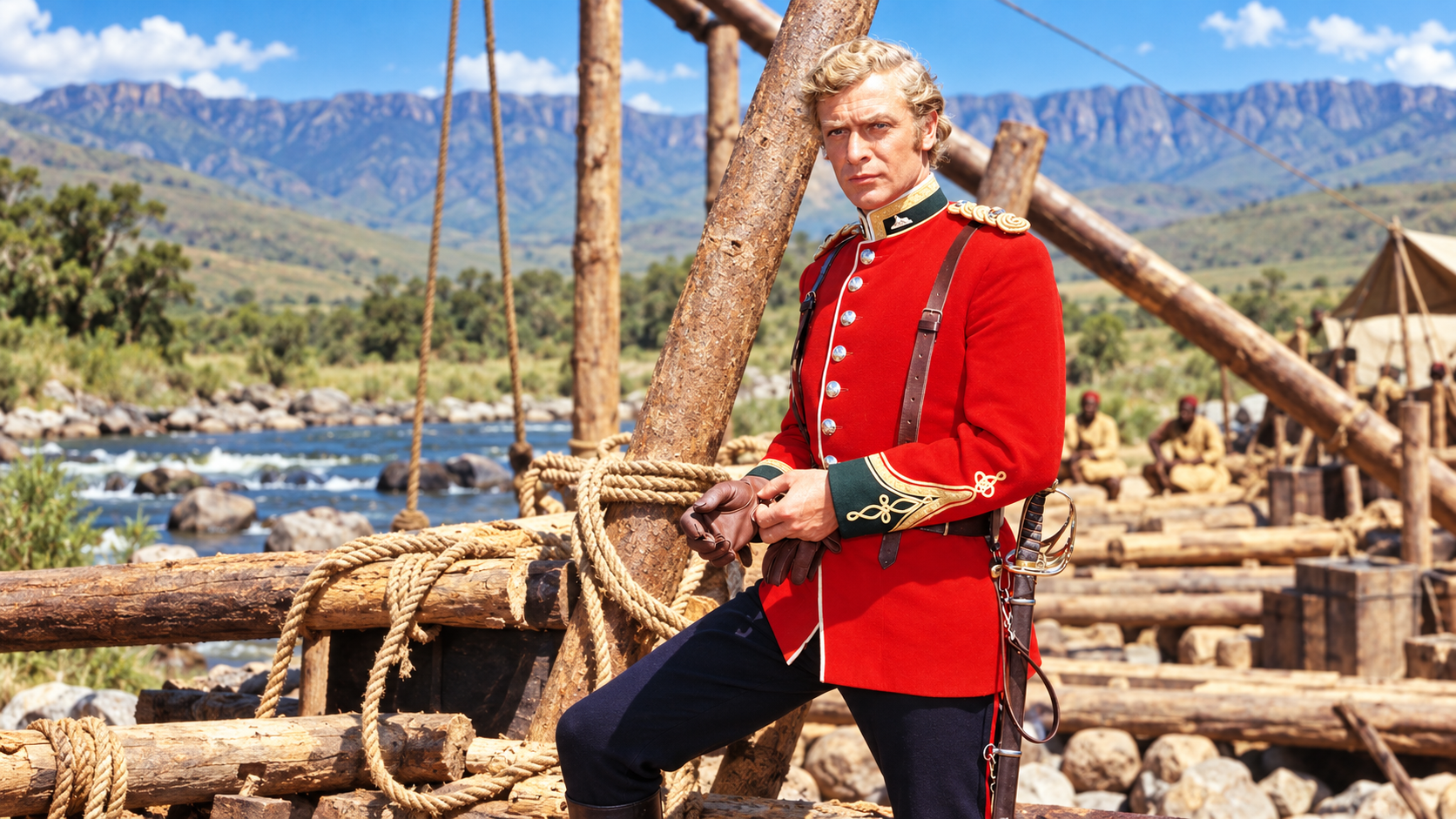
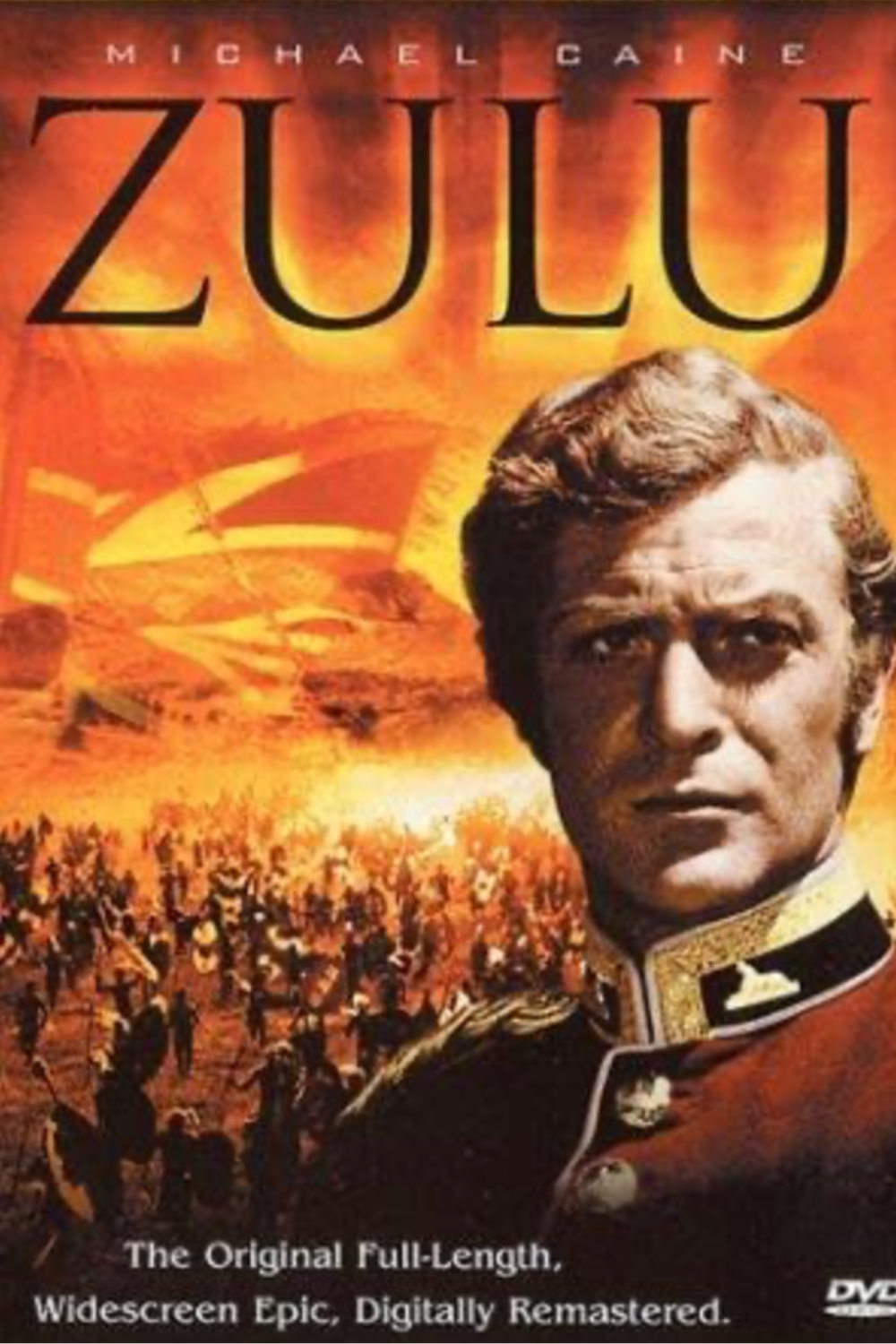
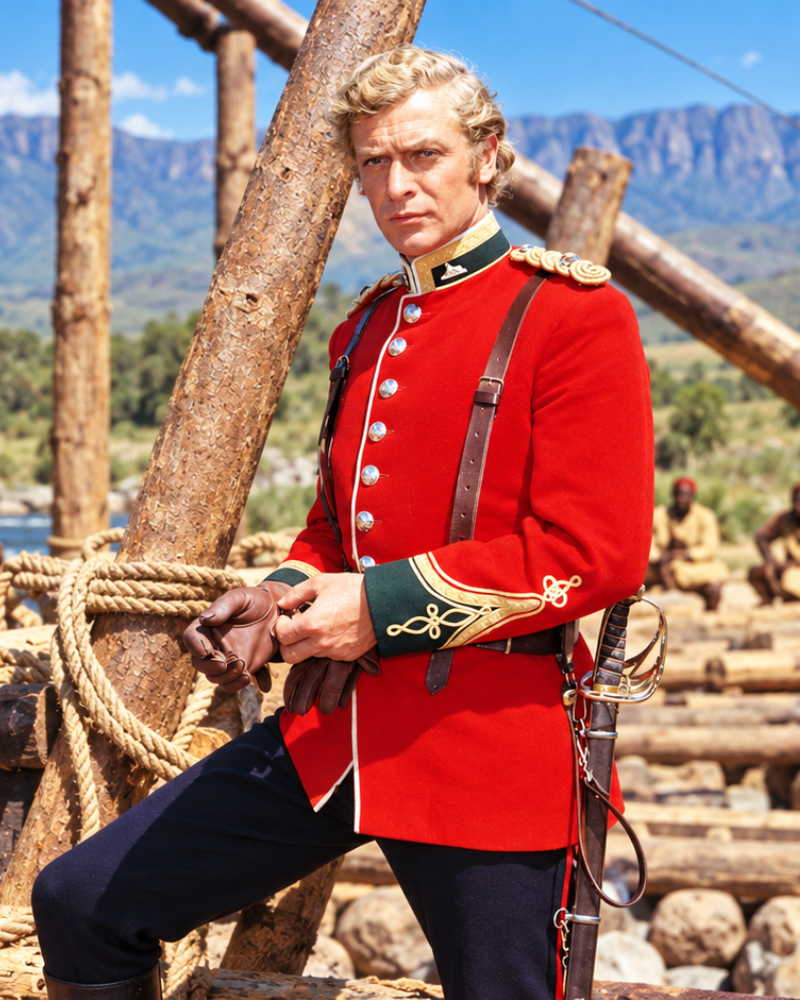
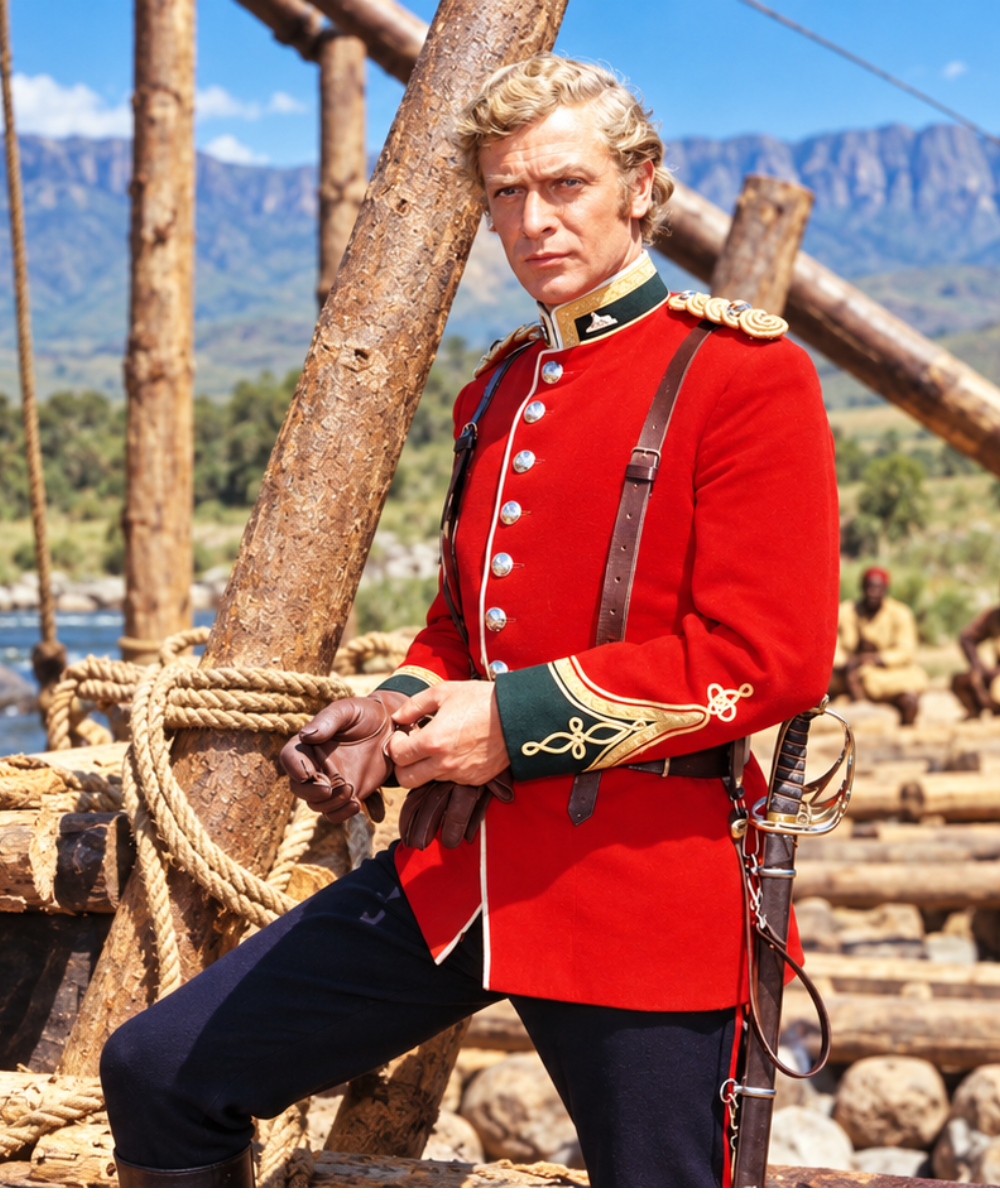
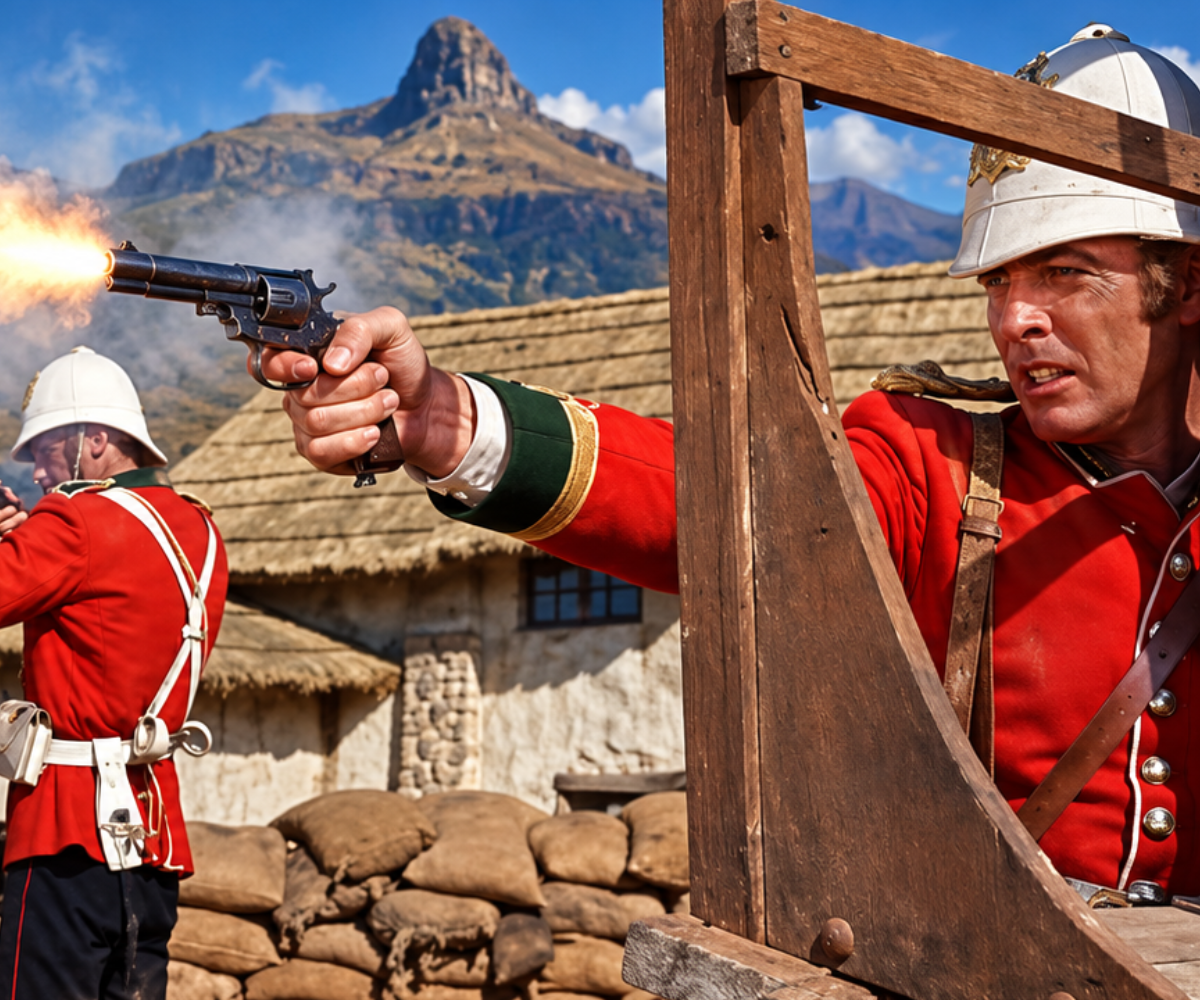
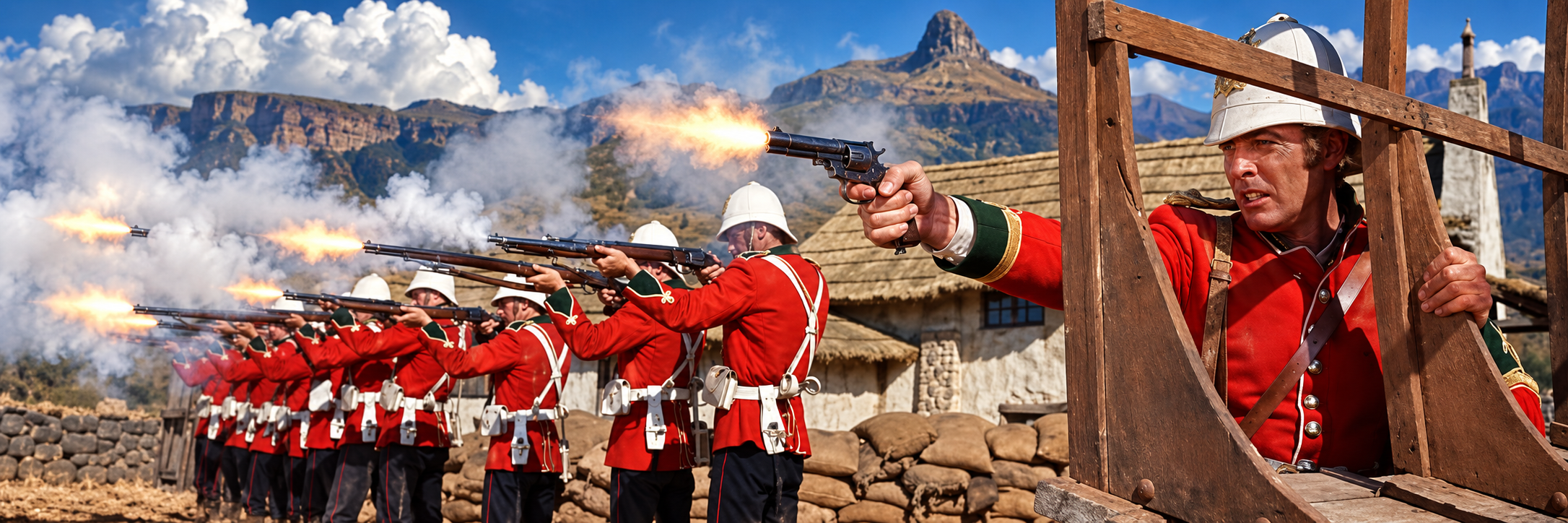
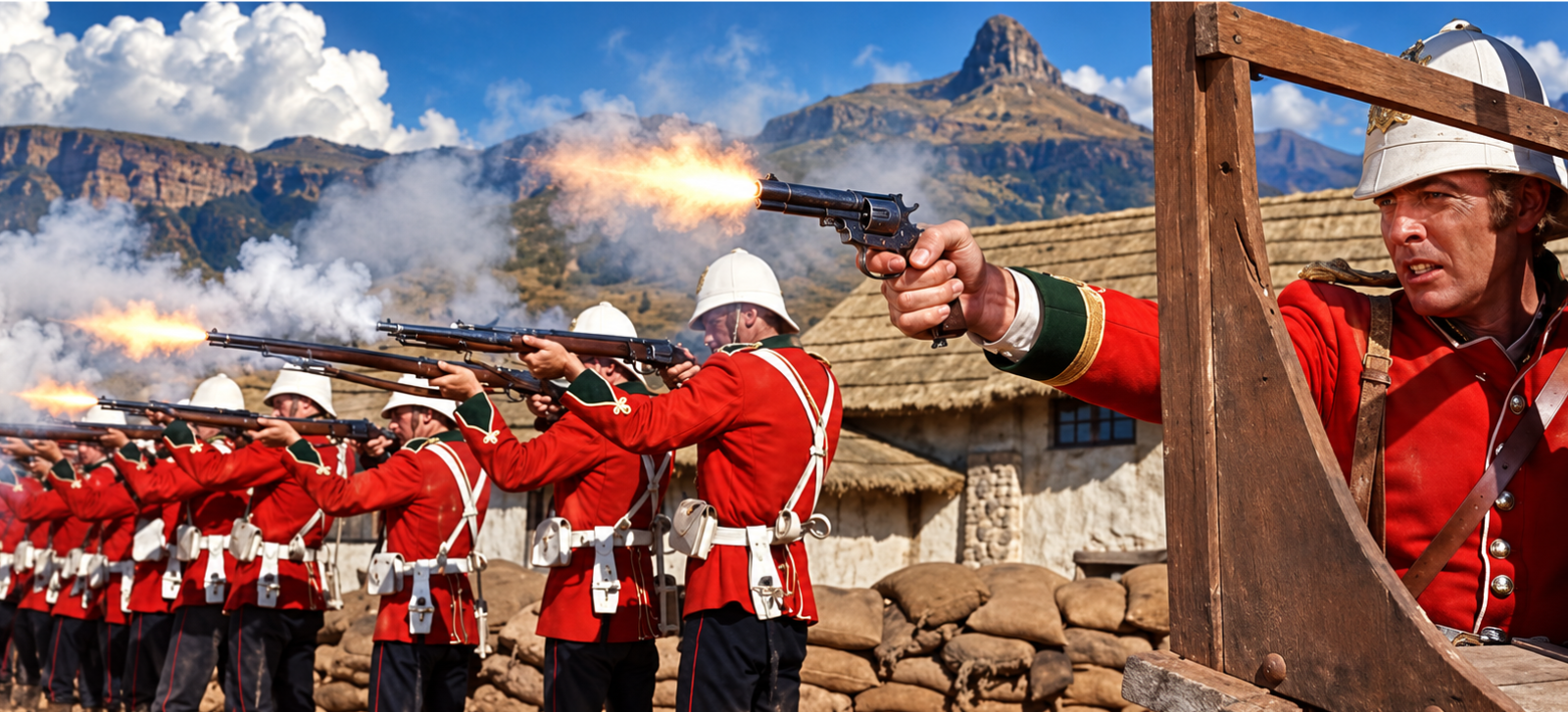
If you've seen Zulu (1964), you probably remember those enormous mountains overlooking the battlefield. They're spectacular, and they make the British soldiers' predicament seem even more hopeless. It's the kind of landscape that stays with you long after you've forgotten some of the details of the movie.
There's just one problem. Those mountains weren't there when the real battle took place.
Where Was Zulu Actually Filmed?
Most of Zulu, starring Michael Caine and Stanley Baker, was filmed in South Africa's Drakensberg Mountains, primarily in Royal Natal National Park. The towering cliffs visible throughout the movie are part of the Drakensberg Amphitheatre, a massive natural rock formation that provided director Cy Endfield with a spectacular backdrop.
The filmmakers constructed a replica of the Rorke's Drift mission station in the area, using the mountains to give the location an imposing sense of scale. Watching the movie, you'd naturally assume this was what the British soldiers saw when they looked beyond their defenses.
It wasn't.
Where Did the Real Battle Take Place?
The actual Battle of Rorke's Drift happened on January 22–23, 1879, near the Buffalo River in what is now KwaZulu-Natal, South Africa. The real battlefield is roughly 90 miles from the principal filming location, and the surrounding terrain looks quite different.
Instead of towering mountain cliffs, the actual mission station was surrounded by rolling hills and more open countryside. The filmmakers weren't trying to recreate the landscape with geographical precision. They wanted a setting that would make the battle look as impressive on screen as the story deserved.
The historic battlefield is still open to visitors, although anyone arriving with the movie's scenery in mind might wonder where the mountains went.
Was Any of Zulu Filmed in England?
Yes. Although the major outdoor scenes were filmed in South Africa, some interior scenes were filmed at Twickenham Film Studios in England. This wasn't unusual for a production of the period, particularly one requiring controlled lighting and elaborate interior sets.
The result is that a movie depicting the defense of one small mission station was assembled from locations in two countries, neither of them the actual battlefield.
The Bottom Line
The filmmakers didn't need to exaggerate the odds faced by the British defenders at Rorke's Drift. Those were remarkable enough. But when it came to choosing the landscape, historical accuracy apparently took a back seat to finding something that would look spectacular on screen.
And it's difficult to argue with the results. The Drakensberg Mountains are one of the reasons Zulu still looks so impressive more than sixty years later.
They just happen to be in the wrong place.